
The question of a city’s population is often the first step in understanding its scale, its dynamism, and its place within a larger regional or national context. For Anchorage, Alaska, understanding its population is not merely a statistical exercise; it’s a key to unlocking the unique character of the largest city in the Last Frontier. This knowledge informs everything from the availability of amenities to the types of experiences a visitor might encounter, and even the underlying cultural fabric of the region.
The Pulse of Alaska’s Largest City
Anchorage is the undisputed economic and population hub of Alaska. It’s where the majority of the state’s residents live, work, and play. This concentration of people has a profound impact on the city’s infrastructure, its cultural offerings, and its overall atmosphere. As of the most recent estimates, the population of the Municipality of Anchorage hovers around 287,000 to 290,000 residents. This figure represents a significant portion of Alaska’s total population, highlighting its role as the state’s anchor.

Demographic Snapshot
While the headline number of residents is important, a deeper dive into Anchorage’s demographics reveals a vibrant and diverse community. The city is a melting pot, drawing people from various backgrounds for work, adventure, and a unique Alaskan lifestyle.
- Age Distribution: Anchorage, like many urban centers, has a broad age distribution. A substantial portion of the population falls within the working-age demographic, fueling the city’s economy. However, there’s also a significant presence of families and a growing senior population. This balance contributes to a dynamic community with diverse needs and interests.
- Ethnic Diversity: The city boasts a notable level of ethnic diversity for its size and location. This is partly due to Alaska’s rich indigenous heritage, with significant populations of Alaska Native peoples calling Anchorage home. Beyond indigenous communities, Anchorage also has a growing representation of various other ethnic groups, contributing to a multifaceted cultural landscape. This diversity is reflected in its culinary scene and local festivals.
- Growth Trends: Alaska, including Anchorage, has experienced varying growth rates over the decades, influenced by economic factors, resource booms, and migration patterns. While growth may not be as rapid as in some contiguous U.S. states, Anchorage generally maintains a stable to slightly growing population, reflecting its enduring appeal as a desirable place to live.
Population and its Impact on the Visitor Experience
For those planning a visit to Anchorage, understanding its population size offers valuable insights into what to expect. A population of nearly 300,000 means that Anchorage offers a level of urban sophistication and amenities not found in smaller Alaskan towns.
- Services and Infrastructure: The significant population supports a robust network of services, including a major international airport, a comprehensive public transportation system, and a wide array of lodging options ranging from the luxurious Captain Cook Hotel to more budget-friendly accommodations. You’ll find a greater selection of restaurants, shops, and cultural institutions than you might in more remote areas.
- Cultural Hub: Anchorage serves as Alaska’s primary cultural hub. The population density allows for the support of professional theaters, museums like the Anchorage Museum, art galleries, and a vibrant music scene. Visitors can immerse themselves in local and indigenous art, attend performances, and explore exhibits that tell the story of Alaska.
- Gateway to Adventure: While Anchorage is a city, it’s also the launching point for countless Alaskan adventures. The population supports a thriving tourism industry that provides guided tours, equipment rentals, and access to expeditions into the surrounding wilderness. Whether you’re looking to hike in Chugach State Park, go fishing, or embark on a glacier cruise, the infrastructure and services available in Anchorage make these experiences accessible.
The Metropolitan Area: Defining “Anchorage”
When discussing the population of Anchorage, it’s also important to consider the concept of the metropolitan area. While the city proper has a defined population, the surrounding communities often interact economically and socially with the urban core.
Anchorage Bowl and Beyond

The “Anchorage Bowl” is the geographic area encompassing Anchorage and its immediate surroundings, including communities like Eagle River and JBER (Joint Base Elmendorf-Richardson). When these adjacent areas are considered, the broader metropolitan population figure increases. This larger region functions as a single economic and social unit for many residents and visitors alike.
- Commuting Patterns: Many residents of communities like Eagle River commute into Anchorage for work, education, and access to amenities. This interconnectedness means that the economic vitality and cultural offerings of Anchorage indirectly benefit a larger population base.
- Regional Planning: For infrastructure development, economic planning, and even environmental considerations, understanding the broader regional population is crucial. This is how Alaska plans for transportation networks, utility expansions, and the provision of essential services across the greater Anchorage area.
Comparing Anchorage to Other Cities
Placing Anchorage’s population in context with other cities, both within the United States and globally, helps to appreciate its unique position.
- Within the U.S.: Compared to the vast majority of U.S. cities, Anchorage is a mid-sized city. It’s considerably smaller than cities like New York City, Los Angeles, or Chicago. However, it is by far the largest city in Alaska, dwarfing other Alaskan population centers such as Fairbanks and Juneau. This makes it the de facto urban center for an immense geographic area.
- Global Perspective: On a global scale, Anchorage’s population is modest. However, its strategic location as a major air cargo hub and its role as the primary gateway to Alaska give it an international significance that belies its population size.
The Economic Engine of Alaska
The population of Anchorage is directly tied to its role as the state’s economic powerhouse. The concentration of people supports a diverse range of industries that are vital not only to the city but to the entire state.
Key Industries and Employment
- Transportation and Logistics: Anchorage is a global crossroads for air cargo, with Ted Stevens Anchorage International Airport being one of the busiest cargo airports in the world. This industry provides significant employment opportunities.
- Government and Military: With a large federal presence, including the aforementioned JBER, government and military sectors are major employers.
- Tourism: As the primary entry point for many visitors, the tourism industry is a significant contributor to Anchorage’s economy, supporting hotels like the Hilton Anchorage, restaurants, tour operators, and retail businesses.
- Resource-Based Industries: While not directly located in the city, Anchorage serves as the administrative and service center for many of Alaska’s resource industries, such as oil, gas, and mining.
- Healthcare and Education: The population density supports major hospitals and educational institutions, which are also substantial employers.
Impact on Business and Services
The nearly 300,000 residents of Anchorage create a sustained demand for goods and services, fostering a competitive business environment. This translates to a wider selection of products in stores, more diverse dining options, and specialized services that cater to the needs of a metropolitan population. For businesses looking to establish a presence in Alaska, Anchorage represents the most significant market.
Conclusion: A City Defined by its People and Place
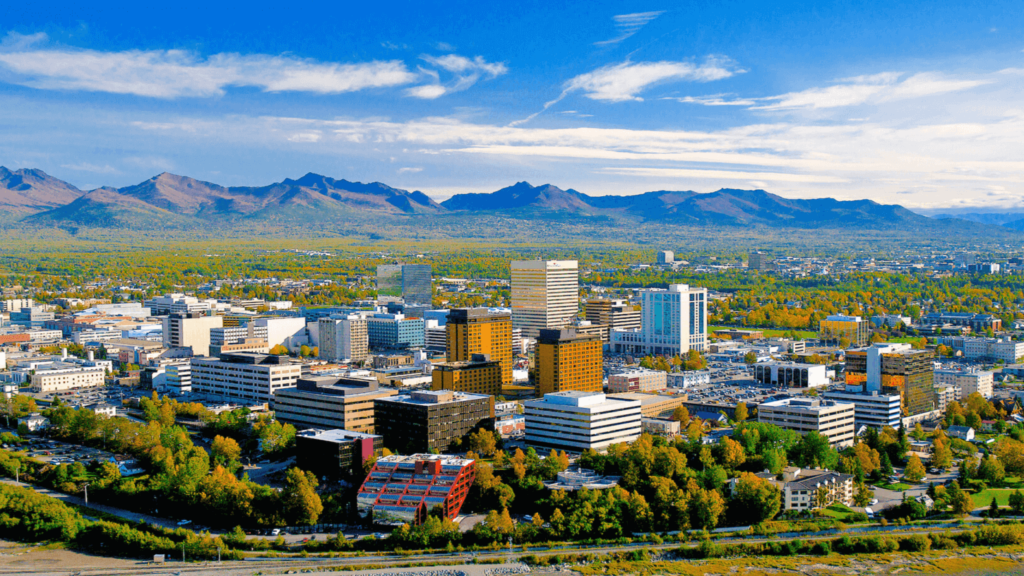
In essence, the population of Anchorage, Alaska, is a figure that encapsulates much more than just a headcount. It represents the vibrant, diverse, and dynamic community that forms the heart of Alaska’s northernmost metropolis. With close to 300,000 residents, Anchorage offers a unique blend of urban amenities and unparalleled access to the breathtaking wilderness that defines this extraordinary state. This population density shapes its character, fuels its economy, and enriches the experience of every visitor who arrives on its shores, ready to explore the wonders of Alaska.
LifeOutOfTheBox is a participant in the Amazon Services LLC Associates Program, an affiliate advertising program designed to provide a means for sites to earn advertising fees by advertising and linking to Amazon.com. Amazon, the Amazon logo, AmazonSupply, and the AmazonSupply logo are trademarks of Amazon.com, Inc. or its affiliates. As an Amazon Associate we earn affiliate commissions from qualifying purchases.