
Alaska, the “Last Frontier,” offers an unparalleled canvas for witnessing the celestial ballet of the Aurora Borealis. The magic of the Northern Lights, a spectacle of vibrant colors dancing across the polar night sky, draws travelers from across the globe. Understanding the optimal timing for this breathtaking experience is crucial for planning an unforgettable Alaskan adventure. This guide delves into the prime seasons, key months, and influencing factors that determine the best opportunities to behold this natural wonder in Alaska.
Understanding the Aurora Borealis Phenomenon
The Aurora Borealis is a natural light display in the Earth’s sky, predominantly seen in high-latitude regions. It is caused by disturbances in the magnetosphere caused by the solar wind. Solar wind is a stream of charged particles released from the upper atmosphere of the Sun. When these particles collide with atoms and molecules in Earth’s upper atmosphere, they excite them, causing them to emit light. The colors of the aurora depend on the type of gas particles that are collored and the altitude at which the collision occurs. Oxygen typically produces green and red light, while nitrogen creates blue and purple hues.

The Crucial Role of Darkness
For the aurora to be visible, the sky must be dark. This is the most fundamental requirement, overriding all other considerations. Therefore, the season in Alaska with the longest periods of darkness will inherently offer more opportunities to see the lights. This immediately points to the winter months. Summer in Alaska is characterized by the phenomenon of the “midnight sun” in many regions, where daylight can last for 18-20 hours or even 24 hours north of the Arctic Circle. During these periods of extended daylight, the sky is simply too bright to observe the relatively faint glow of the aurora, even if solar activity is high.
Geomagnetic Activity: The Fuel for the Fire
While darkness provides the stage, geomagnetic activity is the fuel that ignites the aurora. The intensity and frequency of the aurora are directly linked to solar activity. The sun has an approximately 11-year cycle of activity, with periods of high solar flares and coronal mass ejections (CMEs) resulting in more frequent and intense auroral displays. These CMEs send charged particles towards Earth, and when they interact with our planet’s magnetic field, they create the aurora. Therefore, tracking solar weather forecasts can significantly enhance your chances of seeing a spectacular show. Organizations like the Space Weather Prediction Center provide valuable data on geomagnetic activity.
The Prime Season for Aurora Viewing in Alaska
The most favorable time to witness the Aurora Borealis in Alaska is undoubtedly during the autumn and winter months, when the nights are long and dark. This period typically spans from late August through April.
Autumn: The Early Bird Gets the Aurora
While many associate the Northern Lights with deep winter, the aurora viewing season actually begins in late August. As the days start to shorten and the nights grow longer, the darkness required for viewing the aurora begins to return. Traveling to Alaska in late August or September offers a unique advantage: you can still experience some of the lingering autumn colors and enjoy outdoor activities during the day before the deep freeze of winter sets in. The weather in early autumn can also be more mild than in the heart of winter, making the experience more comfortable. September and October are excellent months for aurora hunters, offering a good balance of darkness and potentially clearer skies before the heavy snowfall of mid-winter.
Winter: The Peak of the Aurora Season
From November through March, Alaska experiences its longest and darkest nights, making this the peak season for aurora viewing. The extended periods of darkness, often exceeding 18 hours in many regions, provide ample opportunity to catch the aurora. The cold, crisp air of winter also tends to produce clearer skies, further enhancing visibility. January and February are often cited as the absolute best months due to the maximum duration of darkness and the likelihood of stable, cold weather. However, it’s important to be prepared for extreme cold conditions if traveling during these months.
Spring: The Lingering Glow
While the intensity of the aurora may begin to wane as daylight hours increase, the aurora viewing season can extend into April. By April, daylight hours are significantly increasing, but there are still enough dark hours, especially in the earlier parts of the month, to potentially witness the lights. This period can offer a less crowded experience than the peak winter months, and the snowpack may be melting, revealing the landscape. However, weather can be more unpredictable in spring, with potential for cloud cover.
Key Months and Considerations for Planning
When planning your trip to Alaska for aurora viewing, certain months stand out for their increased probability of success. Beyond simply choosing a season, understanding the interplay of darkness, weather, and solar activity will refine your planning.
The Best Months: September, October, January, and February
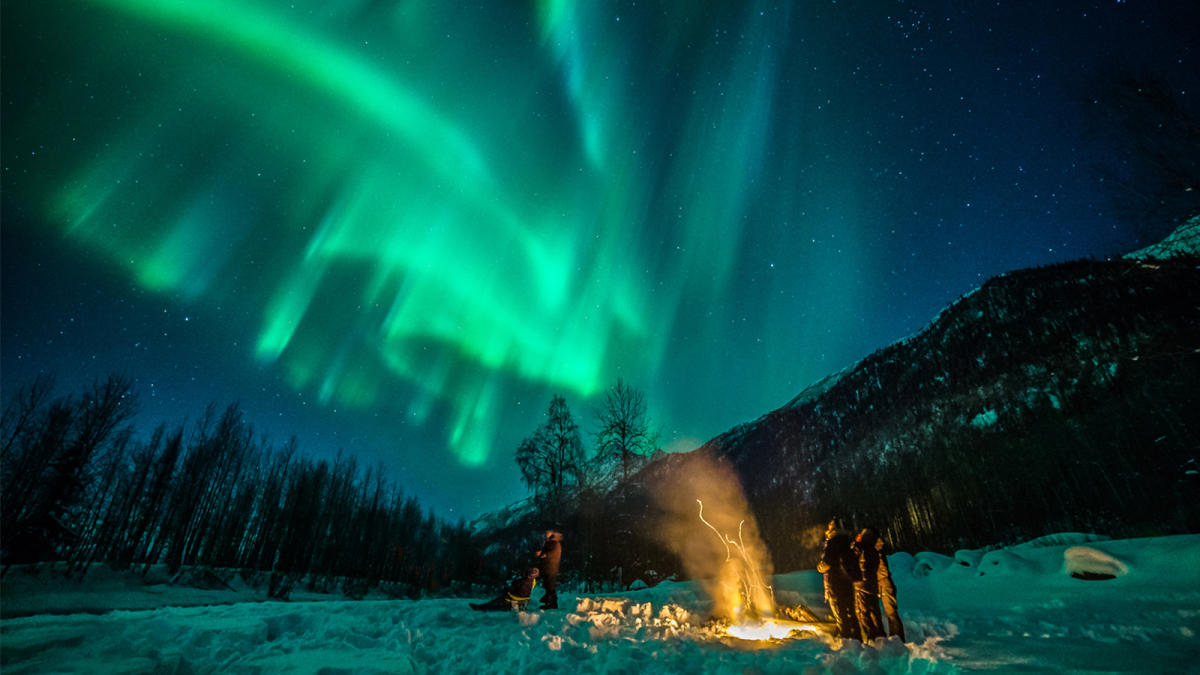
- September & October: These months offer a sweet spot. Daylight hours are decreasing, providing sufficient darkness, and the weather is often more manageable than in the deep winter. The fall colors can add an extra layer of beauty to your Alaskan experience.
- January & February: These are generally considered the prime months for seeing the aurora due to the longest nights and the highest probability of clear, cold skies. While the temperatures can be extreme, the reward is a significant increase in viewing opportunities.
Factors Influencing Visibility
- Moon Phase: While not as critical as darkness and solar activity, a full moon can wash out fainter auroral displays. For the best viewing of subtle auroras, consider planning your trip around the new moon phase.
- Cloud Cover: This is perhaps the most frustrating obstacle for aurora watchers. Even with strong geomagnetic activity and long nights, clouds can completely obscure the sky. Checking weather forecasts diligently is essential. Locations in interior Alaska, such as Fairbanks, are known for having statistically clearer skies than coastal regions due to being in a rain shadow.
- Light Pollution: To fully appreciate the aurora’s grandeur, it’s crucial to escape light pollution. Cities and towns, even smaller ones, emit light that can diminish the aurora’s visibility. Choosing accommodations or tour departure points away from populated areas is highly recommended.
Top Destinations in Alaska for Aurora Viewing
Alaska offers a variety of locations, each with its unique charm and advantages for aurora viewing. Some destinations are renowned for their accessibility, while others offer a more remote and pristine experience.
Fairbanks: The Aurora Capital of Alaska
Often dubbed the “Aurora Capital of Alaska,” Fairbanks is a premier destination for aurora enthusiasts. Its location at approximately 65 degrees latitude places it directly under the “auroral oval,” a band where auroral activity is most concentrated. Furthermore, Fairbanks benefits from a continental climate that often results in clear skies, especially during the winter months. The city offers numerous tour operators and lodges specializing in aurora viewing, providing guided excursions to prime viewing locations and comfortable accommodations to escape the cold.
Anchorage: A More Accessible Option
While Anchorage is Alaska’s largest city and thus has more light pollution, it is still a viable option for aurora viewing, particularly for those seeking easier access and a wider range of amenities. By driving just a short distance outside the city, away from the brightest lights, or by taking a guided tour, visitors can find darker skies. The Chugach National Forest offers nearby opportunities for darker viewing conditions.
Denali National Park: Majestic Landscapes and Aurora
For a truly awe-inspiring backdrop to the aurora, Denali National Park is an exceptional choice. Witnessing the Northern Lights above the majestic peaks of Denali (formerly Mount McKinley) is an unforgettable experience. While the park’s main road is closed to private vehicles in winter, guided tours and lodge stays offer access to some of the park’s most breathtaking vistas, providing dark skies for aurora viewing.
Other Notable Locations
- Coldfoot Camp: Located north of the Arctic Circle along the Dalton Highway, Coldfoot Camp offers a truly remote and immersive aurora experience. Its isolation guarantees minimal light pollution.
- Barrow (Utqiagvik): As Alaska’s northernmost city, Barrow (officially Utqiagvik) provides some of the longest periods of darkness and is situated in a prime location for aurora viewing.
Tips for Maximizing Your Aurora Experience
Seeing the Aurora Borealis is a magical experience, and with a little planning, you can significantly increase your chances of success and make the most of your Alaskan adventure.
Planning Your Trip
- Book in Advance: Aurora season, especially during the peak winter months, is popular. Book flights and accommodations well in advance to secure your preferred options.
- Stay Longer: The aurora is an unpredictable phenomenon. To maximize your chances, plan to stay for at least 3-5 nights. This gives you multiple opportunities to witness the lights, even if some nights are cloudy.
- Consider Guided Tours: Aurora tours are highly recommended, especially for first-time visitors. Experienced guides know the best viewing locations, monitor weather and solar activity, and often provide transportation and hot drinks. Many tours depart from cities like Fairbanks and Anchorage.
Preparing for the Conditions
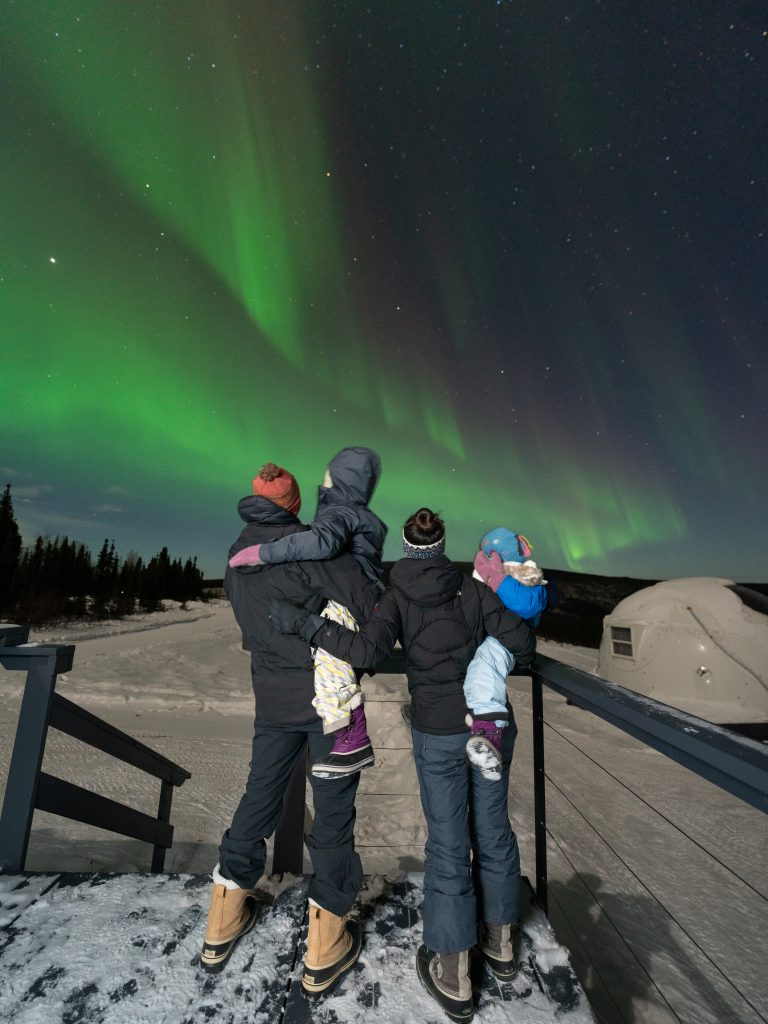
- Dress in Layers: Alaskan winters are famously cold. Dress in multiple layers of thermal clothing, including a warm base layer, insulating mid-layers, and a waterproof and windproof outer shell. Don’t forget a warm hat, gloves, and insulated boots.
- Bring a Tripod: For capturing stunning photographs of the aurora, a sturdy tripod is essential. It allows for long exposure shots, which are necessary to capture the faint light of the aurora.
- Camera Settings: Learn about your camera’s manual settings for low-light photography. Wide-angle lenses with a fast aperture (low f-stop) are ideal. Experiment with ISO, aperture, and shutter speed to achieve the best results.
- Stay Patient: The aurora can appear at any time during the dark hours. Be prepared to wait, sometimes for extended periods, and stay patient. The reward is well worth the wait.
- Check Aurora Forecasts: Utilize aurora forecast websites and apps to monitor the Kp-index, which indicates geomagnetic activity. A higher Kp-index suggests a stronger and more visible aurora.
By understanding the optimal seasons, key months, and important considerations, travelers can embark on an unforgettable journey to Alaska to witness the mesmerizing spectacle of the Northern Lights. The adventure of chasing the aurora is as much about the journey as it is about the celestial reward.
LifeOutOfTheBox is a participant in the Amazon Services LLC Associates Program, an affiliate advertising program designed to provide a means for sites to earn advertising fees by advertising and linking to Amazon.com. Amazon, the Amazon logo, AmazonSupply, and the AmazonSupply logo are trademarks of Amazon.com, Inc. or its affiliates. As an Amazon Associate we earn affiliate commissions from qualifying purchases.