
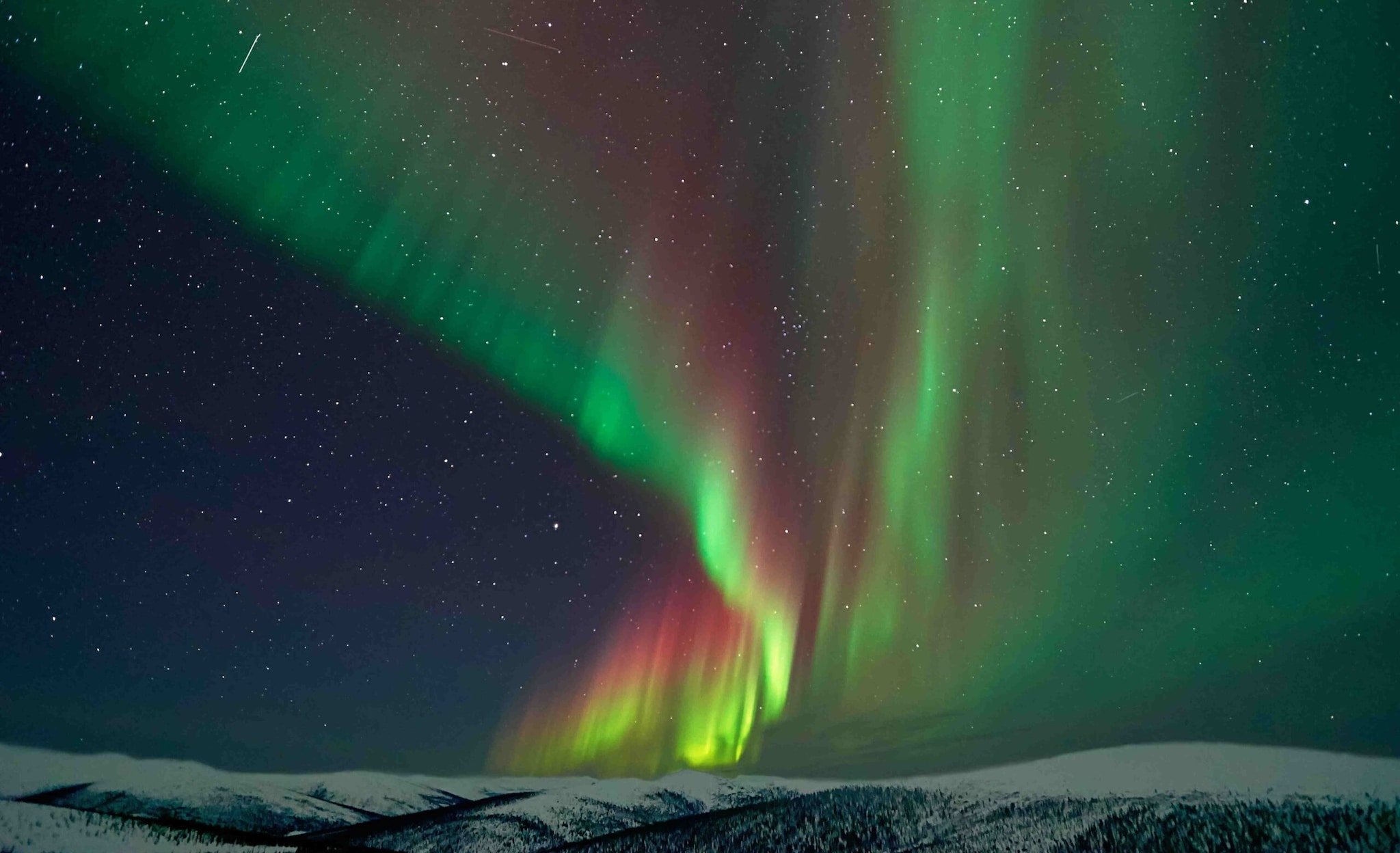
The allure of the Aurora Borealis, the celestial ballet of light that dances across the night sky, draws countless travelers to the far north each year. Among the premier destinations for witnessing this natural spectacle is Alaska, a vast and wild state offering unparalleled opportunities for aurora viewing. For those planning a trip in 2024, understanding the optimal times to witness the Northern Lights is crucial for maximizing your chances of a breathtaking experience. Alaska’s geographic position, coupled with atmospheric conditions, dictates when these ethereal displays are most likely to grace the heavens.
Understanding Aurora Season in Alaska
The Northern Lights are a year-round phenomenon, but their visibility is heavily dependent on darkness. During the summer months in Alaska, the extended daylight hours, including the midnight sun in some regions, render the aurora invisible. Therefore, the aurora season is intrinsically linked to the period of darkness.
The Prime Viewing Months
The most favorable period for viewing the Northern Lights in Alaska typically spans from late August through April. Within this broad window, certain months often offer a higher probability of clear skies and intense auroral activity.
- September to March: This nine-month stretch is considered the core aurora season. As the nights lengthen and the skies darken, the aurora becomes increasingly visible.
- October, November, and February: These months are frequently highlighted as being particularly excellent for aurora viewing. By October, the nights are significantly dark across most of the state. November offers consistent darkness, though the weather can become more challenging. February often sees a resurgence in auroral activity after the deepest part of winter, and the snowpack can provide a beautiful, contrasting canvas for the lights.
The Importance of Darkness
The intensity of the aurora is measured by its brightness, but its visibility is fundamentally a matter of contrast against the dark sky. On moonless nights, even a moderately active aurora can be strikingly vibrant. Conversely, a very active display might be diminished by a full moon. Therefore, planning your trip around the lunar cycle can also enhance your viewing experience, with new moon phases generally being more advantageous.
Factors Influencing Aurora Visibility
While the aurora season provides the necessary conditions for the lights to be present, several other factors play a significant role in determining whether you will actually see them on any given night.
Solar Activity
The Northern Lights are a direct result of solar wind, a stream of charged particles emitted by the Sun, interacting with Earth’s magnetosphere. The intensity and frequency of these interactions are driven by solar activity.
- Geomagnetic Storms: Periods of heightened solar activity, known as geomagnetic storms, can lead to more powerful and widespread auroral displays. These storms are often predicted, and monitoring solar weather forecasts can provide valuable insight into potential viewing opportunities.
- The Solar Cycle: The Sun operates on an approximately 11-year cycle of activity. While the peak of the current solar cycle is anticipated around 2024-2025, the aurora can be seen throughout the cycle. Even during periods of lower solar activity, strong displays can still occur.
Weather Conditions
Perhaps the most critical factor for terrestrial aurora viewing is clear skies. Clouds are the aurora hunter’s greatest adversary. Even if the aurora is intensely active overhead, a thick cloud cover will completely obscure the view.
- Winter Months (December-February): While these months offer the longest periods of darkness, they also come with the highest likelihood of significant snowfall and cloud cover, particularly in coastal and interior regions.
- Shoulder Seasons (Late August-September and March-April): These periods can offer a beneficial balance. The nights are dark enough for good viewing, and the weather may be more stable and less prone to prolonged cloudiness compared to the mid-winter months. The early autumn offers the added benefit of still-accessible hiking trails and more moderate temperatures.
Location within Alaska
Alaska is a vast state, and its location relative to the auroral oval—an oval-shaped zone around the magnetic poles where auroral activity is most concentrated—influences viewing potential.
- Northern Alaska: Cities like Fairbanks are situated directly beneath the auroral oval, making them exceptionally well-positioned for aurora viewing. The interior of Alaska generally experiences less coastal fog and more consistently clear, cold nights.
- Southern Alaska: While still a fantastic destination, areas closer to the coast, such as Juneau, might experience more cloud cover due to maritime weather patterns. However, clear nights in these regions can still yield spectacular views.
- Remote Wilderness: Venturing further from city lights into remote wilderness areas, such as those near Denali National Park and Preserve, offers the advantage of minimal light pollution, which significantly enhances the visibility of fainter auroral displays.
Best Locations for Aurora Viewing in Alaska 2024
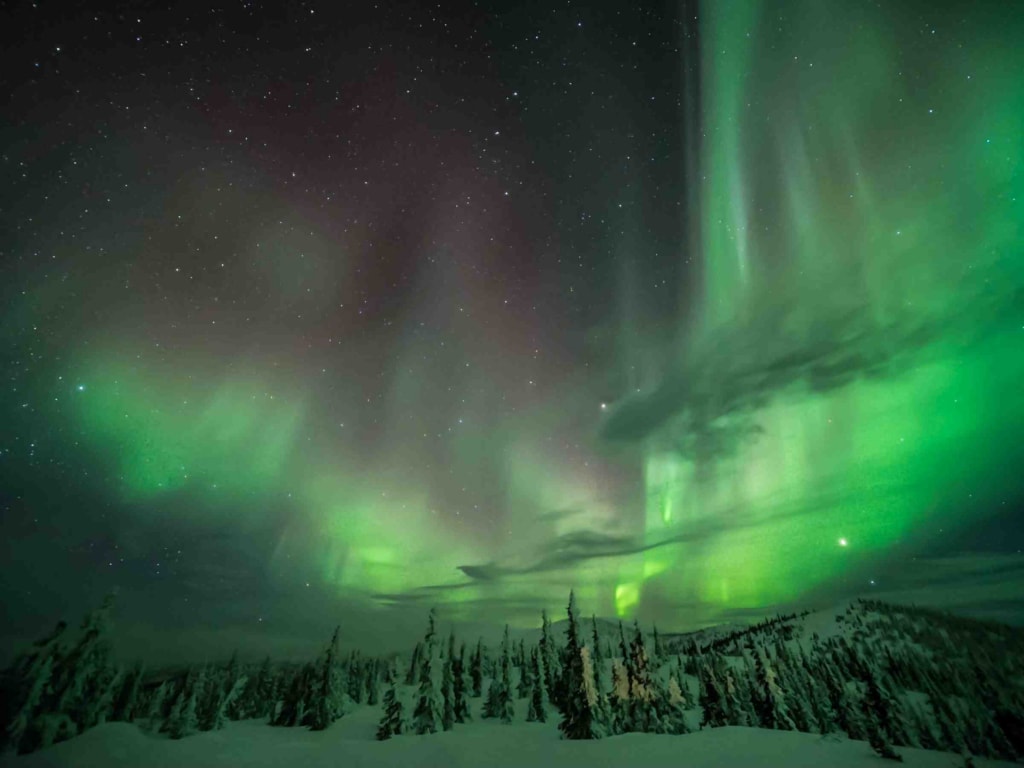
Choosing the right location is paramount to a successful aurora hunting expedition. Several destinations in Alaska are renowned for their aurora viewing potential and offer a range of experiences to complement the celestial pursuit.
Fairbanks: The Aurora Capital
Fairbanks is widely recognized as one of the best places in the world to see the Northern Lights. Its strategic location under the auroral oval, combined with its relatively dry interior climate, results in a high number of clear nights.
- Aurora Viewing Tours: Numerous operators in Fairbanks offer guided aurora tours. These often involve transportation to prime viewing locations away from city lights, such as Chena Hot Springs Resort or remote viewing lodges. Some tours may include warm beverages, snacks, and educational information about the aurora.
- Self-Drive Options: For independent travelers, renting a car and driving a short distance outside of Fairbanks to areas like Creamer’s Field Migratory Waterfowl Refuge or along the Steese Highway can provide excellent viewing opportunities.
Anchorage: Accessibility and Aurora
While Anchorage, Alaska’s largest city, is further south of the prime auroral oval, it still offers opportunities to witness the Northern Lights, especially during periods of strong solar activity.
- Chugach State Park: Just outside of Anchorage, this expansive park provides dark skies away from the city’s light pollution. Areas like Glen Alps Trailhead or even driving up the Seward Highway for better vantage points can be effective.
- Day Trips to Fairbanks: For those basing themselves in Anchorage with a strong desire to maximize aurora viewing, a short flight to Fairbanks for a couple of nights can significantly increase the odds.
Other Notable Destinations
Beyond Fairbanks and Anchorage, several other locations in Alaska offer unique aurora experiences.
- Coldfoot Camp: Located above the Arctic Circle along the Dalton Highway, Coldfoot provides an authentic wilderness experience and exceptionally dark skies. Reaching it requires a significant commitment to travel, often involving a guided tour.
- Barrow (Utqiaġvik): As the northernmost community in the United States, Barrow experiences polar night in winter, meaning extended periods of darkness. This makes it a prime location for aurora viewing, though access is typically by air.
- Talkeetna: This quirky historic town offers stunning views of Denali on clear days and provides a good base for aurora viewing, especially in the shoulder seasons.
Planning Your 2024 Alaska Aurora Trip
A successful aurora trip requires more than just luck; it demands careful planning and a flexible mindset.
When to Book Your Trip
- Peak Season (October-February): For the longest periods of darkness and the highest chance of experiencing the aurora, aim for these months. Be prepared for colder temperatures and potentially challenging weather.
- Shoulder Seasons (Late August-September and March-April): These periods offer a good compromise between darkness, more manageable weather, and fewer crowds. The autumn offers vibrant fall colors, while spring can bring snow-dependent activities.
Essential Gear and Preparations
- Warm Clothing: Alaska in winter is incredibly cold. Layering is key. Invest in thermal base layers, insulated mid-layers, and a waterproof/windproof outer shell. Don’t forget warm hats, gloves, scarves, and insulated boots.
- Camera Equipment: To capture the aurora, you’ll need a camera with manual settings, a sturdy tripod, and a wide-angle lens with a fast aperture (f/2.8 or lower is ideal). Familiarize yourself with long-exposure photography techniques before your trip.
- Patience and Flexibility: The aurora is a natural phenomenon, and sightings are never guaranteed. Be prepared to spend several nights aurora hunting and have alternative activities planned for cloudy or less active nights.
- Aurora Forecasts: Utilize aurora forecast websites and apps. These provide predictions for auroral activity and solar wind speed, helping you gauge the likelihood of a sighting.
Activities to Complement Your Aurora Hunt
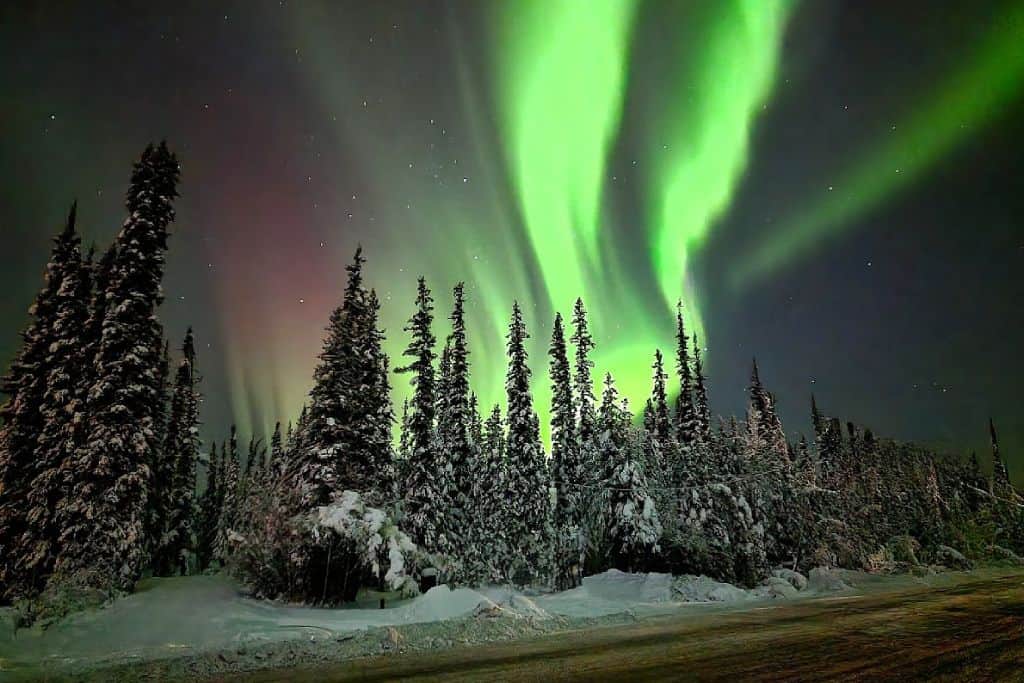
While the Northern Lights are the main draw, Alaska offers a wealth of other experiences to enrich your 2024 adventure.
- Winter Activities: Consider dog sledding, snowmobiling, ice fishing, cross-country skiing, or taking a scenic flight over glaciers.
- Wildlife Viewing: Depending on the season, you might spot moose, caribou, Dall sheep, or even bears.
- Cultural Experiences: Explore Alaska Native culture through museums, cultural centers, and local art.
- Hot Springs: Relax in the soothing waters of natural hot springs, such as those at Chena Hot Springs Resort, which can be a perfect way to warm up after a night of aurora watching.
By carefully considering the timing, location, and other influencing factors, you can significantly increase your chances of witnessing the mesmerizing Northern Lights in Alaska during 2024. The magic of the aurora is a reward that makes the journey to the Last Frontier an unforgettable travel experience.
LifeOutOfTheBox is a participant in the Amazon Services LLC Associates Program, an affiliate advertising program designed to provide a means for sites to earn advertising fees by advertising and linking to Amazon.com. Amazon, the Amazon logo, AmazonSupply, and the AmazonSupply logo are trademarks of Amazon.com, Inc. or its affiliates. As an Amazon Associate we earn affiliate commissions from qualifying purchases.