
Alaska, a land of unparalleled natural beauty and extreme phenomena, presents a unique spectacle as the sun dictates its presence. The question “When Does Alaska Get Dark?” is not a simple one, as Alaska’s vastness spans multiple time zones and stretches across the Arctic Circle, leading to dramatic variations in daylight. Understanding these cycles is crucial for anyone planning a trip to the Last Frontier, whether seeking the ethereal glow of the Northern Lights or the extended daylight hours for exploring its rugged landscapes.
The Dance of Daylight: Alaska’s Seasonal Extremes
Alaska’s proximity to the North Pole means it experiences significant seasonal shifts in daylight. During the summer solstice around June 21st, areas north of the Arctic Circle witness the phenomenon of the midnight sun, where the sun never sets. Conversely, the winter solstice, around December 21st, brings the polar night, where daylight can be absent for extended periods in the northernmost regions. This dramatic interplay of light and darkness shapes not only the environment but also the human experience in Alaska, influencing everything from wildlife behavior to travel logistics.
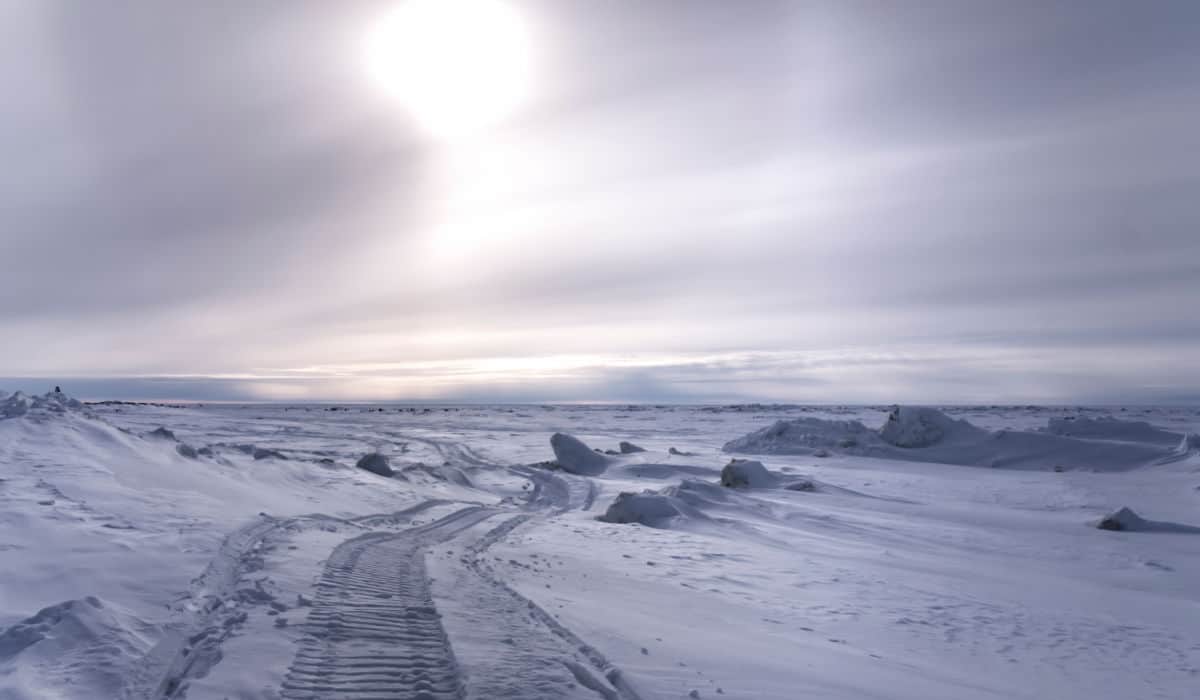
The Midnight Sun: A Summer Spectacle
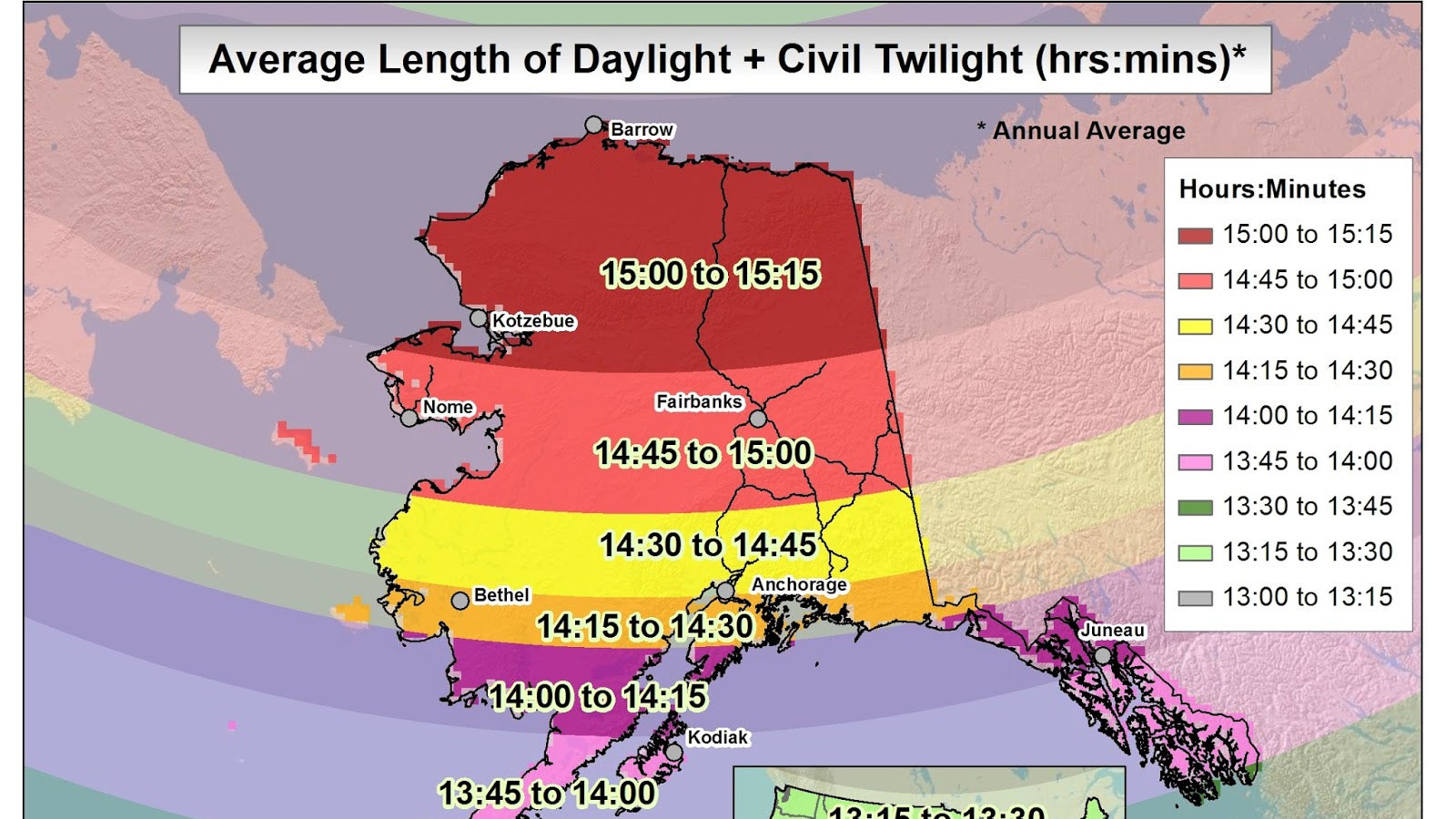
In cities like Fairbanks and further north, the summer months offer an astonishing abundance of daylight. For weeks, the sun hovers near the horizon, casting a soft, golden light even at midnight. This extended daylight is a boon for travelers eager to maximize their exploration time. Hiking trails remain accessible, scenic drives can be enjoyed late into the evening, and boat tours can operate under a perpetual twilight. The air thrums with a unique energy as residents and visitors alike take advantage of the near-endless opportunities to be outdoors. However, even in these regions, the sun does technically dip below the horizon for a few hours, creating a twilight rather than full darkness. The further south one travels in Alaska, such as to Anchorage or Juneau, the more conventional the daylight hours become, though still longer than in much of the contiguous United States during summer.
The Polar Night: Embracing the Darkness
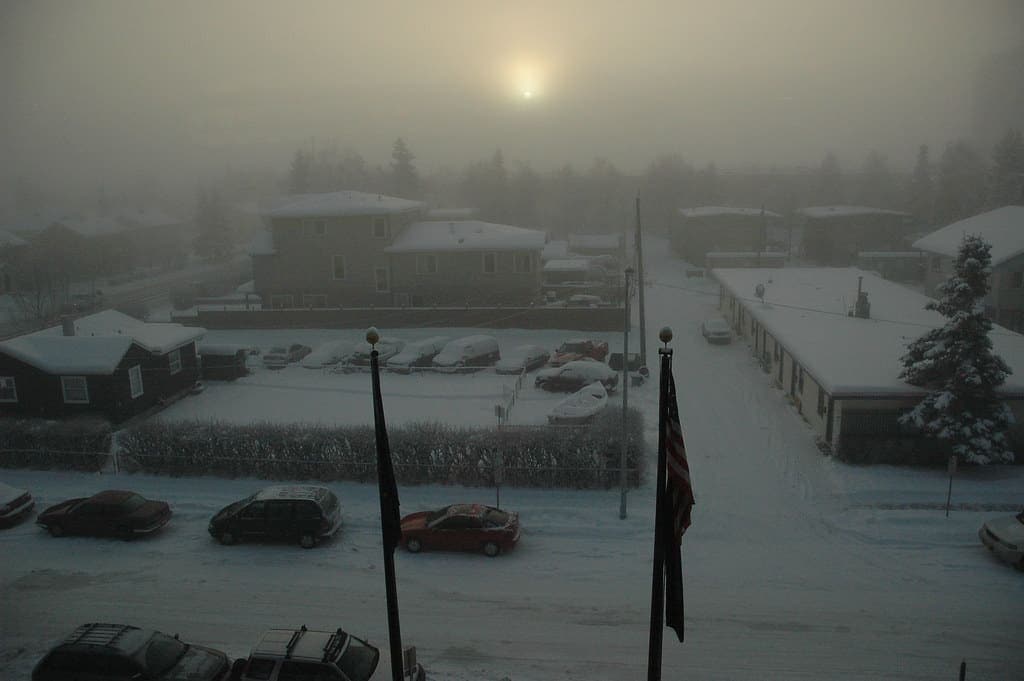
As autumn progresses and winter descends, the opposite extreme takes hold. In Utqiagvik, formerly Barrow, the northernmost city in the United States, the sun may not rise for over two months. This period, known as the polar night, can be challenging for those unaccustomed to such extended darkness. However, for many, it’s a magical time, offering a unique opportunity to witness the breathtaking spectacle of the Aurora Borealis. The absence of natural light pollution makes the night sky exceptionally clear, allowing the celestial dance of the Northern Lights to unfold in all its glory. Communities adapt to the darkness with festive events, indoor activities, and a heightened appreciation for the warmth and light of their homes. Even in more populated southern areas like Anchorage, winter days are significantly shorter, with sunrise occurring late and sunset early, necessitating the use of artificial lighting for much of the day.
Navigating Alaska’s Light: A Traveler’s Guide
Understanding Alaska’s daylight patterns is not merely an academic exercise; it’s a practical necessity for planning a successful trip. The time of year you choose to visit will profoundly impact the amount of daylight you experience and, consequently, the activities available to you.
Peak Seasons and Their Light Conditions
The most popular times to visit Alaska often align with periods of abundant daylight.
- Summer (May to August): This is the prime season for experiencing the midnight sun in northern Alaska and enjoying long, bright days throughout the state. This is ideal for outdoor adventures like hiking in Denali National Park and Preserve, kayaking along the coast, or exploring Glacier Bay National Park and Preserve. The extended daylight allows for a more leisurely pace and the opportunity to fit more into each day.
- Autumn (September to October): As the days begin to shorten, Alaska transforms into a canvas of vibrant fall colors. While daylight hours decrease, they are still substantial enough for many activities, and this season offers a unique beauty and fewer crowds. It’s also a prime time for viewing the aurora, as the nights grow longer and darker.
- Winter (November to March): This is the season of extended darkness and the polar night in the far north. However, for those seeking the aurora, winter is unparalleled. Activities shift to those suited for snow and ice, such as dog sledding, skiing, and ice fishing. Even in the shorter daylight hours, the stark beauty of the snow-covered landscapes is captivating.
- Spring (April): Spring in Alaska is a transition period. While some areas might still be covered in snow, others begin to thaw, and daylight hours start to increase rapidly. It’s a less predictable time for weather but can offer a unique perspective on the state’s awakening from winter.
Planning Your Itinerary Based on Daylight
When booking your travel, consider the primary activities you wish to pursue.
- For maximum outdoor exploration and scenic drives: Aim for the summer months. You’ll have the longest days to immerse yourself in Alaska’s vast wilderness. This is particularly true if you plan to visit regions like Seward or explore the Kenai Peninsula.
- For witnessing the Northern Lights: Plan your visit between late August and April. The darker skies of autumn and winter provide the best conditions for aurora viewing. Even in Talkeetna, a popular aurora-viewing destination, the extended nights are crucial.
- For experiencing both long days and the potential for aurora: Consider the shoulder seasons of late August to September or March to April, where you might get a balance of diminishing or increasing daylight and longer, darker nights.
Beyond the Equinox: Factors Influencing Alaska’s Darkness
While latitude is the primary determinant of daylight hours, other factors can subtly influence the perception and experience of darkness in Alaska.
Time Zones and Geographic Spread
Alaska is a geographically immense state, and its daylight experience is further complicated by its time zones. The majority of the state observes Alaska Standard Time (AKST), which is UTC-9. However, some westernmost Aleutian Islands observe Hawaii-Aleutian Standard Time (HST), which is UTC-10. This difference, while seemingly small, can add another layer to understanding when the sun will rise or set in specific locations. For instance, a destination in the western Aleutians will experience twilight slightly later than a comparable latitude in mainland Alaska.
Topography and Atmospheric Conditions
The dramatic mountainous terrain of Alaska, particularly in areas like the Chugach Mountains or the Brooks Range, can create localized variations in daylight. Valleys may experience earlier sunsets and later sunrises than surrounding peaks, casting their own shadows and influencing the perceived duration of daylight. Furthermore, atmospheric conditions, such as cloud cover or fog, can dramatically alter the intensity and apparent duration of daylight. A sunny day with clear skies will feel significantly brighter and longer than a heavily overcast day, even if the sun’s position in the sky is technically the same.
Embracing the Alaskan Light: Tips for Travelers
Whether you’re chasing the midnight sun or the aurora, embracing Alaska’s unique light cycles will enhance your travel experience.
Adapting to the Light
- For Midnight Sun: Bring a good sleep mask. The constant daylight can disrupt sleep patterns, so investing in a comfortable mask is highly recommended for hotels and accommodations. Consider scheduling intense outdoor activities for what would typically be “evening” hours.
- For Polar Night: Pack warm clothing and embrace the darkness. This is an opportunity to experience a different pace of life. Indoor activities, cozy lodges, and the pursuit of the aurora become central. Utilize headlamps or flashlights for any necessary navigation in the dark.
- For Shoulder Seasons: Be prepared for rapidly changing conditions. Pack layers and be flexible with your itinerary. The beauty of these seasons often lies in their transitional nature.
Photography and Capturing the Light
Alaska’s light conditions offer incredible photographic opportunities.
- Midnight Sun: The soft, extended golden hour light is perfect for landscapes and wildlife photography. Experiment with long exposures during twilight for ethereal shots.
- Aurora Borealis: A tripod, a wide-angle lens, and a camera capable of manual settings are essential for capturing the aurora. Patience is key, as is understanding the aurora forecast.
- Winter: The stark contrast of snow and shadow, coupled with the crisp winter light, creates dramatic photographic possibilities. Be sure to protect your camera from the cold.
Ultimately, the question “When Does Alaska Get Dark?” is a gateway to understanding the profound and awe-inspiring natural rhythms that define this extraordinary destination. From the endless days of summer to the deep nights of winter, Alaska offers a compelling and unforgettable experience for every traveler who seeks to witness its light and shadow.
LifeOutOfTheBox is a participant in the Amazon Services LLC Associates Program, an affiliate advertising program designed to provide a means for sites to earn advertising fees by advertising and linking to Amazon.com. Amazon, the Amazon logo, AmazonSupply, and the AmazonSupply logo are trademarks of Amazon.com, Inc. or its affiliates. As an Amazon Associate we earn affiliate commissions from qualifying purchases.