
Alaska’s pristine waters are renowned for their abundant and diverse marine life, and among its most prized catches is the magnificent King Crab. These colossal crustaceans, particularly the Red King Crab, are a delicacy savored worldwide. For the discerning traveler eager to experience the authentic flavors of Alaska, understanding the seasonality of king crab is crucial. This guide delves into the intricacies of king crab season in the Last Frontier, offering insights into when to plan your culinary adventures and what to expect.
The pursuit of king crab is not merely a gastronomic endeavor; it’s deeply intertwined with the local culture and economy of Alaska. Commercial fishing for king crab is a highly regulated industry, with seasons carefully managed to ensure sustainability and to maximize the quality of the catch. These regulations, set forth by bodies like the Alaska Department of Fish and Game, dictate when fishing vessels can head out to sea, the gear they can use, and the specific areas where they can operate. For tourists, this translates into specific windows of opportunity to savor the freshest, most flavorful king crab.
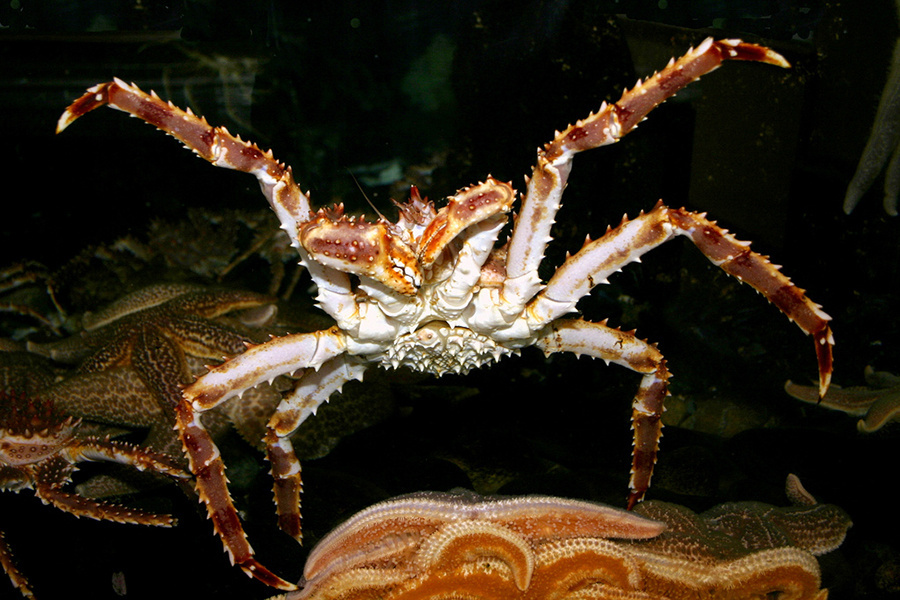
Understanding Alaska’s King Crab Fisheries
Alaska is home to several species of king crab, each with its own unique habitat and fishing season. The most sought-after and iconic is the Red King Crab, primarily found in the waters of the Bering Sea and around the Aleutian Islands. Other notable species include the Golden King Crab and the Blue King Crab, which inhabit different regions and have distinct fishing schedules.
The management of these fisheries is a complex process, influenced by scientific stock assessments, environmental conditions, and economic factors. The goal is to strike a balance between providing commercial fishing opportunities and preserving the health of crab populations for future generations. This meticulous management ensures that when you enjoy king crab in Alaska, you are supporting a sustainable and responsible industry.
The Red King Crab Season
The star of the king crab world, the Red King Crab, typically sees its commercial fishing season open in late October and run through the winter months, often concluding by mid-January. This timing is strategic, allowing for the crabs to be harvested when they are at their peak of maturity and fullness. The most significant fishing grounds for Red King Crab are found in the vast expanse of the Bering Sea, with Dutch Harbor serving as a major hub for this lucrative fishery.
The opening of the Red King Crab season is a highly anticipated event for both the fishing fleet and seafood enthusiasts. The conditions in the Bering Sea during winter can be notoriously harsh, with fierce storms and freezing temperatures posing significant challenges for the fishermen. This arduous work contributes to the premium price and esteemed reputation of Alaskan king crab.
Other King Crab Species and Their Seasons
While the Red King Crab often garners the most attention, Alaska is also home to other valuable king crab species with their own distinct fishing periods.
-
Golden King Crab: Found in deeper waters, often in the western Aleutian Islands and along the outer coast of the Alaska Peninsula, the Golden King Crab season can vary. These crabs are typically harvested year-round, with specific management areas and quotas dictating the precise fishing windows. Their meat is known for its delicate, sweet flavor and firm texture, often compared to lobster.
-
Blue King Crab: These crabs are less commercially abundant than their red counterparts and are found in more restricted areas, such as the waters around the Pribilof Islands and the western Aleutian Islands. The fishing season for Blue King Crab is often shorter and more narrowly defined, reflecting their smaller population size and the need for stringent conservation measures. When available, they offer a unique tasting experience for those seeking to explore the full spectrum of Alaskan crab.
The exact opening and closing dates for any given season are announced annually by the Alaska Department of Fish and Game after careful assessment of crab stocks. These announcements are critical for the fishing fleet and the seafood industry.
Planning Your Culinary Trip to Alaska
For travelers whose primary motivation for visiting Alaska is to indulge in fresh king crab, timing your visit to coincide with the peak season is paramount. While king crab is available year-round in many restaurants due to freezing and storage capabilities, experiencing it fresh from the ocean during its active fishing season offers an unparalleled culinary journey.
The main Red King Crab season, running from late October to January, makes it an ideal destination for a festive winter getaway or an early spring culinary adventure. Imagine savoring a succulent king crab leg after a day of exploring the winter wonderland of Alaska, perhaps in a cozy lodge in Anchorage or a charming seaside town like Seward.
Where to Experience Fresh King Crab
Several cities and regions in Alaska are renowned for their access to fresh king crab.
-
Dutch Harbor/Unalaska: As the epicenter of the Bering Sea Red King Crab fishery, Dutch Harbor offers the most direct connection to the source. While a remote destination, experiencing the bustling port during the season is a unique insight into the fishing industry. Many local eateries and seafood markets here offer incredibly fresh crab.
-
Kodiak: Known as the “Crab Capital of the World,” Kodiak Island has a rich history of king crab fishing. During the season, restaurants on Kodiak serve some of the freshest crab available, often caught just a day or two before.
-
Homer: Located on the southern tip of the Kenai Peninsula, Homer is another excellent destination for seafood lovers. Its vibrant fishing harbor and numerous restaurants provide ample opportunities to enjoy locally caught king crab, especially during the winter months when the Red King Crab season is active.

- Juneau: While Southeast Alaska is more famous for its salmon, the capital city of Juneau has a robust culinary scene that features king crab when it’s in season, often brought in from other regions.
When visiting during the off-season, do not despair. Many restaurants maintain excellent relationships with fishermen and processors, ensuring that high-quality frozen king crab, which is flash-frozen at sea, is readily available. This process locks in the freshness and flavor, making it a delicious alternative.
The King Crab Experience: From Sea to Table
The journey of Alaskan king crab from the icy depths of the Pacific Ocean to your plate is a testament to the hard work of the fishermen and the strict quality standards of the industry. Understanding this process can enhance your appreciation for this culinary treasure.
Harvesting and Processing
King crab are caught using large pots that are lowered to the ocean floor. These pots are designed to be selective, minimizing bycatch and ensuring the health of the marine ecosystem. Once the pots are hauled aboard, the crabs are carefully sorted. Only mature males of legal size are kept, adhering to strict conservation quotas.
The crabs are then transported to processing plants, often located in port towns like Dutch Harbor or Kodiak. Here, they are cooked, and their prized legs and claws are often frozen immediately to preserve their pristine quality. This flash-freezing process is a critical step in delivering the best possible product to consumers, whether they are in Alaska or across the globe.
Culinary Delights
The sweet, succulent meat of Alaskan king crab is best enjoyed with minimal adornment, allowing its natural flavor to shine. Simple preparations like steaming or boiling, often served with melted butter, are traditional and highly recommended.
Beyond the classic preparation, king crab can be featured in a variety of dishes:
- Crab Legs: The most iconic way to enjoy king crab, simply steamed or boiled and served with drawn butter.
- Crab Cakes: Made with generous amounts of crab meat, often found in upscale restaurants in cities like Anchorage or Juneau.
- Crab Bisque: A rich and creamy soup showcasing the sweet flavor of crab.
- Crab Louie Salad: A classic seafood salad featuring king crab, lettuce, tomato, and a tangy dressing, a popular item in many Alaskan restaurants.
When dining in Alaska during the season, be sure to ask your server about the origin of the crab. Many establishments pride themselves on sourcing local and freshly caught seafood. This connection to the source further elevates the dining experience, making your pursuit of king crab a truly memorable part of your Alaskan adventure.
Beyond the Season: Enjoying King Crab Year-Round
While experiencing king crab during its active commercial fishing season offers the ultimate freshness, the bounty of Alaska can be savored throughout the year. The rigorous processing and freezing techniques employed by the Alaskan seafood industry ensure that the quality and flavor are remarkably preserved.
Frozen King Crab: A Worthy Alternative
Flash-frozen king crab at sea is a staple in many of the finest restaurants and seafood markets worldwide. When you purchase or order king crab outside of the active season, it is highly likely to be this high-quality frozen product. The key is to ensure that it was frozen quickly after being caught, which minimizes ice crystal formation and maintains the integrity of the crab meat.
Many visitors to Alaska during the summer months or other times outside the Red King Crab season can still enjoy this delicacy. Restaurants in major tourist hubs like Anchorage, Fairbanks, and Juneau consistently offer king crab dishes made from premium frozen product.

Understanding Crab Availability and Pricing
The availability and price of king crab are subject to several factors, including the success of the fishing season, global demand, and processing costs. During the peak Red King Crab season, when supply is highest, prices might be more stable. However, due to the challenging nature of the fishery and the high demand, Alaskan king crab remains a premium product year-round.
When planning your trip and your dining budget, keep in mind that king crab is a luxury item. However, the unparalleled taste and the connection to the wild, pristine waters of Alaska make it a worthwhile indulgence for any culinary traveler.
For those interested in taking some of Alaska’s famed seafood home, many local markets offer vacuum-sealed frozen king crab legs and claws that can be safely transported. This allows you to extend your Alaskan culinary experience long after your journey has concluded.
In essence, whether you time your visit specifically for the king crab season or enjoy it as a year-round delicacy, the experience of savoring Alaskan king crab is an integral part of any food-focused trip to Alaska. It is a taste of the wild, a testament to sustainable fishing practices, and a true highlight of the region’s rich gastronomic landscape.
LifeOutOfTheBox is a participant in the Amazon Services LLC Associates Program, an affiliate advertising program designed to provide a means for sites to earn advertising fees by advertising and linking to Amazon.com. Amazon, the Amazon logo, AmazonSupply, and the AmazonSupply logo are trademarks of Amazon.com, Inc. or its affiliates. As an Amazon Associate we earn affiliate commissions from qualifying purchases.