
Alaska, the Last Frontier, evokes images of vast, untamed wilderness, towering glaciers, and the ethereal glow of the Northern Lights. While winter in Alaska holds a certain dramatic allure, it is the vibrant, sun-drenched summer that truly beckons travelers seeking unparalleled adventures and breathtaking natural spectacles. Understanding when this ephemeral season arrives is crucial for planning an unforgettable journey to this magnificent state. Alaska’s summer is not a monolithic period; it’s a gradual unfolding, marked by distinct characteristics that vary with latitude and proximity to the coast.
The Calendar of Alaskan Summer
Unlike the more predictable summer months in the contiguous United States, Alaska’s summer is a nuanced affair. The season is largely dictated by the melting of snow and ice, the return of migratory wildlife, and the remarkable phenomenon of the midnight sun.
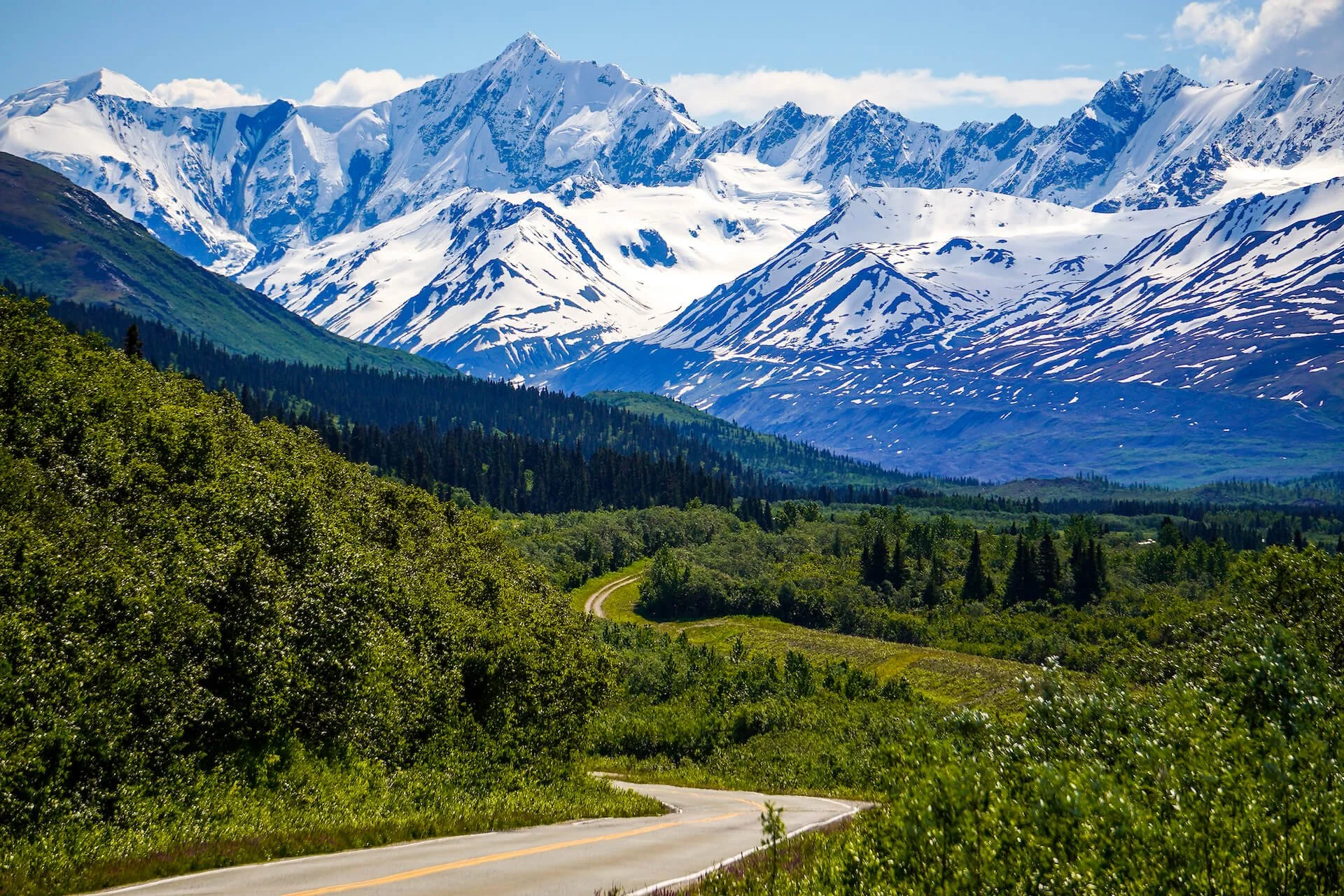
Spring Thaw and the Dawn of Summer
The transition from winter to summer in Alaska is a protracted process. While many associate summer with June, the true arrival is often felt earlier, particularly in the southern regions.
May: A Gradual Awakening
May marks the true beginning of the warmer months for much of Alaska. Snow begins to recede significantly, especially at lower elevations. Rivers and lakes, previously frozen, start to thaw, signaling the return of boating and fishing opportunities. For many Alaskans, May is a period of intense outdoor activity as they shake off the long winter. Wildflowers begin to bloom, adding splashes of color to the awakening landscape. Daylight hours extend dramatically, and while the midnight sun isn’t yet at its peak, the evenings remain remarkably light. Coastal areas, influenced by the Pacific Ocean, tend to warm up sooner and experience milder conditions than the interior. Cities like Juneau and Ketchikan begin to buzz with activity as cruise ships arrive, bringing a surge of visitors eager to explore the Inside Passage.
June: The Heart of the Season
June is unequivocally summer in Alaska for most of the state. The weather is typically at its warmest, with average temperatures ranging from the 50s to the 70s Fahrenheit (10-20s Celsius), though interior regions can experience hotter days. This is when the state truly comes alive with outdoor recreation. Hiking trails become accessible, wildlife viewing opportunities abound, and festivals and events pop up in towns and cities across Alaska. The most striking characteristic of June, particularly north of the Arctic Circle, is the midnight sun. For several weeks around the summer solstice (around June 21st), the sun doesn’t set, offering nearly 24 hours of daylight. This phenomenon is a surreal and unforgettable experience, allowing for extended exploration and photography. Even in areas south of the Arctic Circle, daylight hours are incredibly long, often exceeding 18-19 hours.
July: Sustained Warmth and Abundant Life
July continues the zenith of Alaskan summer. The weather remains pleasant, often providing the warmest days of the year. The flora is in full bloom, and the wildlife is highly active, with bears foraging for berries, moose calves growing rapidly, and various bird species in their breeding plumage. This is an ideal month for activities like glacier trekking, kayaking, white-water rafting, and exploring national parks such as Denali National Park and Preserve. The salmon runs begin in earnest, drawing both anglers and marine predators like orcas and sea lions to the coastal waters. For travelers looking to experience the full spectrum of Alaskan summer—from the bustling activity in towns to the serene beauty of its natural landscapes—July is a prime choice.
The Gradual Descent: August and Early September
While the peak of summer is in June and July, August and early September still offer a wonderful window for experiencing Alaska’s summer allure, albeit with subtle shifts.
August: A Golden Transition
August often brings a sense of golden light to Alaska. The days remain long, though they begin to shorten noticeably compared to July. The weather is generally still very favorable, with comfortable temperatures and less precipitation than in later autumn. This is a fantastic month for berry picking, as various species ripen across the state. The insect population, which can be a consideration in June and July, often starts to diminish in August. It’s also a great time for whale watching tours, as many migratory species are still present in the nutrient-rich waters. The fall colors begin to emerge in certain regions, offering a preview of autumn’s splendor. For those seeking a slightly less crowded experience than the absolute peak of July, August is an excellent alternative.
Early September: A Glimpse of Autumn’s Embrace
By early September, Alaska is undeniably transitioning towards autumn. While often referred to as “Indian Summer,” these early September days can still be remarkably mild and sunny. The daylight hours have significantly decreased from their mid-summer peak, but they still offer ample time for exploration. The defining characteristic of early September is the emerging fall foliage, particularly in the interior and northern regions. The vibrant greens of summer give way to stunning hues of gold, red, and orange, creating a visually spectacular landscape. The aurora borealis, which is invisible during the brighter summer months, begins to reappear as darkness returns, offering a tantalizing glimpse of the celestial light show that dominates the winter sky. This period is ideal for those who appreciate the beauty of changing seasons and are keen to potentially witness both late summer activities and the first hints of autumn’s magic.
Factors Influencing Alaskan Summer
Several key factors influence the experience of summer in Alaska, from the timing of the thaw to the extent of daylight.
Daylight Hours: The Midnight Sun Phenomenon
The most distinctive feature of an Alaskan summer is its extraordinary daylight hours.
Arctic Circle and Beyond
North of the Arctic Circle, the phenomenon of the midnight sun is in full effect during June and July. This means the sun remains visible above the horizon for 24 hours a day. Cities like Utqiagvik (formerly Barrow) experience continuous daylight for months. This extended light allows for round-the-clock exploration and a unique sensory experience, though it can also disrupt sleep patterns for those not accustomed to it.
South of the Arctic Circle
Even south of the Arctic Circle, daylight hours are exceptionally long during summer. In cities like Anchorage and Fairbanks, the sun may set, but twilight can last for hours, providing a soft, lingering illumination. This extended daylight is a boon for travelers, offering more time for sightseeing, hiking, fishing, and other outdoor pursuits.
Temperature and Weather Patterns
Alaska’s summer temperatures are generally moderate, making it comfortable for most outdoor activities.
Coastal vs. Interior Climates
Coastal regions, particularly in Southeast Alaska, are influenced by maritime climates. They tend to be cooler and wetter, with average summer highs in the 60s Fahrenheit (around 15-20 Celsius). Inland areas, such as Fairbanks, experience more continental climates with greater temperature extremes. Summers here can be warmer, with highs often reaching the 70s and occasionally the 80s Fahrenheit (25-30 Celsius), but winter temperatures are significantly colder.
Precipitation and Wind
While often perceived as a cold state, Alaska receives considerable rainfall, especially in the coastal rainforests of Southeast. Summer is generally less rainy than the shoulder seasons in many areas, but travelers should always be prepared for sudden weather changes. Wind can be a significant factor, especially in open areas and along the coast, so layering clothing is essential.
Wildlife Activity and Migrations
Summer is the peak season for observing Alaska’s diverse and abundant wildlife.
Mammals and Their Habitats
From the majestic moose and bears (black, brown/grizzly, and polar in specific regions) to Dall sheep and caribou, summer is when these animals are most active and visible. Young are often seen with their mothers, making for incredible viewing opportunities in places like Denali National Park and Preserve and along the Kenai Peninsula.
Marine Life and Avian Spectacles
The waters of Alaska teem with life during the summer. Whale watching tours commonly spot humpbacks, orcas, and gray whales. Sea otters, seals, and sea lions are also frequently seen. For birdwatchers, summer is a paradise, with millions of migratory birds nesting and raising their young in the state’s vast wetlands and coastal areas, including iconic species like puffins and bald eagles. The salmon runs, which begin in earnest during summer, are a critical part of the ecosystem, supporting both terrestrial and marine predators.
Planning Your Alaskan Summer Adventure
Knowing when summer truly arrives in Alaska is the first step. The next is to leverage this knowledge to craft an itinerary that maximizes your experience.
Peak Season vs. Shoulder Season Travel
The choice between peak summer (June-July) and the shoulder seasons (May, August, and early September) depends on your priorities.
Peak Season Advantages
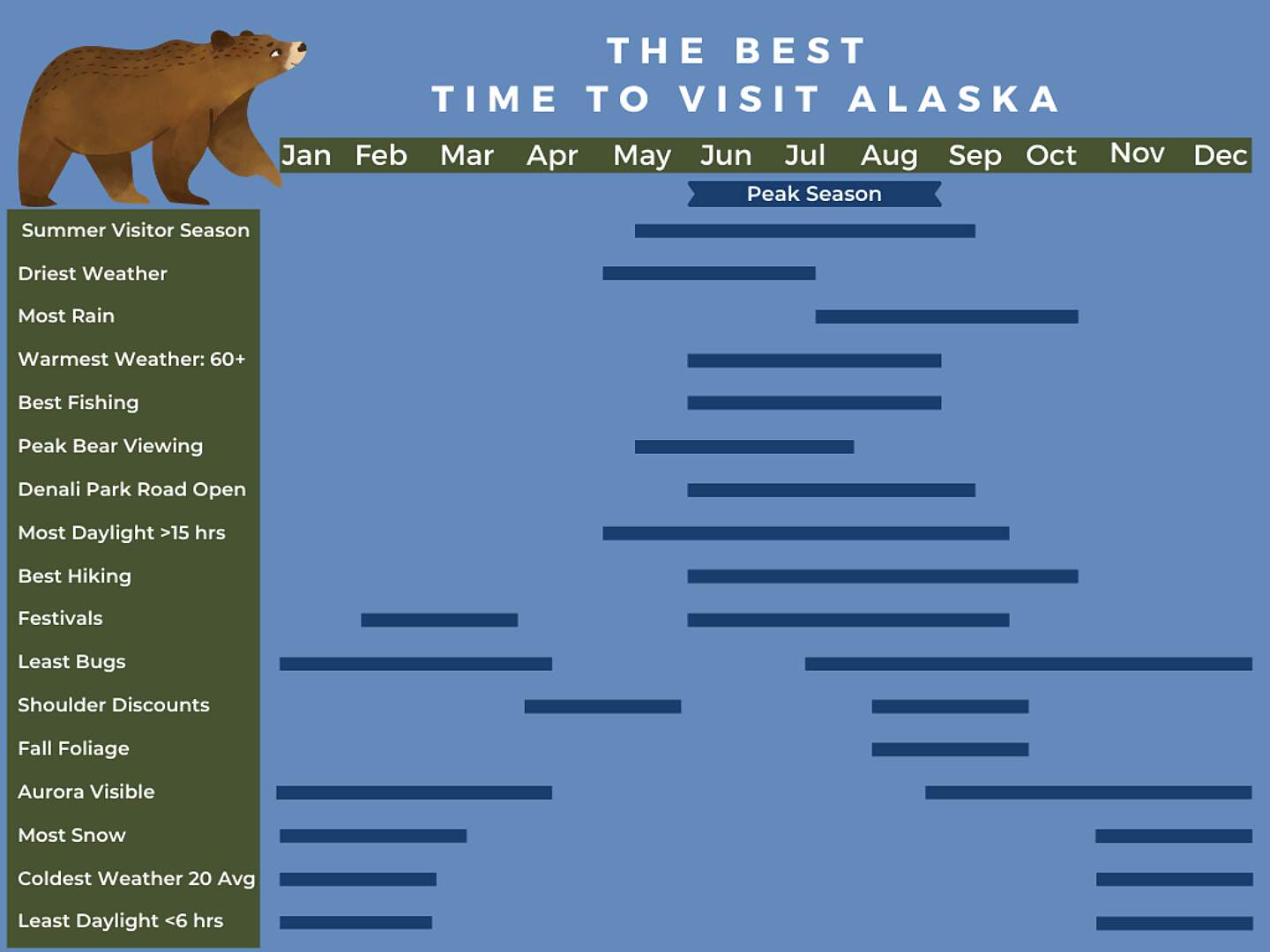
During June and July, you’ll experience the longest daylight hours, the warmest temperatures, and the highest likelihood of seeing the midnight sun in the northern parts of the state. Wildlife is abundant, and all tourist facilities and attractions are fully operational. This is also the time for major festivals and events.
Shoulder Season Benefits
May offers the advantage of fewer crowds and potentially lower prices as the state awakens. August and early September provide a pleasant transition with still-long daylight hours, beautiful fall colors beginning to emerge, and a chance to see the aurora borealis return. The insect population may also be less intense.
Essential Preparations for Summer Travel
Regardless of the specific month, preparing for an Alaskan summer requires attention to detail.
Packing Essentials
Layering is key. Pack moisture-wicking base layers, insulating mid-layers (fleece or down), and a waterproof and windproof outer shell. Waterproof hiking boots, warm socks, a hat, gloves, and insect repellent are indispensable. Even in summer, temperatures can drop quickly, especially in mountainous or coastal areas.

Booking and Reservations
Alaska is a popular destination, and summer is its busiest season. It is highly recommended to book flights, accommodations, rental cars, and popular tours well in advance, especially if traveling during June and July. Popular lodges, cruises, and guided excursions can sell out months ahead of time.
Alaska’s summer is a magical period, characterized by long, light-filled days, abundant wildlife, and a vibrant landscape ready to be explored. By understanding the nuances of its arrival and progression, from the thaw of May to the golden hues of August and early September, travelers can plan a journey that perfectly captures the essence of this extraordinary northern wilderness. Whether you seek the surreal spectacle of the midnight sun or the serene beauty of the changing seasons, Alaska’s summer offers an unforgettable escape into nature’s grandeur.
LifeOutOfTheBox is a participant in the Amazon Services LLC Associates Program, an affiliate advertising program designed to provide a means for sites to earn advertising fees by advertising and linking to Amazon.com. Amazon, the Amazon logo, AmazonSupply, and the AmazonSupply logo are trademarks of Amazon.com, Inc. or its affiliates. As an Amazon Associate we earn affiliate commissions from qualifying purchases.