
The call of the wild, the thundering surge of life, the emerald waters teeming with silver – these are the hallmarks of the Alaska salmon run. For anglers, wildlife enthusiasts, and anyone seeking an unparalleled natural spectacle, understanding the timing of this phenomenon is paramount to planning an unforgettable expedition. Alaska, a vast and wild frontier, is home to five distinct Pacific salmon species, each with its own migratory patterns, making the “salmon run” not a single event, but a symphony of arrivals stretching across the warmer months.
Understanding the Alaska Salmon Species and Their Runs
Alaska’s salmon runs are a testament to the resilience and intricate life cycles of these anadromous fish. Each of the five species – King (Chinook), Sockeye (Red), Coho (Silver), Pink (Humpy), and Chum (Dog) – has evolved unique strategies for spawning, dictated by genetics, water temperature, and river systems. Knowing which species you aim to encounter, or which are prevalent in a particular region, will refine your planning for the best viewing or fishing opportunities.
King (Chinook) Salmon: The Monarch of the Rivers
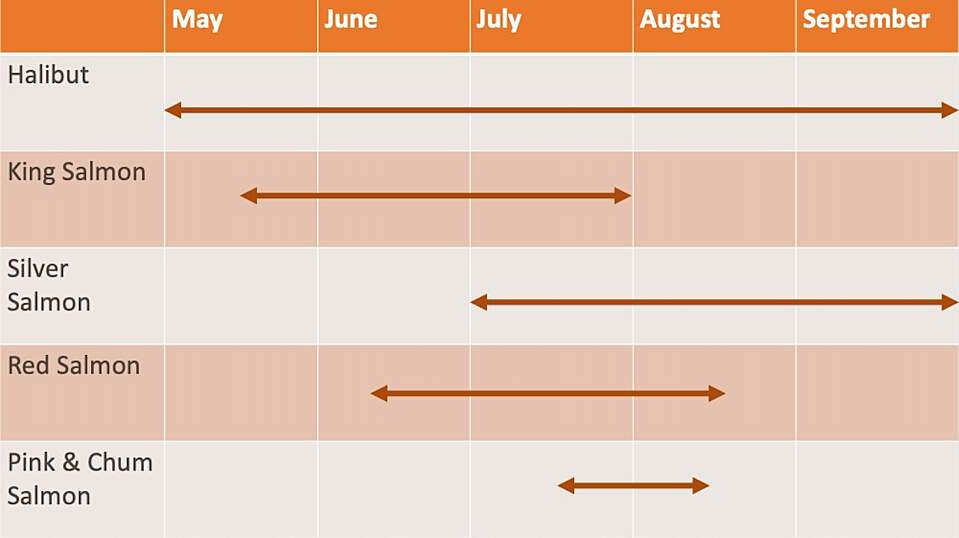
The King Salmon is the largest and arguably the most prized of the Pacific salmon. Their runs are the earliest and often the longest, beginning as early as May and extending through July, with some populations running into August. These powerful fish undertake significant journeys, often swimming hundreds of miles upstream to their natal spawning grounds. Key locations for observing or fishing for King Salmon include the Kenai River, the Kasilof River, and the Yukon River. Early summer is the prime window for King Salmon, making it a target for dedicated anglers seeking a trophy catch.
Sockeye (Red) Salmon: The Crimson Tide
The Sockeye Salmon, known for their vibrant red color during the spawning season, typically run from late May through July, with peaks often occurring in June and early July. Their runs are characterized by sheer numbers, creating breathtaking spectacles as vast schools ascend rivers. The Bristol Bay region, particularly the Nushagak River and the Egegik River, is world-renowned for its colossal Sockeye runs, often considered the largest in the world. Other significant Sockeye destinations include the Kenai River and the Karluk River on Kodiak Island.
Coho (Silver) Salmon: The Feisty Fighters
Coho Salmon, celebrated for their acrobatic leaps and tenacious fight, generally arrive later in the season. Their runs typically commence in July and extend through September, with peak activity often seen in August and early September. Rivers across Alaska experience Coho runs, but popular spots include the Kenai Peninsula’s many rivers, the Susitna River system, and various coastal streams in Southeast Alaska. Their arrival signals a shift towards the latter half of summer for fishing and wildlife viewing.
Pink Salmon: The Abundant Humpbacks
Pink Salmon, easily identifiable by the distinctive hump that develops on the males during the spawning season, are the most numerous salmon species. Their runs are generally shorter and more concentrated, occurring in odd-numbered years in many regions, though even-year runs are also significant. The peak of the Pink Salmon run is typically in July and August. They are abundant in nearly all Alaskan rivers and streams, making them a common sight and a plentiful catch in many areas, including popular fishing destinations like the Kenai Peninsula.
Chum Salmon: The Resilient Dog Salmon
The Chum Salmon, also known as “Dog Salmon,” are a vital part of the ecosystem and have a diverse run timing depending on the region and specific river system. Their runs can begin as early as June and extend through October, with peaks varying significantly. Some Chum Salmon runs are earlier, coinciding with Sockeye, while others are later, overlapping with Coho. They are found throughout Alaska, with notable runs in the Kenai River, the Yukon River, and numerous coastal streams.
Timing Your Alaska Salmon Adventure: A Seasonal Guide
To truly maximize your experience of Alaska’s salmon runs, a seasonal approach is essential. While the overarching salmon season spans from May to October, specific months offer distinct advantages and opportunities depending on your interests.
May & June: The Early Arrivals
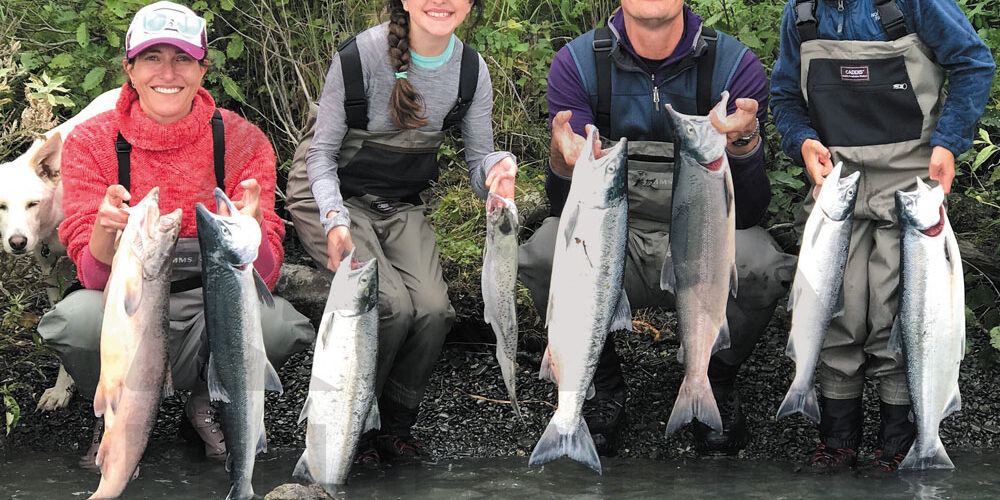
As the snow begins to recede and the Alaskan landscape awakens, the first salmon of the year, the powerful King Salmon, start their upstream journeys. May and June are prime time for anglers targeting this majestic fish. Rivers like the Kenai River and Kasilof River draw crowds of anglers eager to hook a trophy King. This period also sees the beginnings of the Sockeye runs in some southern river systems, offering a preview of the immense numbers to come. For wildlife viewing, the early runs provide opportunities to see bears beginning to emerge and fish the shallows.
July: The Peak of Abundance
July is arguably the heart of the salmon run season. The Sockeye runs reach their zenith, creating breathtaking visual spectacles in major river systems like those in Bristol Bay. Pink Salmon also begin their massive, albeit shorter, runs across the state. For sportfishing, July offers a diverse array of species. King Salmon are still available in many areas, while Coho Salmon begin their entrance into river systems. The weather in July is typically at its warmest and most stable, making it an ideal month for exploring Alaska’s vast wilderness. Popular destinations such as Seward and Homer see increased activity.
August: The Silver Season and Beyond
As July’s intensity begins to wane, August ushers in the reign of the Coho Salmon. These feisty fighters are now abundant in many rivers, offering exciting angling opportunities. Pink Salmon runs continue to be strong in many areas. This is also when the later runs of Chum Salmon become more prominent. For wildlife watchers, August presents a fantastic opportunity to observe bears feeding on salmon, particularly in areas like the McNeil River State Game Sanctuary (though access is highly regulated). The changing autumn colors start to paint the Alaskan landscape, adding another layer of beauty to the experience.
September & October: The Late Runs and Final Flourishes
The salmon season doesn’t end with the summer warmth. September and October often feature strong Coho and Chum Salmon runs, particularly in northern and western regions. The smaller, more intimate rivers and streams can still offer excellent fishing and wildlife viewing as the remaining salmon make their final push to spawn. While the weather can be cooler and more unpredictable, these late runs provide a quieter, more serene experience for those who venture out. It’s a time when the cycle of life is palpable, with the final salmon ensuring the continuation of their species.
Beyond the Catch: Experiencing the Salmon Run
The allure of the Alaska salmon run extends far beyond the thrill of the catch. It’s an opportunity to immerse yourself in a dynamic ecosystem and witness nature at its most powerful and prolific.
Wildlife Encounters
The salmon runs are a critical food source for a variety of Alaskan wildlife. Bears, both brown and black, are frequently seen along riverbanks, feasting on the abundant salmon. Bald eagles soar overhead, ready to snatch their own share. Other predators, such as otters and even wolves, may also be present. Regions like the Katmai National Park and Preserve offer unparalleled opportunities for bear viewing during the peak salmon seasons. Remember to always maintain a safe and respectful distance from wildlife.
Photography and Nature Observation
The visual spectacle of the salmon run is a photographer’s dream. The vibrant colors of the spawning salmon, the dramatic landscapes of Alaska, and the captivating behavior of wildlife create endless opportunities for stunning imagery. Birdwatchers will also find much to admire, with numerous species drawn to the rich feeding grounds. Even without a fishing rod, simply observing the energetic surge of life in the rivers is a profound and memorable experience.
Cultural Significance
For Alaska’s Indigenous peoples, salmon have been a cornerstone of life for millennia, providing sustenance, cultural identity, and spiritual connection. Learning about the traditional practices and the deep respect for salmon ingrained in these cultures adds a rich dimension to any visit during the run. Many communities offer opportunities to engage with local traditions, providing a deeper understanding of the human relationship with this vital resource.
Planning Your Trip
When planning your Alaska salmon run adventure, consider your priorities: fishing, wildlife viewing, photography, or simply experiencing the natural phenomenon. Research specific regions known for particular species or activities. Booking accommodations and tours in advance is highly recommended, especially for peak months like July. A range of options exists, from rustic fishing lodges and comfortable hotels in towns like Anchorage and Fairbanks, to more remote wilderness lodges accessible by floatplane. Understanding the timing of the various salmon runs is the first, crucial step in unlocking the magic of Alaska’s most spectacular natural event.
LifeOutOfTheBox is a participant in the Amazon Services LLC Associates Program, an affiliate advertising program designed to provide a means for sites to earn advertising fees by advertising and linking to Amazon.com. Amazon, the Amazon logo, AmazonSupply, and the AmazonSupply logo are trademarks of Amazon.com, Inc. or its affiliates. As an Amazon Associate we earn affiliate commissions from qualifying purchases.