
The ethereal dance of the Northern Lights, or Aurora Borealis, is a spectacle that draws travelers from across the globe to the far northern latitudes. Alaska, with its vast, dark skies and northerly position, is one of the premier destinations on Earth to witness this natural phenomenon. However, simply being in Alaska during winter does not guarantee a sighting. Understanding the optimal times and conditions is crucial for maximizing your chances of experiencing this celestial ballet. This guide will delve into the best seasons, months, and even specific times of day to plan your Alaskan aurora adventure.

The Science of the Aurora: Understanding the Basics
Before planning your trip, a rudimentary understanding of what causes the aurora can enhance your appreciation. The Northern Lights are created by charged particles from the sun, carried by the solar wind, colliding with gases in Earth’s upper atmosphere. These collisions excite the atmospheric gases, causing them to emit light. The colors we see depend on the type of gas particles involved and the altitude of the collision. Oxygen typically produces green and red light, while nitrogen contributes blue and purplish-red hues.
The intensity and frequency of auroral displays are influenced by the sun’s activity, particularly its 11-year solar cycle. Periods of high solar activity, known as solar maximums, often result in more frequent and vibrant auroras. While it’s impossible to predict the exact timing of a spectacular display, understanding these general principles helps contextualize the best times to visit.
Solar Activity and Auroral Forecasts
While the solar cycle plays a role in the long-term probability of seeing the aurora, short-term predictions are also valuable. Many websites and apps offer auroral forecasts, which predict the likelihood of visible aurora based on current solar wind conditions and the Earth’s magnetic field. These forecasts are essential for nightly planning once you are in Alaska. They typically provide a KP-index, a measure of geomagnetic activity, with higher KP-indexes indicating stronger and more widespread auroral displays.
The Optimal Seasons for Alaskan Aurora Viewing
Alaska’s geographical location places it directly under the auroral oval, a ring-shaped zone where auroral activity is most concentrated. This means the aurora is technically visible from August to April. However, for a truly immersive and successful aurora viewing experience, specific seasons offer distinct advantages.
Autumn: The Shoulder Season for Aurora
The period from late August through September and into October is often considered the “shoulder season” for aurora viewing in Alaska. During these months, the nights begin to lengthen, offering sufficient darkness for the aurora to be visible.
Advantages of Autumn Viewing:
- Longer Daylight Hours for Daytime Activities: Unlike the deep winter months, autumn still offers a reasonable amount of daylight. This allows for ample opportunity to explore Alaska’s stunning landscapes, hike, visit local attractions like the Alaska Native Heritage Center in Anchorage, or even enjoy wildlife viewing before the sun sets and the aurora hunting begins.
- Milder Temperatures: Compared to the harsh cold of mid-winter, autumn temperatures are generally more moderate, making outdoor excursions more comfortable.
- Fewer Crowds: As it’s not peak winter season, you’ll likely encounter fewer tourists, leading to a more serene and personal aurora experience.
- Colorful Fall Foliage: For a portion of this season, you can combine aurora viewing with the breathtaking spectacle of Alaska’s fall colors, adding another layer of visual delight to your trip.
Considerations for Autumn Viewing:
- Shorter Dark Hours: As autumn progresses, the nights become longer. However, early in the season, the darkness may not be as profound or as long-lasting as in mid-winter, potentially limiting the duration of auroral viewing opportunities on any given night.
- Weather Variability: Alaskan weather in autumn can be unpredictable, with a higher chance of cloud cover or precipitation that can obscure the aurora.
Winter: The Peak Season for Aurora
From November through March, Alaska enters its prime aurora viewing season. This is when the nights are at their longest and darkest, providing the most extended opportunities for the aurora to shine.
Advantages of Winter Viewing:
- Maximum Darkness: The extended periods of darkness are the most significant advantage. With the sun setting early and rising late, you have the maximum possible window each night to witness the aurora.
- Consistent Cold and Clear Skies: While not guaranteed, winter often brings colder, drier air, which can lead to clearer skies. The crisp, cold air is also ideal for preventing atmospheric moisture from obscuring the view.
- Winter Wonderland Experience: Visiting Alaska in winter offers a unique experience beyond the aurora. You can partake in activities like dog sledding, ice fishing, skiing, and exploring snow-covered landscapes, creating a comprehensive winter adventure. Popular destinations for winter activities and aurora viewing include Fairbanks and Denali National Park and Preserve.
Considerations for Winter Viewing:
- Extreme Cold: Alaskan winters can be intensely cold, with temperatures frequently dropping well below freezing. Proper preparation with extreme-weather clothing is essential for any outdoor aurora viewing.
- Shorter Daylight for Daytime Activities: The trade-off for long, dark nights is the limited daylight available for daytime exploration. This means that sightseeing and other activities need to be carefully planned within the shorter daylight hours.
- Increased Travel Costs and Crowds (during holidays): While generally less crowded than summer, popular aurora viewing spots can see an increase in visitors during the Christmas and New Year holidays.
Spring: The Fading Light of Aurora
In early spring, from April to mid-May, the aurora is still visible, though with decreasing frequency as daylight hours lengthen.
Advantages of Spring Viewing:
- Increasing Daylight: Similar to autumn, spring offers longer daylight hours for daytime exploration.
- Thawing Landscapes: As the snow begins to melt, you might witness the unique transition of Alaska’s landscape.
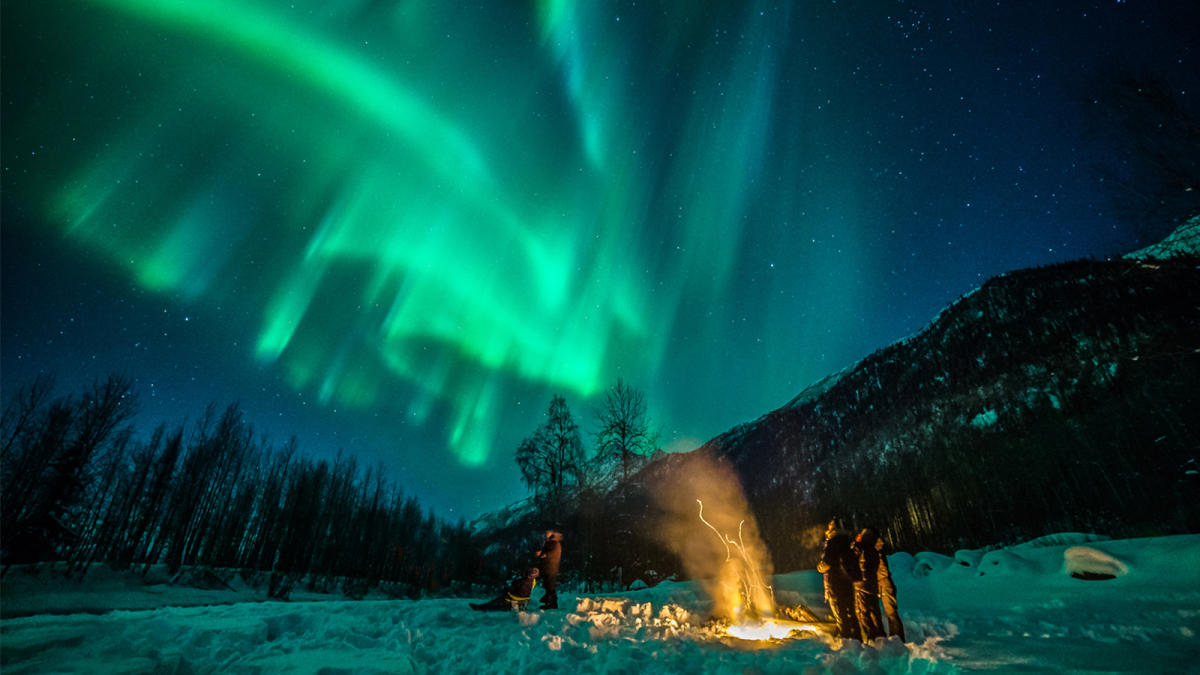
Considerations for Spring Viewing:
- Decreasing Darkness: As the days get longer, the period of true darkness required for optimal aurora viewing shortens significantly, making it harder to catch a display, especially later in the season.
- Cloud Cover: Spring can bring more variable weather patterns, potentially leading to more cloud cover.
Key Months for Maximizing Your Chances
While the aurora is present throughout the dark months, certain months stand out for their combination of darkness, weather patterns, and potential for auroral activity.
September and October: The Gentle Introduction
These months are excellent for those who prefer milder temperatures and want to combine aurora viewing with autumn’s charm. The darkness is sufficient for viewing, and the opportunity to see the aurora against a backdrop of fall colors can be magical. Locations like Homer on the Kenai Peninsula or the interior around Fairbanks offer good viewing potential.
November to February: The Heart of Aurora Season
This is the undisputed peak season for aurora viewing in Alaska.
- November: Nights are growing long and dark, and the first significant snowfalls can create a beautiful winter landscape.
- December and January: These are the months with the longest nights. The cold air often leads to clearer skies, and the potential for strong auroral activity is high. Destinations like Coldfoot Camp along the Dalton Highway are renowned for their remote, dark skies and excellent aurora viewing.
- February: While the nights begin to shorten slightly, February often offers a good balance of darkness, cold, and clearer skies. It can also be a fantastic month for winter activities.
March: The Last Glimpse
March still offers substantial darkness for aurora viewing, especially in the earlier half of the month. The increasing daylight can make for pleasant daytime exploration, and you might catch some of the last significant auroral displays of the season before the spring thaw truly sets in.
Best Times of Night for Aurora Viewing
The aurora can technically appear at any time during the dark hours. However, there are periods that are generally considered more favorable for viewing.
The “Golden Hours” of Aurora: Late Evening to Early Morning
- Midnight to 3:00 AM: This period is often cited as the prime time for aurora viewing. Geographically and magnetically, the Earth’s orientation relative to the sun’s magnetosphere during these hours can lead to increased auroral activity. Many organized aurora tours operate during these late-night and early-morning hours.
- Before Dawn: While the deep night is popular, the hours just before dawn can also be spectacular, as the aurora may intensify as the Earth rotates into a more favorable position relative to the solar wind.
Factors Influencing Nightly Sightings
- Moon Phase: While a full moon can provide beautiful ambient light for winter photography and exploration, it can also wash out fainter auroral displays. For the darkest skies and the most dramatic contrast, aim for nights around the new moon.
- Cloud Cover: This is the most significant impediment to aurora viewing. Even with intense auroral activity, thick clouds will completely obscure the view. Always check the local weather forecast before heading out.
- Light Pollution: To truly appreciate the aurora, you need to get away from city lights. Even small towns can emit enough light pollution to diminish the visibility of fainter auroral displays. Seeking out dark, rural locations is key.
Planning Your Alaskan Aurora Expedition
When planning your trip to Alaska with the specific goal of seeing the Northern Lights, several practical considerations come into play.
Choosing Your Location
- Fairbanks: Often called the “Aurora Capital of Alaska,” Fairbanks is situated directly beneath the auroral oval and experiences clear skies more frequently than coastal areas. Its accessibility and range of accommodations and tours make it a top choice.
- Denali National Park and Preserve: While the park itself has limited access in winter, the areas surrounding it, such as Talkeetna, offer dark skies and stunning mountain backdrops for aurora viewing.
- Interior Alaska: Locations further north along the Dalton Highway, like Coldfoot Camp, offer unparalleled darkness and a truly wild aurora experience, though access is more challenging.
- Coastal Areas: While beautiful, coastal regions like Juneau or Kodiak Island can experience more cloud cover due to maritime weather patterns, potentially reducing aurora viewing opportunities.
Accommodation and Tours
Many lodges and tour operators in prime aurora viewing locations cater specifically to aurora hunters. These often offer:
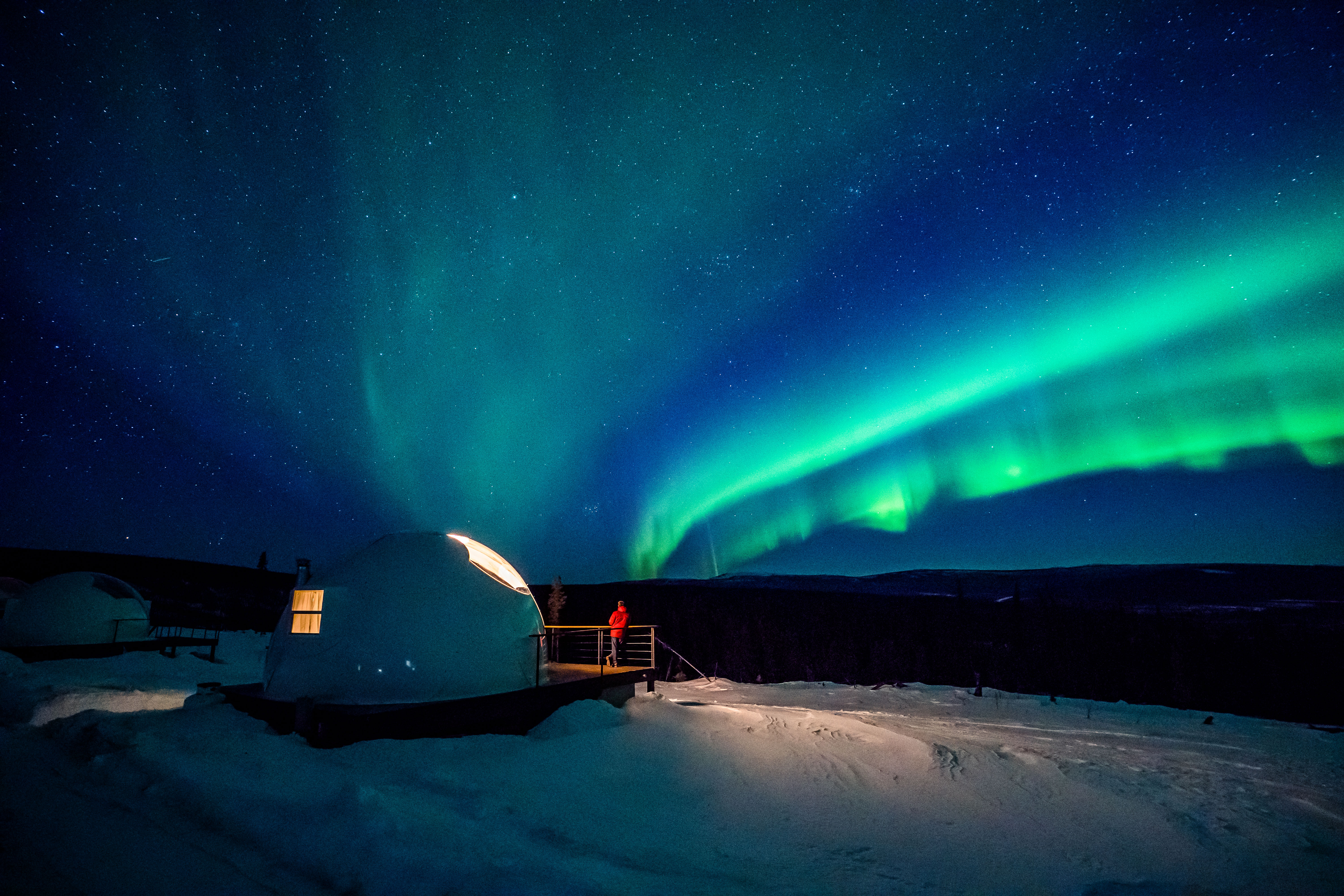
- Aurora viewing cabins or rooms: Designed with dark skies in mind, sometimes with wake-up calls when the aurora is active.
- Guided aurora tours: These tours take you to optimal viewing spots away from light pollution and often include transportation, warm drinks, and sometimes even photography tips. Examples include tours departing from Anchorage or Fairbanks.
- Winter activity packages: Combining aurora viewing with dog sledding, snowmobiling, or ice fishing excursions can create a complete Alaskan winter experience.
By carefully considering the season, months, time of night, and your chosen location, you can significantly increase your chances of witnessing the breathtaking spectacle of the Northern Lights in the vast, untamed beauty of Alaska. Patience, preparation, and a touch of luck are your best companions on this unforgettable celestial journey.
LifeOutOfTheBox is a participant in the Amazon Services LLC Associates Program, an affiliate advertising program designed to provide a means for sites to earn advertising fees by advertising and linking to Amazon.com. Amazon, the Amazon logo, AmazonSupply, and the AmazonSupply logo are trademarks of Amazon.com, Inc. or its affiliates. As an Amazon Associate we earn affiliate commissions from qualifying purchases.