
Alaska, a vast and wild frontier, is synonymous with incredible wildlife encounters, and among its most iconic residents are the majestic polar bears. Witnessing these magnificent creatures in their natural habitat is a dream for many, but understanding where and when to find them requires careful planning and a deep appreciation for their environment. This guide delves into the prime locations and optimal times for encountering polar bears in Alaska, focusing on the unique experiences and considerations for travelers seeking to observe these apex predators responsibly.
Understanding the Polar Bear’s Alaskan Domain
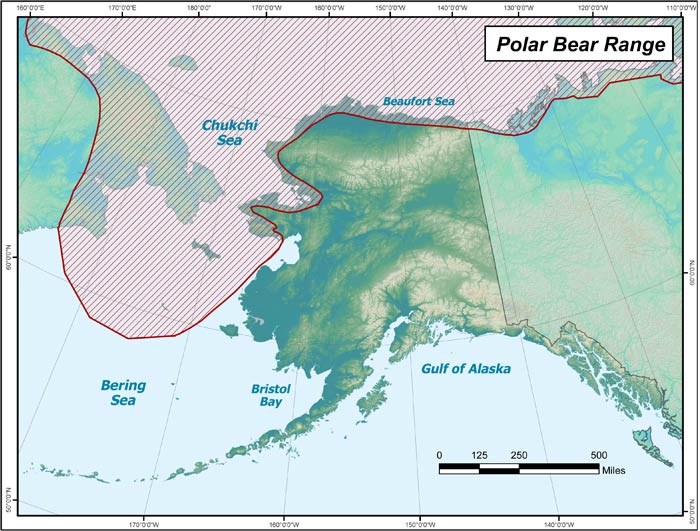
Polar bears (Ursus maritimus) are intrinsically linked to the Arctic sea ice, which serves as their primary platform for hunting seals, their main food source. Consequently, their distribution in Alaska is dictated by the presence and extent of this crucial icy environment. While polar bears are found throughout the circumpolar Arctic, Alaska’s coastline, particularly the areas bordering the Arctic Ocean and the Chukchi Sea, offers the most accessible and significant opportunities for observation.
The Beaufort Sea Coastline
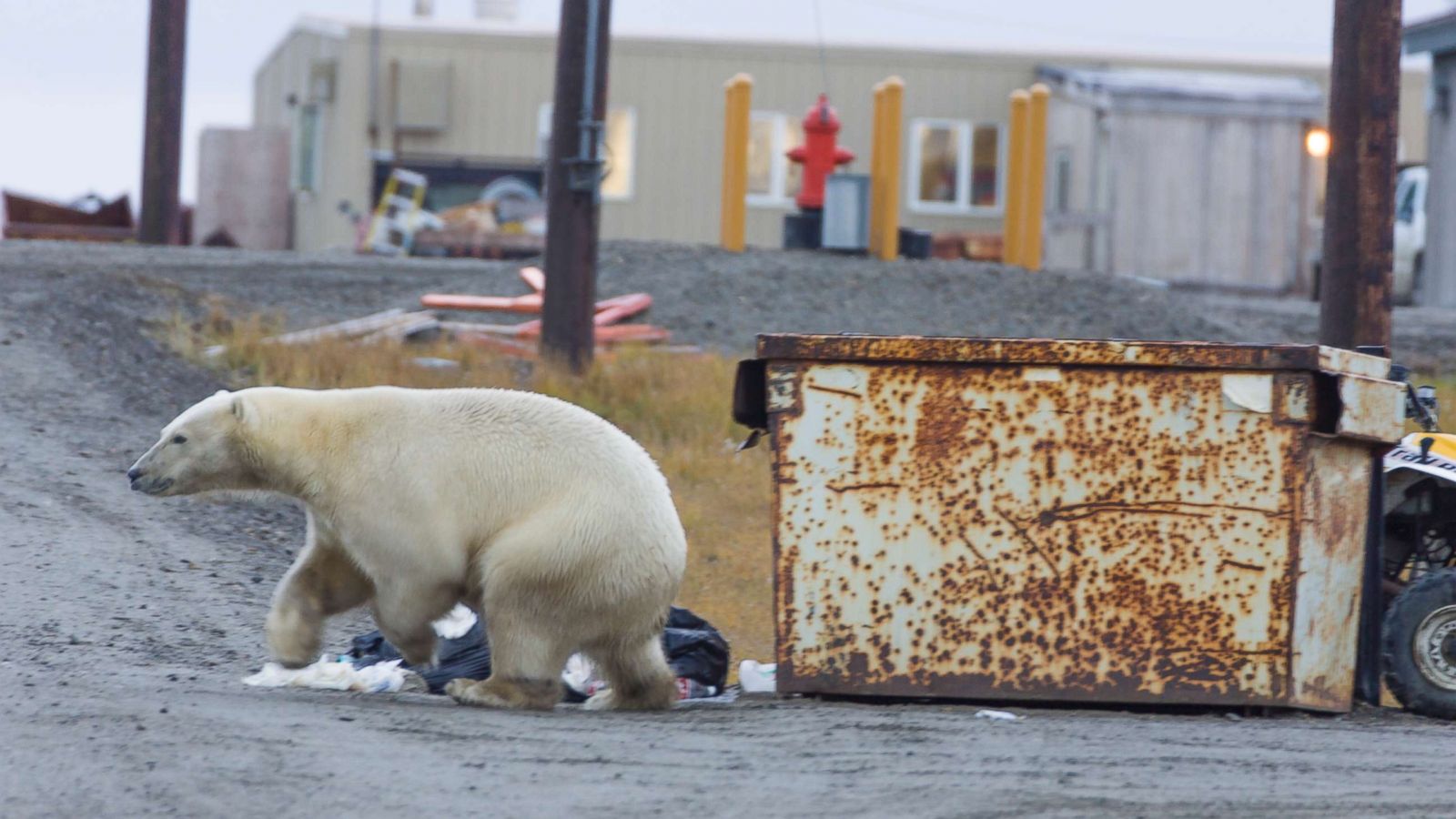
The northern coast of Alaska, facing the Beaufort Sea, is a critical habitat for polar bears. Towns like Utqiagvik (formerly Barrow) and Kaktovik serve as gateways to these polar bear rich territories. During the summer months, when the sea ice melts significantly, polar bears may be found onshore in greater numbers, particularly near the coast, awaiting the refreezing of the ice in the fall. This is also a time when some bears might be seen venturing closer to human settlements in search of food, though responsible tourism practices are designed to minimize human-bear conflict.
The Chukchi Sea Region
West of the Beaufort Sea, the Chukchi Sea also supports a substantial polar bear population. This vast expanse of ocean is a vital hunting ground, and bears traverse its waters and shores throughout the year. The migratory patterns of seals, the polar bear’s prey, directly influence where bears will be found. Areas near Kotzebue and along the coast leading towards Russia are known to host polar bears, though access to these remote regions is challenging and typically requires specialized expeditions.
Coastal Areas and Islands
While the vast majority of polar bear sightings in Alaska occur along the northern and western coasts, it’s not unheard of for bears to be found on islands within the Arctic and sub-Arctic waters. These may include larger islands like Nunivak Island or smaller, more remote landmasses. However, these locations are generally less accessible to the casual traveler and are more likely to be visited by researchers or during highly specialized wildlife tours. The presence of polar bears on islands is often dependent on ice bridges forming or their ability to swim between landmasses, a testament to their remarkable adaptability.
Optimal Times for Polar Bear Viewing in Alaska
The timing of a polar bear viewing trip in Alaska is paramount. The behavior and location of these animals are strongly influenced by the seasonal changes in sea ice.
Autumn: The Peak Viewing Season
The most sought-after time for polar bear viewing in Alaska is typically during the autumn months, from September through November. As the Arctic summer wanes and temperatures drop, the sea ice begins to reform. This refreezing process pushes the bears closer to shore as they anticipate returning to their primary hunting grounds on the ice.
Kaktovik: The Polar Bear Capital
Kaktovik, a small village on Barter Island in the Beaufort Sea, is renowned as one of the best places in Alaska to see polar bears during this autumn period. During the fall, large numbers of bears congregate on the island and the surrounding coast, often drawn by the carcasses of bowhead whales left by local Inupiat hunters. This provides an unparalleled opportunity for photographers and wildlife enthusiasts to observe bears at relatively close, yet safe, distances from guided viewing platforms or tour vessels. The dramatic landscape, often dusted with early snow, provides a stunning backdrop for these encounters.
Late Summer and Early Autumn
While autumn offers the most concentrated viewing opportunities, late summer, from August into early September, can also yield sightings. During this period, as the ice retreats, bears may be seen on land, often near coastal areas, as they wait for the ice to return. While sightings might be more dispersed compared to the autumn congregations in Kaktovik, this time of year can still offer rewarding experiences, particularly for those undertaking expeditions further north. The tundra landscape is vibrant during this time, offering a different, yet equally compelling, visual experience.
Winter and Spring: Challenges and Opportunities

Winter and spring present significant challenges for polar bear viewing due to the extreme conditions, extensive sea ice, and limited daylight. While polar bears are active throughout the year, their movements become more dispersed as they follow the ice edge for hunting. Access to their habitats during these seasons is significantly restricted and often requires specialized ice-strengthening vessels or aircraft, making such expeditions highly exclusive and costly. However, for the determined adventurer, there are opportunities to witness bears on the sea ice, particularly during the spring when mothers with cubs emerge from their dens. These sightings are rare and often depend on specialized tours operating in the most remote Arctic regions.
Responsible Polar Bear Tourism in Alaska
The privilege of observing polar bears in their natural habitat comes with a profound responsibility. Sustainable and ethical tourism practices are paramount to ensuring the well-being of these animals and their fragile Arctic ecosystem.
Choosing Reputable Tour Operators
When planning a trip to see polar bears in Alaska, selecting a tour operator committed to responsible wildlife viewing is essential. Look for companies that:
- Adhere to strict ethical guidelines: Operators should prioritize the safety and welfare of both the bears and their guests. This includes maintaining safe distances, avoiding disturbance, and never feeding the animals.
- Employ experienced guides: Knowledgeable guides are crucial for understanding bear behavior, ensuring safety, and providing educational insights into the Arctic environment and its inhabitants.
- Minimize their environmental footprint: Sustainable practices, such as responsible waste management and low-impact transportation, are vital in protecting the sensitive Arctic landscape.
- Support local communities: Many responsible tours partner with or are owned by local Indigenous communities, such as the Inupiat in Kaktovik, ensuring that tourism benefits the people who are stewards of these lands.
Safety Precautions and Bear Etiquette
Encountering polar bears, even from a distance, requires strict adherence to safety protocols.
- Never approach a polar bear: Always maintain a significant distance. Polar bears are powerful wild animals, and approaching them can be dangerous for both humans and bears.
- Follow guide instructions implicitly: Your guide’s expertise is your primary safety net. Listen carefully to their instructions and never deviate from the group.
- Avoid sudden movements or loud noises: These can startle bears and provoke defensive reactions.
- Do not leave food or trash unsecured: This can attract bears and habituate them to human presence, leading to dangerous encounters.
- Be aware of your surroundings: Especially in areas where bears are known to be present, stay alert and informed.
The Importance of Conservation
Polar bear populations face significant threats, primarily due to climate change and the resulting loss of sea ice. Supporting responsible tourism not only provides incredible experiences but can also contribute to conservation efforts. Many tour operators and organizations involved in polar bear tourism are actively engaged in research, monitoring, and conservation initiatives aimed at protecting these iconic animals and their habitat. By choosing to travel responsibly, visitors can play a small but meaningful role in the long-term survival of polar bears in Alaska and the Arctic.
Planning Your Alaskan Polar Bear Adventure
Embarking on a journey to find polar bears in Alaska is an undertaking that requires careful planning, significant investment, and a spirit of adventure. The remote nature of polar bear habitats means that these trips are not typically spontaneous excursions.
Essential Preparations
- Book well in advance: Especially for prime viewing seasons like autumn in Kaktovik, tours fill up months, even a year, in advance.
- Pack appropriate gear: The Arctic environment is extreme. Expect cold temperatures, wind, and snow. Layering is key, and waterproof and windproof outer layers are essential. Specialized gear for photography, such as telephoto lenses, will enhance your experience.
- Consider the weather: Arctic weather is notoriously unpredictable. Be prepared for delays or changes in itinerary due to weather conditions. Flexibility is crucial.
- Understand the physical demands: Many polar bear viewing activities involve spending time outdoors in cold conditions, potentially on uneven terrain or on boats. Assess your physical fitness accordingly.
- Research visa and entry requirements: If traveling from outside the United States, ensure all necessary travel documents are in order.
Travel Logistics
Most polar bear viewing expeditions depart from Anchorage, Fairbanks, or Seattle. From these hubs, flights will typically take you to northern Alaskan gateway communities like Utqiagvik or directly to Kaktovik for specific tours. Charter flights are often the only way to reach the most remote observation points. Accommodation in these northern communities is generally basic and can be expensive due to the logistical challenges of supplying these remote outposts.
The Unique Experience
Witnessing a polar bear in its natural, wild Arctic setting is an experience that transcends typical travel. It’s an immersion into one of the planet’s last true wildernesses, a stark and beautiful landscape that underscores the resilience of life in extreme conditions. The opportunity to observe the apex predator of the Arctic, a creature perfectly adapted to its icy realm, is a profound encounter that can foster a deeper understanding and appreciation for the delicate balance of nature and the urgent need for conservation. Such journeys offer not just photographic opportunities and thrilling wildlife sightings, but also a lasting connection to the wild heart of Alaska.
LifeOutOfTheBox is a participant in the Amazon Services LLC Associates Program, an affiliate advertising program designed to provide a means for sites to earn advertising fees by advertising and linking to Amazon.com. Amazon, the Amazon logo, AmazonSupply, and the AmazonSupply logo are trademarks of Amazon.com, Inc. or its affiliates. As an Amazon Associate we earn affiliate commissions from qualifying purchases.