
Alaska, a state renowned for its breathtaking natural beauty and commitment to preserving its pristine landscapes, has taken a decisive stance against billboards. This outright ban, which has been in place for decades, shapes the visual experience for both residents and visitors, contributing significantly to the state’s unique allure. Unlike many other states where towering advertisements are a ubiquitous part of the highway scenery, Alaska offers an unobstructed panorama of mountains, forests, and coastlines. Understanding the reasons behind this prohibition reveals a deep-seated value system centered on environmental preservation, aesthetic integrity, and a distinct approach to commerce and tourism.

A Legacy of Preservation: The Scenic Byway Act
The prohibition of billboards in Alaska is primarily rooted in the state’s dedication to its natural heritage, famously codified in the Scenic Byway Act. Enacted in the early days of statehood, this legislation recognized the immense economic and cultural value of Alaska’s unparalleled scenery. The act, along with subsequent regulations, aimed to protect the visual amenity of public highways, ensuring that the natural environment remained the primary visual focus.
The Genesis of the Ban
The movement to ban billboards gained momentum in the mid-20th century as concerns grew about the impact of commercial development on the natural environment. Proponents of the ban argued that billboards detracted from the rugged beauty of the Alaskan wilderness, creating visual pollution that could diminish the state’s appeal to tourists and impact the quality of life for its residents. The Alaska Federation of Native Corporations and various environmental groups were instrumental in advocating for these protections, emphasizing that the unspoiled vistas were not just a backdrop but an integral part of the state’s identity and economy.
Economic Impact and Tourism
Contrary to what some might assume, the absence of billboards has not hindered Alaska’s economic growth. Instead, it has bolstered its image as a destination for authentic, nature-focused travel. Tourists are drawn to Alaska for its glaciers, wildlife, and vast, unmarred landscapes. The lack of commercial clutter on highways enhances this experience, allowing visitors to fully immerse themselves in the grandeur of their surroundings. This focus on natural attractions has fostered a thriving tourism industry that values environmental stewardship. Businesses that rely on tourism, such as lodges and tour operators, often find that their presence is more impactful when seamlessly integrated into the natural environment rather than competing with roadside advertising.
Defining “Scenic”
The Scenic Byway Act provided a framework for identifying and protecting highways that offered exceptional scenic value. This designation involved a rigorous process of evaluation, considering factors such as geological formations, vegetation, wildlife habitats, and cultural landmarks. Once a highway was designated as a scenic byway, strict regulations were put in place to maintain its visual integrity. This included the prohibition of billboards and other forms of large-scale outdoor advertising. The goal was to ensure that the experience of traveling these routes was one of immersion in nature, not bombardment with commercial messages.
Environmental Protection Beyond the Visual
While the most immediate impact of the billboard ban is visual, the underlying principles extend to broader environmental protection efforts. The philosophy that led to the billboard ban is consistent with Alaska’s commitment to preserving its vast ecosystems and natural resources.
Preserving Wildlife Corridors
The vast expanses of Alaska are critical habitats for numerous species, including bears, moose, caribou, and eagles. The absence of large, visually disruptive structures like billboards helps to maintain the integrity of wildlife corridors and minimize human-induced disturbances. While billboards themselves might not directly harm wildlife, their placement can be indicative of broader development patterns that fragment habitats or increase human activity in sensitive areas. By restricting such advertising, Alaska implicitly encourages development that is more sensitive to ecological considerations.
Minimizing Light and Noise Pollution
Although not directly addressed by billboard regulations, the underlying ethos of preserving the natural environment also influences other forms of pollution control. The quiet and darkness of the Alaskan wilderness are considered valuable assets. The absence of large illuminated billboards contributes to the preservation of natural light cycles, which are important for both wildlife and the human experience of stargazing and appreciating the aurora borealis. Similarly, the reduction of visual clutter can indirectly contribute to a more peaceful and less stimulating environment.
Encouraging Sustainable Development
The billboard ban is a clear signal that Alaska prioritizes its natural environment over unchecked commercial expansion. This has, in turn, encouraged developers and businesses to adopt more sustainable practices. Instead of relying on prominent roadside advertising, businesses often focus on unique branding, word-of-mouth marketing, and integration with the natural landscape. This can lead to architecture that complements the environment and a more mindful approach to land use, contributing to the long-term health of the state’s ecosystems.
The Impact on the Traveler’s Experience
For visitors to Alaska, the absence of billboards profoundly shapes their journey, offering a distinct and often more profound travel experience. The focus shifts from navigating a landscape dotted with commercial messages to experiencing the raw, unadulterated beauty of the natural world.
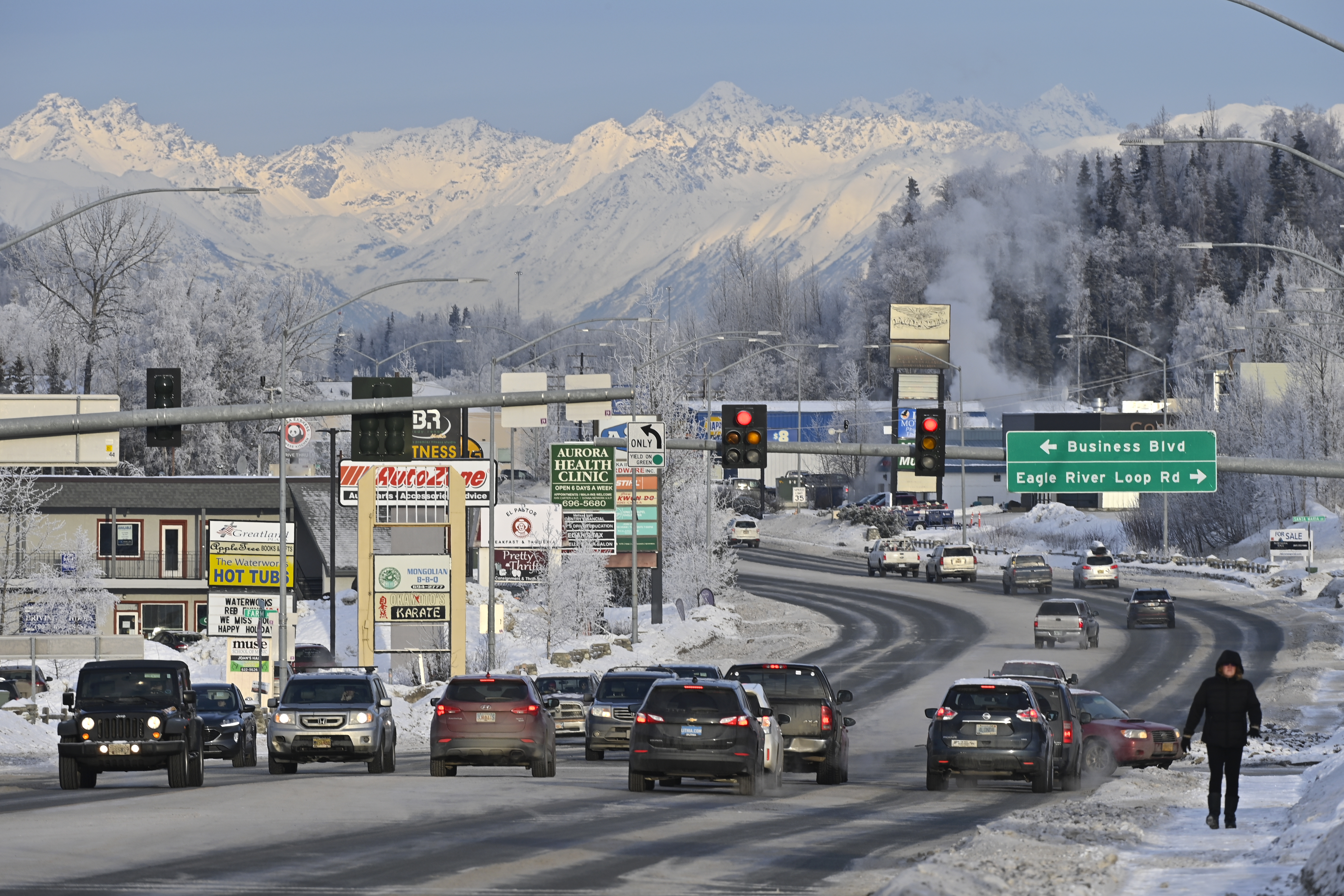
An Uninterrupted Vista
Driving along Alaska’s highways, whether it’s the Parks Highway leading to Denali National Park and Preserve, the dramatic coastal route of the Seward Highway, or the more remote highways of the interior, travelers are treated to uninterrupted views. The absence of visual noise allows the majestic mountains, sprawling forests, and glistening waterways to command full attention. This visual freedom allows for spontaneous stops to admire wildlife, capture photographs, or simply soak in the immense scale of the landscape.
A Sense of Discovery
Without the guidance of prominent advertisements directing travelers to every gas station, fast-food chain, or souvenir shop, there’s a greater sense of personal discovery. Visitors are more inclined to consult maps, ask locals for recommendations, or simply explore based on curiosity. This fosters a more engaged and adventurous travel style, where the journey itself becomes a significant part of the experience, rather than a series of predetermined stops dictated by advertising.
Authenticity and Immersion
The lack of commercial clutter contributes to an authentic travel experience. It reinforces the idea that Alaska is a place to connect with nature and experience a way of life that is deeply intertwined with the environment. This authenticity is a major draw for travelers seeking an escape from the over-commercialized landscapes found in many other destinations. It allows for a deeper immersion in the local culture and a more genuine appreciation for the wilderness.
Legal Framework and Enforcement
The prohibition of billboards in Alaska is not merely a suggestion but a legally enforced regulation. The state’s Department of Transportation and Public Facilities, along with other relevant agencies, is responsible for ensuring compliance.
Regulatory Authority
The authority to regulate outdoor advertising along highways stems from both federal and state laws. The Federal Highway Beautification Act of 1965, while allowing some exceptions, provided a framework that states could adopt and strengthen. Alaska, in its characteristic fashion, chose to go beyond the federal minimum, enacting stricter regulations that effectively banned most forms of advertising along public rights-of-way.
Enforcement and Penalties
Enforcement typically involves regular inspections of highways and prompt action against any violations. Businesses or individuals found to be erecting illegal billboards face fines and are required to remove the offending structures. The state’s commitment to enforcement underscores the seriousness with which it views the preservation of its scenic highways. This consistent application of the law ensures that the integrity of the visual landscape is maintained over time.
Exceptions and Nuances
While the ban is comprehensive, there can be minor exceptions, often related to official directional signs for legitimate businesses located a short distance off the highway, or for public service announcements. These exceptions are usually strictly defined and require permits. The focus remains on minimizing visual impact, and any approved signs are typically small, functional, and designed to blend with the surroundings as much as possible, rather than to be prominent advertising.
The Future of Visual Landscape in Alaska
Alaska’s decision to ban billboards reflects a forward-thinking approach to land use and economic development. It prioritizes the long-term benefits of environmental preservation and aesthetic integrity over the short-term gains that might be associated with unchecked commercial advertising.
A Model for Other Regions
Alaska’s experience serves as a compelling example for other regions grappling with the challenges of balancing economic development with environmental protection. By demonstrating that a thriving tourism economy can be built without relying on extensive roadside advertising, Alaska offers a model for sustainable tourism and land management.

Ongoing Commitment to Preservation
The state’s commitment to maintaining its natural beauty is an ongoing endeavor. As new forms of media and advertising emerge, Alaska’s regulatory framework is likely to be continually reviewed and adapted to ensure that its core values of preservation are upheld. The current prohibition on billboards is a cornerstone of this commitment, a testament to a vision where the natural world is not a canvas for commerce but a treasure to be protected and admired. Travelers to Alaska can therefore continue to expect an experience where the stunning natural scenery remains the undisputed star.
LifeOutOfTheBox is a participant in the Amazon Services LLC Associates Program, an affiliate advertising program designed to provide a means for sites to earn advertising fees by advertising and linking to Amazon.com. Amazon, the Amazon logo, AmazonSupply, and the AmazonSupply logo are trademarks of Amazon.com, Inc. or its affiliates. As an Amazon Associate we earn affiliate commissions from qualifying purchases.