
The arid landscapes of Arizona are iconic, conjuring images of vast deserts, towering saguaros, and dramatic red rock formations. But this stunning natural beauty also harbors creatures that can evoke a primal fear, none more so than the scorpion. The question “Can Arizona scorpions kill you?” is a common one, often whispered by nervous travelers or pondered by curious residents. While the sensationalism of deadly encounters fuels popular imagination, the reality is far more nuanced and, for the vast majority of visitors and locals, reassuring.
Understanding the Scorpion Threat in Arizona
Arizona is home to a diverse array of scorpion species, with over 50 varieties identified within the state. Fortunately, only a small fraction of these possess venom potent enough to cause serious harm to humans, and even fewer are considered medically significant. The primary concern for most people stems from a single species: the Arizona Bark Scorpion.

The Arizona Bark Scorpion: The Primary Concern
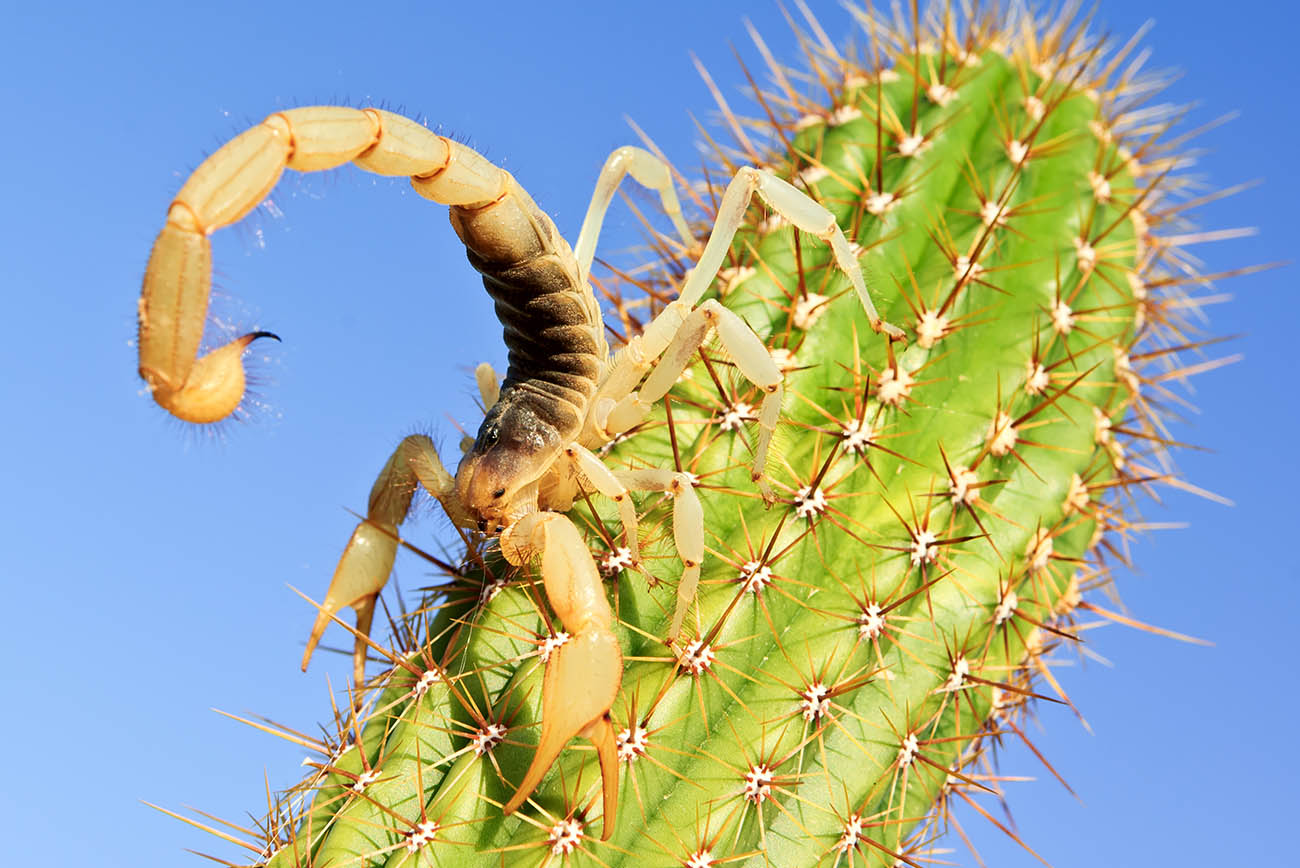
The Arizona Bark Scorpion, Centruroides sculpturatus (formerly Centruroides exilicauda), is the most venomous scorpion in North America and is endemic to the Sonoran Desert region, which prominently features Arizona. These scorpions are distinct in their slender build, yellowish-tan coloration, and a distinctive segmented tail with a prominent stinger. Unlike many other scorpion species that prefer to burrow, bark scorpions are adept climbers and are often found on rocks, in trees, and yes, in and around human dwellings.
Their venom is a complex cocktail of neurotoxins that, when injected, can disrupt nerve and muscle function. While a sting from an Arizona Bark Scorpion is undeniably painful and can cause a range of symptoms, it is crucial to understand the context of its lethality.
Other Scorpion Species in Arizona
Beyond the bark scorpion, Arizona harbors other species, such as the Desert Hairy Scorpion, Emperor Scorpion, and various ground scorpions. These species, while capable of delivering a painful sting, typically have venom that is less potent and primarily causes localized pain, swelling, and itching. Their stings are generally considered to be of minor medical significance, akin to a bee or wasp sting, though with a more intense initial pain.
Symptoms and Severity of Scorpion Stings
The experience of being stung by a scorpion varies greatly depending on the species, the amount of venom injected, and the individual’s reaction.
Symptoms of an Arizona Bark Scorpion Sting
A sting from an Arizona Bark Scorpion is characterized by immediate, intense pain at the site of the sting. This pain is often described as burning or stabbing. Other common symptoms include:
- Numbness or Tingling: The affected area may become numb, or a tingling sensation can spread outwards.
- Swelling: Localized swelling is common around the sting site.
- Muscle Twitching or Spasms: In more severe reactions, involuntary muscle contractions can occur.
- Nausea and Vomiting: Some individuals experience gastrointestinal distress.
- Difficulty Breathing: In rare and severe cases, particularly in children or individuals with compromised immune systems, respiratory distress can occur.
- Blurred Vision: Vision disturbances have been reported.
- Restlessness or Agitation: Especially in children, the pain and discomfort can lead to significant agitation.
The severity of these symptoms is often dictated by the age and health of the person stung. Children, the elderly, and individuals with known allergies or pre-existing medical conditions are at a higher risk for more severe reactions.
Symptoms of Other Scorpion Stings
Stings from other scorpion species in Arizona generally present with less severe symptoms:
- Localized Pain: Intense but usually short-lived pain at the sting site.
- Redness and Swelling: Mild to moderate swelling and redness.
- Itching: An itchy sensation may develop after the initial pain subsides.
These symptoms typically resolve within a few hours to a day with basic first aid.
When a Scorpion Sting Becomes a Medical Emergency
While the lethality of scorpion stings in Arizona is often exaggerated, it is crucial to recognize when a sting requires immediate medical attention. The primary risk factor for a life-threatening reaction is a sting from the Arizona Bark Scorpion, particularly in vulnerable populations.

Recognizing the Signs of a Severe Reaction
Seek immediate medical attention if any of the following symptoms occur after a scorpion sting:
- Difficulty breathing or swallowing.
- Muscle stiffness or twitching that spreads beyond the sting site.
- Severe pain that is not managed by over-the-counter pain relievers.
- Vision changes, such as blurred or double vision.
- Drooling or foaming at the mouth.
- Unusual drowsiness or loss of consciousness.
- Nausea and vomiting that persists.
- Sting in a child under 5 years old or an elderly person.
- Known history of severe allergic reactions.
In these situations, calling emergency services or heading directly to the nearest emergency room is paramount. Medical professionals can administer antivenom (if necessary) and provide supportive care to manage symptoms and prevent complications.
The Role of Antivenom
For severe envenomations by the Arizona Bark Scorpion, an antivenom is available. This antivenom is designed to neutralize the toxins in the scorpion’s venom. Its administration is typically reserved for cases with severe systemic symptoms, as it can have its own set of potential side effects. The decision to administer antivenom is made by medical professionals based on the patient’s condition.
Preventing Scorpion Encounters and Stings
The best approach to dealing with scorpion threats in Arizona is prevention. By taking sensible precautions, visitors and residents can significantly reduce their risk of encounters and stings.
At Home and in Your Accommodation
Scorpions are nocturnal and seek shelter during the day. They are often attracted to dark, cluttered, and moist environments.
- Seal Entry Points: Inspect homes, hotel rooms, and rental properties for cracks and gaps around windows, doors, and foundations. Seal these openings to prevent scorpions from entering.
- Reduce Clutter: Keep the areas around your dwelling tidy. Remove piles of wood, rocks, bricks, and debris, as these provide excellent hiding places for scorpions.
- Shake Out Shoes and Clothing: Always shake out shoes, towels, and clothing that have been left on the floor, especially if they have been stored in closets or drawers. Scorpions are known to hide in them.
- Be Cautious in Dark Areas: When reaching into dark closets, drawers, or cabinets, use a flashlight and be cautious.
- Check Bedding: Before going to sleep, check your bedding for any unwelcome guests.
- Outdoor Lighting: While light can attract insects that scorpions prey on, strategic outdoor lighting can also make them more visible. However, avoid overly bright lights directly against the house, which can draw them closer.
- Pest Control: Consider professional pest control services if you are concerned about scorpion infestations.
While Outdoors and Exploring
When venturing into the natural beauty of Arizona, whether for hiking in places like Sedona or visiting Grand Canyon National Park, awareness and caution are key.
- Wear Appropriate Footwear: Always wear closed-toe shoes when walking outdoors, especially at dusk or night.
- Avoid Reaching into Unseen Areas: Never put your hands into holes, under rocks, or into dense vegetation without first looking.
- Be Mindful of Your Campsite: If camping, inspect your tent before entering and shaking out sleeping bags and clothing.
- Watch Where You Sit: Before sitting on logs, rocks, or the ground, check the area thoroughly.
- Educate Children: Teach children about scorpions and the importance of not touching them or playing in areas where they might be found.
Debunking Myths and Understanding the True Risk
The fear of scorpions in Arizona is often amplified by sensationalized media and exaggerated stories. While the risk is real, understanding the statistics and probabilities is crucial.
Mortality Rates and Statistics
Fatal scorpion stings in Arizona are exceedingly rare. When they do occur, they are almost exclusively associated with the Arizona Bark Scorpion and involve individuals who are particularly vulnerable, such as very young children or those with severe underlying health issues. The vast majority of scorpion stings result in temporary pain and discomfort, not a life-threatening emergency.
Comparison to Other Risks
It’s helpful to put the risk into perspective. The chances of being fatally stung by a scorpion in Arizona are significantly lower than many other risks encountered during travel or daily life, such as car accidents or even bee stings. While vigilance is warranted, an overwhelming sense of dread is not.
Conclusion: Enjoying Arizona with Awareness
Arizona offers an unparalleled travel experience, from the vibrant culture of Phoenix to the majestic natural wonders scattered across the state. The presence of scorpions, including the medically significant Arizona Bark Scorpion, is a fact of life in this beautiful desert environment. However, by understanding which species pose the greatest risk, recognizing the symptoms of severe envenomation, and implementing simple preventive measures, visitors can explore Arizona with confidence and peace of mind. The awe-inspiring landscapes and unique experiences far outweigh the minimal risk, provided one approaches the natural world with respect and informed caution.
LifeOutOfTheBox is a participant in the Amazon Services LLC Associates Program, an affiliate advertising program designed to provide a means for sites to earn advertising fees by advertising and linking to Amazon.com. Amazon, the Amazon logo, AmazonSupply, and the AmazonSupply logo are trademarks of Amazon.com, Inc. or its affiliates. As an Amazon Associate we earn affiliate commissions from qualifying purchases.