
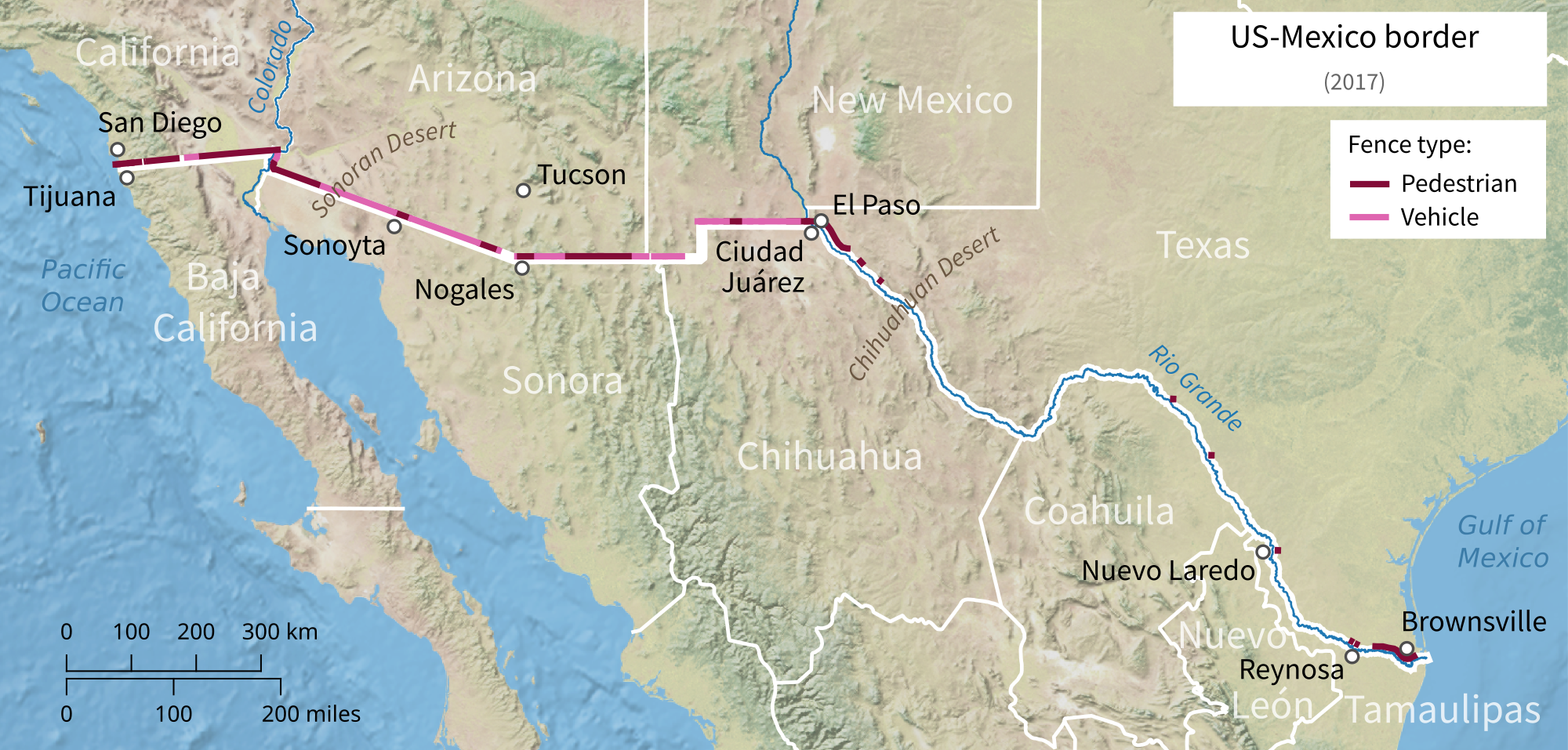
The geographical reality of the United States’ southern border is a frequent topic of discussion, particularly concerning its implications for travel, tourism, and the rich cultural tapestry that exists along this dynamic frontier. For those planning a visit or simply seeking to understand the landscape of the American Southwest, a fundamental question arises: Does Arizona border Mexico? The definitive answer is a resounding yes. The state of Arizona shares a significant and extensive border with the Mexican states of Sonora and Baja California. This shared boundary is not merely a line on a map; it is a vibrant and complex intersection of two nations, fostering unique cultural exchanges, distinct tourism opportunities, and a landscape shaped by centuries of interaction.
Understanding the Arizona-Mexico Borderlands
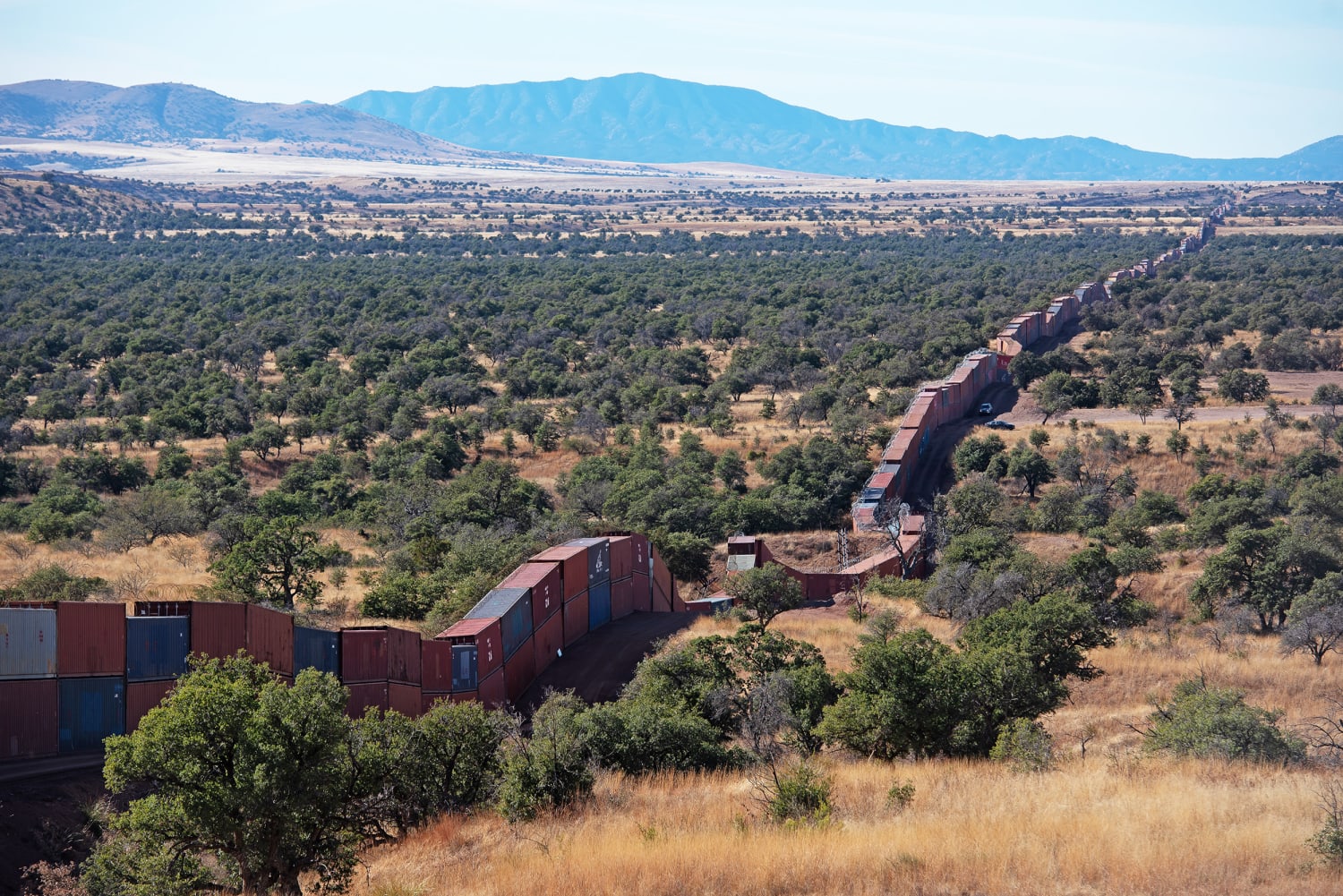
The border between Arizona and Mexico stretches for approximately 386 miles. This frontier is characterized by diverse terrain, ranging from the arid deserts of the Sonoran Desert to rugged mountain ranges. The border region is home to a unique blend of American and Mexican cultures, creating an environment that is both distinct and deeply interconnected. Understanding this geographical connection is crucial for appreciating the full scope of travel and tourism experiences available in this part of the United States.
Key Border Cities and Crossing Points
Several cities in Arizona directly border Mexico, serving as vital gateways for travelers and trade. These crossing points offer a tangible experience of the international boundary and are hubs for cross-border activities.
-
Nogales, Arizona: This is one of the busiest ports of entry on the U.S.-Mexico border. Nogales is a cultural and commercial center, offering visitors a taste of both American and Mexican commerce. The Mariposa Port of Entry is a significant gateway for travelers and commercial vehicles. The city itself provides a lively atmosphere with numerous shops and restaurants that reflect its dual heritage.
-
San Luis, Arizona: Located in southwestern Arizona, San Luis is another important border crossing. It serves as a gateway to the Mexican state of Baja California. The crossing here is active with both pedestrian and vehicular traffic, facilitating the movement of people and goods between the two countries.
-
Douglas, Arizona: Situated in Cochise County, Douglas shares a border with Agua Prieta, Sonora. The historic architecture of Douglas itself, including the iconic Gadsden Hotel, adds a layer of historical significance to the border experience.
-
Ajo, Arizona: While not a direct border crossing city in the same vein as Nogales, the town of Ajo is located in proximity to the Organ Pipe Cactus National Monument, an area that is very close to the border. It serves as a gateway to some of the more remote and natural border landscapes.
Safety and Travel Considerations
For travelers considering a visit to the Arizona border region, it is essential to stay informed about current safety conditions. While border cities and official crossing points are generally safe for tourists, awareness and preparedness are always recommended. Travelers should adhere to official travel advisories and utilize reputable sources for information regarding border safety.
-
Official Travel Advisories: The U.S. Department of State provides comprehensive travel advisories for Mexico, including information specific to border regions. It is advisable to consult these advisories before planning any travel.
-
Border Patrol Presence: The presence of the U.S. Customs and Border Protection and the U.S. Border Patrol is a constant along the border. These agencies work to ensure the security of the border and facilitate legal crossings.
-
Respect Local Laws and Customs: When crossing into Mexico, it is imperative to respect local laws, customs, and regulations. Understanding these differences will enhance the travel experience and ensure a smoother journey.
Experiencing the Border Culture and Tourism
The border region is not just a geographical demarcation; it is a vibrant cultural melting pot. The fusion of American and Mexican influences has created a unique cultural landscape, offering a rich array of experiences for tourists. From the flavors of authentic cuisine to the rhythms of traditional music, the borderlands invite exploration and discovery.
Culinary Delights
The border cuisine is a testament to the fusion of traditions. Here, classic Mexican flavors mingle with Southwestern influences, creating dishes that are both familiar and excitingly new.
-
Sonoran Hot Dogs: A quintessential border specialty, the Sonoran hot dog is a grilled hot dog wrapped in bacon, served in a bolillo-style bun and topped with beans, onions, tomatoes, mayonnaise, and jalapeño sauce. These are a must-try in cities like Tucson and Nogales.
-
Authentic Mexican Cuisine: Beyond the specialized dishes, border towns offer access to incredibly authentic Mexican food. Look for street vendors and family-owned restaurants serving everything from carne asada tacos to rich mole sauces.
-
Southwestern Flavors: Conversely, the influence of Arizona can be tasted in dishes that incorporate local ingredients like green chilies and prickly pear. This fusion creates a distinct culinary identity for the region.

Art, Music, and Local Traditions
The cultural output of the border region is as diverse as its landscape. Visitors can immerse themselves in a vibrant arts scene and experience traditions passed down through generations.
-
Native American Heritage: The border region is home to several Native American reservations, including the Tohono O’odham Nation, whose ancestral lands straddle the border. Visitors can learn about their rich history and contemporary culture through museums and cultural centers.
-
Folk Art and Crafts: Look for local markets and artisan shops that feature traditional Mexican crafts such as intricate pottery, vibrant textiles, and hand-painted ceramics. These items are not only souvenirs but also windows into the artistic heritage of the region.
-
Cross-Border Festivals: Throughout the year, various festivals celebrate the shared heritage of the border communities. These events often feature live music, traditional dances, food vendors, and cultural performances, offering a lively glimpse into binational life.
Exploring Natural Wonders Near the Border
While the border itself is a point of human interaction, the surrounding natural landscapes are equally captivating. These areas offer opportunities for adventure, exploration, and a deeper appreciation of the unique desert ecosystem.
-
Organ Pipe Cactus National Monument: This protected area showcases the striking beauty of the Sonoran Desert, featuring a diverse array of cacti, including the iconic organ pipe cactus. Hiking trails offer opportunities to explore this unique environment. The monument is located very close to the border, offering a glimpse into the natural frontier.
-
Chiricahua National Monument: Though slightly north of the immediate border zone, the Chiricahua Mountains offer dramatic rock formations and diverse wildlife. The region’s natural beauty is a significant draw for outdoor enthusiasts.
-
Sky Island Region: Southeastern Arizona is part of the “Sky Island” region, a series of isolated mountain ranges surrounded by desert lowlands. These mountains support unique ecosystems and offer incredible biodiversity, making them a prime destination for birdwatching and nature photography.
Navigating Border Crossings for Tourism
For tourists intending to explore both sides of the border, understanding the process of crossing is essential. Official ports of entry are designed to facilitate legal travel and are equipped with personnel to assist travelers.
Documentation Requirements
Crossing the border requires proper documentation. For U.S. citizens traveling to Mexico, a valid passport or a WHTI-compliant document such as a passport card or an enhanced driver’s license is required. For U.S. citizens returning from Mexico, the same documentation is necessary. It is always recommended to check the latest requirements with official sources before traveling.
Vehicle Travel and Customs
Driving across the border involves specific regulations. Tourists planning to take their vehicles into Mexico may need to obtain a temporary import permit for their vehicle. Upon returning to the United States, travelers must declare any goods purchased in Mexico that exceed personal exemption limits. Understanding customs regulations is crucial to avoid delays or penalties.
-
Vehicle Import Permits: If you plan to drive your vehicle into Mexico for an extended period, you will likely need to obtain a temporary import permit. These can often be arranged online or at border crossing points.
-
Customs Declarations: Be aware of what you can and cannot bring back into the United States. This includes restrictions on certain food items, agricultural products, and alcohol.
Pedestrian Crossings
Many border cities are also designed for pedestrian crossings, offering a convenient way to explore neighboring towns. This is particularly common in cities like Nogales, where the main commercial and cultural areas are easily accessible on foot from the U.S. side.
The Enduring Significance of the Arizona-Mexico Border
The fact that Arizona borders Mexico is more than a geographical statement; it is the foundation for a unique cultural and economic corridor. This borderland region offers a multifaceted experience for travelers, from historical exploration and culinary adventures to natural beauty and cross-cultural understanding. By understanding the realities of this international frontier, travelers can unlock a wealth of enriching experiences that lie at the heart of the American Southwest. The ongoing dialogue and interaction between these two nations continue to shape the identity and allure of this extraordinary region, making it a compelling destination for those seeking a deeper connection with the land and its people.
LifeOutOfTheBox is a participant in the Amazon Services LLC Associates Program, an affiliate advertising program designed to provide a means for sites to earn advertising fees by advertising and linking to Amazon.com. Amazon, the Amazon logo, AmazonSupply, and the AmazonSupply logo are trademarks of Amazon.com, Inc. or its affiliates. As an Amazon Associate we earn affiliate commissions from qualifying purchases.