
Arizona, a state renowned for its dramatic desert landscapes, vibrant cultural heritage, and abundant sunshine, might not be the first place that springs to mind when considering seismic activity. However, beneath the iconic saguaros and majestic Grand Canyon, the Earth’s crust is not entirely still. While Arizona is not located on a major tectonic plate boundary like California, its geological setting does allow for the occasional tremor. Understanding the seismic history and potential for earthquakes in the Grand Canyon State is crucial for both residents and visitors planning their Arizona adventures.
Understanding Arizona’s Seismic Landscape
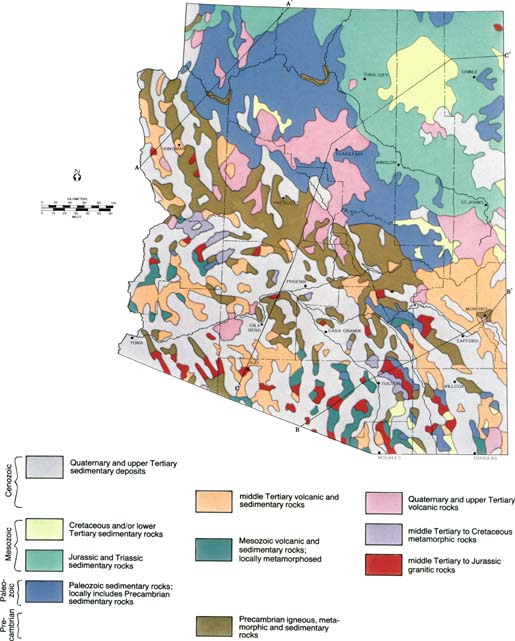
The primary driver of earthquakes in Arizona stems from its position within the Basin and Range Province, a vast geological region characterized by a series of parallel mountain ranges and valleys that stretch across much of the western United States. This province is a result of crustal extension, where the Earth’s lithosphere has been stretched and thinned, leading to faulting and the formation of numerous fault blocks.
Fault Lines and Seismic Activity
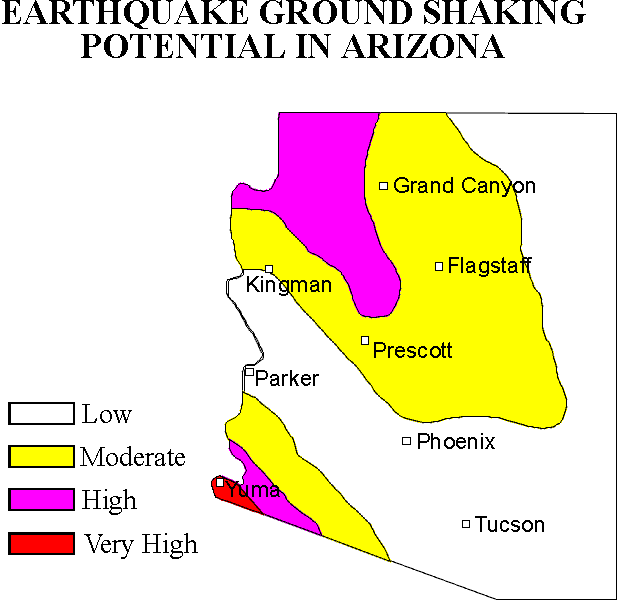
Arizona experiences earthquakes primarily due to movement along these numerous faults. Unlike the significant subduction zones that generate the most powerful quakes on the Pacific Ring of Fire, Arizona’s seismic activity is typically related to these shallower, more localized fault ruptures. The faults in Arizona are often characterized by normal faulting, where the hanging wall moves down relative to the footwall, a direct consequence of the extensional forces at play in the Basin and Range Province.
The most seismically active regions within Arizona tend to be in the northwestern and southeastern parts of the state. Areas near the Arizona-Nevada border, including the region around Lake Mead, and the southeastern corner near the border with Mexico, have historically recorded more frequent and sometimes more significant seismic events. These areas are influenced by broader tectonic forces affecting the entire western Cordillera.
Historical Seismicity
Throughout recorded history, Arizona has experienced earthquakes, though they are generally of lower magnitude compared to those in seismically active coastal regions. The largest historical earthquake in Arizona occurred on September 30, 1934, near Tremonton, Utah, but it had significant effects in northern Arizona. Within Arizona itself, notable earthquakes have occurred periodically, causing minor damage and palpable shaking.
One significant event was a magnitude 5.6 earthquake on October 15, 1991, near Littlefield, Arizona, close to the Nevada and Utah borders. This earthquake was felt across a wide area of the southwestern United States. Another notable event occurred on July 24, 2018, a magnitude 4.2 earthquake near Sedona, Arizona, which was widely felt by residents in the Verde Valley. While these events are relatively minor on a global scale, they serve as reminders of the underlying geological activity.
What to Expect When Visiting Arizona
For travelers and tourists, the risk of experiencing a damaging earthquake in Arizona is generally low. The vast majority of seismic events are minor and often go unnoticed by the general public. However, awareness is always a prudent part of any travel experience, especially when exploring regions with known geological activity.
Preparedness and Safety Tips
While the chances of a major seismic event are slim, basic preparedness can enhance safety and peace of mind for any visitor to Arizona. When staying in hotels, resorts, or rental accommodations, familiarize yourself with emergency exits and follow any safety guidelines provided by the establishment.
During an Earthquake

If an earthquake does occur while you are in Arizona, remember the “Drop, Cover, and Hold On” principle:
- Drop to your hands and knees.
- Cover your head and neck with your arms. If possible, crawl under a sturdy table or desk.
- Hold On to your shelter until the shaking stops.
If you are outdoors, move to an open area away from buildings, trees, and utility wires. If you are in a vehicle, pull over to a safe location and stay inside with your seatbelt fastened until the shaking stops.
Post-Earthquake Procedures
After the shaking has ceased, remain calm. Check yourself and those around you for injuries. If you are in a building, be cautious of falling debris or damaged structures. Avoid using elevators and follow instructions from local authorities or emergency personnel.
Arizona’s Geological Wonders and Seismic Activity
Arizona’s unique geology, while capable of producing earthquakes, is also the source of its spectacular natural landmarks and tourism appeal. The very processes that contribute to seismic activity have, over millennia, sculpted the breathtaking landscapes that draw millions of visitors each year.
The Grand Canyon and Surrounding Areas
The Grand Canyon National Park is a prime example of Arizona’s geological marvels. Carved by the Colorado River over millions of years, its layered rock formations tell a story of ancient environments and geological processes. While the region around the Grand Canyon is not considered a major earthquake hotspot, it is situated within a seismically capable region. Seismic monitoring in and around the park is conducted to understand any subtle geological movements. Visitors can enjoy the awe-inspiring views and hiking trails knowing that while seismic events are possible in Arizona, they are generally infrequent and of low magnitude in this specific area.
Sedona and the Verde Valley
The red rock formations of Sedona, a renowned destination for its stunning natural beauty and spiritual retreats, are another product of Arizona’s geological history. The Verde Valley itself is part of the Basin and Range topography, with numerous fault lines running through the area. As mentioned earlier, the Verde Valley has experienced earthquakes, including the 2018 event near Sedona. While this can be unsettling, the area is generally considered to have a low to moderate seismic risk. The focus for visitors here is on exploring the vortex sites, hiking scenic trails, and experiencing the local art scene.
Tucson and Southern Arizona
Southern Arizona, including the city of Tucson and its surrounding mountain ranges like the Santa Catalinas, is also part of the Basin and Range Province. This region has a history of seismic activity, with faults capable of generating earthquakes. The Arizona Seismic Network actively monitors seismic activity throughout the state, including southern Arizona. For tourists visiting Tucson, attractions like the Arizona-Sonora Desert Museum, Saguaro National Park, and the historic missions offer rich cultural and natural experiences. Understanding that seismic events are a natural geological phenomenon of the region is part of appreciating its dynamic landscape.
Conclusion: A State of Geological Interest
In conclusion, while Arizona might not be synonymous with devastating earthquakes, it is indeed a state that experiences seismic activity. The geological forces shaping the Basin and Range Province ensure that the ground beneath Arizona is not entirely static. For those planning a trip to explore its deserts, canyons, and cultural sites, a basic understanding of this phenomenon is beneficial.
The likelihood of encountering a significant earthquake during a visit to Arizona is low. However, by being informed and aware, travelers can fully immerse themselves in the wonders of the Grand Canyon State, from the vibrant streets of Phoenix to the serene landscapes of Sedona, with confidence and preparedness. Arizona’s geology is a fundamental part of its identity, contributing to both its natural beauty and its subtle seismic rhythms.
LifeOutOfTheBox is a participant in the Amazon Services LLC Associates Program, an affiliate advertising program designed to provide a means for sites to earn advertising fees by advertising and linking to Amazon.com. Amazon, the Amazon logo, AmazonSupply, and the AmazonSupply logo are trademarks of Amazon.com, Inc. or its affiliates. As an Amazon Associate we earn affiliate commissions from qualifying purchases.