
While often lauded for its year-round sunshine and desert heat, Phoenix, Arizona does experience cooler temperatures, particularly during the winter months. Understanding these nuances can significantly enhance a visitor’s experience, whether planning a desert adventure, a relaxing getaway, or simply seeking to escape the more intense summer scorch. This exploration delves into the typical winter climate of the Valley of the Sun, offering insights for travelers and locals alike.
Winter Weather Patterns in the Valley of the Sun
The perception of Phoenix as perpetually hot is largely due to its scorching summers. However, its desert climate also dictates significant diurnal temperature swings and a distinct cooler season.
Average Winter Temperatures
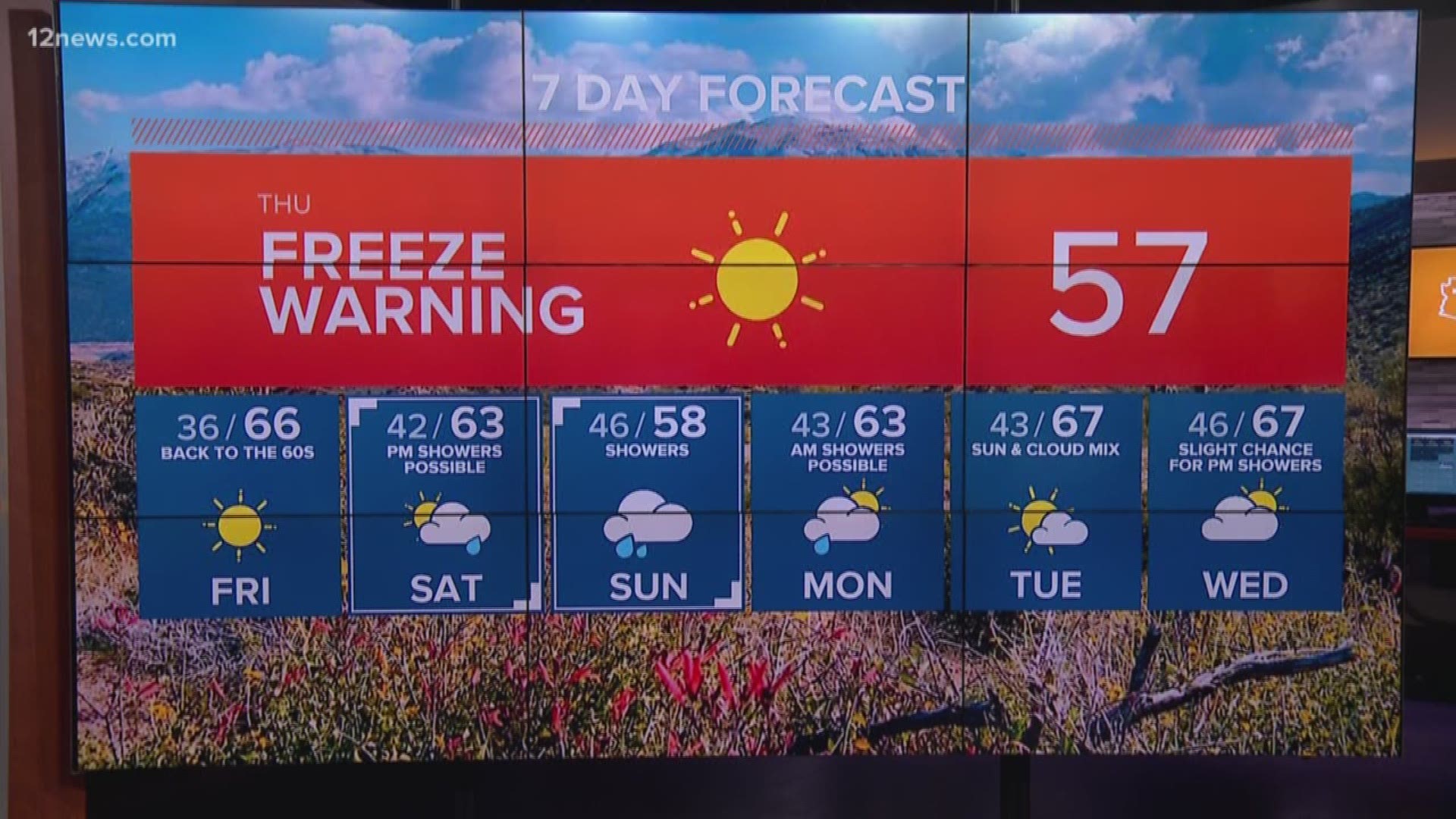
During the winter months, typically from December through February, Phoenix enjoys mild and pleasant conditions. Average daytime high temperatures hover in the mid-60s Fahrenheit (around 18-20°C), making it an ideal time for outdoor activities. Evenings and early mornings, however, can bring a noticeable chill, with average lows dipping into the upper 40s Fahrenheit (around 9-10°C). It’s not uncommon for temperatures to occasionally drop into the low 30s Fahrenheit (around 0-2°C) on clear, still nights, especially in outlying areas or neighborhoods with less urban heat island effect.
Frost and Freezing Temperatures
While widespread snow is an extreme rarity in the valley floor, frost is a more common occurrence during colder winter spells. Freezing temperatures (32°F or 0°C) are not unheard of, particularly from late December through January. These events are typically short-lived, often thawing out by mid-morning. When freezing temperatures are forecast, local news outlets and weather services provide advisories, and residents might see a light dusting of frost on lawns and vehicles. The higher elevations surrounding Phoenix, such as the Mogollon Rim and the mountains of Flagstaff, can receive significant snowfall during this period, offering a stark contrast to the valley’s milder climate.
Rainfall and Humidity
Winter is also Phoenix’s wet season, although “wet” is relative in this arid region. The majority of the city’s annual precipitation falls during these months, often in the form of gentle, prolonged drizzles or occasional thunderstorms. These rain events can temporarily lower temperatures and increase humidity levels, providing a welcome respite from the dry desert air. However, prolonged periods of significant rainfall are uncommon, and the desert landscape generally remains parched even with winter showers.
Experiencing Phoenix’s Cooler Climate: A Traveler’s Guide
The mild winter weather makes Phoenix a prime destination for those seeking to escape colder climes. It’s an excellent period for exploring the city’s numerous attractions without the oppressive heat of summer.
Outdoor Activities During Winter
The cooler temperatures are perfect for a wide range of outdoor pursuits. Hiking in the Phoenix Mountains Preserve, which includes iconic landmarks like Camelback Mountain and Piestewa Peak, becomes much more enjoyable. Visitors can also explore the Desert Botanical Garden or take scenic drives through the surrounding desert landscape without the risk of heatstroke. Golfing is a major draw during this season, with world-class courses like those at Troon North Golf Club attracting enthusiasts from around the globe.
What to Pack for a Phoenix Winter Trip
Packing for a Phoenix winter involves layering. Daytime temperatures are pleasant enough for light clothing, such as t-shirts and shorts. However, for the cooler mornings and evenings, it’s essential to pack sweaters, light jackets, or fleece. Comfortable walking shoes are a must for exploring the city and its natural surroundings. Even though it’s winter, the desert sun can still be intense, so sunglasses, a hat, and sunscreen are highly recommended year-round.
Winter Events and Festivals
The cooler weather also coincides with a vibrant calendar of events in Phoenix. This is the peak season for outdoor festivals, art fairs, and sporting events. The popular Parada del Sol, a historic western-themed parade, usually takes place in February. The Waste Management Phoenix Open, a major PGA Tour event, is also held in early February at the TPC Scottsdale, drawing massive crowds. Many resorts and hotels offer special packages during this time, making it an ideal period for a visit.
Comparing Phoenix Winters to Other Destinations
To truly appreciate the climate of Phoenix, it’s helpful to compare it to other popular tourist destinations.
Contrast with Northern Climates

Compared to cities in the northern United States or Canada, Phoenix’s winters are remarkably mild. While places like Chicago or New York City grapple with snow, ice, and freezing temperatures, Phoenix offers a reprieve with comfortable daytime highs. This stark contrast makes it a highly sought-after winter escape for those seeking sunshine and outdoor activities.
Comparison with Southern California
While both Phoenix and cities in Southern California like Los Angeles or San Diego enjoy mild winters, there are subtle differences. Southern California coastal areas tend to have more moderate temperatures year-round, with less variation between day and night and a lower chance of frost. Phoenix, being inland and in a desert environment, experiences more dramatic temperature swings and a higher likelihood of frost and occasional freezing temperatures during its coldest spells. However, both regions offer a welcome escape from harsh winter conditions.
The Appeal of Phoenix’s Winter
The allure of a Phoenix winter lies in its balance. It’s warm enough to enjoy outdoor activities without sweating profusely, yet cool enough to offer a sense of seasonal change. The drier air, even with occasional rain, is often preferable to the damp chill of other regions. For many, the crisp desert mornings followed by sunny, comfortable afternoons represent the perfect blend of pleasant weather and invigorating outdoor opportunities.
Factors Influencing Phoenix’s Winter Temperatures
Several geographical and meteorological factors contribute to the specific winter weather patterns observed in Phoenix.
Elevation and Microclimates
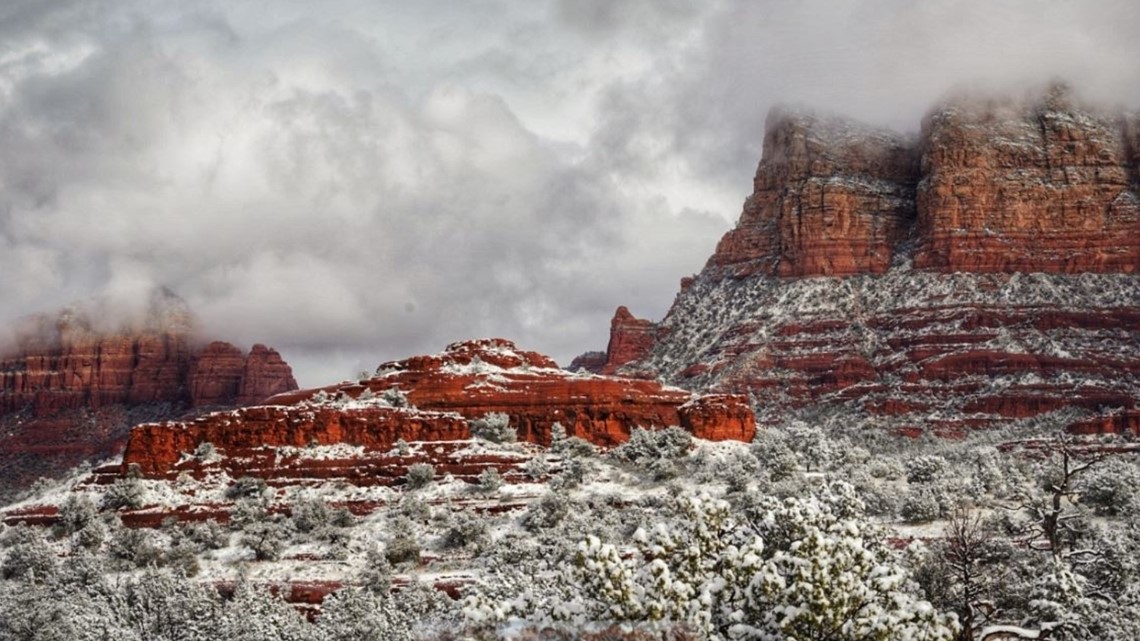
Phoenix is situated in a valley, surrounded by mountain ranges. While the valley floor experiences its own unique climate, variations in elevation can lead to microclimates. Areas at higher elevations, such as the foothills of the McDowell Mountains or neighborhoods built further into the mountains, will generally be a few degrees cooler than the central urban core. This is also why the surrounding higher desert regions, like Sedona, can experience colder temperatures and even occasional snow while the city remains frost-free.
Urban Heat Island Effect
Like many large cities, Phoenix experiences the urban heat island effect. Concrete, asphalt, and buildings absorb and retain heat, radiating it back into the atmosphere. This phenomenon means that urban areas tend to be a few degrees warmer than surrounding rural or undeveloped areas, especially at night. During cold snaps, the downtown core and densely populated suburbs might stay slightly warmer than outlying agricultural lands or desert washes, offering a small but noticeable buffer against the coldest temperatures.
Pacific Storm Systems
The winter weather in Phoenix is largely influenced by storm systems originating from the Pacific Ocean. These systems can bring clouds, rain, and cooler air into the region. The frequency and intensity of these Pacific storms dictate the overall temperature and precipitation patterns for the winter months. A winter with more active storm tracks generally means cooler temperatures and more rainfall for Arizona. Conversely, a drier winter, often characterized by high-pressure systems dominating the West Coast, will lead to warmer and drier conditions in Phoenix.
Preparing for the Possibility of Cold
While a Phoenix winter is generally mild, preparedness is always key, especially for those unaccustomed to desert climates.
Understanding Forecasts
It is advisable for visitors and residents to monitor local weather forecasts, especially during the peak winter months of January and February. Weather patterns can shift, and unexpected cold fronts can bring temperatures significantly below average. Reliable sources include the National Weather Service and local news channels, which will issue advisories for frost or freezing conditions.
Cold Weather Gear for Desert Dwellers
For residents, having a few essential cold-weather items on hand is wise. This includes a warm jacket or coat, a hat, and gloves for those particularly chilly mornings. For those with sensitive plants, knowing how to protect them from frost is also beneficial. Travelers should ensure their accommodation has adequate heating, and if planning to venture into higher elevations, warmer attire is absolutely essential.
The Value of Phoenix’s Mild Winters
Ultimately, the “cold” in Phoenix, Arizona, is a relative term. It represents a pleasant transition from the extreme heat of summer, offering a comfortable climate for tourism, outdoor recreation, and enjoying the vibrant local culture. For many, the prospect of a winter with highs in the 60s and lows in the 40s is a far cry from a harsh winter and adds to the city’s appeal as a winter destination. The ability to enjoy world-class golf, explore scenic desert trails, and experience numerous outdoor events, all while escaping frigid temperatures, is the true draw of Phoenix during its cooler months.
LifeOutOfTheBox is a participant in the Amazon Services LLC Associates Program, an affiliate advertising program designed to provide a means for sites to earn advertising fees by advertising and linking to Amazon.com. Amazon, the Amazon logo, AmazonSupply, and the AmazonSupply logo are trademarks of Amazon.com, Inc. or its affiliates. As an Amazon Associate we earn affiliate commissions from qualifying purchases.