
Navigating the process of transferring a car title in Arizona might seem daunting, especially when you’re unfamiliar with the state’s specific regulations. Whether you’ve recently purchased a vehicle, sold one, or are gifting it to a family member, understanding the proper procedure is crucial for a smooth transaction. This guide will walk you through the essential steps and requirements for successfully transferring a car title in the Grand Canyon State, ensuring you meet all legal obligations with the Arizona Department of Transportation (ADOT) Motor Vehicle Division (MVD).
Understanding the Arizona Title Transfer Process
At its core, a car title transfer is the legal documentation that signifies a change in ownership of a vehicle. In Arizona, this process is overseen by the ADOT MVD and involves several key documents and considerations. It’s not just about signing on the dotted line; it’s about ensuring that the new owner is legally recognized and that all tax and fee obligations are appropriately handled. The process is designed to prevent fraud and to maintain accurate vehicle registration records.
Essential Documents for a Title Transfer
Several documents are indispensable for completing a title transfer in Arizona. Having these readily available will streamline the process and minimize potential delays.
The Arizona Certificate of Title
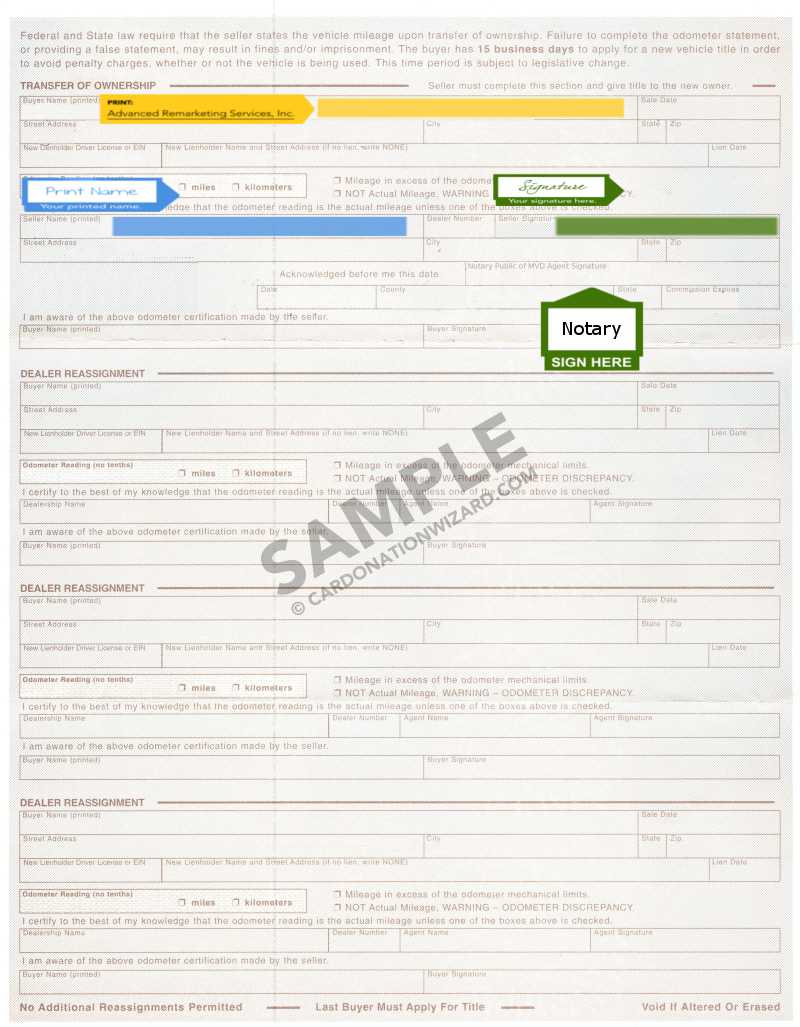
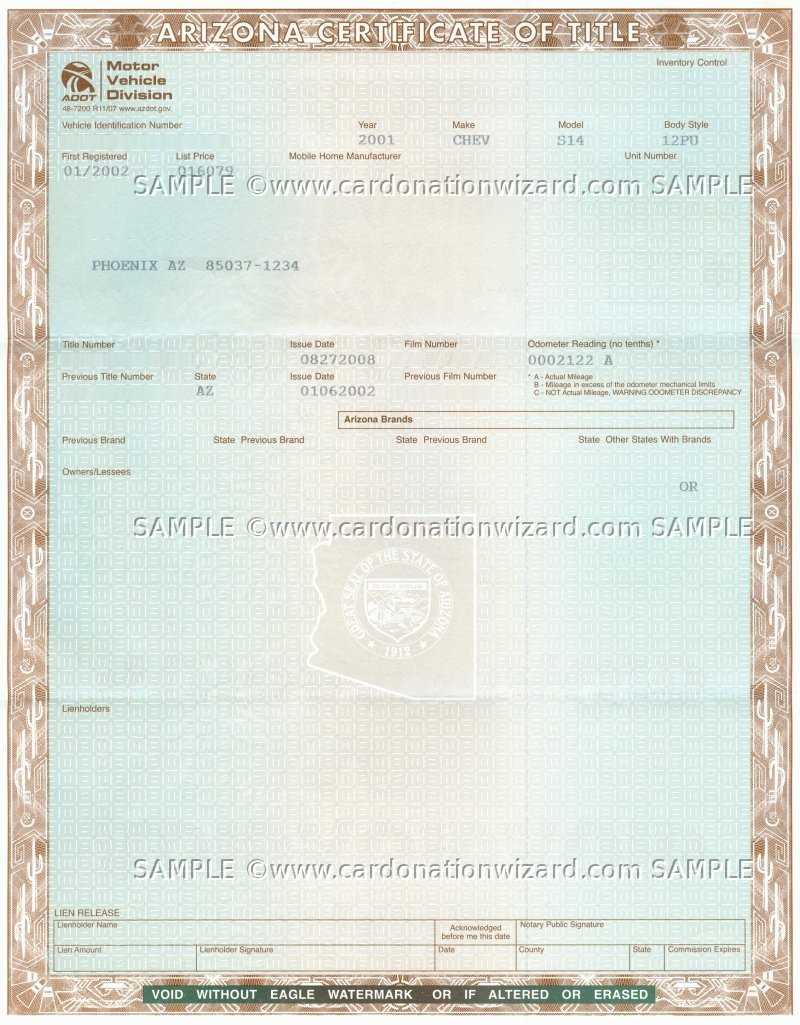
The most critical document is the existing Arizona Certificate of Title. This document serves as proof of ownership. If the seller has lost the title, they will need to apply for a duplicate title from the ADOT MVD before the transfer can proceed. The title should be free of any liens. If there is a lienholder listed, their signature or a lien release document will be required.
Bill of Sale
While not always strictly required for a title transfer between private parties if the title itself is properly completed, a Bill of Sale is highly recommended. This document provides a clear record of the transaction, including the purchase price, the date of sale, the vehicle identification number (VIN), and the names and signatures of both the buyer and the seller. It can be invaluable for resolving any disputes that might arise later. You can find templates for Arizona Bills of Sale online or directly from the ADOT MVD website.
Odometer Disclosure Statement
For vehicles less than 10 years old, an odometer disclosure statement is mandatory. This is usually integrated into the Arizona Certificate of Title. Both the buyer and seller must accurately record the vehicle’s mileage at the time of sale. Tampering with or misrepresenting the odometer reading is a serious offense.
Lien Release (If Applicable)
If there was a loan on the vehicle, the lienholder must provide a signed lien release document or indicate the lien has been satisfied directly on the title. Without this, the new owner cannot receive a clear title.
Key Parties Involved
The primary parties involved in a title transfer are the buyer and the seller. Their roles and responsibilities are clearly defined by Arizona law and ADOT MVD procedures.
Seller’s Responsibilities
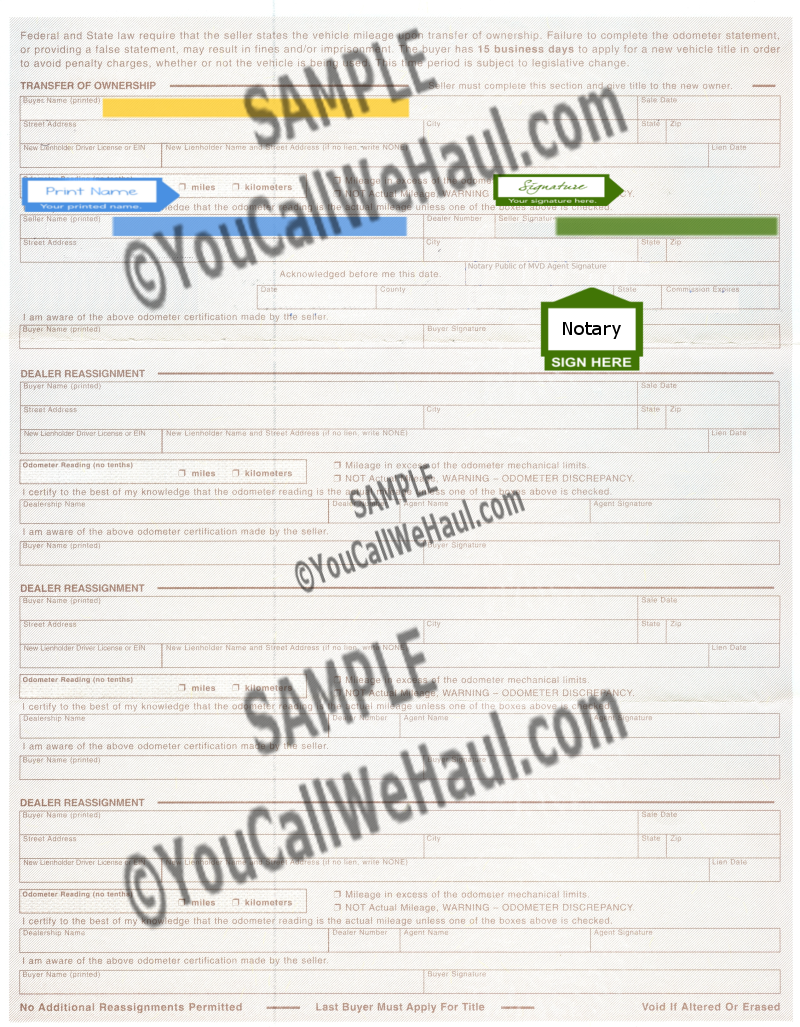
The seller is responsible for accurately completing the “transfer of title by seller” section on the Arizona Certificate of Title. This includes signing the title, providing the current odometer reading, and listing the buyer’s name and address. They must also disclose any known issues with the vehicle, although this is often done through a separate disclosure form or the Bill of Sale. Once the title is signed over, the seller should retain a copy of the Bill of Sale for their records.
Buyer’s Responsibilities
The buyer’s primary responsibility is to complete the “assignment of title by buyer” section on the title and to submit the necessary paperwork and fees to the ADOT MVD within a specified timeframe (typically 15 days from the purchase date). This includes applying for a new title in their name and registering the vehicle. Failure to do so can result in penalties.
Steps to Transfer a Car Title in Arizona
The process can be broken down into actionable steps, making it easier to manage. Whether you are buying from a dealership or a private seller, the core principles remain the same, with slight variations in required documentation.
For Private Party Sales
This is where most title transfers occur, and understanding these steps is paramount for both buyers and sellers.
1. Seller Completes the Title
The seller must provide the buyer with the properly signed-over Arizona Certificate of Title. They will fill out the sections designated for the seller, including their signature, printed name, and the buyer’s information. It is crucial that all information is accurate and legible to avoid issues with the MVD. Any errors could invalidate the transfer.
2. Buyer Completes Their Section
The buyer then takes the title and completes their section, signing and printing their name. If there’s a Bill of Sale, it should be completed and signed by both parties at this stage. The odometer reading must be accurately recorded.
3. Buyer Submits Paperwork to ADOT MVD
The buyer is responsible for taking the completed title, Bill of Sale (if applicable), and any other required documents to an ADOT MVD office or an authorized third-party provider. Here, they will:
- Pay Fees: Various fees are associated with title transfers, including title fees, registration fees, and sales tax (transaction privilege tax). The amount of sales tax is calculated based on the purchase price of the vehicle and the applicable local tax rate.
- Apply for New Title: The buyer will fill out an application for a new title in their name.
- Register the Vehicle: If the vehicle is not currently registered, or if the registration needs to be updated, the buyer will also complete the registration process. This typically requires proof of insurance and an emissions test (depending on the vehicle’s age and county of residence).
4. Receiving the New Title
After processing, the ADOT MVD will mail the new Certificate of Title to the buyer. This can take several weeks. The registration and license plates will typically be issued at the time of the transaction if all requirements are met.
For Purchases from Dealerships
When you purchase a vehicle from a licensed dealership in Arizona, the process is often simplified, as the dealership typically handles the bulk of the paperwork on your behalf.
Dealer’s Role in Title Transfer
Most dealerships in Arizona are authorized to handle title and registration services. Upon purchasing a vehicle, the dealership will:
- Prepare Necessary Documents: They will gather all the required paperwork, including the Manufacturer’s Certificate of Origin (MCO) or the previous owner’s title, and prepare the application for a new title in your name.
- Collect Fees and Taxes: The dealership will collect the purchase price, sales tax, title fees, and registration fees.
- Submit to MVD: They will then submit all the paperwork and collected funds to the ADOT MVD on your behalf.
Buyer’s Responsibilities
While the dealership handles much of the administrative work, your responsibilities include:
- Providing Information: You will need to provide the dealership with all necessary personal information for the title and registration application.
- Verifying Documents: It’s still a good practice to review the paperwork provided by the dealership before signing, ensuring all details are correct.
- Receiving New Title and Registration: The dealership will inform you when your new title and registration are ready, or they may provide temporary documentation and arrange for the permanent documents to be mailed to you.
Special Circumstances and Considerations
Beyond standard sales, there are other situations that might require a title transfer, each with its own nuances.
Gifting or Inheriting a Vehicle
When a vehicle is gifted or inherited, the process for title transfer might differ slightly, particularly regarding sales tax.
Gifting a Vehicle
If a vehicle is gifted, the seller (donor) must still sign over the title. Arizona law often allows for the exemption of sales tax if the vehicle is genuinely gifted, meaning no money or other compensation is exchanged. However, proper documentation, such as a signed affidavit of gift, may be required by the ADOT MVD to verify the nature of the transfer. The recipient (donee) will still be responsible for title fees, registration fees, and potentially other associated costs.
Inheriting a Vehicle
Inheriting a vehicle typically requires a death certificate and the original title. If the deceased owner had a will, the executor of the estate will likely need to sign over the title. If there was no will, specific procedures for intestate succession will apply, often involving court documents or affidavits. The heir will then be responsible for the title transfer fees and registration. It’s advisable to consult with the ADOT MVD or an attorney if you are unsure about the specific requirements for inherited vehicles.
Transferring Title Without a Physical Title
In rare cases, a physical title may be lost or damaged.
Replacing a Lost Title
If the seller no longer has the physical title, they must apply for a duplicate title from the ADOT MVD before they can transfer ownership. This involves filling out an Application for a Duplicate Title and paying the required fee. Once the duplicate title is issued, the seller can then proceed with the sale and title transfer.
Liens and Their Release
A lien is a legal claim on a vehicle as security for a loan.
Handling Liens During Transfer
If a vehicle has an outstanding lien, the lienholder must be paid off before the title can be transferred cleanly. The lienholder will then sign a release of lien on the title or provide a separate lien release document. The buyer should ensure that this release is properly executed and recorded by the ADOT MVD before completing the transaction. Purchasing a vehicle with an unresolved lien can lead to significant legal and financial complications.
Frequently Asked Questions About Arizona Title Transfers
Understanding common questions can help demystify the process further and ensure you’re prepared for any scenario.
How Long Do I Have to Transfer a Title in Arizona?
In Arizona, you have 15 days from the date of purchase to transfer the title and register the vehicle with the ADOT MVD. Failure to meet this deadline can result in penalties and late fees.
What is the Sales Tax in Arizona for Vehicles?
Arizona levies transaction privilege tax (sales tax) on vehicle sales. The rate varies by county and city, but the state rate is 5.6%. Many cities add their own surtax, making the total rate higher. The tax is calculated on the purchase price of the vehicle.
Do I Need Emissions Testing for a Title Transfer?
Emissions testing is required for vehicles registered in certain counties, primarily Maricopa and Pima counties. The requirement typically applies to vehicles of a certain age or model year. If you are registering a vehicle in one of these counties and it meets the criteria, you will need to pass an emissions test before your registration can be finalized.
Can I Transfer a Title Online in Arizona?
Currently, the Arizona Department of Transportation MVD does not offer online services for completing a full vehicle title transfer between private parties. While some services like renewal of registration or ordering replacement plates might be available online, the physical transfer of ownership and title requires an in-person visit or utilizing authorized third-party providers.
What if the Seller’s Name on the Title is Different?
If the seller’s name on the title doesn’t match their current identification, they may need to provide additional documentation, such as a marriage certificate or a court order, to prove their legal right to sell the vehicle. It’s essential to clarify this with the seller and potentially the ADOT MVD to ensure the transfer is valid.
By understanding these steps and requirements, you can confidently navigate the process of transferring a car title in Arizona, ensuring a legal and hassle-free ownership change for your vehicle.
LifeOutOfTheBox is a participant in the Amazon Services LLC Associates Program, an affiliate advertising program designed to provide a means for sites to earn advertising fees by advertising and linking to Amazon.com. Amazon, the Amazon logo, AmazonSupply, and the AmazonSupply logo are trademarks of Amazon.com, Inc. or its affiliates. As an Amazon Associate we earn affiliate commissions from qualifying purchases.