
Navigating the process of transferring a car title in Arizona can seem daunting, especially if you’re new to the state or unfamiliar with its Department of Transportation (MVD) procedures. Whether you’ve purchased a used vehicle, gifted it to a family member, or inherited it, understanding the correct steps is crucial for legal ownership and peace of mind. This guide will walk you through the essential requirements and procedures to ensure a smooth and compliant title transfer in the Grand Canyon State.
Understanding the Arizona Title Transfer Process
The Arizona MVD handles all vehicle title and registration matters. A title transfer officially moves legal ownership of a vehicle from one person or entity to another. This is a critical step that protects both the buyer and the seller. For the buyer, it signifies legal ownership, allowing them to register the vehicle and obtain license plates. For the seller, it absolves them of all responsibility associated with the vehicle. Failing to complete this transfer properly can lead to ongoing liability, fines, and legal complications.
Key Documents Required for Title Transfer
Several documents are indispensable for a successful title transfer. Gathering these in advance will expedite the process and prevent unnecessary trips to the MVD.
The Arizona Certificate of Title
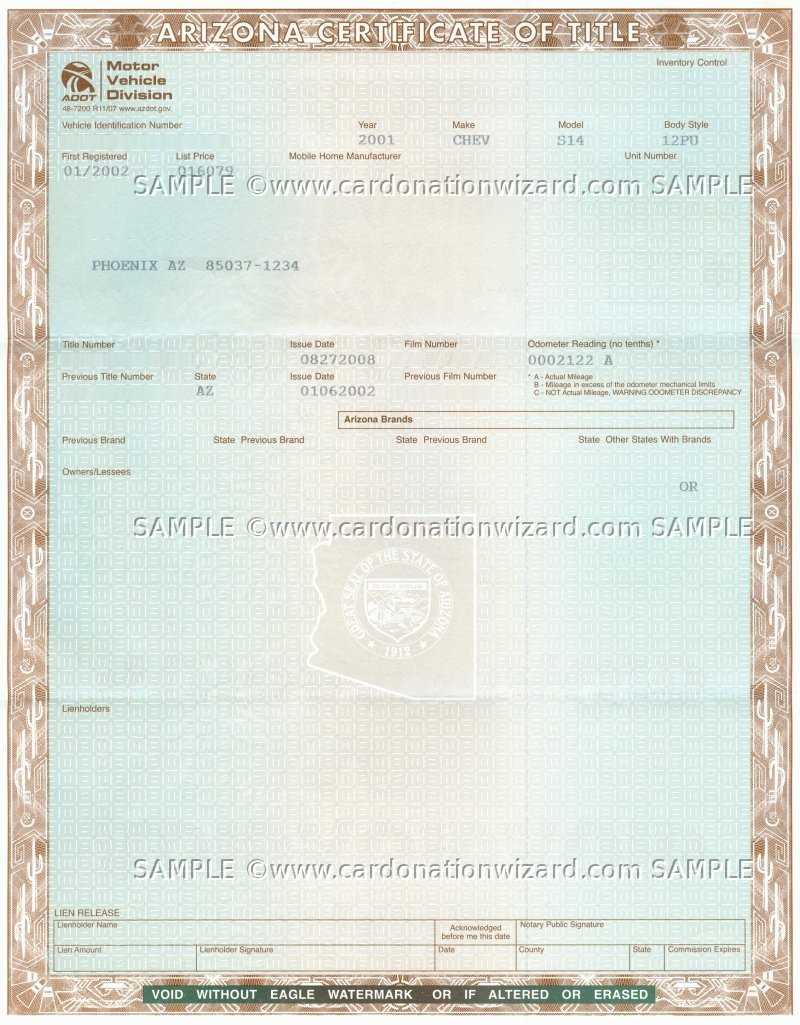
The most crucial document is the existing Arizona Certificate of Title, also known as the “pink slip.” This document serves as proof of ownership.
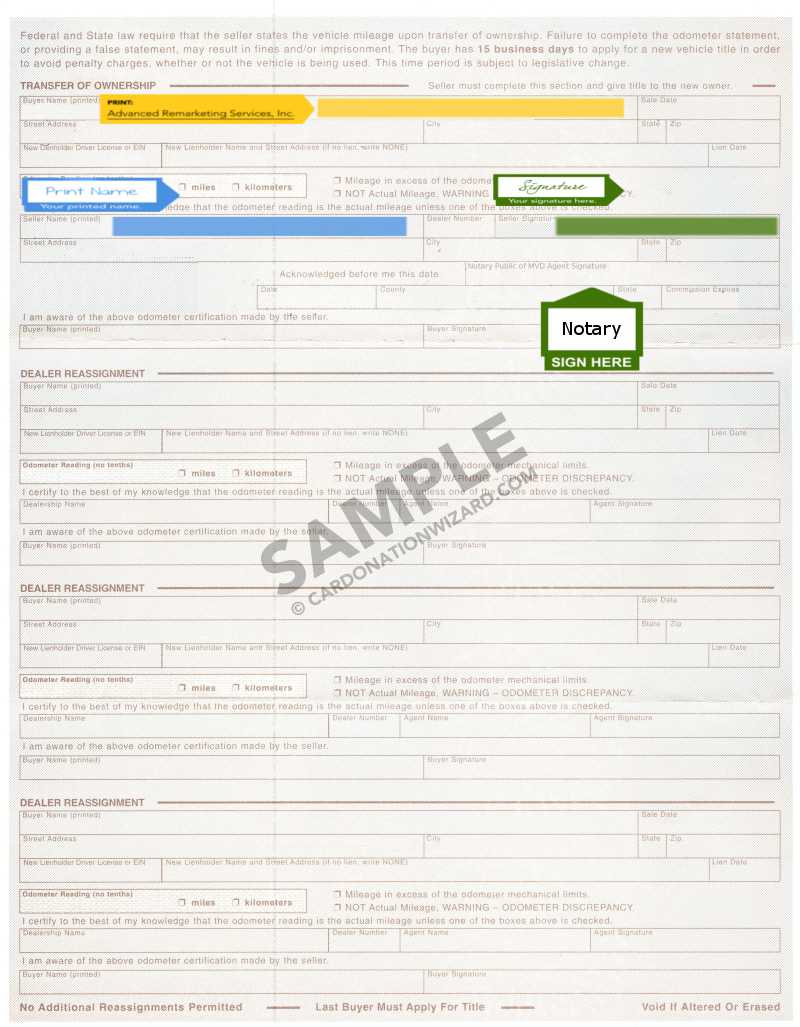
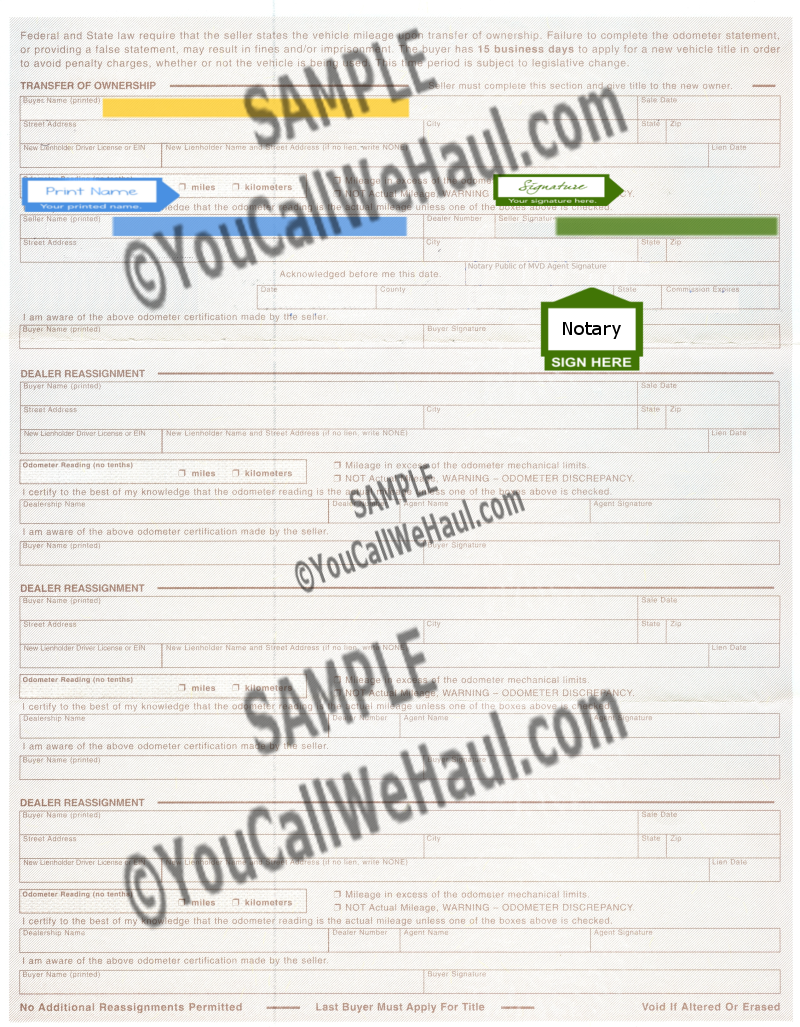
- Seller’s Responsibility: The current owner (seller) must sign the title over to the new owner (buyer) in the designated sections. This typically includes their printed name, signature, and date.
- Odometer Disclosure: The seller must accurately record the vehicle’s mileage on the title or on a separate odometer disclosure statement if the title does not have a designated area. This is a federal requirement to prevent odometer fraud.
- Lien Information: If there was a loan on the vehicle, the lienholder’s information will be present on the title. The lien must be satisfied and released by the lienholder before the title can be transferred. The seller will need to provide proof of lien release.
- Buyer’s Responsibility: The new owner (buyer) will need to fill out their name and address, and sign the title to acknowledge their acceptance of ownership.
Bill of Sale
While not always mandatory for a title transfer between private parties if the title itself is properly completed and signed, a Bill of Sale is highly recommended. It provides an independent record of the transaction, including:
- Vehicle Information: Year, make, model, and Vehicle Identification Number (VIN) of the vehicle.
- Sale Price: The agreed-upon purchase price.
- Date of Sale: The date the transaction occurred.
- Names and Signatures: Full names and signatures of both the buyer and the seller.
- “As-Is” Clause: It’s common to include a statement indicating that the vehicle is being sold “as-is,” meaning the seller is not providing any warranty or guarantee regarding its condition.
Proof of Identity and Residency
Both the buyer and the seller will need to provide proof of identity.
- Buyer: A valid government-issued photo ID (e.g., driver’s license, passport). Proof of residency in Arizona may also be required, such as utility bills or lease agreements.
- Seller: A valid government-issued photo ID.
Other Potential Documents
Depending on the circumstances, other documents might be necessary:
- Lien Release: As mentioned, if there was a loan, a notarized lien release from the financial institution is required.
- Probate Documents: If the vehicle was inherited, a court order or letters of administration may be needed.
- Power of Attorney: If someone is signing on behalf of the buyer or seller, a notarized Power of Attorney document is essential.
- Emissions Test/Safety Inspection: In certain counties in Arizona (Maricopa, Pima, and certain portions of Pinal), vehicles require an emissions test or safety inspection before they can be registered. Check the MVD website for specific county requirements.
Steps for Completing the Title Transfer
The process involves actions from both the seller and the buyer, culminating in submission to the MVD.
Seller’s Responsibilities
- Complete the Title: The seller must accurately fill out the seller’s section of the Arizona Certificate of Title. This includes signing, dating, and recording the odometer reading. Ensure all information is legible and matches the vehicle’s VIN.
- Provide Bill of Sale: If a Bill of Sale is used, the seller should sign it and provide a copy to the buyer.
- Release Lien: If applicable, ensure the lien is satisfied and obtain a lien release document.
Buyer’s Responsibilities
- Inspect the Title: Carefully review the title provided by the seller to ensure it is accurate, free of alterations, and that the VIN matches the vehicle. Check for any existing liens.
- Complete the Title: Sign and date the buyer’s section of the title.
- Obtain Insurance: Before you can register the vehicle, you will need proof of Arizona liability insurance.
- Perform Emissions Test/Safety Inspection (if required): Take the vehicle for the necessary inspection if your county mandates it.
- Visit the MVD: Schedule an appointment or visit an Arizona MVD office or an authorized third-party partner. You will need to submit the completed title, Bill of Sale (if applicable), proof of insurance, proof of identity, proof of residency, and any other required documents.
- Pay Fees: Be prepared to pay the applicable title transfer fees, registration fees, and any taxes (like the Highway Use Tax). The amount will vary based on the vehicle’s age, value, and type.
Fees and Taxes Associated with Title Transfer
When transferring a car title in Arizona, you will encounter several fees and potential taxes that contribute to the state’s transportation infrastructure. Understanding these costs upfront can help you budget for the transaction.
Title Transfer Fee
There is a standard fee charged by the MVD for processing the title transfer itself. This fee is relatively modest but is a mandatory part of the process.
Registration Fees
Once the title is transferred, you will need to register the vehicle. Registration fees in Arizona are generally based on the vehicle’s weight, age, and type. Newer, heavier vehicles typically incur higher registration fees.
Highway Use Tax (HUT)
Arizona imposes a Highway Use Tax (HUT) on vehicles purchased from private parties or out-of-state. This tax is calculated based on the vehicle’s declared value or purchase price, whichever is greater, and its model year. Older vehicles typically have a lower HUT assessment. If you purchased the vehicle from a licensed dealer, sales tax is usually collected at the time of sale, and HUT is not applicable.
Other Potential Fees
- License Plate Fees: There might be a small fee for new license plates if you are not transferring existing plates.
- Late Fees: If you do not complete the title transfer and registration within the stipulated timeframe (usually 15 days from the sale date), you may incur late penalties.
It is advisable to check the official Arizona MVD website or contact them directly for the most current fee schedule and tax rates, as these can be subject to change.
Common Scenarios and Special Considerations
While the general process applies to most title transfers, certain situations require specific attention.
Transferring a Title for a Gifted Vehicle
If a vehicle is gifted, the seller (donor) still needs to sign over the title. The buyer (recipient) will need to provide a statement or affidavit indicating that the vehicle was a gift and was not purchased. While a purchase price is not declared, taxes and fees will still apply based on the vehicle’s age and type. Often, a nominal fee is assigned for gifted vehicles for tax calculation purposes.
Transferring a Title for an Inherited Vehicle
When inheriting a vehicle, the process can be more complex. You will likely need to provide the death certificate of the former owner and any relevant probate documents or court orders that grant you ownership. The MVD will guide you through the specific requirements based on whether a will was probated.
Out-of-State Vehicle Purchases
If you purchase a vehicle outside of Arizona and plan to register it in the state, you will need to obtain an Arizona title. This typically involves submitting the out-of-state title, proof of ownership, a VIN inspection (which may be done by an MVD agent or a designated inspector), and proof of insurance. You will also need to pay applicable taxes and fees.
Lost or Damaged Title
If the seller has lost the title, they will need to apply for a duplicate title from the Arizona MVD before they can transfer ownership to you. This can add time to the process. If the title is damaged but legible, it may still be accepted, but the MVD will assess its condition.
Finalizing the Transfer: Registration and License Plates
Once the title transfer is complete and approved by the MVD, the next step is to register the vehicle and obtain license plates.
Registration Requirements
As mentioned, proof of Arizona liability insurance is mandatory. You will also need to provide the completed title, a completed application for registration, and pay the registration fees. For vehicles requiring them, a current emissions certificate or safety inspection report must be presented.
License Plates
You will be issued new license plates or have the option to transfer existing plates from another vehicle you own, provided they are current and in good standing. The MVD will provide you with the necessary documentation to affix the plates to your vehicle.
By understanding and diligently following these steps, you can successfully transfer a car title in Arizona, ensuring your legal ownership and compliance with state regulations. Always refer to the official Arizona MVD website for the most up-to-date forms, fee schedules, and specific requirements.
LifeOutOfTheBox is a participant in the Amazon Services LLC Associates Program, an affiliate advertising program designed to provide a means for sites to earn advertising fees by advertising and linking to Amazon.com. Amazon, the Amazon logo, AmazonSupply, and the AmazonSupply logo are trademarks of Amazon.com, Inc. or its affiliates. As an Amazon Associate we earn affiliate commissions from qualifying purchases.