
Navigating the vast and awe-inspiring landscapes of Arizona often involves careful planning, especially when seeking to experience its most iconic natural wonders. For many travelers venturing through the heart of the American Southwest, the proximity of renowned destinations is a crucial consideration. Sedona, Arizona, celebrated for its vibrant red rock formations and spiritual allure, serves as a popular base for exploring the region. A short but significant journey from Sedona leads to one of the planet’s most photographed slot canyons: Antelope Canyon. Understanding the travel time and best routes between these two distinct yet complementary attractions is essential for crafting an efficient and memorable itinerary.
The Direct Drive: Distance and Time
The most straightforward way to travel from Sedona to Antelope Canyon is by car. The distance is approximately 120 miles (about 193 kilometers). This journey typically takes around 2 to 2.5 hours of driving time, depending on traffic conditions and the specific route taken. The primary route generally involves heading north from Sedona on State Route 89A, which eventually merges with U.S. Route 89 North. This highway then leads directly to the vicinity of Page, Arizona, the gateway town to Antelope Canyon.
Route Considerations
While the drive itself is relatively short in terms of distance, the scenic nature of SR 89A can tempt drivers to slow down and appreciate the changing landscapes. This route winds through the Coconino National Forest, offering glimpses of diverse flora and geological features. As you approach Flagstaff, Arizona, the terrain shifts, and you’ll begin to see the distinctive pine forests characteristic of the high desert.
Once you are on U.S. Route 89 North, the landscape opens up to vast plains and mesas, with distant views of prominent landmarks like the San Francisco Peaks. The final approach to Page involves a stretch of open highway where speeds can generally be maintained, though it’s always wise to be aware of speed limits and potential wildlife on the road.
Factors Affecting Travel Time
Several factors can influence the actual time it takes to complete the drive:
- Time of Day: Traveling during peak hours in or around Sedona or Flagstaff can add to your travel time due to increased traffic. Early morning departures are often recommended to maximize your time at Antelope Canyon and avoid potential delays.
- Weather Conditions: Arizona weather can be unpredictable. While the route is generally well-maintained, heavy rains can lead to reduced visibility and slower driving speeds, especially on scenic stretches. Flash floods are a concern in the Navajo Nation during monsoon season, which can impact road access and tour operations for Antelope Canyon.
- Road Construction: As with any highway system, occasional road construction or maintenance can cause detours or slowdowns. Checking local traffic reports before departing is always a prudent step.
- Stops: The 2 to 2.5-hour estimate is for direct driving. Many travelers may wish to stop for photos, snacks, or to explore small towns along the way, which will extend the overall journey time.
Essential Considerations for Visiting Antelope Canyon
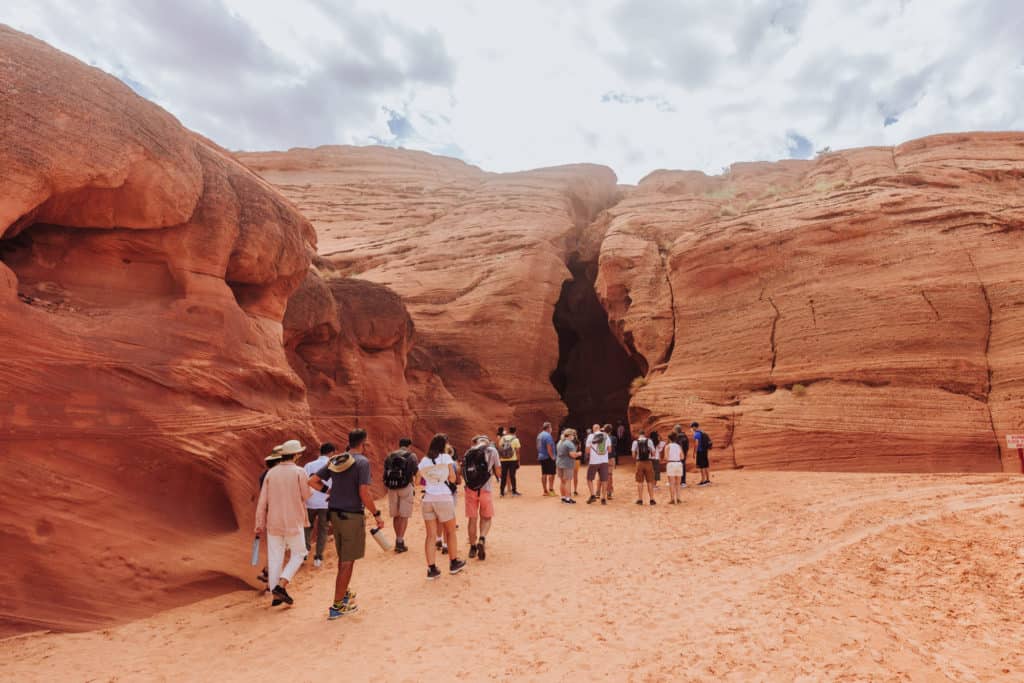
Reaching Antelope Canyon from Sedona involves more than just the drive; it requires specific planning due to the nature of the canyon’s access. Antelope Canyon is located on Navajo Nation land and can only be visited with an authorized Navajo guide. This is a crucial detail that impacts your timing and booking.
Booking Tours in Advance
Due to its immense popularity, tours for Antelope Canyon, both Upper and Lower, sell out well in advance, sometimes months ahead, especially during peak tourist seasons. It is imperative to book your guided tour as soon as your travel dates are confirmed. Tour operators typically meet at designated points in or near Page, Arizona, and you will need to factor in the time to get to your meeting point after arriving from Sedona.
Upper vs. Lower Antelope Canyon
It’s important to distinguish between Upper Antelope Canyon and Lower Antelope Canyon, as they are separate tours with different access points and characteristics.
- Upper Antelope Canyon: This is the more famous and easily accessible section, known for the dramatic light beams that pierce the canyon floor during midday. Access involves a ride in a 4×4 vehicle across sandy terrain, which is included in the tour price. Tours for Upper Antelope Canyon are generally more expensive and book up faster. The best time for light beams is typically from late morning to early afternoon.
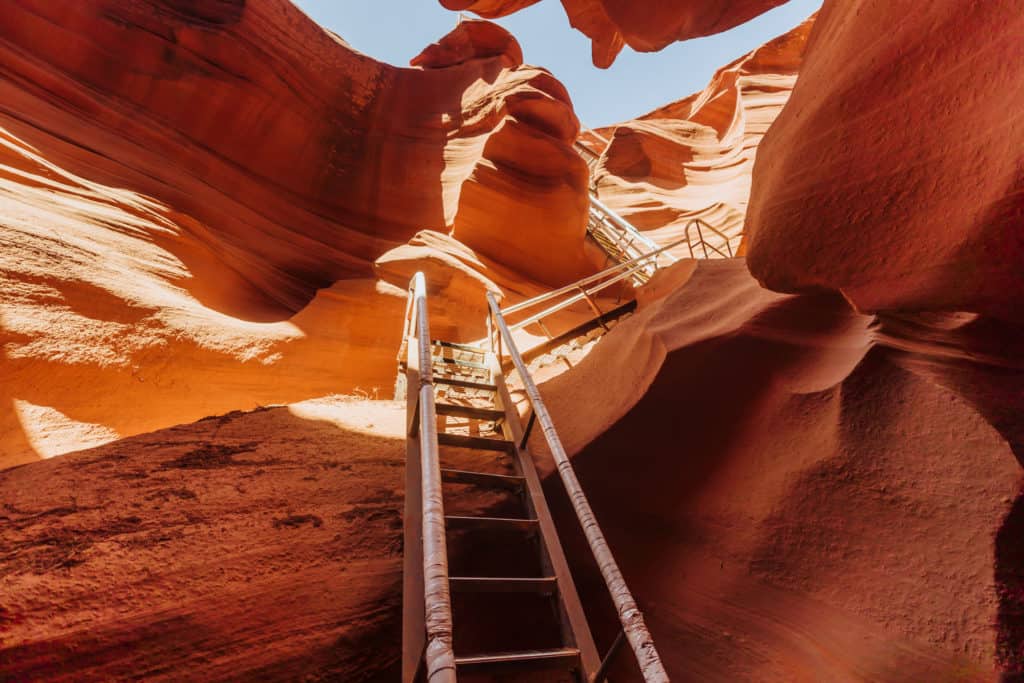
- Lower Antelope Canyon: This section is more adventurous, requiring visitors to navigate a series of stairs, ladders, and narrow passages. It is often less crowded than Upper Antelope Canyon and offers a different, equally breathtaking experience of sculpted sandstone.
Time Zones
A crucial detail often overlooked when planning travel within Arizona is the observance of Daylight Saving Time. While most of Arizona does not observe Daylight Saving Time, the Navajo Nation does observe it. This means that during months when Daylight Saving Time is in effect (roughly March through November), there can be a one-hour time difference between Sedona (which is on Mountain Standard Time year-round) and Antelope Canyon (which is on Mountain Daylight Time). Always confirm the local time at your tour operator’s meeting point in Page, Arizona to avoid missing your tour.
Alternative Transportation and Day Trip Logistics
While driving your own vehicle is the most common method of travel between Sedona and Antelope Canyon, it’s worth considering alternative options and the logistics of a day trip.
Private Tours and Shuttles
Some tour operators in Sedona offer packages that include transportation to Antelope Canyon. These can be more expensive but offer the convenience of not having to drive yourself, navigate, or worry about parking. This is also a good option if you prefer to relax and enjoy the scenery without the responsibility of driving.
Making it a Day Trip
A day trip from Sedona to Antelope Canyon is feasible but requires an early start and a full day commitment. To maximize your time at the canyon and enjoy the experience without feeling rushed, it’s recommended to depart Sedona by 7:00 AM or 8:00 AM at the latest. This allows ample time for the drive, checking in for your tour, the canyon tour itself, and the return journey to Sedona in the late afternoon or early evening.
Sample Day Trip Itinerary:
- 7:00 AM: Depart Sedona.
- 9:30 AM – 10:00 AM: Arrive in Page, Arizona.
- 10:00 AM – 11:00 AM: Check in for your pre-booked Antelope Canyon tour.
- 11:00 AM – 1:00 PM: Guided tour of Antelope Canyon (duration varies by tour type).
- 1:00 PM – 2:00 PM: Lunch in Page, Arizona.
- 2:00 PM: Depart Page, Arizona for Sedona.
- 4:30 PM – 5:00 PM: Arrive back in Sedona.
This schedule provides approximately two hours for the canyon experience, including travel to the canyon entrance from the tour meeting point.
Overnight Stay in Page
For a more relaxed experience, consider spending a night in Page, Arizona. This allows you to:
- Book tours at ideal times without the pressure of a tight schedule.
- Explore other nearby attractions such as Horseshoe Bend or Lake Powell.
- Enjoy sunset or sunrise views near Page.
- Break up the driving, making the overall trip more enjoyable.
There are numerous accommodation options in Page, ranging from standard hotel chains like Hyatt Place Page/Lake Powell or Best Western View of Lake Powell Hotel to smaller motels and vacation rentals.
Exploring the Region: Beyond Antelope Canyon
While the distance between Sedona and Antelope Canyon is the primary navigational question, understanding their place within the broader context of northern Arizona tourism is beneficial. These two iconic destinations offer a compelling contrast of natural beauty, from the spiritual vortexes and art galleries of Sedona to the geological marvels carved by millennia of erosion at Antelope Canyon.
Connecting with Other Attractions
The drive between Sedona and Antelope Canyon passes through or near other significant points of interest:
- Flagstaff, Arizona: A larger mountain city offering a variety of dining, shopping, and cultural experiences. It’s also the gateway to Grand Canyon National Park.
- Grand Canyon National Park: While a significant detour north from the direct route to Antelope Canyon, it’s a must-visit for many travelers and can be incorporated into a multi-day itinerary. The South Rim is approximately a 1.5-hour drive from Sedona.
- Meteor Crater: A well-preserved impact crater located east of Flagstaff, offering a unique geological perspective.
- Wupatki National Monument: Features ancient pueblo ruins showcasing the history of early inhabitants of the Colorado Plateau.

The Importance of Planning
The journey from Sedona to Antelope Canyon is more than just mileage; it’s a transition from one unique Southwestern landscape to another. By accurately calculating the distance, understanding the driving times, and factoring in the essential requirements for visiting Antelope Canyon, travelers can ensure a smooth and enriching exploration of these spectacular Arizona treasures. Whether undertaking a swift day trip or a more leisurely multi-day excursion, the roughly two-hour drive is a gateway to an unforgettable adventure.
LifeOutOfTheBox is a participant in the Amazon Services LLC Associates Program, an affiliate advertising program designed to provide a means for sites to earn advertising fees by advertising and linking to Amazon.com. Amazon, the Amazon logo, AmazonSupply, and the AmazonSupply logo are trademarks of Amazon.com, Inc. or its affiliates. As an Amazon Associate we earn affiliate commissions from qualifying purchases.