
The vast and varied landscapes of Arizona offer a compelling contrast between its desert heart and its mountainous north. Two of its most iconic cities, Phoenix and Flagstaff, exemplify this dramatic shift. While both are significant hubs within the Grand Canyon State, they are separated by a considerable distance, a journey that can be as much about the experience of traversing diverse terrains as it is about reaching a destination. Understanding the mileage, travel times, and the scenic routes available is crucial for any traveler planning an itinerary that encompasses both these distinct urban centers and the natural wonders that lie between them.
The Direct Route: Understanding the Mileage and Travel Time
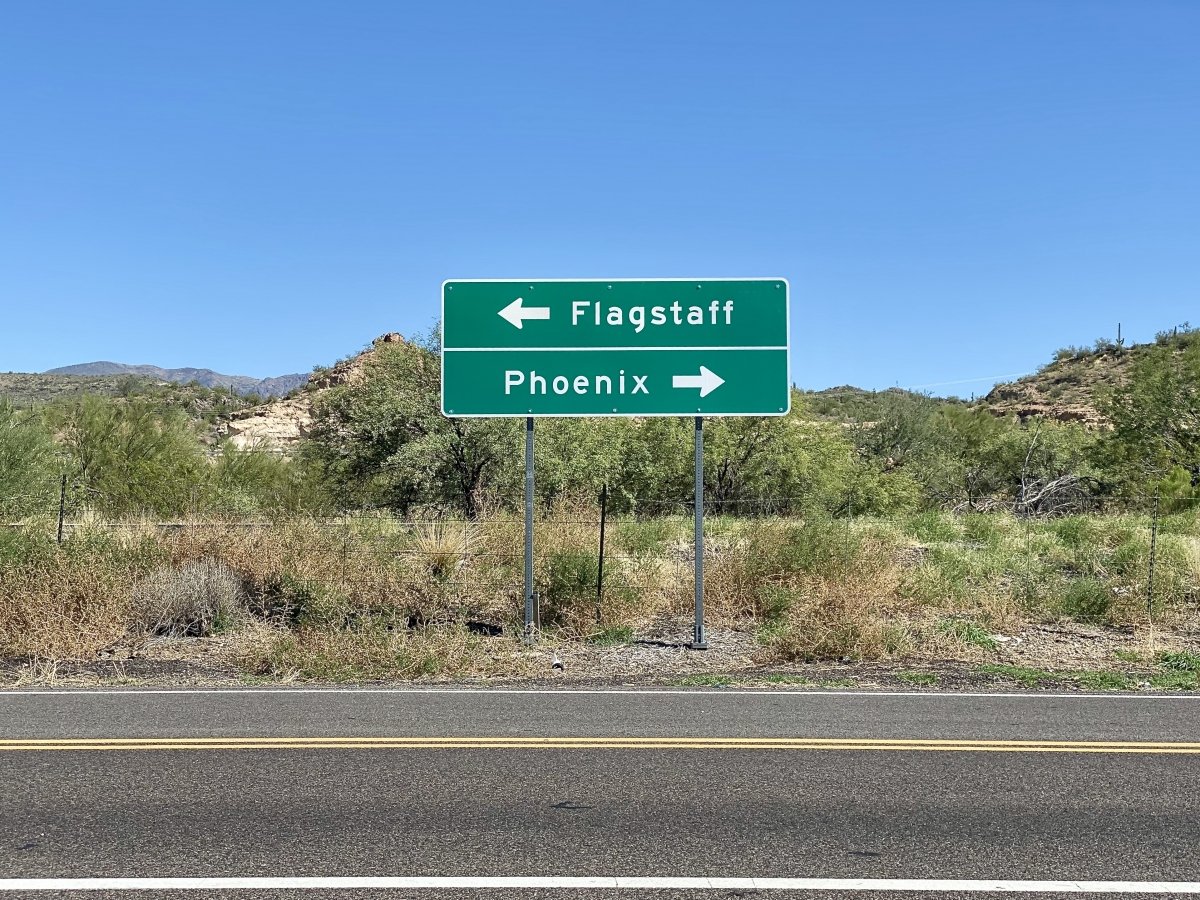
The most straightforward answer to “How far is [Phoenix] from [Flagstaff]?” lies in the direct driving distance. The primary route connecting these two cities is via Interstate 17 (I-17), a major north-south artery that winds its way through central Arizona.
Distance and Driving Time
The driving distance between Phoenix and Flagstaff is approximately 145 miles (about 233 kilometers). This distance translates to an average driving time of around 2 to 2.5 hours, assuming normal traffic conditions and no significant stops. It’s important to note that this is a general estimate. Factors such as road construction, severe weather, or increased traffic, particularly during peak travel seasons or holiday weekends, can extend this duration.
Factors Influencing Travel Time
- Traffic: Phoenix is a major metropolitan area, and traffic congestion, especially on weekdays during rush hours (typically 6-9 AM and 4-7 PM), can add considerable time to the initial part of the journey. Likewise, exiting Flagstaff might also encounter localized traffic.
- Weather: While Arizona is often associated with heat, the higher elevation of Flagstaff means it experiences distinct seasons, including snowfall in the winter. Icy or snowy conditions on I-17, particularly around the mountainous passes, can lead to significant delays and even temporary road closures. Drivers should always check weather forecasts and road conditions before departing, especially during the colder months.
- Construction: I-17 undergoes periodic maintenance and expansion projects. Drivers should be aware of potential construction zones, which can cause lane closures and slow down traffic considerably.
- Stops: The 2 to 2.5-hour drive is for uninterrupted travel. Many travelers choose to break up the journey with stops for fuel, food, or to enjoy a scenic overlook. Adding even short stops can easily extend the total trip time.
The Scenic Journey: Exploring Alternative Routes and Attractions
While the direct route via I-17 is the most efficient, it also presents opportunities for a more immersive travel experience. The journey between Phoenix and Flagstaff traverses a remarkable change in elevation and landscape, offering a glimpse into Arizona’s diverse ecology.
Elevation and Landscape Change
The drive begins in the Sonoran Desert, characterized by saguaro cacti, arid plains, and the characteristic desert heat of the Phoenix valley. As you ascend north on I-17, the landscape gradually transforms. The vegetation becomes sparser, giving way to chaparral and then Ponderosa pine forests as you approach Flagstaff and the higher elevations of the Colorado Plateau. This elevation gain is significant, with Phoenix sitting at around 1,100 feet (335 meters) above sea level, while Flagstaff is at about 6,900 feet (2,100 meters). This dramatic difference in altitude results in a noticeable drop in temperature, making Flagstaff a popular summer escape from the desert heat.
Notable Stops Along the Way
The stretch of I-17 between Phoenix and Flagstaff is dotted with several points of interest that can enhance the road trip.
Montezuma Castle National Monument
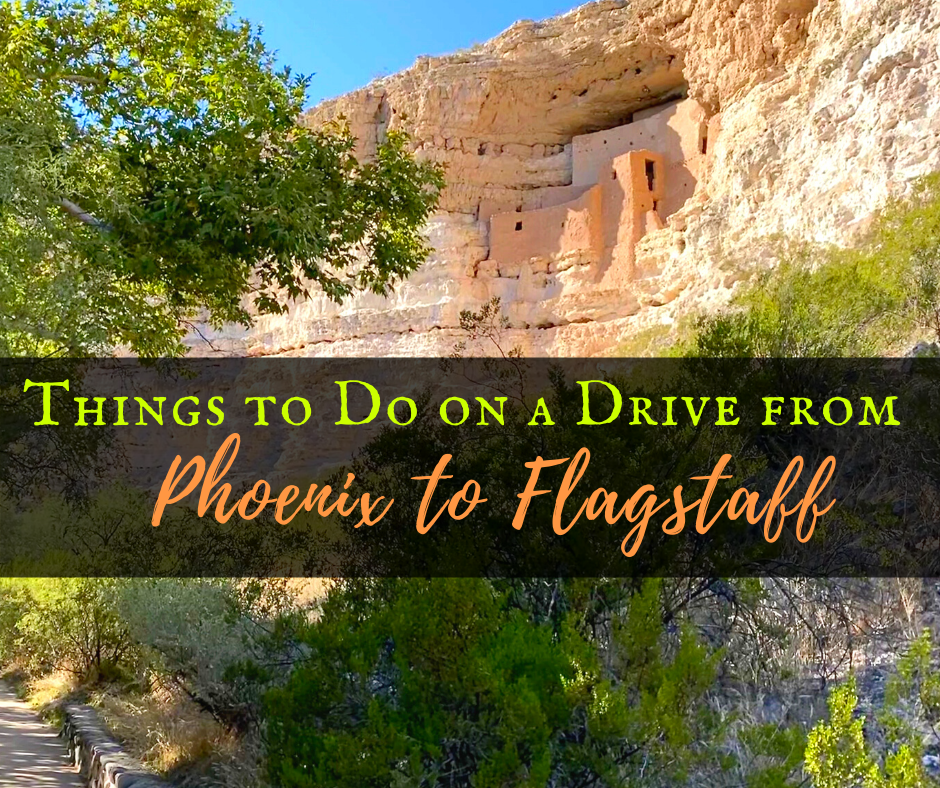
Located just off I-17 near Camp Verde, Montezuma Castle National Monument offers a fascinating glimpse into the lives of the Sinagua people who inhabited this region centuries ago. The monument preserves remarkable cliff dwellings, most notably the “castle” itself, a well-preserved five-story structure built into a limestone alcove. A paved, accessible loop trail allows visitors to explore the site and learn about the history and culture of its ancient inhabitants.
Tuzigoot National Monument
A short drive from Montezuma Castle, Tuzigoot National Monument protects the ruins of a 110-room pueblo that was once home to over 200 Sinagua people. Perched on a bluff overlooking the Verde River, the site offers panoramic views and a deeper understanding of Sinagua architecture and village life.
The Grand Canyon National Park (Day Trip Potential)
While not directly on the route, Flagstaff serves as a crucial gateway city for Grand Canyon National Park. From Flagstaff, the South Rim of the Grand Canyon is approximately an hour’s drive north via Highway 180 or Highway 64. Travelers looking to incorporate this world-renowned natural wonder into their trip can easily do so by making Flagstaff their base or a stopover point.
Sedona (Detour Option)
For those seeking stunning red rock landscapes and a vibrant arts scene, a detour to Sedona is highly recommended. Located about 30-45 minutes west of Camp Verde (which is on I-17), Sedona offers world-class hiking, spiritual vortex sites, and unique shopping experiences. Incorporating Sedona would add significant time to the journey but is a worthwhile exploration for many.
Transportation Options: Beyond the Personal Vehicle
While driving a personal vehicle is the most common and flexible way to travel between Phoenix and Flagstaff, other transportation options are available, catering to different travel preferences and needs.
Shuttle Services and Public Transportation
Several private shuttle services operate between Phoenix Sky Harbor International Airport (PHX) and Flagstaff, offering a convenient door-to-door or airport-to-hotel service. These can be a good option for solo travelers or those who prefer not to drive. Booking in advance is generally recommended, especially during busy periods.
Amtrak also offers passenger rail service to Flagstaff, with connections to various cities across the country. The Flagstaff Amtrak Station is located downtown, providing access to local amenities and further onward travel options. The train journey offers a different perspective of the Arizona landscape, though it is typically a longer travel time than driving.
Bus Services
Intercity bus services, such as Greyhound, also provide transportation between Phoenix and Flagstaff. The bus stations in both cities are centrally located, offering connectivity to local transport networks. This is often the most budget-friendly option, though it may involve longer travel times and fewer amenities compared to other modes of transport.
Planning Your Trip: Tips for a Smooth Transition
Successfully navigating the distance between Phoenix and Flagstaff involves thoughtful planning, especially considering the significant environmental and atmospheric changes between the two cities.
Packing for Different Climates
The most striking difference between Phoenix and Flagstaff is their climate. Phoenix is known for its extreme summer heat, with temperatures frequently exceeding 100°F (38°C). Flagstaff, on the other hand, enjoys mild summers and cold, snowy winters. When traveling between the two, it is advisable to pack layers. This will allow you to adjust to the temperature changes as you ascend in elevation. Include light clothing for the desert heat, a jacket or sweater for the cooler mountain air, and appropriate outerwear, including waterproof or snow-resistant gear, if visiting Flagstaff during winter months.
Time Zone Considerations
Both Phoenix and Flagstaff are located within the Mountain Standard Time Zone (MST). However, Arizona famously does not observe Daylight Saving Time, except for the Navajo Nation. This means that for a significant portion of the year, Arizona is on the same time as Pacific Daylight Time (PDT) in California and the same time as Mountain Daylight Time (MDT) in states that do observe it. However, within Arizona, there are no time zone changes between Phoenix and Flagstaff, simplifying travel plans in this regard.
Preparing for the Drive
Before embarking on the drive, ensure your vehicle is in good condition, with particular attention to tires, brakes, and cooling systems, especially if traveling during the hot summer months. It is also wise to carry a basic emergency kit, including water, snacks, a first-aid kit, and a charged mobile phone. Download offline maps, as cellular service can be intermittent in some remote areas along I-17.
Accommodation in Flagstaff
Upon arrival in Flagstaff, travelers will find a range of accommodation options. From charming bed and breakfasts and boutique hotels to well-known hotel chains and vacation rentals, there are choices to suit every budget and style. Staying in downtown Flagstaff offers easy access to restaurants, shops, and the historic train station, while properties on the outskirts might provide a more serene environment and closer proximity to outdoor recreational areas.
The journey from Phoenix to Flagstaff is more than just a measurement of miles; it is an invitation to witness the captivating transformation of the Arizona landscape. Whether you opt for the swift direct route or choose to weave in the historical and natural wonders along the way, this relatively short distance offers a profound exploration of the state’s diverse beauty.
LifeOutOfTheBox is a participant in the Amazon Services LLC Associates Program, an affiliate advertising program designed to provide a means for sites to earn advertising fees by advertising and linking to Amazon.com. Amazon, the Amazon logo, AmazonSupply, and the AmazonSupply logo are trademarks of Amazon.com, Inc. or its affiliates. As an Amazon Associate we earn affiliate commissions from qualifying purchases.