
The journey between Sedona and Flagstaff, Arizona, is a scenic exploration of the diverse landscapes that define the Grand Canyon State. Situated in the heart of Northern Arizona, these two distinct yet neighboring destinations offer travelers a captivating blend of natural beauty, outdoor adventure, and cultural charm. Understanding the proximity between Sedona and Flagstaff is crucial for planning an efficient and enjoyable itinerary, whether you’re seeking the vibrant red rock formations of Sedona or the alpine allure of Flagstaff. This guide delves into the distances, travel times, and the unique experiences awaiting you in each locale, providing essential information for any explorer venturing through this remarkable region.
Understanding the Geographic Connection
The relationship between Sedona and Flagstaff is one of proximity and contrast. Located just a short drive apart, they offer vastly different, yet complementary, travel experiences. Flagstaff, nestled at a higher elevation, boasts a cooler, more alpine climate with ponderosa pine forests and a gateway to major natural wonders. Sedona, on the other hand, is renowned for its dramatic red rock landscapes, a starkly beautiful desert environment that draws visitors for its spiritual ambiance and outdoor activities. The distance between them is not merely a number but a transition between two distinct Arizona ecosystems and atmospheres.
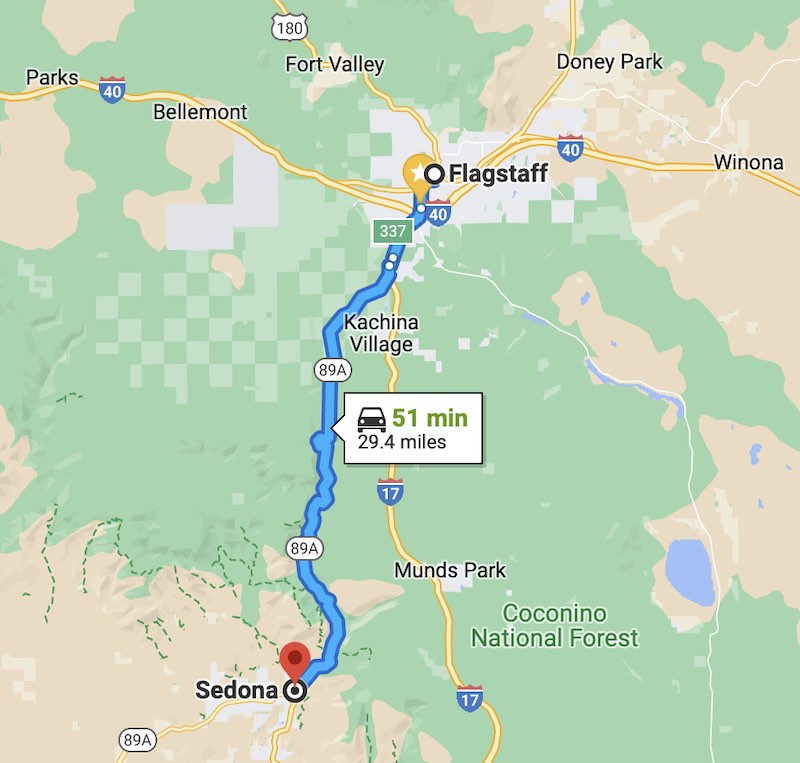
Driving Distance and Time
The most common and practical way to travel between Sedona and Flagstaff is by car. The primary route is Arizona State Route 89A, a breathtaking byway that winds through scenic canyons and offers stunning vistas.
- Approximate Driving Distance: The driving distance between Sedona and Flagstaff is approximately 30 miles (48 kilometers).
- Estimated Driving Time: Under normal traffic conditions, the drive typically takes between 45 minutes to 1 hour. This time can fluctuate based on traffic, especially during peak tourist seasons, and the specific pace of your journey.
It is essential to factor in potential delays. During the fall, the changing leaves can draw significant attention, and in winter, snow or ice can impact road conditions, particularly on Route 89A as it ascends toward Flagstaff. Likewise, summer weekends can see an increase in traffic as visitors flock to both destinations.
Alternative Transportation Options
While driving is the most prevalent method, other options exist for those who prefer not to navigate themselves or are seeking different travel experiences.
- Shuttle Services: Several shuttle services operate between Sedona and Flagstaff, offering a convenient and stress-free way to travel. These services are ideal for solo travelers or those who wish to relax and enjoy the scenery without the responsibility of driving. Booking in advance is recommended.
- Rideshare Services: Rideshare services like Uber and Lyft are available in both Sedona and Flagstaff. However, availability can be inconsistent, especially for longer stretches or during off-peak hours. It’s advisable to check availability and estimated fares beforehand.
- Tours: Numerous guided tours operate between the two cities, often incorporating stops at scenic viewpoints or other attractions along the way. This can be an excellent option for those interested in learning more about the region’s history and geology from local experts.
The Unique Appeal of Each Destination
The short distance between Sedona and Flagstaff belies their vastly different characters and the unique attractions they offer. Understanding these distinctions can help travelers maximize their experience in both locales.
Sedona: The Red Rock Oasis
Sedona is globally recognized for its stunning red rock formations, vibrant arts scene, and purported spiritual energy. The town is a haven for outdoor enthusiasts and those seeking a tranquil escape.
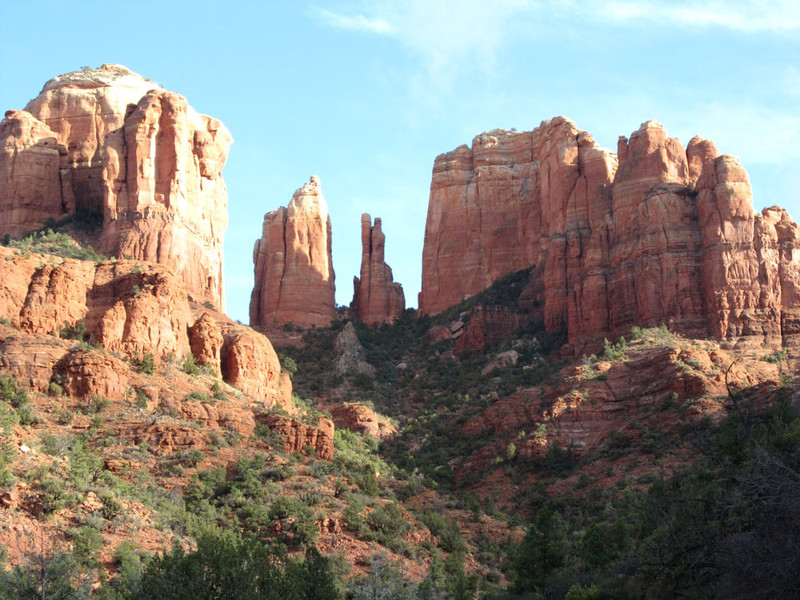
- Natural Wonders: The iconic red rocks, carved by millennia of wind and water erosion, create a surreal and breathtaking landscape. Popular sites include Cathedral Rock, Bell Rock, Airport Mesa, and Devil’s Bridge. These natural landmarks are magnets for hikers, photographers, and sightseers.
- Outdoor Activities: Hiking and mountain biking are paramount in Sedona, with a vast network of trails catering to all skill levels. Jeep tours offer an adventurous way to explore the rugged terrain. Other popular activities include stargazing, hot air balloon rides, and exploring the unique vortex sites believed to possess spiritual healing powers.
- Arts and Culture: Sedona boasts a thriving arts community, with numerous galleries, studios, and craft shops showcasing local and regional artists. The town center is a hub of activity, offering a delightful array of boutiques, restaurants, and cafes.
- Wellness and Spirituality: Sedona has long been a destination for those seeking spiritual renewal and wellness. Many spas, yoga studios, and meditation centers offer retreats and services aimed at holistic well-being.
Flagstaff: The Mountain Town Gateway
Flagstaff, situated at a higher elevation, offers a different, yet equally captivating, experience. Its ponderosa pine forests, historic downtown, and proximity to major national parks make it a premier destination for adventure and discovery.
- Alpine Environment: Flagstaff’s location in the San Francisco Peaks provides a refreshing alpine climate, a stark contrast to the desert landscape of Sedona. This elevation means cooler temperatures, especially during the summer months, and occasional snowfall in winter, transforming the landscape into a snowy wonderland.
- Gateway to National Parks: Flagstaff serves as a primary gateway to some of Arizona’s most celebrated natural treasures. The world-famous Grand Canyon National Park is approximately a 1.5-hour drive north. Other significant nearby attractions include Wupatki National Monument, Sunset Crater Volcano National Monument, and Walnut Canyon National Monument, all within a short drive from the city.
- Historic Downtown: Flagstaff’s charming downtown area offers a glimpse into its past as a railroad town. Visitors can explore historic buildings, browse unique shops, and enjoy a variety of restaurants and breweries. The Route 66 historic district adds another layer of nostalgia and character.
- Outdoor Recreation: Beyond its role as a gateway, Flagstaff itself offers abundant outdoor recreation. Hiking and biking trails abound in the surrounding forests. In winter, Arizona Snowbowl provides opportunities for skiing and snowboarding. Astronomy enthusiasts are drawn to Flagstaff’s dark skies, leading to its designation as an International Dark Sky City. The Lowell Observatory, where Pluto was discovered, is a major attraction.
Planning Your Inter-City Itinerary
The close proximity of Sedona and Flagstaff makes it highly feasible to experience both destinations within a single trip. Many travelers opt to stay in one city and take day trips to the other, or divide their time between the two.
Day Trip Potential
- From Sedona to Flagstaff: A day trip from Sedona to Flagstaff is easily achievable. You can depart Sedona in the morning, explore the historic downtown, visit an observatory like Lowell Observatory, or take a scenic drive around the San Francisco Peaks. You might even venture further north to visit one of the nearby national monuments. The drive back to Sedona in the evening offers a chance to witness the sunset painting the red rocks in a different light.
- From Flagstaff to Sedona: Similarly, a day trip from Flagstaff to Sedona allows for a full day of exploring the red rock country. You can spend the morning hiking to a popular spot like Devil’s Bridge, browse the art galleries in the afternoon, and enjoy a leisurely dinner amidst the stunning scenery before returning to Flagstaff.
Multi-Day Stays
For a more immersive experience, dedicating several days to each location is highly recommended. This allows for a deeper exploration of the hiking trails, cultural sites, and the overall ambiance of both Sedona and Flagstaff without feeling rushed.
- Sample Itinerary Ideas:
- Option 1 (Sedona Focused): Spend 3-4 days in Sedona, exploring its hiking trails, vortex sites, and art galleries. Dedicate one day for a trip to Flagstaff to visit Lowell Observatory and its historic downtown.
- Option 2 (Flagstaff Focused): Spend 3-4 days in Flagstaff, using it as a base for visiting the Grand Canyon, Wupatki National Monument, and exploring the alpine environment. Dedicate one day for a scenic drive to Sedona to experience its unique landscape and art scene.
- Option 3 (Balanced Approach): Divide your time equally, spending 2-3 days in each city, allowing for a comprehensive overview of what Northern Arizona has to offer.
Navigating the Routes and Road Conditions
The primary route connecting Sedona and Flagstaff is Arizona State Route 89A. This road is renowned for its scenic beauty and is an attraction in itself.
The Scenic Allure of Route 89A
The drive along Route 89A between Sedona and Flagstaff is an experience. As you ascend from Sedona’s red rock canyons, the landscape gradually transforms into dense pine forests characteristic of the higher elevations around Flagstaff.
- Key Viewpoints: Along the route, particularly as you climb out of Sedona, numerous pull-offs offer spectacular panoramic views of the surrounding canyons and rock formations. These are ideal spots for photography and taking in the grandeur of the landscape.
- Winding Roads: Be prepared for winding roads with several hairpin turns, especially in the Oak Creek Canyon section. This requires attentive driving and a moderate pace. The speed limit varies, and it’s important to adhere to posted signs for safety.
Seasonal Considerations for Road Travel
The weather in Northern Arizona can change significantly throughout the year, impacting road conditions.
- Spring and Fall: These are generally the most pleasant seasons for driving, with mild temperatures and clear skies. Fall foliage can add extra beauty to the landscape, though it might also attract more visitors.
- Summer: Summers are warm to hot, especially in Sedona. The drive itself is usually clear, but increased tourist traffic can lead to delays. Thunderstorms are common in the late summer afternoons.
- Winter: Winter brings the possibility of snow and ice, particularly at higher elevations like Flagstaff and along the more mountainous sections of Route 89A. Drivers should always check road conditions before departing, especially from November through March. The Arizona Department of Transportation (ADOT) provides real-time traffic and road condition information.
Conclusion: A Short Journey to Diverse Experiences
The distance between Sedona and Flagstaff, Arizona, is a mere 30 miles, yet this short span bridges two dramatically different and equally enchanting worlds. Whether you are drawn to the spiritual allure and red rock majesty of Sedona or the alpine charm and natural wonders surrounding Flagstaff, this region offers an unparalleled travel experience. The ease with which one can traverse between these two gems makes them an ideal pairing for any Arizona adventure, promising a journey filled with breathtaking landscapes, outdoor pursuits, and unforgettable memories. Planning your visit with an understanding of the distances, travel times, and seasonal nuances will ensure a seamless and enriching exploration of this captivating corner of the American Southwest.
LifeOutOfTheBox is a participant in the Amazon Services LLC Associates Program, an affiliate advertising program designed to provide a means for sites to earn advertising fees by advertising and linking to Amazon.com. Amazon, the Amazon logo, AmazonSupply, and the AmazonSupply logo are trademarks of Amazon.com, Inc. or its affiliates. As an Amazon Associate we earn affiliate commissions from qualifying purchases.