
Embarking on a journey between two of Arizona’s most prominent cities, Tucson, Arizona and Phoenix, Arizona, is a common travel endeavor for residents and visitors alike. Whether you’re planning a day trip, a weekend getaway, or simply looking to understand the geography of the Grand Canyon State, knowing the distance and travel time is fundamental. This exploration delves into the specifics of this well-traveled route, considering various modes of transportation and offering insights that enhance the travel experience.
Understanding the Distance and Travel Time
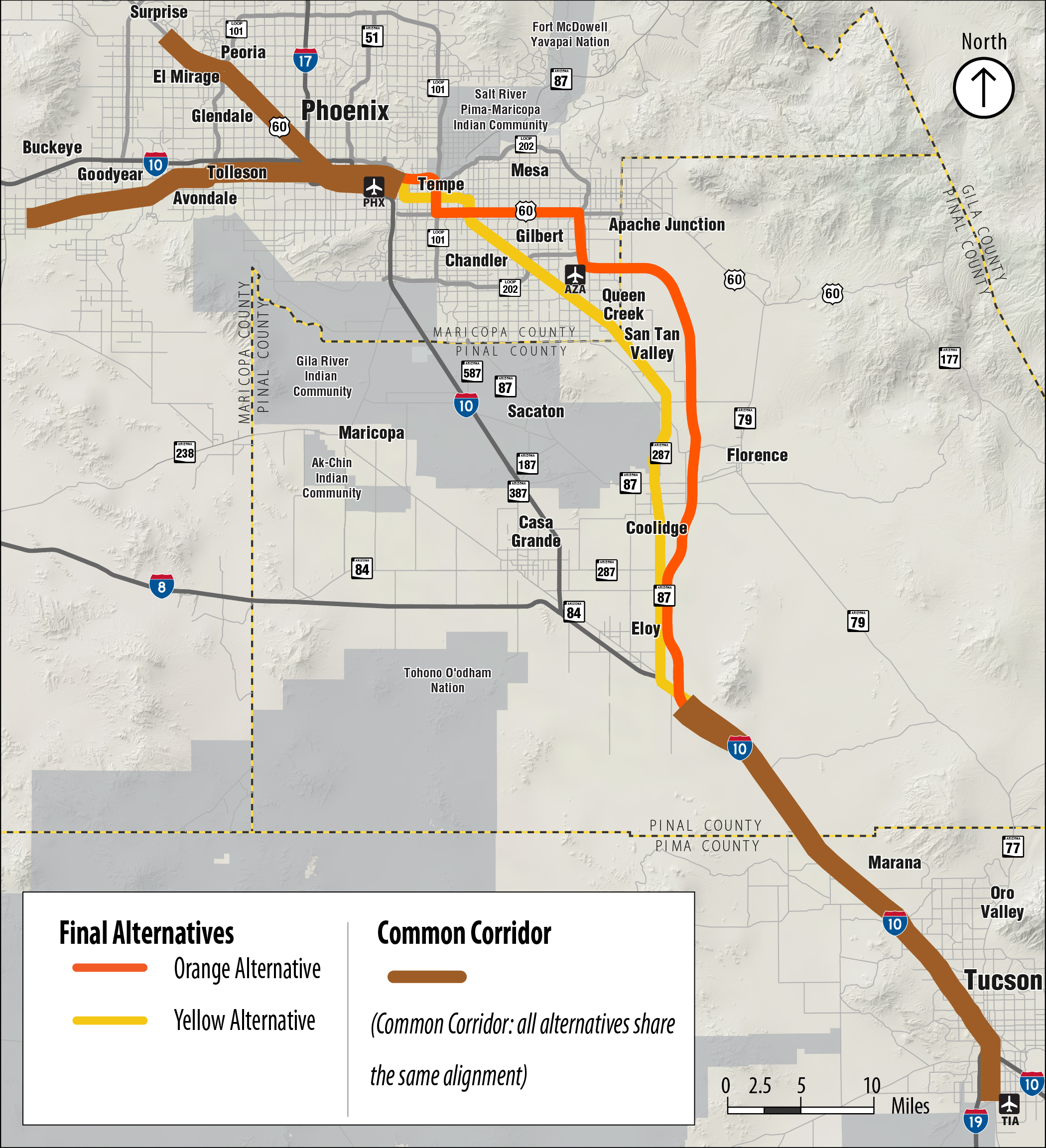
The most direct and frequently utilized route between Tucson, Arizona and Phoenix, Arizona is via Interstate 10 (I-10). This major highway forms the backbone of the connection between these two urban centers, offering a straightforward and relatively swift passage.
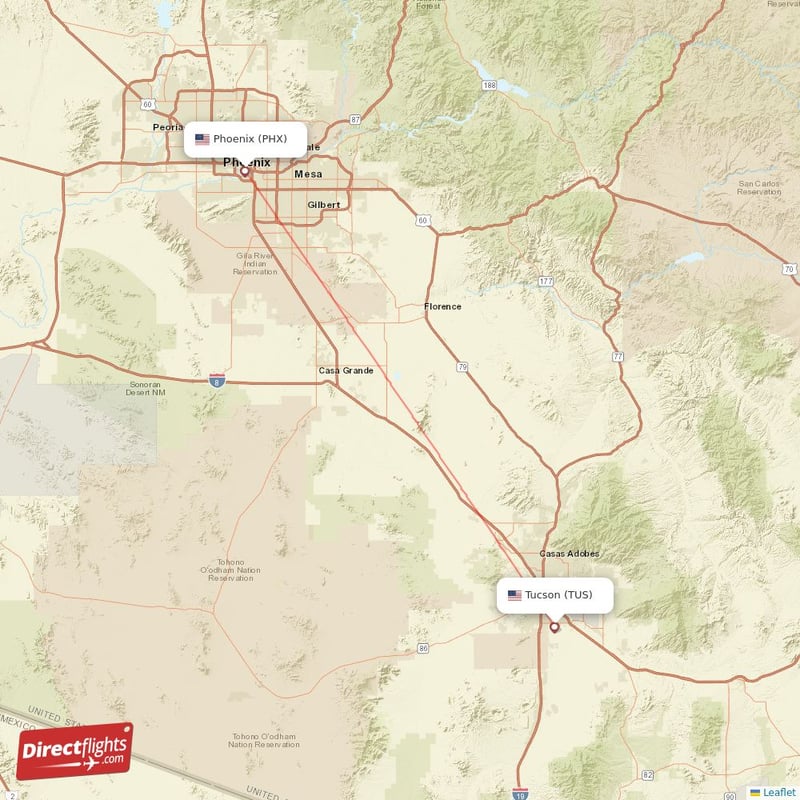
Driving Distance
The approximate driving distance between downtown Tucson, Arizona and downtown Phoenix, Arizona is around 118 to 120 miles. This figure can vary slightly depending on the specific starting and ending points within each city and the exact route taken. For instance, if your departure or arrival is on the outskirts of either metropolitan area, the mileage might differ.
Estimated Driving Time
Under optimal traffic conditions, the drive between Tucson, Arizona and Phoenix, Arizona typically takes between 1 hour and 45 minutes to 2 hours and 15 minutes. However, it is crucial to factor in potential delays that can significantly impact travel time.
Factors Affecting Travel Time
Several variables can influence the duration of your drive:
- Traffic Congestion: Both Phoenix, Arizona and Tucson, Arizona experience rush hour traffic, particularly during weekday mornings and evenings. Entering or exiting Phoenix, Arizona can be especially time-consuming due to its larger population and more extensive freeway network.
- Construction: Road construction projects are common on I-10 and can lead to significant slowdowns and lane closures. It is advisable to check local traffic reports or navigation apps for real-time updates before and during your journey.
- Weather Conditions: While Arizona is known for its arid climate, occasional dust storms (haboobs) can occur, particularly during the monsoon season (roughly July to September). These storms can drastically reduce visibility and necessitate slower driving speeds or even temporary road closures. Heavy rain, though less frequent, can also cause delays.
- Stops and Breaks: The estimated driving time does not include any stops for fuel, food, or rest. If you plan to make any detours or breaks along the way, you will need to add that time accordingly.
Alternative Travel Durations
It is also worth noting that the time of day and day of the week can play a role. Driving during off-peak hours, such as late at night or early in the morning on a weekend, will generally yield the shortest travel times. Conversely, attempting this drive during a major holiday weekend or a large event in either city could extend your journey considerably.
Navigating the Route: I-10 and Key Exits
The primary artery connecting Tucson, Arizona and Phoenix, Arizona is I-10 Eastbound from Phoenix, Arizona to Tucson, Arizona, and I-10 Westbound from Tucson, Arizona to Phoenix, Arizona. This interstate highway is well-maintained and clearly marked.
Key Waypoints and Towns
While the drive is largely a direct interstate journey, travelers will pass through or near several notable areas:
- Casa Grande: Located roughly halfway between the two cities, Casa Grande offers amenities such as gas stations, restaurants, and rest stops. It is a convenient place to pause for a break.
- Picacho Peak State Park: Visible from I-10, this distinctive geological formation is a popular hiking destination for those seeking a brief adventure off the beaten path. While a detour, it offers a glimpse into Arizona’s unique desert landscape.
- Eloy: Another smaller community along the route, Eloy primarily serves as a point of interest for its agricultural significance and correctional facilities.
Navigational Tools
Utilizing GPS navigation systems or mobile applications like Google Maps or Waze is highly recommended. These tools provide real-time traffic updates, suggest alternative routes in case of significant delays, and offer estimated arrival times, making the journey more predictable and less stressful.

Beyond the Drive: Exploring Travel Options
While driving is the most popular method of travel between Tucson, Arizona and Phoenix, Arizona, other options exist for those who prefer not to drive or are looking for different travel experiences.
Bus Services
Several intercity bus companies operate routes connecting Tucson, Arizona and Phoenix, Arizona. Companies like FlixBus and Greyhound offer regular services, providing a budget-friendly alternative to driving.
Bus Travel Considerations
- Travel Time: Bus journeys typically take longer than driving, often ranging from 2.5 to 3.5 hours, depending on the number of stops and the specific route.
- Departure and Arrival Points: Bus terminals are usually located in or near the downtown areas of both cities. It’s important to confirm the exact locations for departure and arrival.
- Comfort and Amenities: Modern buses often provide Wi-Fi, power outlets, and comfortable seating, making the journey relatively pleasant.
Train Travel
The Amtrak train service offers a scenic and relaxing way to travel between Tucson, Arizona and Phoenix, Arizona. The train route generally follows a different path than the highway, offering unique perspectives of the Arizona landscape.
Train Travel Considerations
- Travel Time: Amtrak’s Sunset Limited or Texas Eagle routes can take longer than driving, often in the range of 4 to 5 hours, due to the train’s schedule and stops.
- Stations: Tucson, Arizona and Phoenix, Arizona have dedicated Amtrak stations. It’s worth noting that Phoenix, Arizona’s station is located in the historic downtown area, known as Curo, Arizona, which is a destination in itself.
- Experience: Train travel offers a more leisurely pace, with the opportunity to move around, enjoy dining car services, and take in the wider vistas of the desert and mountains.
Flying
While not practical for the relatively short distance between Tucson, Arizona and Phoenix, Arizona, it is worth noting that both cities have major international airports. Tucson International Airport (TUS) and Phoenix Sky Harbor International Airport (PHX) serve as significant hubs for air travel within Arizona and beyond. Direct flights between these two cities are uncommon due to the short distance, making flying a less efficient and more costly option for this specific journey compared to ground transportation.
Planning Your Trip and Potential Detours
Understanding the distance and travel time is the first step in planning a trip between Tucson, Arizona and Phoenix, Arizona. However, this route also presents opportunities for exploration and unique experiences.
Points of Interest Along the Way
For those with extra time, several attractions and points of interest lie near or can be easily accessed from I-10:
- McDowell Sonoran Preserve (near Phoenix): If arriving in or departing from Phoenix, Arizona, this vast desert preserve offers extensive hiking and biking trails, showcasing the Sonoran Desert’s flora and fauna.
- Arizona Mining and Mineral Museum (Phoenix): For a dose of Arizona’s rich mining history, this museum in Phoenix, Arizona is a worthwhile stop.
- Arizona State Capitol Museum (Phoenix): Explore the history of Arizona at its state capitol building in Phoenix, Arizona.
- Tucson Botanical Gardens (Tucson): Before departing or upon arrival in Tucson, Arizona, these beautiful gardens offer a serene escape and a chance to appreciate desert plant life.
- Mission San Xavier del Bac (near Tucson): Just south of Tucson, Arizona, this historic Spanish Catholic mission is a stunning example of Baroque architecture and a significant landmark.
Preparing for the Journey
Regardless of your chosen mode of transportation, preparation is key to a successful trip:
- Hydration: Arizona’s desert climate is dry and can be extremely hot, especially during the summer months. Carry an ample supply of water.
- Sun Protection: Wear sunscreen, a hat, and sunglasses to protect yourself from the intense sun.
- Vehicle Maintenance (if driving): Ensure your vehicle is in good working order, with properly inflated tires and a full tank of gas.
- Check Road Conditions: As mentioned earlier, always check traffic and weather conditions before you depart.
- Book in Advance: For bus or train travel, booking tickets in advance, especially during peak travel seasons, can secure better prices and availability.
By understanding the distance, travel times, and available options, travelers can confidently plan their journeys between Tucson, Arizona and Phoenix, Arizona, maximizing their time and enjoying all that these vibrant Arizona cities have to offer.
LifeOutOfTheBox is a participant in the Amazon Services LLC Associates Program, an affiliate advertising program designed to provide a means for sites to earn advertising fees by advertising and linking to Amazon.com. Amazon, the Amazon logo, AmazonSupply, and the AmazonSupply logo are trademarks of Amazon.com, Inc. or its affiliates. As an Amazon Associate we earn affiliate commissions from qualifying purchases.