
The allure of the Grand Canyon State is undeniable, drawing millions of visitors each year to its diverse landscapes, from the towering saguaros of the Sonoran Desert to the pine forests of the Mogollon Rim. While the promise of adventure and breathtaking scenery is a constant, one of the most significant factors influencing any trip to Arizona is its notoriously dynamic climate. Understanding the current temperatures is not just a matter of comfort; it’s crucial for planning activities, packing appropriately, and ensuring a safe and enjoyable experience. This guide delves into the prevailing conditions across the state, offering insights for travelers aiming to make the most of their visit.

Understanding Arizona’s Diverse Climates
Arizona is a state of dramatic topographical shifts, and these variations directly translate into widely differing temperature zones. From the blistering heat of the lower desert valleys to the cooler, more temperate elevations of the northern plateaus, a simple answer to “how hot is it” is rarely sufficient. To truly grasp the thermal landscape, one must consider the region.
The Valley of the Sun: Phoenix and Beyond
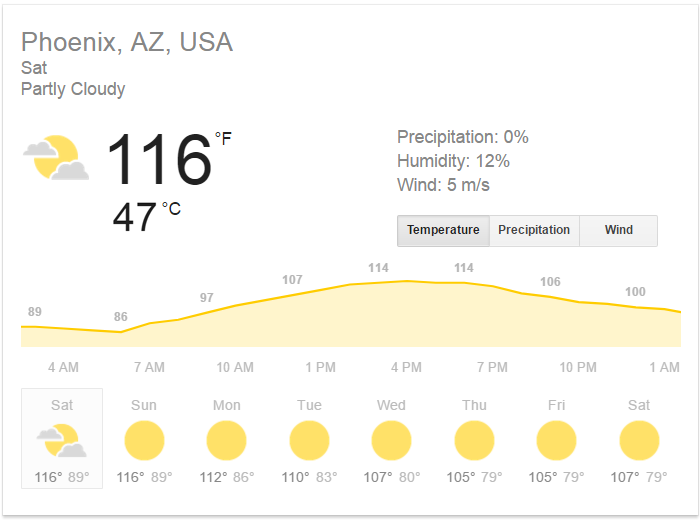
The heart of Arizona’s population, the Phoenix metropolitan area and surrounding desert lowlands, experiences some of the most extreme heat in the United States. During the summer months, from May through September, daytime temperatures regularly soar above 100°F (38°C) and can persist for weeks on end. Nighttime temperatures offer little respite, often remaining in the high 80s or low 90s (°F). This intense heat is a defining characteristic of the Sonoran Desert, shaping its unique flora and fauna, and heavily influencing the daily lives of its residents and the experiences of its visitors. For travelers, this means early morning or late evening activities are paramount, with midday hours best spent indoors or by a pool. Hydration is not merely advisable; it’s essential for survival. Popular attractions like the Desert Botanical Garden are best explored during the cooler parts of the day, and hiking in areas such as Camelback Mountain during peak summer can be dangerous if not undertaken with extreme caution and preparation.
The Cooler Highlands: Flagstaff and Northern Arizona
Ascending into the San Francisco Peaks region, the climate transforms dramatically. Flagstaff, situated at an elevation of over 7,000 feet, offers a stark contrast to the desert heat. Summers here are pleasant and mild, with average daytime temperatures in the 70s and 80s (°F). Nights can become quite cool, even dropping into the 40s (°F). This region is renowned for its four distinct seasons, including a significant winter snowfall that transforms the landscape into a winter wonderland. Attractions like the Grand Canyon National Park (South Rim) are accessible year-round, though visitors to the rim in winter should be prepared for snow and ice. The cooler climate makes Flagstaff an ideal base for hiking, mountain biking, and exploring the rich cultural heritage of the Navajo Nation and other indigenous communities during the warmer months.
The Transition Zones: Sedona and Central Arizona
Nestled between the desert floor and the high country lies a fascinating transition zone, perhaps best exemplified by the picturesque city of Sedona. Famous for its stunning red rock formations and vibrant arts scene, Sedona experiences a climate that is generally more moderate than the Phoenix area, but warmer than Flagstaff. Spring and fall are particularly delightful, with daytime temperatures often hovering in the 70s and 80s (°F), making it perfect for exploring the numerous hiking trails and jeep tours. Summers can still be hot, with temperatures frequently reaching the 90s (°F), but the higher elevation compared to Phoenix provides a slight reprieve. Winters are mild, with occasional frost but rarely significant snowfall. This temperate climate makes Sedona a year-round destination, though planning for sunshine and potential heat during the summer remains a wise strategy.
Current Temperature Snapshot: A Regional Breakdown
To provide a truly useful answer to “How hot is it in Arizona right now?”, we must look at current conditions across key areas. These figures are subject to change rapidly due to diurnal cycles and weather patterns.
Southern Arizona: Tucson’s Arid Embrace
The city of Tucson, nestled in the heart of the Sonoran Desert, shares many of Phoenix’s thermal characteristics, albeit often a few degrees milder due to its slightly higher elevation. During the summer months, expect temperatures to consistently reach the mid-to-high 90s (°F) and often exceed 100°F. Evenings typically remain warm, with lows in the 70s (°F). Outside of the intense summer heat, Tucson enjoys a pleasant climate for much of the year, making it ideal for exploring attractions like Saguaro National Park and the historic streets of downtown Tucson. Visitors should always be mindful of the intense sun and dry air.

Central Arizona: Prescott’s Mile-High Coolness
Further north and at a significant elevation, Prescott offers a refreshing contrast. Situated around 5,300 feet, its climate is characterized by cooler summers and milder winters than the desert cities. During the summer, daytime temperatures often range from the high 80s to low 90s (°F), with cool evenings dropping into the 50s (°F). Prescott is a popular destination for outdoor recreation, including hiking in the Prescott National Forest and exploring the historic Whiskey Row. The generally pleasant temperatures make it an attractive escape from the heat for those residing in the southern parts of the state.
Western Arizona: Yuma’s Desert Intensity
The city of Yuma, located in southwestern Arizona near the border with California, is known for its exceptionally hot and dry climate. Summers here are brutal, with prolonged periods of temperatures well over 100°F, often reaching 110°F or higher. Evenings offer minimal relief, with nighttime lows frequently staying in the 80s (°F). Yuma is a significant agricultural hub, and its climate is conducive to growing a variety of crops, but it demands careful consideration for any visitor.
Planning Your Arizona Adventure: Weather-Smart Tips
Armed with an understanding of Arizona’s diverse climate and current temperature trends, travelers can better plan their itineraries for an optimal experience.
Seasonal Considerations
- Spring (March-May): Generally considered one of the best times to visit most of Arizona. Desert wildflowers bloom, and temperatures are pleasant across much of the state, ranging from mild in the north to warm in the south. This is ideal for hiking, sightseeing, and outdoor festivals.
- Summer (June-August): This is the peak of the heat in the desert regions, with extreme temperatures requiring careful planning. The high country, like Flagstaff, offers a cool escape. Afternoon monsoonal thunderstorms are common in July and August, bringing humidity and a brief respite from the heat.
- Fall (September-November): Another excellent time to visit. The intense summer heat subsides, making for comfortable exploration of the desert landscapes. The northern parts of the state experience beautiful autumn colors.
- Winter (December-February): Mild and sunny in the southern desert regions, offering a warm escape for those coming from colder climates. The northern highlands, including Flagstaff and the Grand Canyon, experience cold temperatures and snow, making it a popular time for winter sports.
Packing Essentials
Regardless of the season, certain items are crucial for any Arizona trip:
- Sun Protection: High SPF sunscreen, wide-brimmed hats, and sunglasses are non-negotiable.
- Hydration: Carry a reusable water bottle and refill it frequently. Electrolyte supplements can also be beneficial in extreme heat.
- Appropriate Footwear: Sturdy hiking boots or comfortable walking shoes are essential for exploring the varied terrain.
- Layered Clothing: Evenings can be cool, especially at higher elevations. Packing layers allows for adaptation to fluctuating temperatures.
- Lightweight, Breathable Fabrics: For warmer months, opt for materials that wick away moisture and allow air circulation.
Safety First
- Heed Heat Advisories: Always pay attention to local weather reports and heat advisories, especially in the desert regions.
- Know Your Limits: Do not push yourself during extreme heat. Rest often in shaded areas and stay hydrated.
- Inform Others: If embarking on a hike or exploring a remote area, let someone know your plans and expected return time.
By understanding the current temperatures and the factors that influence them across this geographically diverse state, travelers can confidently plan their journey to Arizona, ensuring a memorable and comfortable adventure.
LifeOutOfTheBox is a participant in the Amazon Services LLC Associates Program, an affiliate advertising program designed to provide a means for sites to earn advertising fees by advertising and linking to Amazon.com. Amazon, the Amazon logo, AmazonSupply, and the AmazonSupply logo are trademarks of Amazon.com, Inc. or its affiliates. As an Amazon Associate we earn affiliate commissions from qualifying purchases.