
Arizona, a state synonymous with arid landscapes and the iconic Grand Canyon, might not immediately bring to mind images of vast, shimmering bodies of water. However, beneath its desert facade lies a surprising network of lakes, reservoirs, and natural water features, each offering unique recreational opportunities and contributing to the state’s diverse appeal for travelers. While the exact number is fluid, dependent on definitions and seasonal changes, understanding the prominent lakes and their significance unveils a richer picture of the Grand Canyon State‘s tourist attractions.
Arizona’s Aquatic Treasures: Beyond the Desert Mirage
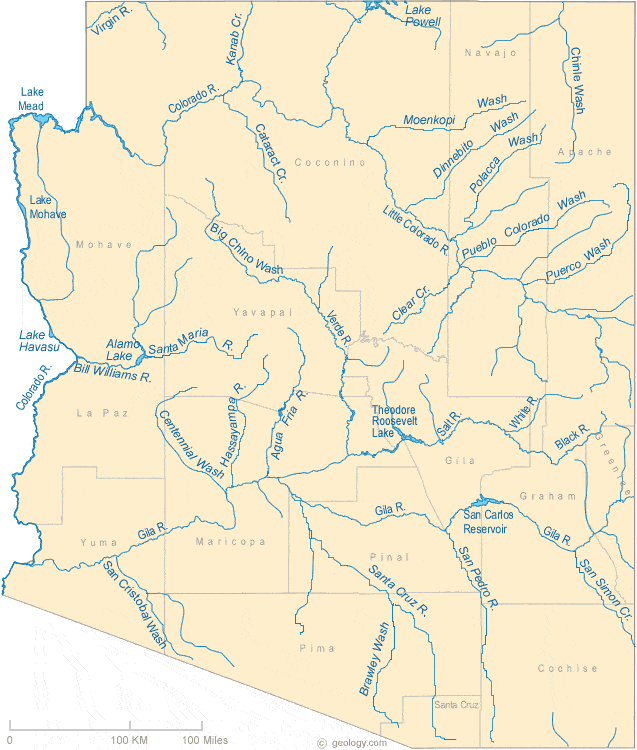
When discussing Arizona’s lakes, it’s crucial to distinguish between natural lakes and the vast man-made reservoirs that dominate the landscape. The state’s arid climate means that naturally occurring, perennial lakes are rare. Instead, a combination of geological features, particularly ancient volcanic craters, and extensive engineering efforts have created the water bodies that dot the state. These lakes are not merely decorative; they are vital resources for agriculture, urban water supply, and, crucially for travelers, premier destinations for outdoor recreation.
The Giants of the Waterways: Major Reservoirs
The most significant and widely visited lakes in Arizona are, in fact, reservoirs formed by damming major rivers. These artificial lakes have transformed stretches of desert into vibrant aquatic ecosystems, attracting millions of visitors annually for boating, fishing, camping, and swimming.
Lake Powell – A Jewel of the Colorado River
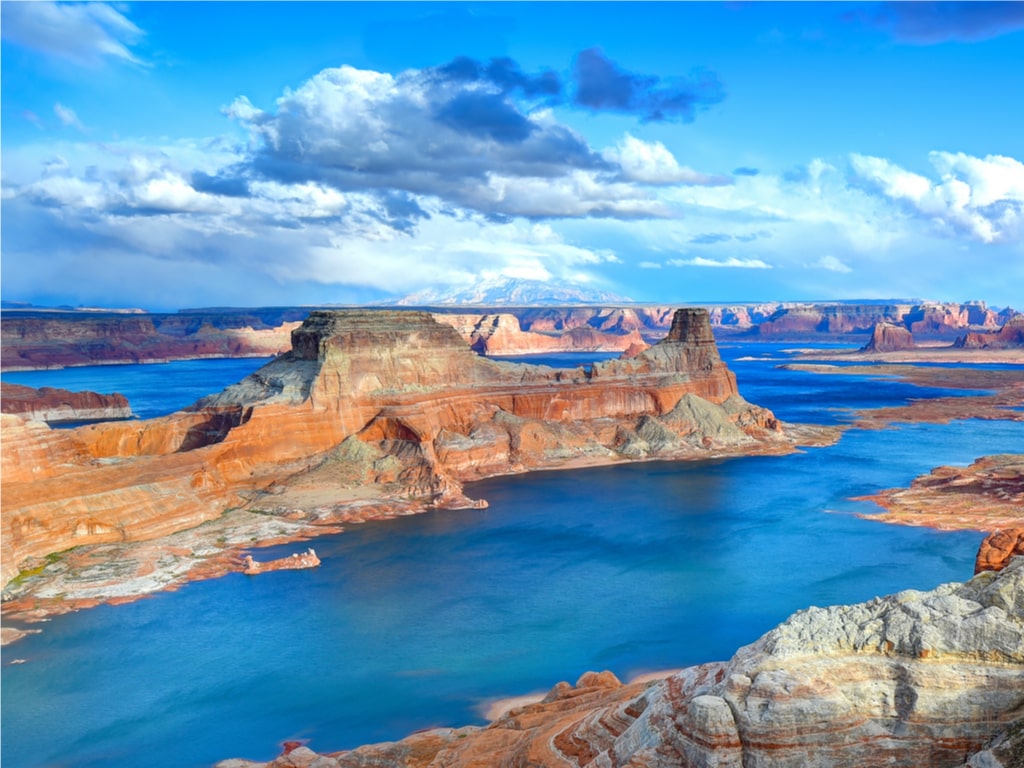
Perhaps the most famous of Arizona’s water bodies, Lake Powell straddles the Arizona and Utah border, formed by the Glen Canyon Dam. This vast reservoir, known for its stunning red rock canyons, deep blue waters, and numerous side canyons, offers unparalleled opportunities for houseboating, kayaking, and exploring by powerboat. The contrast between the desert environment and the expansive lake is breathtaking. Visitors can access Lake Powell from various points, including the popular Wahweap Marina near Page, Arizona. The sheer scale of Lake Powell means it feels like an inland sea, with secluded coves and vast open stretches inviting exploration. The unique geological formations, sculpted by eons of erosion, provide a dramatic backdrop for water-based adventures.
Lake Mead – A National Recreation Area
Formed by the Hoover Dam, Lake Mead is another colossal reservoir that extends into both Arizona and Nevada. As the largest reservoir in the United States by water capacity, it offers a diverse range of activities. The Lake Mead National Recreation Area encompasses not only the lake but also the surrounding desert landscape, providing opportunities for hiking, rock climbing, and wildlife viewing in addition to water sports. Popular access points include Boulder Beach and the Alan Bible Visitor Center. While water levels have fluctuated significantly in recent years due to drought, Lake Mead remains a cornerstone of recreation for the Las Vegas metropolitan area and a significant draw for Arizona visitors. The sheer engineering feat of the Hoover Dam itself is a major attraction, with tours offering insights into its construction and historical significance.
Lake Havasu – The London Bridge Connection
Located on the Colorado River border with California, Lake Havasu is renowned for its pristine waters and the unique attraction of the transplanted London Bridge in the city of Lake Havasu City. This lake is a hub for watersports, including jet skiing, wakeboarding, and fishing. Its popularity as a vacation destination is boosted by the charming atmosphere of Lake Havasu City, which offers a wide array of accommodations and dining options. The lake’s clarity and consistent temperatures make it ideal for swimming and diving. The annual relocation of the Original London Bridge brought a quirky, world-class attraction to this desert oasis, drawing international attention and adding a unique historical dimension to the region.
Roosevelt Lake – Heart of the Tonto National Forest
The largest lake entirely within Arizona, Roosevelt Lake is situated in the heart of the Tonto National Forest. This expansive reservoir, formed by the Roosevelt Dam, is a haven for bass fishing enthusiasts and offers excellent opportunities for boating and camping. The surrounding landscape, characterized by rugged mountains and saguaro cacti, provides a quintessential Arizona backdrop. The Tonto National Monument, with its well-preserved Salado cliff dwellings, is a significant historical site located nearby, adding another layer of appeal for visitors to the area. The lake’s accessibility from Phoenix makes it a popular weekend getaway for residents and tourists alike.
Salt River Project Lakes – A Network of Recreation
The Salt River Project manages a series of important lakes that serve both water supply and recreational purposes. Beyond Roosevelt Lake, this includes Apache Lake, Canyon Lake, and Saguaro Lake. These lakes, often referred to collectively as the “Chain of Lakes,” are nestled within the scenic Superstition Mountains and offer diverse experiences.
Apache Lake and Canyon Lake – Mountain Serenity
These two lakes are known for their dramatic, mountainous settings, providing a more secluded and serene escape. Apache Lake is a popular spot for houseboating and fishing, while Canyon Lake is celebrated for its clear waters and abundant wildlife, including bighorn sheep that can often be spotted along the cliffs. Both offer excellent opportunities for kayaking and paddleboarding, allowing visitors to explore their many coves and inlets.
Saguaro Lake – A Phoenix Oasis
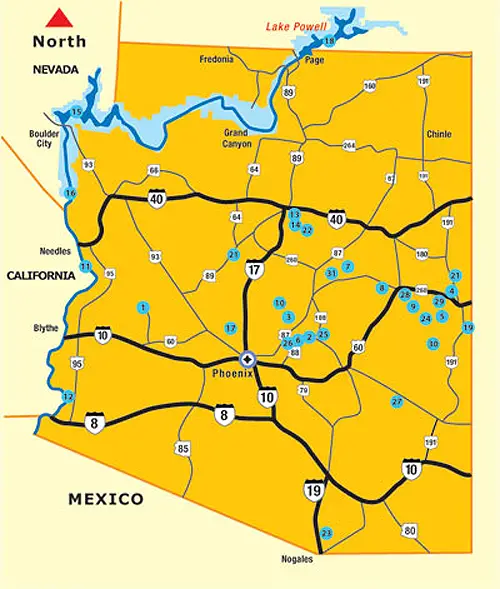
Closer to the Phoenix metropolitan area, Saguaro Lake is a more accessible option for day trips and water-based activities. Its calm waters are perfect for swimming, tubing, and waterskiing. The Butcher Jones Recreation Area is a popular access point, offering amenities such as picnic areas, boat ramps, and hiking trails. The scenic drive to Saguaro Lake itself is a pleasure, winding through the desert landscape.
Natural Wonders and Hidden Gems
While reservoirs form the backbone of Arizona’s lake tourism, the state also boasts a few natural lakes, often found at higher elevations, offering a different kind of aquatic charm.
The Alpine Lakes of the White Mountains
The White Mountains region in eastern Arizona provides a stark contrast to the state’s desert lowlands. Here, at higher elevations, a scattering of natural lakes and small reservoirs offers cooler temperatures and a more alpine environment.
Big Lake and Little Big Lake
These interconnected lakes, situated within the Apache-Sitgreaves National Forests, are renowned for their excellent trout fishing. The cooler climate and pine-forested surroundings make them a popular destination for camping, hiking, and escaping the summer heat of the desert. The clear, cool waters are invigorating for a refreshing dip after a day of exploring the trails.
Woods Canyon Lake and Ponderosa Lake
Also within the Apache-Sitgreaves National Forests, these lakes offer picturesque settings for a variety of outdoor activities. Woods Canyon Lake is particularly popular for its fishing and boating, while Ponderosa Lake provides a quieter experience, ideal for nature observation and leisurely walks. The surrounding meadows and forests are teeming with wildlife, adding to the appeal of these mountain retreats.
Volcanic Craters and Crater Lakes
Arizona’s volcanic past has left behind some unique geological formations, including ancient calderas that have, over time, filled with water to create small, often ephemeral, crater lakes. These are typically found in more remote areas and require a sense of adventure to reach.
Marten Lake and Fossil Creek (and its Pools)
While Fossil Creek is more renowned for its stunning waterfalls and travertine pools, the area’s natural springs contribute to a series of crystal-clear water features. Marten Lake, a smaller natural lake in the northern part of the state, offers a more primitive and secluded experience for those seeking true immersion in nature. Access to these areas often involves hiking and can be challenging, making them best suited for experienced outdoor enthusiasts. The pristine nature of these less-trafficked water bodies is a significant draw for those seeking tranquility.
The Count: A Dynamic Number
So, how many lakes are in Arizona? The answer is not a simple numerical one. If we count every significant reservoir and natural lake, the number easily reaches into the dozens. However, if we include smaller, seasonal ponds, man-made stock tanks, and other ephemeral water bodies, the count could swell to hundreds, if not thousands, especially after periods of rainfall.
For travelers, however, the focus is typically on the larger, more accessible, and developed lakes that offer established recreational facilities and amenities. These are the destinations that form the vibrant core of Arizona’s aquatic tourism. Each lake, whether a colossal reservoir or a serene mountain tarn, contributes to the state’s multifaceted allure, proving that even in the desert, water is a powerful and captivating force for exploration and enjoyment. The dynamic nature of water levels, particularly in the western United States, means that the “size” and even the presence of some smaller lakes can change seasonally, adding another layer of natural wonder to these landscapes.
Ultimately, the true beauty of Arizona’s lakes lies not in a definitive count, but in the diverse experiences they offer, from the majestic scale of Lake Powell to the quiet solitude of a mountain lake, each inviting adventurers to discover the watery side of the Grand Canyon State.
LifeOutOfTheBox is a participant in the Amazon Services LLC Associates Program, an affiliate advertising program designed to provide a means for sites to earn advertising fees by advertising and linking to Amazon.com. Amazon, the Amazon logo, AmazonSupply, and the AmazonSupply logo are trademarks of Amazon.com, Inc. or its affiliates. As an Amazon Associate we earn affiliate commissions from qualifying purchases.