
Navigating the tax landscape of any destination is a crucial part of planning your visit, and Arizona is no exception. While the allure of its stunning natural beauty, vibrant cities, and rich cultural heritage draws millions of tourists each year, understanding the tax implications, particularly sales tax, is essential for budgeting and making informed spending decisions. This guide delves into the specifics of Arizona’s sales tax, its various components, and how it might affect your travel expenses, from dining out to souvenir shopping.
Understanding Arizona’s Sales Tax Structure
Arizona operates under a Transaction Privilege Tax (TPT), which is essentially a state-level sales tax. However, it’s important to distinguish this from a traditional retail sales tax. In Arizona, businesses are liable for paying this tax, but they can, and often do, pass the cost on to the consumer. This tax applies to the value of taxable services and tangible personal property sold or leased in the state.
The state of Arizona levies its own TPT rate, but a significant portion of the total tax collected comes from local jurisdictions – cities and counties – which impose their own TPT rates. This means that the total tax you pay can vary considerably depending on where you are in Arizona. For instance, the TPT rate in Phoenix will differ from that in Tucson or a more rural area.
State vs. Local Tax Rates
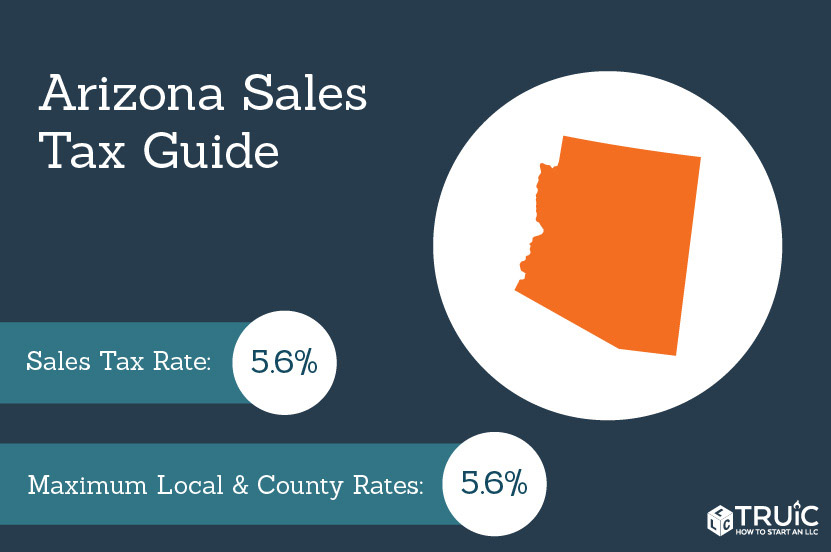
The Arizona Department of Revenue (ADOR) oversees the state’s TPT. The current statewide TPT rate is 5.6%. However, this is only part of the equation. Local governments have the authority to levy their own TPT, and these rates can add substantially to the overall tax burden.
These local taxes are often categorized by business classification. This means that a hotel might be subject to different local TPT rates than a restaurant or a retail store. This complexity is a key factor for travelers to consider, as a purchase in one city might incur a higher tax than the same purchase in another.
Common Tourist Expenditures and Their Tax Implications
When traveling in Arizona, several common expenditures are subject to TPT. Understanding these will help you better estimate your budget.
Accommodation and Lodging
Staying in hotels, resorts, or vacation rentals is a significant part of many travel experiences. In Arizona, transient lodging is subject to TPT. The rate for lodging typically includes the state TPT rate plus applicable city and county taxes. For example, a hotel in Scottsdale might have a combined TPT rate that is higher than a similar hotel in a less developed area.
- State Lodging TPT: This is the base rate applied statewide.
- City Lodging TPT: Many cities, especially popular tourist destinations, impose their own additional TPT on lodging.
- County Lodging TPT: Some counties also levy a TPT on accommodations within their boundaries.
When booking your stay at a place like the Arizona Biltmore, A Waldorf Astoria Resort or a charming inn in Sedona, always check the estimated total tax on your reservation. This can significantly impact the final cost of your accommodation.
Dining and Restaurants
Eating out is a quintessential part of exploring Arizona’s culinary scene, from fine dining in Phoenix to casual eateries in smaller towns. Food and beverages sold by restaurants are generally taxable. The TPT rate applied to your restaurant bill will include the state rate and any applicable local city and county taxes. This applies to dine-in, takeout, and delivery services.
- Restaurant TPT: The combined rate can vary widely. It’s common for popular tourist spots or larger cities to have higher combined rates.
When enjoying a meal at a renowned establishment like Pizzeria Bianco or exploring the food trucks in Tempe, the TPT will be factored into your bill.
Retail Shopping and Souvenirs
Whether you’re browsing for unique artisan crafts in Sedona, picking up souvenirs in Tombstone, or shopping at a mall in Chandler, the purchase of tangible personal property is subject to TPT.
- Retail TPT: This rate is applied to most goods purchased for personal use.
The specific rate will depend on the location of the store. For instance, shopping at the Kierland Commons in Phoenix will involve a different combined TPT than purchasing a Native American artifact from a gallery in Flagstaff.
Entertainment and Attractions
Tickets to attractions, events, and entertainment venues in Arizona are also typically subject to TPT. This can include movie theaters, sporting events, concerts, and admissions to museums or national parks.
- Admissions TPT: The tax rate applied to your ticket purchase will be based on the location of the venue.
Visiting the Grand Canyon National Park or attending a spring training baseball game in the Phoenix metropolitan area will include TPT on the admission fees.
Navigating Average Tax Rates
Given the complexity of local TPT rates, providing a single, definitive “Arizona tax” number is impossible. However, we can look at general ranges and averages to give you an idea.
General TPT Rate Ranges
The combined state and local TPT rates in Arizona can range significantly.
- Minimum: In some less populated areas with lower or no local TPT, the rate might hover close to the state rate of 5.6%.
- Maximum: In popular tourist destinations or larger cities with substantial local taxes, the combined TPT rate can reach upwards of 8% or even 9%. For example, some cities in Maricopa County might have combined rates exceeding 8.5%.
Impact on Tourist Budgets
For a tourist, this means that a $100 purchase could cost anywhere from $105.60 to over $109, depending on the location. This difference, while seemingly small per transaction, can add up over the course of a vacation.
- Accommodation: A $200 per night hotel could end up costing $215-$220 or more after taxes.
- Dining: A $50 dinner for two could range from $52.80 to $55 or higher.
- Shopping: A $200 souvenir could cost $211.20 to $218 or more.
It is always advisable to look for advertised prices that either include TPT or to be prepared for the additional cost at checkout. Many online booking sites and restaurant menus will break down the tax component.
Special Considerations for Tourists
While TPT is the primary tax concern for most tourists, there are a few other points to be aware of.
Tourism-Related Taxes and Fees
Beyond the general TPT, some jurisdictions may impose additional tourism-related taxes or fees, often to fund local tourism promotion efforts. These are typically embedded within the TPT structure for lodging and are part of the higher combined rates seen in popular tourist hubs.
Exemptions and Tax-Free Purchases
Arizona does offer some exemptions from TPT, though they are generally not applicable to typical tourist purchases. For instance, certain manufacturing equipment, agricultural products, or sales to qualifying non-profit organizations might be exempt.
For most visitors purchasing goods and services, expect to pay TPT on your transactions. There are no broad sales tax holidays or general exemptions for tourists.
Understanding Local Tax Differences
The key to managing your tax expenses in Arizona is to be aware that rates vary significantly by location.
- Major Cities: Phoenix, Tucson, Mesa, and Scottsdale generally have higher combined TPT rates due to their local tax ordinances.
- Tourist Destinations: Places like Sedona, Flagstaff, and areas around national parks often have moderate to high TPT rates to support local infrastructure and services.
- Rural Areas: Less populated or less developed areas might have lower combined TPT rates.
When planning your itinerary, consider researching the specific TPT rates for the cities and towns you intend to visit most frequently. The Arizona Department of Revenue website provides detailed information, and many local government websites also list their TPT rates.
In conclusion, while Arizona offers an unforgettable travel experience, understanding its TPT system is a practical step for any visitor. By factoring in the state and local tax rates for accommodation, dining, shopping, and entertainment, you can better manage your budget and enjoy your journey through the Grand Canyon State with confidence.
LifeOutOfTheBox is a participant in the Amazon Services LLC Associates Program, an affiliate advertising program designed to provide a means for sites to earn advertising fees by advertising and linking to Amazon.com. Amazon, the Amazon logo, AmazonSupply, and the AmazonSupply logo are trademarks of Amazon.com, Inc. or its affiliates. As an Amazon Associate we earn affiliate commissions from qualifying purchases.