
Decoding the Sweetness: A Look at Ingredients and Health Implications
The ubiquitous presence of Arizona Iced Tea on shelves and in coolers across the globe makes it a popular choice for refreshment. However, as consumers become increasingly health-conscious, questions surrounding the “goodness” or “badness” of our favorite beverages are becoming more pertinent. When we consider a drink like Arizona Iced Tea, the core inquiry often boils down to its ingredients and their potential impact on our well-being, especially when consumed regularly. Understanding what’s inside the brightly colored cans and bottles is the first step in assessing its place in a balanced lifestyle, particularly for those who frequent travel destinations and seek convenient refreshment options.
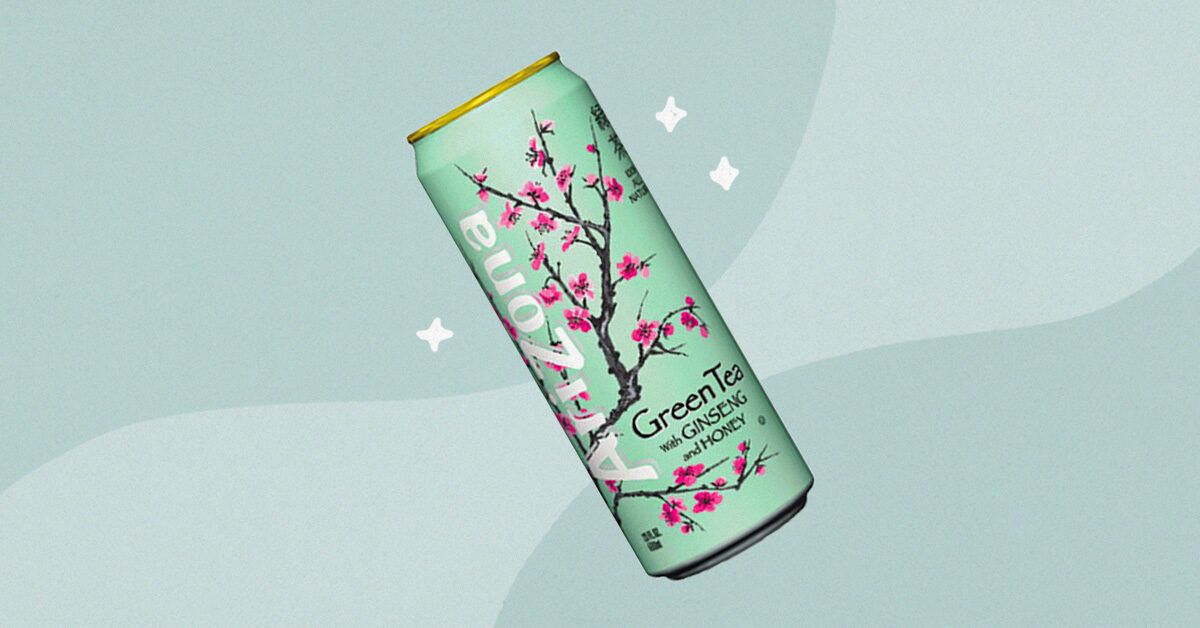
The primary components of most Arizona Iced Tea varieties are water, sugar (or high-fructose corn syrup), citric acid, natural flavors, and tea extract. The tea extract itself, derived from the tea plant Camellia sinensis, is often lauded for its potential antioxidant properties. However, the significant amount of added sugar in many of these drinks is a critical factor when evaluating their health profile. Sugar, while providing immediate energy, can contribute to various health concerns when consumed in excess. These include weight gain, an increased risk of type 2 diabetes, heart disease, and dental issues. The debate around high-fructose corn syrup (HFCS) versus sucrose (table sugar) also continues, with some research suggesting potential metabolic differences, though both are caloric sweeteners.
Citric acid, a common food additive, is responsible for the tartness in many beverages. It’s generally recognized as safe (GRAS) by regulatory bodies like the U.S. Food and Drug Administration and plays a role in flavor enhancement. “Natural flavors” is a more nebulous term, encompassing a wide array of compounds derived from natural sources. While generally considered safe, the proprietary nature of flavor blends means their exact composition isn’t always disclosed, leading to questions for those with specific dietary sensitivities or concerns about artificial additives.
The Sugar Content Conundrum
The most significant area of concern for many health professionals regarding Arizona Iced Tea is its sugar content. A standard 23.5-ounce can, a popular serving size, can contain upwards of 40-50 grams of sugar. To put this into perspective, the American Heart Association recommends that men consume no more than 36 grams of added sugar per day and women no more than 25 grams. Consuming just one can of Arizona Iced Tea can easily exceed these daily recommendations, contributing to a surplus of empty calories that offer little to no nutritional benefit.
This high sugar load can lead to rapid spikes and subsequent crashes in blood sugar levels, affecting energy and mood. For individuals managing conditions like diabetes or pre-diabetes, or those simply aiming for better metabolic health, regular consumption of such sugary beverages poses a significant challenge. The palatable sweetness makes it easy to overconsume, especially in warmer climates where travelers often reach for cold drinks.
Antioxidants vs. Added Sugars: A Balancing Act
While the tea extract in Arizona Iced Tea may contain beneficial antioxidants, such as flavonoids, their positive impact is often overshadowed by the detrimental effects of excessive sugar. Antioxidants are compounds that can help protect cells from damage caused by free radicals, which are linked to chronic diseases and aging. The types and amounts of antioxidants present in commercially produced iced teas can vary, and brewing methods can also influence their concentration.
However, the idea of “healthy” antioxidants in a beverage laden with sugar is a point of contention. Critics argue that the nutritional benefits of the tea are negated by the adverse health outcomes associated with high sugar intake. It’s akin to adding a small amount of vitamin C to a candy bar; while the vitamin is present, the overall health impact is still largely dictated by the sugar and fat content. For individuals exploring local food scenes in places like New York City or Los Angeles, seeking authentic flavors, relying on overly sweetened beverages might detract from the experience of tasting genuine regional specialties.
Exploring Healthier Alternatives and Consumption Strategies
Given the considerable sugar content in many Arizona Iced Tea products, it’s prudent to explore alternatives that offer refreshment without the adverse health effects. For those who enjoy the taste of iced tea, several healthier options are readily available, and simple modifications can make a significant difference.
Sugar-Free and Low-Sugar Varieties
Many brands, including Arizona, now offer sugar-free or diet versions of their iced teas. These are typically sweetened with artificial sweeteners or sugar alcohols, which provide sweetness with little to no calories. While artificial sweeteners are a subject of ongoing research and debate regarding their long-term health effects, they can be a viable option for individuals looking to significantly reduce their sugar intake. It’s important to read labels carefully, as some “diet” versions may still contain small amounts of sugar or other additives. For example, when visiting a resort in Cancun, opting for a sugar-free iced tea can be a mindful choice.
Another excellent alternative is to brew your own iced tea at home. This grants complete control over the ingredients and sweetness level. You can brew a large batch of unsweetened black, green, or herbal tea, then chill it and add fresh lemon, mint, or berries for flavor. This allows for a refreshing beverage that is significantly lower in sugar and free from artificial additives. This approach is also cost-effective, especially for those on extended stays in destinations like Paris or Tokyo.
Hydration Beyond Sweetened Beverages
It’s also worth remembering that iced tea, even the sweetened varieties, contributes to daily fluid intake. However, plain water remains the gold standard for hydration. Carrying a reusable water bottle and refilling it throughout the day is the simplest and healthiest way to stay hydrated, whether exploring national parks in Utah or navigating busy city streets in London.
For those who find plain water unappealing, infusing water with fruits like cucumber, strawberries, or oranges can add natural flavor and a hint of sweetness without the drawbacks of added sugars. Sparkling water also offers a refreshing alternative with a bit of effervescence. These options provide hydration and a sensory experience that can satisfy a craving for something more exciting than plain water.
Moderation is Key
For individuals who genuinely enjoy the taste of Arizona Iced Tea and wish to continue consuming it, moderation is the most crucial strategy. Instead of reaching for a large can daily, consider it an occasional treat. Perhaps enjoy it once a week, or when dining out and it’s the most appealing option. By limiting consumption, the negative health impacts associated with high sugar intake can be significantly mitigated.
When traveling to places like Rome or Sydney, enjoying a local beverage or a regional variation of iced tea in moderation can be part of the cultural experience. However, it’s wise to be aware of the sugar content in any drink and make informed choices based on personal health goals.
Impact on Travel and Lifestyle Choices
The accessibility and popularity of Arizona Iced Tea make it a common sight in convenience stores, hotel vending machines, and roadside attractions across numerous travel destinations. For many, it represents a familiar and affordable option for refreshment, particularly when on the go. However, its inclusion in a travel diet warrants consideration, especially for those prioritizing health and wellness during their trips.
Convenience vs. Conscious Consumption
During travel, convenience often dictates food and beverage choices. When exploring a new city like Barcelona or relaxing on a beach in the Caribbean, readily available, pre-packaged drinks like Arizona Iced Tea can seem like an easy solution to quench thirst. However, this convenience comes at the cost of potential excessive sugar intake, which can impact energy levels, hydration, and overall well-being during travel. Dehydration and sugar-induced fatigue can detract from the enjoyment of exploring new sights and engaging in activities.
For health-conscious travelers, making mindful choices about beverages is an integral part of maintaining their wellness routines while away from home. This might involve actively seeking out water fountains, bringing reusable water bottles, or prioritizing drinks with lower sugar content. Even small decisions, like choosing a water over a sugary iced tea when available at a café in Marrakech, can contribute to a healthier travel experience.
Impact on Specific Travel Scenarios
- Road Trips: Long road trips often involve frequent stops at gas stations and convenience stores where Arizona Iced Tea is a staple. Being prepared with healthier alternatives, such as bringing a cooler with water bottles and unsweetened beverages, can prevent impulsive, high-sugar purchases.
- Beach Vacations: In warm climates, the temptation to grab a cold, sweet drink is high. While a refreshing iced tea can be appealing, prioritizing water or unsweetened options is crucial for proper hydration under the sun. Excessive sugar can exacerbate dehydration. This is particularly relevant for destinations like the Gold Coast.
- Urban Exploration: When exploring bustling cities like Seoul or Berlin, staying hydrated is key to maximizing your sightseeing. While the availability of various drinks is high, being aware of the sugar content of options like Arizona Iced Tea allows for better decision-making.
Lifestyle Integration and Long-Term Habits
The consumption of sugary beverages like Arizona Iced Tea is often intertwined with broader lifestyle habits. If drinking these teas is a daily occurrence, it forms a pattern that can contribute to chronic health issues over time. This is relevant whether one is based in San Francisco or traveling frequently for business.
Adopting a more health-conscious approach to beverage consumption, even when traveling, can reinforce positive lifestyle habits. This involves developing a habit of reading nutrition labels, seeking out healthier alternatives, and prioritizing hydration with water. For individuals who enjoy the taste of tea, exploring unsweetened varieties or brewing their own can be incorporated into their routine, even when staying in hotels or vacation rentals. This conscious effort ensures that even convenient beverage choices align with personal health and wellness goals, enhancing the overall travel and lifestyle experience.
Conclusion: Making Informed Choices for Your Well-being
In response to the titular question, “Is Arizona Iced Tea Bad For You?”, the answer is nuanced. It is not inherently toxic or dangerous in small, infrequent amounts for most healthy individuals. However, its classification as “bad” stems primarily from its high sugar content, which can have detrimental effects when consumed regularly or in large quantities.
The considerable amounts of added sugars, often exceeding daily recommended limits in a single serving, contribute to empty calories, potential weight gain, and increased risk of chronic diseases like type 2 diabetes and heart disease. While the presence of tea extract offers some potential antioxidant benefits, these are largely overshadowed by the negative health consequences of excessive sugar intake.
For individuals prioritizing their health, especially those who travel frequently and seek convenient refreshment options, it is advisable to approach Arizona Iced Tea with caution. Making informed choices involves understanding the ingredients and their implications.
Recommendations for Healthier Consumption
- Moderation is Paramount: Treat Arizona Iced Tea as an occasional indulgence rather than a daily staple.
- Opt for Sugar-Free Versions: If you enjoy the flavor, explore the sugar-free or diet alternatives, while being mindful of artificial sweeteners.
- Prioritize Water: Make plain water your primary source of hydration, especially during travel and in warm climates.
- Brew Your Own: Consider brewing unsweetened iced tea at home for complete control over ingredients and sweetness.
- Read Labels: Always check the nutrition facts panel for sugar content and other ingredients.
Ultimately, the decision of whether to consume Arizona Iced Tea rests with the individual. By understanding its nutritional profile and potential health impacts, consumers can make conscious choices that align with their personal wellness goals, ensuring that their beverage selections contribute positively to their health, whether at home or while exploring new destinations from Hawaii to Iceland. The key lies in balance, awareness, and a commitment to informed consumption for a healthier lifestyle.
LifeOutOfTheBox is a participant in the Amazon Services LLC Associates Program, an affiliate advertising program designed to provide a means for sites to earn advertising fees by advertising and linking to Amazon.com. Amazon, the Amazon logo, AmazonSupply, and the AmazonSupply logo are trademarks of Amazon.com, Inc. or its affiliates. As an Amazon Associate we earn affiliate commissions from qualifying purchases.