
Navigating the temporal landscapes of a new destination can be a subtle yet crucial element of travel planning. For visitors heading to the Grand Canyon State, understanding Arizona‘s time zone is more than a mere detail; it’s essential for coordinating flights, booking accommodations, planning day trips, and ensuring a seamless experience. This seemingly simple question—”Is Arizona on Pacific or Mountain Time?”—unlocks a more complex and interesting discussion about the state’s unique relationship with Daylight Saving Time and its regional timekeeping. The answer, in fact, is not as straightforward as one might assume, and it hinges on a very specific exception.
The General Rule: Mountain Standard Time
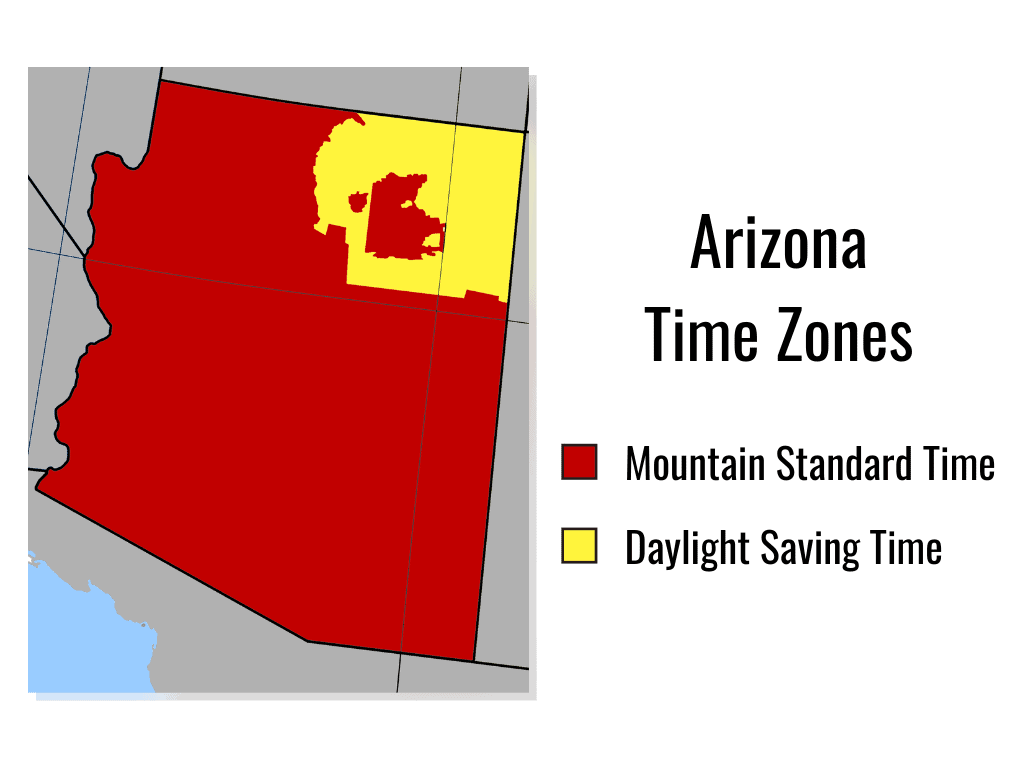
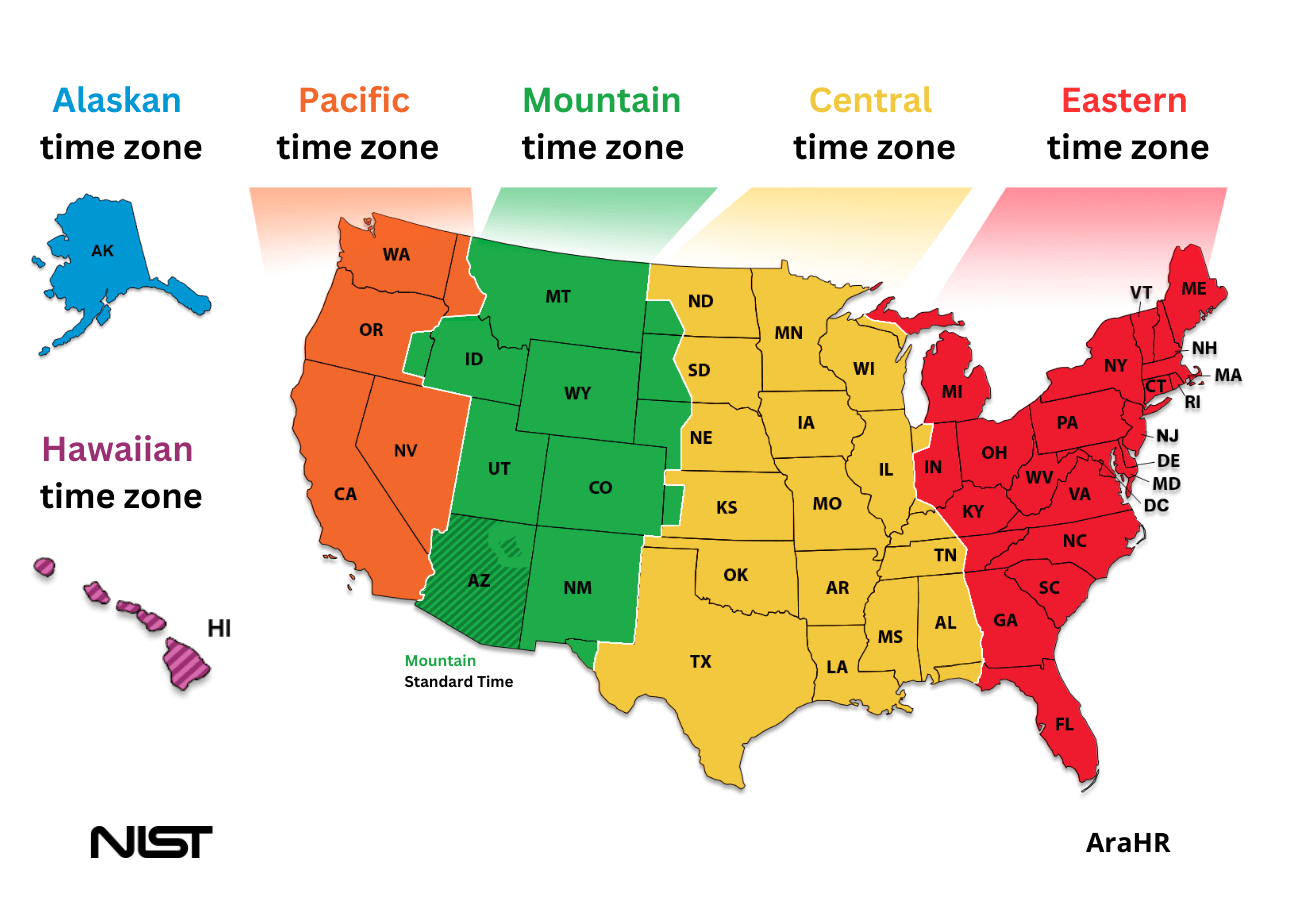
For the vast majority of the United States, time zones are divided into Eastern, Central, Mountain, and Pacific. These zones are geographically defined, with each zone generally encompassing a contiguous area. When considering Arizona, the immediate assumption for many is that it falls under the Mountain Time Zone. This is largely correct, as the state officially observes Mountain Standard Time (MST) year-round.
Mountain Standard Time Explained
Mountain Standard Time is UTC-7, meaning it is seven hours behind Coordinated Universal Time. This puts it in sync with regions like Denver, Colorado, and Salt Lake City, Utah, during the standard time period. For much of the year, when other states in the Mountain Time Zone are observing Mountain Daylight Time (MDT, UTC-6), Arizona remains on MST. This creates a fascinating temporal divergence that can be both a source of confusion and a practical advantage for travelers.
The decision for Arizona to remain on MST year-round was made in 1968, when the Uniform Time Act was passed. This act standardized Daylight Saving Time (DST) across the nation, but it also provided an exemption for states that wished to opt out. Arizona was one of those states, alongside Hawaii, that chose not to implement DST. This decision was influenced by several factors, including the desire to maintain a consistent time for the state’s agricultural sector and the acknowledgment that the intense summer heat in many parts of Arizona made extended daylight hours in the evening less desirable.
The Navaho Nation Exception
While the vast majority of Arizona observes Mountain Standard Time year-round, there is a significant and notable exception: the Navajo Nation. The Navajo Nation, which spans parts of Arizona, New Mexico, and Utah, does observe Daylight Saving Time. This means that for several months of the year, the Navajo Nation is on Mountain Daylight Time (MDT), putting it one hour ahead of the rest of Arizona.
Understanding the Navajo Nation’s Time Difference
This temporal discrepancy can create unique logistical challenges for travelers. For instance, if you are planning a visit to Monument Valley or the Grand Canyon National Park when its boundaries extend into the Navajo Nation, you will need to be aware of this time difference. Park entrances within the Navajo Nation will operate on MDT during DST, while entrances in the non-Navajo parts of Arizona will remain on MST.
The Navajo Nation’s decision to observe DST is rooted in its desire to align its business and travel schedules with neighboring states that also observe DST, particularly those in the Mountain Time Zone. This helps to facilitate commerce, coordinate with federal agencies, and ease travel for visitors who are accustomed to the DST schedule.
Practical Implications for Travelers
When planning a trip to Arizona, especially if your itinerary includes visits to areas within or bordering the Navajo Nation, it is crucial to verify the current time. This is particularly important during the spring and fall when the transition to and from DST occurs.
- Flights: Airlines and booking platforms generally account for these time zone differences, but it’s always wise to double-check your arrival and departure times, especially if you are connecting through a city within the Navajo Nation.
- Accommodations: If you are staying in a hotel or resort located within the Navajo Nation, confirm their local time. Many hotels will clearly state their operating time zone. For example, a hotel in Kayenta, a community within the Navajo Nation, will observe MDT during the DST period.
- Tours and Activities: If you book tours or activities that operate out of the Navajo Nation, such as guided tours of Monument Valley, ensure you are clear about their operating time. You don’t want to miss a sunrise or sunset tour because of a time zone mix-up.
- Communication: When contacting businesses or individuals within the Navajo Nation during DST, remember they will be one hour ahead of most of Arizona.
The Allure of a Unique Time Zone
Arizona’s decision to eschew Daylight Saving Time, with the exception of the Navajo Nation, contributes to its distinct character. It provides a consistent temporal rhythm that many residents and businesses have come to rely upon. For travelers, it adds another layer of complexity and interest to the state’s already rich tapestry of experiences.
Advantages of Year-Round MST
The benefits of remaining on Mountain Standard Time year-round are often cited by those who support the practice. The most frequently mentioned advantage is the reduction in energy consumption. Shorter daylight hours during the summer evenings mean less need for artificial lighting, and the cooler temperatures experienced during the standard time can also reduce the demand for air conditioning.
Another significant factor is the impact on the state’s economy, particularly its tourism industry. Businesses in popular destinations like Phoenix, Scottsdale, and the Grand Canyon National Park can benefit from predictable operating hours. This consistency simplifies scheduling for both local businesses and their visitors. For instance, tour operators can offer consistent tour times without the need to adjust for DST.
Furthermore, for many Arizonans, the intense summer heat makes the prospect of an extra hour of daylight in the evening unappealing. The cooler temperatures of the standard time are generally preferred for outdoor activities and evening leisure.

Experiencing the Temporal Divide
The temporal divide between the majority of Arizona and the Navajo Nation is a fascinating case study in regional autonomy and the practicalities of timekeeping. It is a reminder that even within the borders of a single state, time can flow differently. This unique aspect of Arizona travel offers a chance to engage with local customs and understand the diverse decision-making processes that shape a region.
When you are planning your adventure, whether it’s a hike through the red rocks of Sedona, a drive along historic Route 66, or an exploration of the vibrant culture of Tucson, remember to confirm the local time. A quick check of your phone, a glance at a local clock, or a call to your accommodation can save you from potential scheduling mishaps. This attention to detail will ensure your journey through the Grand Canyon State is as smooth and enjoyable as its breathtaking landscapes. The question of “Pacific or Mountain Time?” for Arizona is answered with a nuanced “Mountain Time, mostly.”
LifeOutOfTheBox is a participant in the Amazon Services LLC Associates Program, an affiliate advertising program designed to provide a means for sites to earn advertising fees by advertising and linking to Amazon.com. Amazon, the Amazon logo, AmazonSupply, and the AmazonSupply logo are trademarks of Amazon.com, Inc. or its affiliates. As an Amazon Associate we earn affiliate commissions from qualifying purchases.