
The question “Is there a fire in Arizona right now?” is one that many visitors and residents alike ponder, especially during the warmer months. While Arizona is renowned for its stunning desert landscapes, majestic canyons, and vibrant cities, it is also a state prone to wildfires. Understanding the potential for these events, how to stay informed, and what to do if you encounter one is crucial for anyone traveling through or living in the Grand Canyon State. This article delves into the realities of wildfires in Arizona, focusing on how they impact travel and tourism, and providing essential guidance for navigating these situations safely and responsibly.

Understanding Wildfire Risk in Arizona
Arizona’s diverse topography, ranging from arid deserts to high-elevation ponderosa pine forests, creates a variety of fire ecosystems. The state experiences a distinct fire season, often influenced by rainfall patterns and prevailing weather conditions. Historically, fire has been a natural part of many of Arizona’s ecosystems, but human activity and extended drought periods have led to an increase in the size and intensity of wildfires in recent decades.
Climate and Fire Behavior
The climate of Arizona plays a significant role in its wildfire risk. The desert regions, while seemingly sparse, contain dry grasses and brush that can ignite easily. Higher elevations, such as those found in the Coconino National Forest or around Flagstaff, are home to dense forests of pine, fir, and spruce. These areas can become extremely dry during prolonged hot and windy periods, creating conditions ripe for rapid fire spread.
- Drought Conditions: Arizona frequently experiences drought, with varying degrees of severity. When drought conditions persist, vegetation becomes highly flammable, acting as fuel for potential fires.
- Weather Patterns: High temperatures, low humidity, and strong winds are significant contributing factors to wildfire ignition and spread. Wind can carry embers long distances, starting new fires (spotting) and making containment efforts more challenging.
- Lightning Strikes: Natural ignitions, primarily from lightning, are a common cause of wildfires, especially in remote, forested areas. However, human-caused ignitions, such as unattended campfires, discarded cigarettes, and equipment malfunctions, also contribute significantly to the fire problem.
Seasonal Trends
While wildfires can occur year-round in Arizona, they are most prevalent during specific seasons.
- Spring (March-May): As temperatures rise and winter moisture evaporates, vegetation begins to dry out. This period often sees an increase in human-caused fires.
- Summer (June-August): This is typically the peak wildfire season, particularly in the higher elevation forests, due to intense heat, dry conditions, and the monsoon season’s erratic lightning activity. Monsoon thunderstorms, while bringing some moisture, can also produce dry lightning, which ignites fires without significant rainfall.
- Fall (September-November): While less active than summer, fall can still present wildfire risks, especially if dry conditions persist.
Staying Informed About Current Fire Conditions
For travelers and locals alike, accessing reliable and up-to-date information about active fires is paramount. Several official resources provide real-time updates on fire incidents, evacuation orders, and air quality.
Official Fire Information Sources
- InciWeb: This interagency all-risk incident information management system is the primary source for detailed information on large wildfires across the United States, including Arizona. It provides incident descriptions, maps, photos, and updates from the fire management teams.
- Arizona Department of Forestry and Fire Management (DFFM): The DFFM manages state trust lands and provides crucial information on fire restrictions, prevention efforts, and active incidents within the state. Their website often features interactive fire maps and public service announcements.
- National Forest Service: For fires occurring within national forests like the Tonto National Forest, Kaibab National Forest, or Apache-Sitgreaves National Forests, the U.S. Forest Service provides localized information through their regional websites and ranger districts.
- Local Emergency Management Agencies: Cities and counties across Arizona have their own emergency management departments that disseminate information regarding fires affecting their jurisdictions, including evacuation routes and shelter locations. This is particularly important if you are staying in a specific city like Phoenix, Tucson, or Sedona.
- AirNow.gov: This website provides real-time air quality data and forecasts, including information on smoke plumes from wildfires. This is essential for understanding the impact of fires on air quality in surrounding areas, which can affect outdoor activities and travel plans.
Using Mobile Apps and Social Media
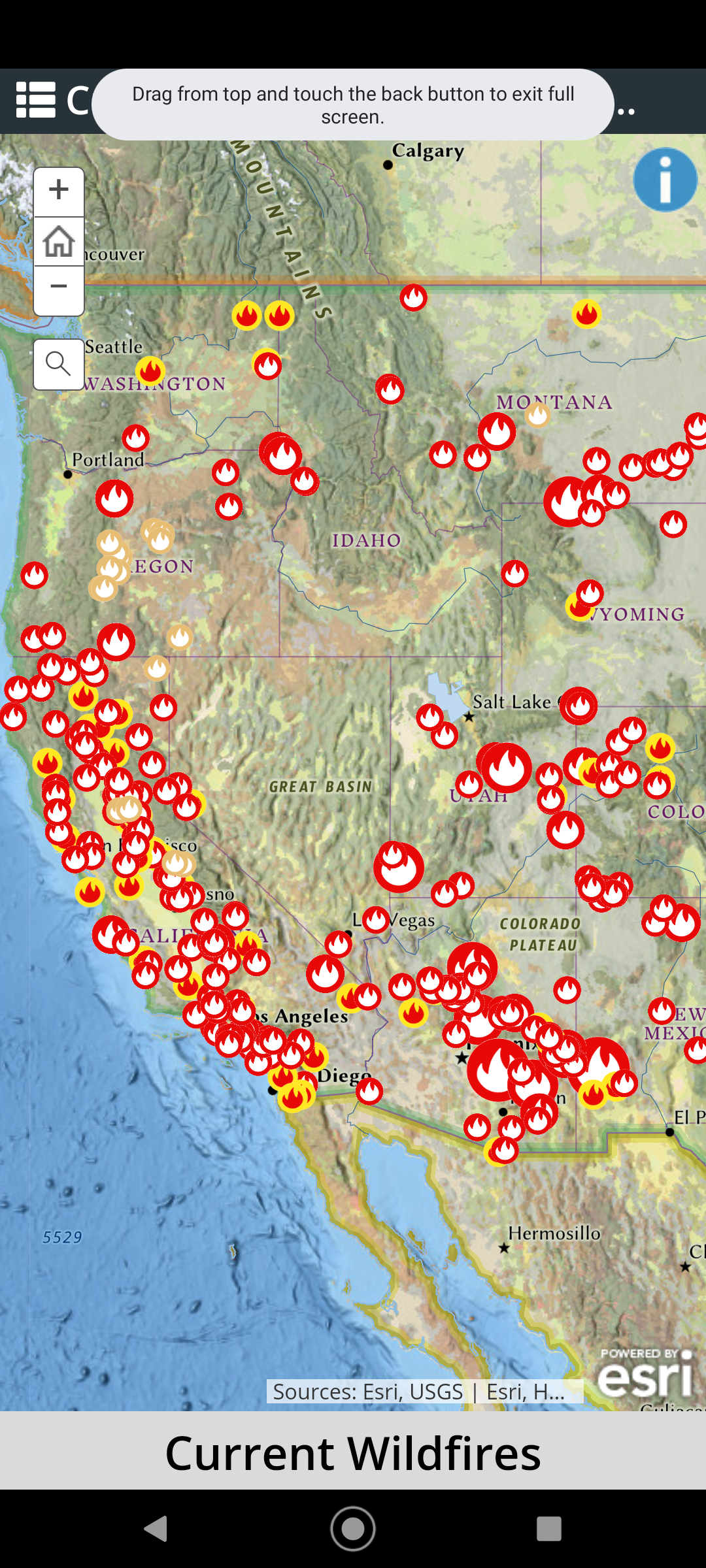
Many fire agencies and emergency services utilize social media platforms (e.g., Twitter, Facebook) to provide rapid updates on developing situations. Following official accounts for relevant fire departments, national forests, and state agencies can be an effective way to receive breaking news. Additionally, several mobile apps aggregate fire information from various sources, offering convenient access to data on the go.
Impact of Wildfires on Travel and Tourism in Arizona
Wildfires can significantly disrupt travel plans and impact the tourism industry in Arizona. The allure of destinations like the Grand Canyon National Park, Sedona’s red rocks, and Antelope Canyon can be overshadowed by the presence of smoke or the closure of access routes.
Travel Disruptions and Closures
- Road Closures: Major highways and scenic byways can be closed due to active fires, smoke, or firefighting operations. This can lead to significant detours, delays, and potentially force travelers to alter their itineraries entirely. For instance, a fire near Highway 89A in Northern Arizona could impact travel to and from popular spots.
- National Park and Forest Closures: Areas within national parks, national forests, and other protected lands may be closed to the public to ensure safety and allow fire suppression efforts to proceed unimpeded. This means iconic attractions might be temporarily inaccessible.
- Air Travel Delays: While less common, extremely severe smoke conditions can impact air quality at airports, potentially leading to flight delays or cancellations, particularly for smaller regional airports.
Impact on Tourist Activities
- Reduced Visibility: Smoke from wildfires can severely impair visibility, diminishing the scenic beauty of many Arizona attractions. This can detract from the experience of visiting places like the Monument Valley Navajo Tribal Park or enjoying hiking trails.
- Health Concerns: Smoke inhalation can pose serious health risks, especially for individuals with respiratory or cardiovascular conditions. Travelers may need to cancel or modify outdoor activities, such as hiking, biking, or exploring natural areas, due to poor air quality.
- Economic Impact: When wildfires force closures or deter visitors, it has a tangible economic impact on local communities that rely heavily on tourism. Businesses such as hotels, restaurants, and tour operators in areas like Page or the Payson region can suffer significant losses.
Safety Tips for Travelers and Residents During Fire Season
Awareness and preparedness are key to navigating Arizona during wildfire season. By taking proactive steps and staying informed, individuals can minimize risks and ensure their safety.
Before You Travel
- Check Fire Conditions: Always check InciWeb and local resources for any active fires or fire restrictions in your intended travel areas before departing.
- Review Evacuation Plans: If traveling to or through an area known for wildfire risk, familiarize yourself with local evacuation routes and emergency procedures.
- Pack Accordingly: Consider packing a basic emergency kit that includes water, non-perishable food, a first-aid kit, a flashlight, and any necessary medications. If you have respiratory sensitivities, bring masks rated for smoke protection (e.g., N95).
During Your Trip
- Heed Warning Signs and Orders: Pay close attention to any signs, alerts, or instructions from authorities regarding fire danger, closures, or evacuations. Never drive through closed roads or ignore evacuation orders.
- Practice Fire Safety: If you are camping or engaging in outdoor activities, be extremely mindful of fire safety. Ensure campfires are fully extinguished, never leave them unattended, and be aware of any fire bans or restrictions in place.
- Monitor Air Quality: Use resources like AirNow.gov to check current air quality conditions. If smoke is present, limit strenuous outdoor activities, stay indoors as much as possible, and keep windows and doors closed. Consider using air purifiers if available.
- Be Prepared for Detours: Have flexibility in your travel plans and be prepared for potential road closures or detours. Have alternative routes mapped out, if possible.
- Respect Firefighting Efforts: If you encounter emergency vehicles or personnel, give them ample space and follow their directions. Do not stop to take photos near active fire scenes, as this can impede operations and put yourself at risk.

If You Encounter a Fire
- Do Not Approach: Never attempt to approach an active wildfire. Fires can spread rapidly and unpredictably.
- Follow Evacuation Routes: If an evacuation order is issued for your location, leave immediately via the designated routes. Do not wait for further instructions.
- Report Fires: If you see smoke or flames that appear to be a wildfire, report it immediately to the authorities by calling 911. Provide as much detail as possible about the location and size of the fire.
Arizona’s natural beauty is a significant draw for tourists and a source of pride for its residents. While wildfires are a reality of the landscape, with proper preparation, consistent awareness of current conditions, and adherence to safety guidelines, visitors and locals can continue to enjoy the wonders of the Grand Canyon State while minimizing risks associated with these natural events. The key lies in staying informed and making safety the top priority.
LifeOutOfTheBox is a participant in the Amazon Services LLC Associates Program, an affiliate advertising program designed to provide a means for sites to earn advertising fees by advertising and linking to Amazon.com. Amazon, the Amazon logo, AmazonSupply, and the AmazonSupply logo are trademarks of Amazon.com, Inc. or its affiliates. As an Amazon Associate we earn affiliate commissions from qualifying purchases.