
Navigating the financial landscape of any destination is a crucial aspect of planning, especially when considering a move or an extended visit. For travelers and potential residents alike, understanding the tax implications can significantly influence budget and decision-making. Arizona, a state renowned for its stunning natural beauty, vibrant cities, and unique cultural experiences, presents a compelling case for exploration. However, before packing your bags for the Grand Canyon State or settling into a new home in Phoenix or Tucson, it’s essential to grasp its tax structure. This article delves into Arizona’s state income tax, providing a comprehensive overview for those looking to make informed choices about their finances within its borders.
Understanding Arizona’s Income Tax Structure
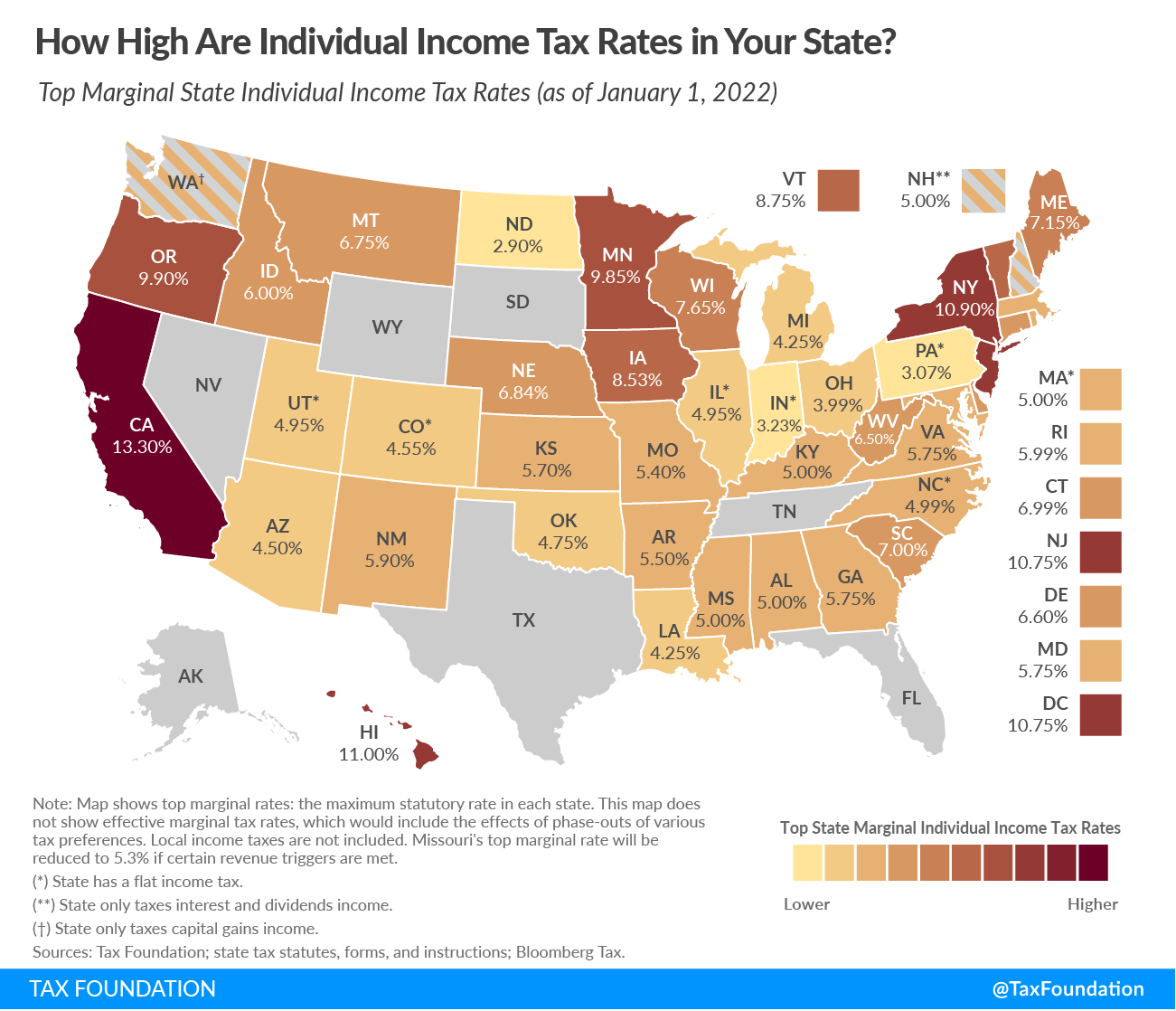
Arizona operates on a progressive income tax system, meaning that tax rates increase as income levels rise. This is a common model in many U.S. states, designed to place a greater tax burden on higher earners and a lesser one on those with lower incomes. However, it’s important to note that the specific rates and brackets are subject to change, often annually, due to legislative adjustments and economic conditions. For the most current information, consulting the Arizona Department of Revenue is always recommended.
Tax Brackets and Rates
Historically, Arizona has had a tiered system of tax brackets. For instance, in recent years, taxpayers might have encountered rates ranging from a low percentage for the lowest income brackets to a higher percentage for the highest income brackets. The precise number of brackets and the corresponding rates fluctuate. For example, a taxpayer earning a modest income might fall into a lower tax bracket, paying a smaller percentage of their earnings in state income tax. Conversely, an individual with substantial earnings would be placed in a higher bracket, contributing a larger proportion to state revenue.
It is imperative to understand that these brackets are defined by taxable income, which is not necessarily the same as gross income. Taxable income is calculated after various deductions and exemptions have been applied. Therefore, an individual’s actual tax liability is determined by their adjusted gross income minus any applicable deductions allowed by the state.
Filing Status
Similar to federal income tax, Arizona recognizes various filing statuses, which can impact the tax brackets and deductions available to a taxpayer. Common filing statuses include Single, Married Filing Separately, Married Filing Jointly, and Head of Household. Each status has its own set of income thresholds for tax brackets and may offer different deduction opportunities. For example, married couples filing jointly often benefit from wider income brackets and potentially larger standard deductions compared to those filing as single individuals, assuming their combined income warrants it. Understanding which filing status is most advantageous for your specific financial situation is a key step in accurate tax preparation.
Deductions and Exemptions
Arizona allows for a variety of deductions and exemptions that can reduce an individual’s taxable income. These can include deductions for dependents, certain medical expenses, contributions to retirement accounts, and other specific expenses as defined by state law. The availability and limits of these deductions are crucial for taxpayers aiming to minimize their tax obligations. For instance, taxpayers who itemize their deductions may find that certain expenses related to their homeownership, charitable contributions, or state and local taxes (subject to limitations) can be deducted, thereby lowering their overall tax burden. The standard deduction is also an option for those who do not itemize, offering a fixed amount that can be subtracted from their income.
Key Considerations for Travelers and Visitors
While the primary focus of state income tax is often on residents, it’s important for visitors and frequent travelers to Arizona to be aware of certain aspects, particularly if they are generating income within the state.
Income Earned in Arizona
If you are not an Arizona resident but earn income from sources within the state, you may be subject to Arizona’s income tax. This could include income from self-employment, rental properties, or business activities conducted within Arizona. The specific rules regarding non-resident taxation can be complex and depend on the nature of the income and its connection to the state. For example, a freelancer who travels to Arizona for a contract job might have to file an Arizona non-resident tax return if their work physically takes place within the state. Similarly, if you own property in Arizona and derive rental income from it, that income is generally taxable by the state.
Reciprocal Agreements
It’s worth noting that some states have reciprocal tax agreements with each other. These agreements typically allow residents of one state to work in another and only pay income tax to their home state. Arizona does not currently have broad reciprocal tax agreements with other states that exempt its residents from paying tax on income earned elsewhere or vice versa for non-residents earning income in Arizona. This underscores the importance of understanding your specific tax obligations based on your residency and the source of your income.
Tax Implications for Long-Term Stays and Relocation
For individuals considering a longer stay in Arizona, perhaps for seasonal work, an extended vacation, or even a permanent relocation, understanding the residency rules is paramount. Establishing residency in Arizona can trigger a full range of state income tax obligations.
Determining Residency
Arizona defines residency for tax purposes based on several factors. Generally, you are considered an Arizona resident if you are present in the state for more than 183 days during the tax year, or if you maintain a permanent home in Arizona and spend more time in Arizona than in any other single state. Intent also plays a role; if you intend to make Arizona your permanent home, you may be considered a resident even if you haven’t met the physical presence test. This is a critical distinction, as becoming an Arizona resident means your worldwide income is subject to Arizona income tax.
The Impact of Residency
Once you are classified as an Arizona resident for tax purposes, you will be required to file an Arizona resident income tax return and pay taxes on all income, regardless of where it is earned. This includes income from investments, pensions, Social Security benefits, and wages. Understanding the thresholds for filing and the applicable tax rates becomes essential for managing your financial affairs effectively. This transition from non-resident to resident taxation is a significant financial event that requires careful planning and adherence to state tax laws.
Alternatives and Considerations Beyond Income Tax
While state income tax is a significant factor, it’s not the only financial consideration when exploring Arizona. Understanding the broader tax landscape can provide a more complete picture.
Sales Tax
Arizona has a state sales tax, which is applied to the sale of tangible personal property and certain services. Local jurisdictions (cities and counties) also levy their own transaction privilege taxes (TPT), which are often referred to as sales taxes. This means the total sales tax rate can vary significantly depending on the specific location within Arizona. For consumers, this translates to a higher overall cost for goods and services in some areas compared to others. Businesses operating in Arizona must register and collect both state and local TPT. This tax structure directly impacts the cost of goods and services for residents and tourists alike.
Property Tax
Property taxes in Arizona are levied by local governments (counties, cities, school districts, and special districts) and are based on the assessed value of real estate and, in some cases, personal property. The rates vary considerably by location. Property taxes are a significant source of revenue for local services such as schools, police, and fire departments. Homeowners and property owners in Arizona will need to factor these costs into their overall financial planning. While Arizona does not have a state property tax, the combined local property taxes can be substantial, depending on the value of the property and the tax rates in the specific jurisdiction.
Other Taxes and Fees
Beyond income, sales, and property taxes, Arizona also has other taxes and fees that may affect individuals and businesses. These can include excise taxes on specific goods like gasoline and tobacco, vehicle registration fees, and various business-related licenses and permits. For example, the cost of fueling your vehicle in Arizona will include state and federal gasoline taxes. Similarly, purchasing certain goods like cigarettes or alcoholic beverages will be subject to specific excise taxes, increasing their retail price.

Conclusion: Informed Financial Planning for Arizona
In summary, Arizona does impose a state income tax, structured progressively with varying rates and brackets. For residents, this is a significant consideration affecting their annual financial obligations. For non-residents, understanding when and how income earned within the state becomes taxable is crucial. Beyond income tax, the state’s sales tax and property tax systems also play a vital role in the overall cost of living and doing business in Arizona.
Whether you are planning a vacation to experience the stunning landscapes of Sedona, considering a business venture in Scottsdale, or contemplating a permanent move to the state, a thorough understanding of Arizona’s tax policies is indispensable. Consulting with tax professionals and thoroughly reviewing resources from the Arizona Department of Revenue will ensure that your financial planning aligns with the realities of living and earning in the Grand Canyon State. By being informed, you can make the most of what Arizona has to offer, from its breathtaking natural wonders to its burgeoning economic opportunities, with confidence and clarity regarding your financial commitments.
LifeOutOfTheBox is a participant in the Amazon Services LLC Associates Program, an affiliate advertising program designed to provide a means for sites to earn advertising fees by advertising and linking to Amazon.com. Amazon, the Amazon logo, AmazonSupply, and the AmazonSupply logo are trademarks of Amazon.com, Inc. or its affiliates. As an Amazon Associate we earn affiliate commissions from qualifying purchases.