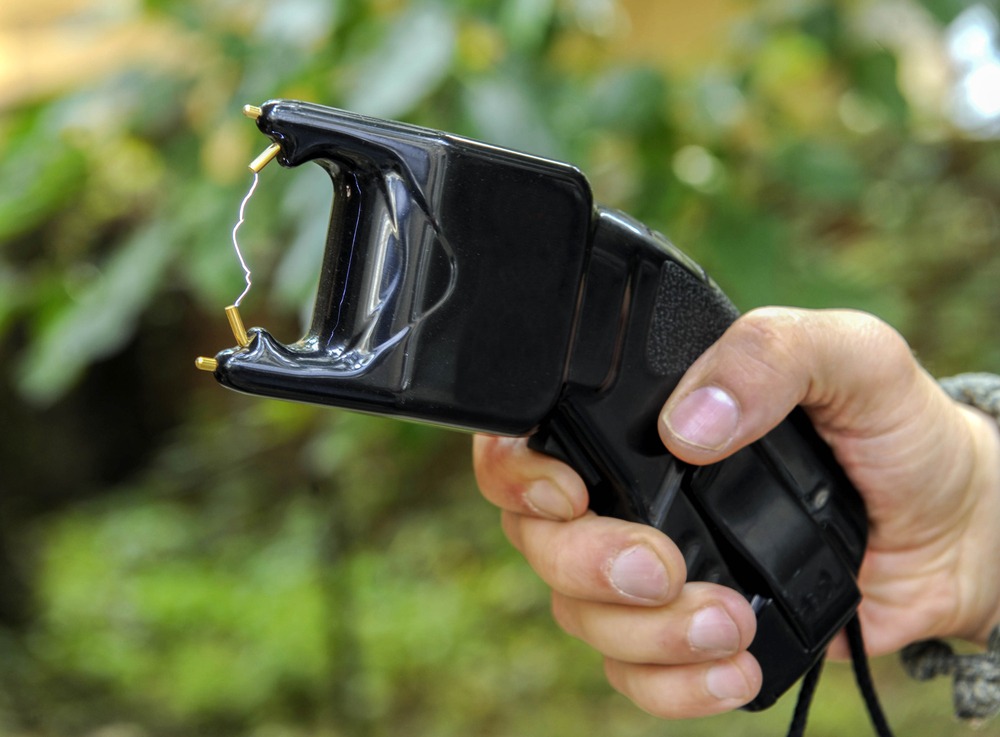
For many, personal safety is a paramount concern, whether at home or exploring new destinations. As individuals seek effective self-defense tools, the legality of devices like Tasers often comes into question, particularly when considering travel within different regions. For those planning a visit to the Golden State or residents simply looking to understand their rights, navigating the intricacies of California law surrounding electronic weapons is essential. The answer to “Are Tasers legal in California?” isn’t a simple yes or no; it involves understanding specific statutes, restrictions, and responsible ownership practices. This guide aims to shed light on these regulations, helping both travelers and residents make informed decisions about their personal safety and adherence to the law within the diverse landscape of California. From the bustling cities of Los Angeles and San Francisco to the serene landscapes of Yosemite National Park or the vineyards of Napa Valley, understanding the legalities surrounding personal defense tools is a crucial aspect of responsible lifestyle and travel.
Understanding California Law on Electronic Weapons
California’s approach to self-defense tools is generally pragmatic, recognizing the right of individuals to protect themselves while also implementing strict controls to prevent misuse. Electronic weapons, often broadly categorized under “stun guns” in legal texts, fall under a specific set of rules. For those who view personal safety as a key component of their daily lifestyle, comprehending these nuances is the first step toward lawful ownership and carry.
The Legal Framework: What California Says
Under California law, specifically the Penal Code, it is generally legal for adults aged 18 and older to purchase, possess, and openly carry a Taser or other stun gun for self-defense purposes. However, this legality comes with significant caveats. The device must be used lawfully, meaning only in self-defense against an imminent threat of bodily harm. The force used must be reasonable and proportionate to the threat. Misuse, such as brandishing the device in a non-threatening situation or using excessive force, can lead to severe legal consequences, including felony charges.
Key conditions for legal possession and use include:
- Age Requirement: You must be 18 years of age or older.
- No Felony Convictions: Individuals with prior felony convictions or certain misdemeanor convictions are prohibited from owning or possessing electronic weapons. This is a critical point for anyone considering a Taser, as a criminal record can negate their right to possess one.
- Lawful Self-Defense Only: The device can only be used when an individual reasonably believes they are in imminent danger of suffering bodily injury and the use of the Taser is necessary to defend themselves. It is not intended for offensive use, intimidation, or pranks.
- No Sale to Minors: It is illegal to sell or furnish a Taser to a minor.
It’s important to differentiate between possession and carry. While possession is broadly permitted under the aforementioned conditions, carrying restrictions are more specific, particularly in certain public areas or private establishments. Understanding these distinctions is crucial for anyone, especially travelers who might assume laws are uniform across different locations within the state.
Distinguishing Tasers from Stun Guns
While often used interchangeably in common parlance, technically, a Taser is a specific brand of Conducted Energy Device (CED) that fires two barbed probes connected by wires to the main unit, delivering an incapacitating electrical shock from a distance. A traditional stun gun, on the other hand, requires direct contact with the assailant to deliver an electrical shock.
From a legal perspective in California, both devices are generally treated similarly under the same legal statutes governing “stun guns” or “less lethal weapons.” The regulations concerning age, felony convictions, and legal use for self-defense apply equally to both types of devices. This means whether you possess a contact stun gun or a projectile Taser, you are subject to the same legal framework. This uniformity simplifies understanding for the average person, ensuring that the rules for one apply to the other. However, it’s always wise to consult the most current version of the California Penal Code or a legal professional for specific interpretations, as laws can evolve.
Carrying Considerations for Travelers and Residents in California
For residents and travelers alike, understanding where one can legally carry a Taser is as important as knowing that it’s generally legal to possess. The golden rule for those navigating California’s diverse environments, from the vibrant streets of San Diego to the scenic routes of a road trip through the Sierra Nevada, is awareness of location-specific restrictions. The convenience and peace of mind a Taser might offer must always be balanced against the legal boundaries of its carry.
Where Can You Carry a Taser? Public vs. Private Spaces
While California law permits the open carry of Tasers by eligible individuals, this general rule is superseded by specific prohibitions in certain sensitive locations. These restrictions are in place to ensure public safety and maintain order in environments where such devices could pose heightened risks or create undue alarm.
Prohibited Locations Often Include:
- Government Buildings: Courthouses, city halls, state legislative buildings in Sacramento, and other public administrative offices.
- K-12 Schools and University Campuses: Carrying a Taser on school grounds, including primary, secondary, and tertiary educational institutions, is strictly prohibited and carries severe penalties. This extends to events taking place on school property.
- Airports and Federal Facilities: While not directly a state law, federal regulations (like those enforced by the TSA) prohibit carrying Tasers or stun guns on one’s person or in carry-on baggage on aircraft. They may be permitted in checked luggage under specific conditions, but for general purposes, they are restricted in airport terminals beyond security checkpoints and other federal properties.
- Correctional Facilities: Jails, prisons, and any other detention facilities.
- Specific Private Property: Businesses, organizations, hotels, resorts, and other private establishments have the right to prohibit weapons, including Tasers, on their premises. It is incumbent upon the individual to be aware of and respect these private property rules. For instance, a hotel may have a policy against weapons, and bringing a Taser onto their property could violate their terms of service, even if legal in general public spaces.
- Areas of Public Assembly: Depending on local ordinances, certain large public gatherings, events, or specific landmarks may have temporary or permanent restrictions on weapons.
Beyond these common restrictions, local jurisdictions (cities and counties) in California can enact their own ordinances that might further restrict the carry or use of Tasers. Therefore, a traveler moving between Los Angeles and San Francisco, for example, should ideally familiarize themselves with any unique local laws that might apply. Always look for posted signs or inquire with property management or local authorities if unsure.
The Importance of Responsible Use and Training
Possessing a Taser for self-defense is a significant responsibility that extends beyond simply understanding its legality. The effective and lawful use of such a device requires proper training, a clear understanding of its capabilities and limitations, and an unwavering commitment to responsible decision-making.
Key Aspects of Responsible Use:
- Training: While not legally mandated for civilian ownership in California, obtaining professional training on how to properly operate a Taser is highly recommended. Training teaches effective targeting, deployment under stress, and maintenance, significantly increasing its utility in a genuine self-defense situation. It also familiarizes the user with the device’s effects and how to mitigate potential risks to themselves or others.
- Understanding Force Continuum: A Taser is considered a less-lethal weapon, but its use still constitutes force. Users must understand the legal concept of the “force continuum” – that the force applied must be proportionate to the threat. Deploying a Taser against a minor verbal threat, for instance, would be considered excessive and illegal.
- Maintenance and Familiarity: Like any tool, a Taser requires proper maintenance (e.g., checking battery life, replacing cartridges) to ensure it functions reliably when needed. Regular practice and familiarity with the device’s operation ensure that in a high-stress situation, muscle memory can take over.
- Legal Consequences of Misuse: Misuse of a Taser, even unintentionally, can lead to severe legal ramifications. This includes charges for assault and battery, brandishing a weapon, or even more serious offenses if injury occurs. A Taser is a tool for defense, not aggression or intimidation, and understanding this distinction is vital.
- Situational Awareness: Relying solely on a Taser without practicing good situational awareness is a dangerous oversight. The most effective self-defense strategy is to avoid dangerous situations altogether. This includes being aware of your surroundings, avoiding poorly lit areas, securing your accommodation, and generally trusting your instincts.
By embracing responsible ownership and seeking proper training, individuals can ensure that their decision to carry a Taser aligns with both personal safety goals and legal obligations.
Tasers and the California Travel Experience
For many travelers, especially those embarking on solo adventures or venturing into unfamiliar cities like San Diego or exploring the vast wilderness of California’s national parks, personal safety is a top priority. While California offers myriad safe and welcoming experiences, the idea of carrying a Taser for peace of mind might cross a tourist’s mind. Integrating a personal defense strategy with the enjoyment of California’s renowned tourism and attractions requires a nuanced approach, prioritizing legal compliance and practical safety over potential complications.
Personal Safety for Tourists in California
California is a popular travel destination known for its diverse landscapes, vibrant culture, and world-class attractions. From the beaches of Southern California to the Redwood forests up north, millions of tourists visit each year without incident. However, like any popular destination, exercising caution and employing common-sense safety measures is always advisable.
For tourists considering a Taser as part of their personal safety kit in California, it’s crucial to weigh the benefits against the legal complexities and potential inconveniences. A Taser can offer a sense of security, but it is merely one tool in a broader strategy of personal safety. More fundamental safety tips for travelers include:
- Situational Awareness: Be mindful of your surroundings, especially in crowded tourist areas or unfamiliar neighborhoods. Avoid walking alone at night in poorly lit or deserted areas.
- Secure Belongings: Keep valuables out of sight and secure. Use hotel safes for important documents and excess cash.
- Trust Your Instincts: If a situation feels uncomfortable or unsafe, remove yourself from it.
- Inform Others of Your Plans: Let family or friends know your itinerary, especially if you are traveling solo.
- Emergency Contacts: Have local emergency numbers readily accessible.
While a Taser might be a component of a personal safety plan, it should never replace vigilance, common sense, and proactive avoidance of dangerous situations. The unique legal landscape of California means that carrying such a device requires careful consideration and adherence to specific rules, adding a layer of complexity for those simply looking to enjoy their trip.
Navigating Accommodation and Attractions with a Taser
One of the biggest challenges for travelers who choose to carry a Taser in California is navigating the varied rules of private establishments. Unlike public roads or sidewalks where open carry (with restrictions) is generally permissible, private property owners have the right to set their own rules regarding weapons.
- Hotels and Resorts: Many hotels and resorts, especially those catering to a family-friendly atmosphere or high-end clientele, may have policies prohibiting weapons on their premises. While they might not actively search guests, violating such policies could lead to eviction or other penalties. It’s always best to check with your chosen accommodation provider beforehand if carrying a Taser is a concern.
- Tourist Attractions and Landmarks: Iconic California landmarks and popular attractions (e.g., theme parks, museums, major concert venues, professional sports stadiums, certain historic sites) often employ security checkpoints where all weapons, including Tasers, are prohibited. Attempting to bring one into such a venue will result in its confiscation, and potentially lead to further legal issues or denial of entry. For instance, visiting Disneyland or the Golden Gate Bridge might involve security protocols where such devices are not permitted.
- Public Transportation: While general California law may not specifically prohibit Tasers on local buses or trains, individual transit authorities might have their own rules. Federal transportation regulations (like those for commercial flights) are strict, but ground public transit within a state usually falls under local purview. When planning to use public transit in cities like San Francisco or Los Angeles, it’s advisable to check the specific policies of the transit agency.
The overall takeaway for travelers is that while Tasers are generally legal for eligible adults in California, the practicalities of carrying one while exploring attractions and staying in various accommodations can be cumbersome and restrictive. It often means leaving the device secured in your vehicle or hotel room, which defeats the purpose of carrying it for immediate self-defense. For a hassle-free travel experience, many tourists might find it more practical to rely on situational awareness and less restrictive personal safety measures.
Evolving Laws and Future Considerations
The legal landscape surrounding self-defense tools, including electronic weapons like Tasers, is not static. Laws are subject to change based on new judicial interpretations, shifts in public opinion, and legislative action. California, known for its progressive legislative environment, regularly reviews and updates its statutes. Therefore, what is legal today might have new restrictions or allowances tomorrow.
For both residents and travelers, staying informed about the most current laws is paramount. Before purchasing a Taser or planning to carry one during your travels within California, it is always advisable to:
- Check Current California Penal Code: Regularly consult official state legal resources for the latest information on relevant sections concerning electronic weapons.
- Review Local Ordinances: If visiting or residing in a specific city or county, check their local municipal codes, as they might have additional restrictions.
- Consult Legal Professionals: For personalized advice or complex situations, consulting an attorney specializing in California weapons law can provide clarity and ensure full compliance.
- Stay Updated on Manufacturer Information: Manufacturers of Tasers often provide updated legal information for different states, which can be a helpful resource.
The trend in many areas, including California, is towards clearer guidelines for less-lethal weapons, acknowledging their role in personal defense while maintaining public safety. However, this also means potential for increased regulation in specific contexts or outright prohibitions if misuse becomes a significant public concern. Being proactive in your research and understanding ensures that your approach to personal safety remains both effective and legally sound, allowing you to enjoy all that California has to offer without unnecessary legal complications.
In conclusion, while Tasers are generally legal for purchase and possession by eligible adults in California for self-defense, the layers of restrictions and the importance of responsible use cannot be overstated. For travelers exploring the vast and beautiful destinations of California, from the vibrant cultural hubs to the serene natural landmarks, understanding these nuances is crucial. The best approach integrates legal compliance with practical safety measures, ensuring a secure and enjoyable lifestyle within the Golden State.