
Phoenix, Arizona, a city synonymous with scorching summers and abundant sunshine, presents a unique horticultural landscape. Understanding its specific gardening zone is paramount for anyone looking to cultivate a thriving garden in this arid yet surprisingly diverse environment. The U.S. Department of Agriculture (USDA) Plant Hardiness Zone Map provides a standardized system for determining which plants are most likely to thrive in a particular location, based on the average annual minimum winter temperature. For Phoenix, this classification unlocks a world of possibilities for green thumbs, guiding them toward successful planting and vibrant blooms.
Decoding Phoenix’s Hardiness Zone
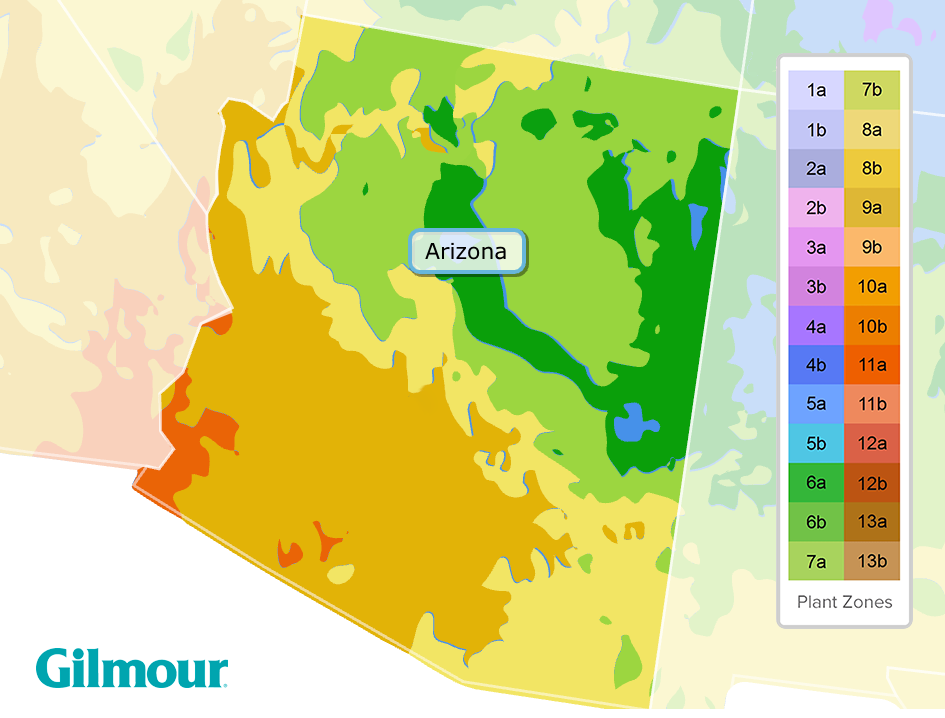
Phoenix, Arizona, primarily falls within two USDA Plant Hardiness Zones: Zone 9a and Zone 9b. This designation is crucial because it indicates the lowest average winter temperatures the region experiences. Zone 9a typically experiences average annual minimum winter temperatures between 20°F and 25°F (-6.7°C to -3.9°C), while Zone 9b sees slightly milder conditions, with temperatures ranging from 25°F to 30°F (-3.9°C to -1.1°C). This information is not merely academic; it directly impacts the types of plants that can survive the winter and flourish throughout the year.
The Significance of Minimum Winter Temperatures
While Phoenix is renowned for its heat, its designation in Zone 9 highlights that it does experience occasional dips into freezing temperatures during the winter months. These minimum temperatures are the critical factor for plant survival, as many common garden plants are not tolerant of prolonged frost or hard freezes. For gardeners in Phoenix, this means selecting plants that can withstand these occasional cold snaps. It also implies that the growing season is exceptionally long, extending well beyond what is typical in more temperate climates. The heat of summer, while a significant challenge, is a different type of stressor than the cold, and plants adapted to Zone 9 are generally more resilient to heat than they are to deep freezes.
Microclimates within Phoenix
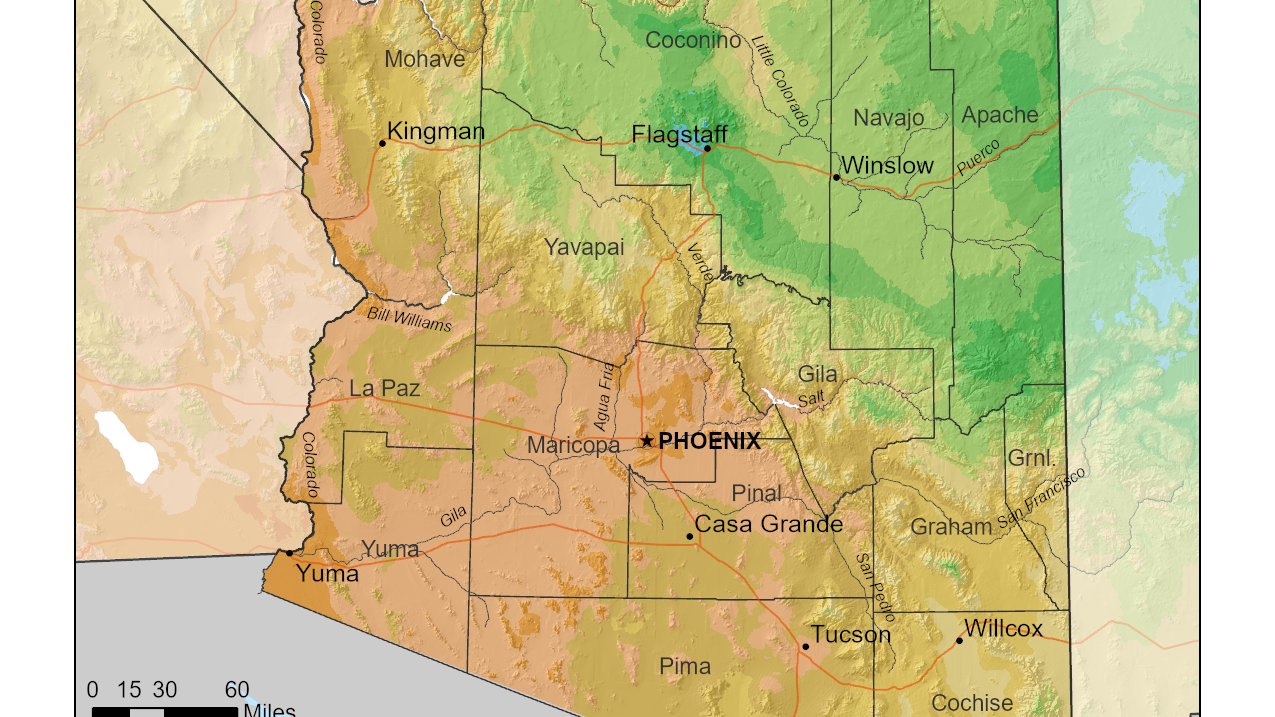
It is important to note that within the expansive metropolitan area of Phoenix, slight variations in microclimates can exist. Higher elevations, proximity to large bodies of water (though scarce in Phoenix, man-made lakes exist), and urban heat island effects can influence local temperatures. For instance, areas closer to the Estrella Mountains or the McDowell Mountains might experience slightly cooler temperatures during winter nights than those in the heart of the city. Similarly, urban areas can retain heat, potentially pushing some neighborhoods into the upper end of Zone 9b. While the overall USDA zone provides a reliable guide, astute gardeners often observe their immediate surroundings for subtle temperature differences that might allow for a slightly broader plant selection.
Plants That Thrive in Phoenix’s Gardening Zones
Understanding that Phoenix resides in Zones 9a and 9b opens the door to a diverse array of plant life. The key is to select species that are adapted to both the heat of the desert summer and the occasional chill of winter. This often means focusing on plants native to arid and semi-arid regions, or those that have been proven resilient in similar climates.
Desert Natives and Adapted Species
Many plants indigenous to the Sonoran Desert are perfectly suited for Phoenix gardens. These include a wide variety of succulents and cacti, such as the towering Saguaro cactus (Carnegiea gigantea), prickly pear cacti (Opuntia spp.), and agave species. These plants are not only incredibly drought-tolerant but also remarkably resilient to both extreme heat and occasional light freezes. Beyond cacti, native wildflowers like desert marigold (Baileya multiradiata) and brittlebush (Encelia farinosa) add vibrant splashes of color.
Ornamental grasses also perform exceptionally well. Varieties like Pink Muhly Grass (Muhlenbergia capillaris) and Deer Grass (Muhlenbergia rigens) provide texture and movement throughout the year, withstanding the harsh climate with grace. For flowering shrubs, oleander (Nerium oleander) is a ubiquitous and hardy choice, though gardeners should be aware of its toxicity. Other excellent options include Texas Sage (Leucophyllum frutescens), which blooms prolifically after rainfall, and various hibiscus varieties (Hibiscus spp.) that can tolerate the heat if provided with adequate water.
Fruits and Vegetables for Zone 9 Gardens
Growing edible plants in Phoenix requires careful planning to navigate the extreme temperatures. The long growing season means that many crops can be planted in fall for a winter and spring harvest, or in late winter for a spring and early summer harvest. Root vegetables like carrots, radishes, and beets can be sown in the fall. Leafy greens such as lettuce, spinach, and kale thrive in the cooler months. Tomatoes, peppers, and eggplant are summer staples that perform exceptionally well in the heat, provided they receive consistent watering and some afternoon shade during the most intense months.
Citrus trees are a hallmark of Phoenix gardening. Oranges, lemons, grapefruit, and limes all flourish in Zone 9. Varieties like the ‘Valencia’ orange and ‘Meyer’ lemon are particularly well-suited to the region. Fig trees (Ficus carica) are also excellent choices, producing abundant fruit during the warmer months. Pomegranates (Punica granatum) are another heat-loving fruit that thrives in Phoenix. For those interested in more tropical flavors, certain varieties of papayas and even dwarf banana trees can be cultivated with careful management and protection during colder nights.
Considerations for Winter Protection
While Zone 9 is generally mild, those occasional dips into the lower 20s Fahrenheit can still pose a threat to more sensitive plants. For fruit trees and tender perennials, a layer of mulch around the base can help insulate the roots. Covering plants with frost cloths or even old blankets on nights when freezing temperatures are predicted can make a significant difference. For citrus trees, especially young ones, a temporary covering or even stringing Christmas lights (the older incandescent kind, which produce a small amount of heat) around the branches can offer crucial protection. This proactive approach ensures that even less hardy species can be successfully integrated into a Phoenix garden.
Adapting Gardening Practices to Phoenix’s Climate
Successfully gardening in Phoenix involves more than just selecting the right plants; it requires adapting traditional gardening techniques to suit the desert environment. Water conservation, soil management, and timing are all critical components of a thriving Zone 9 garden in this arid city.
Water-Wise Gardening Techniques
Water is the most precious resource in Arizona, and efficient watering is non-negotiable. Drip irrigation systems are highly recommended as they deliver water directly to the plant’s root zone, minimizing evaporation and reducing water waste. Mulching is another essential practice. A thick layer of organic mulch (such as wood chips or shredded bark) or inorganic mulch (like gravel) helps retain soil moisture, suppress weeds, and regulate soil temperature.
When watering, it’s best to water deeply and less frequently. This encourages plants to develop deep root systems, making them more resilient to drought. The best times to water are early in the morning or late in the evening to further reduce evaporation. Understanding plant water needs is also crucial; some native plants require very little supplemental water once established, while fruit trees and vegetable gardens will require more consistent irrigation, especially during the peak of summer.
Soil Health and Amendments
Phoenix soils are typically alkaline and can be sandy or clay-heavy, often lacking in organic matter. Improving soil structure and fertility is key to supporting plant life. Incorporating generous amounts of compost and other organic amendments will help improve drainage in clay soils and water retention in sandy soils. This also introduces essential nutrients that plants need to grow. Regular soil testing can help identify any specific nutrient deficiencies or pH imbalances. Raised garden beds are also a popular option in Phoenix, allowing gardeners to create an ideal soil environment from the outset, independent of the native soil conditions.
Seasonal Planting and Care Calendars
Given the extreme temperature fluctuations between summer and winter, a seasonal planting and care calendar is invaluable for Phoenix gardeners.
- Spring (March-May): This is a crucial planting time for warm-season vegetables like tomatoes, peppers, corn, and squash. It’s also ideal for planting heat-tolerant annual flowers and for fertilizing established trees and shrubs. As temperatures rise, begin monitoring for pests and diseases.
- Summer (June-August): This is the peak of the heat. Focus on watering established plants, providing shade for more sensitive species, and harvesting summer crops. Planting heat-loving ornamentals and enjoying the blooms of many desert natives.
- Fall (September-November): This is arguably the most active planting season in Phoenix. Cooler temperatures make it ideal for planting cool-season vegetables, fall flowers, and many perennial plants and trees. It’s also a good time to overseed lawns if applicable.
- Winter (December-February): While cooler, this period offers a window for planting cool-season crops that will mature in late winter and spring. It’s also a time for pruning deciduous trees and performing any necessary soil amendments in preparation for spring growth. For the gardeners in Zone 9a, this is also the time to be vigilant for frost and protect vulnerable plants.
By understanding Phoenix’s USDA gardening zones and adapting practices accordingly, residents can transform their desert landscapes into vibrant, productive, and beautiful spaces. From the hardy succulents lining a poolside patio to the bountiful harvest of a well-tended vegetable patch, gardening in Phoenix is a rewarding endeavor that celebrates the resilience and beauty of life in the desert.
LifeOutOfTheBox is a participant in the Amazon Services LLC Associates Program, an affiliate advertising program designed to provide a means for sites to earn advertising fees by advertising and linking to Amazon.com. Amazon, the Amazon logo, AmazonSupply, and the AmazonSupply logo are trademarks of Amazon.com, Inc. or its affiliates. As an Amazon Associate we earn affiliate commissions from qualifying purchases.