
Understanding the area codes of a region is a fundamental aspect of navigating its telecommunications landscape, and for those planning a visit, conducting business, or simply seeking to connect with individuals in the Grand Canyon State, knowing the primary area codes for Arizona is essential. While Arizona is a vast and diverse state, its geographic and demographic distribution has led to the implementation of several overlay area codes, ensuring sufficient phone numbers for its growing population and burgeoning industries. This guide delves into the primary area codes serving Arizona, offering insights into their coverage and the regions they encompass, thereby enhancing your connection to this vibrant southwestern destination.

Primary Arizona Area Codes: A Comprehensive Overview
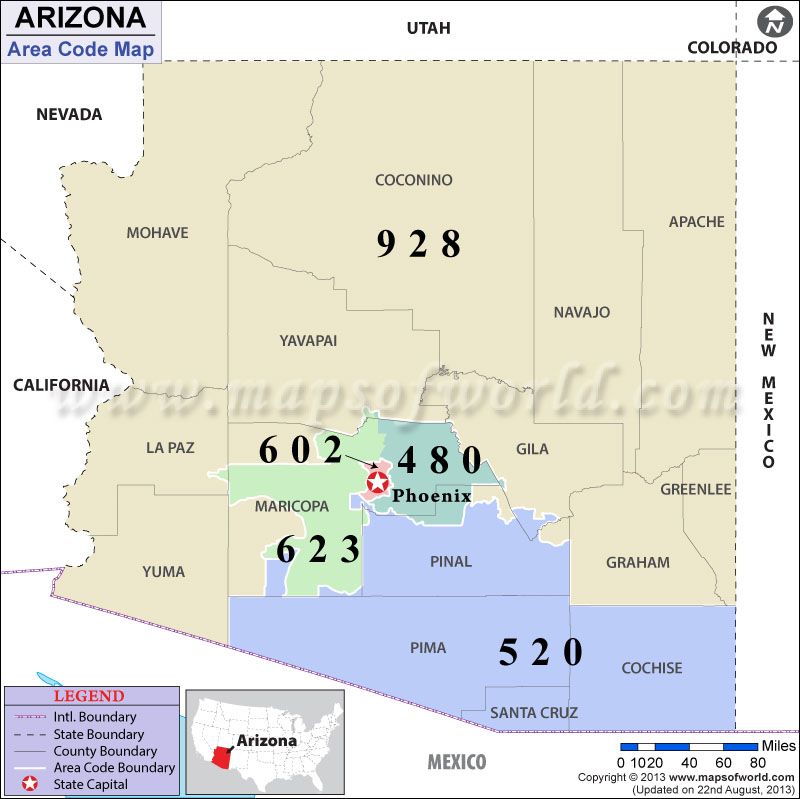
Arizona is predominantly served by a set of well-established area codes, each covering significant portions of the state. These codes are not strictly tied to single cities but rather to geographic regions, often encompassing multiple metropolitan areas and their surrounding counties. The most prominent area codes in Arizona are 602, 480, 623, and 520. Understanding the distinction and overlap of these codes is key to effective communication.
The Legacy of 602: The Original Arizona Area Code
Historically, the 602 area code was the sole telephone numbering plan area for the entire state of Arizona. Introduced in 1947, it served as the singular identifier for all phone numbers within the state for decades. As Arizona experienced rapid population growth, particularly in the central and southern regions, the demand for phone numbers within the 602 NPA (Numbering Plan Area) began to outstrip supply. This led to the necessity of splitting the original 602 area code to accommodate the expanding telecommunications needs.
Today, the 602 area code is primarily associated with the heart of Maricopa County, specifically the city of Phoenix and its immediate surrounding urban core. This includes areas like downtown Phoenix, Central Phoenix, and parts of the Phoenix metropolitan area. While the original 602 area code once covered the entire state, its geographic assignment has been significantly reduced to reflect the historical development and the subsequent creation of new area codes to serve the burgeoning population centers. Many long-standing businesses and residents in the central Phoenix area still retain numbers with the 602 prefix, giving it a strong sense of historical presence within the state’s telecommunications history. It remains a critical identifier for the most densely populated region of Arizona.
The Rise of 480: Serving the East Valley
In 1999, as Phoenix continued its expansive growth, a new area code, 480, was carved out from the original 602 to serve the eastern portion of Maricopa County. This region, often referred to as the East Valley, includes prominent cities such as Tempe, Mesa, Chandler, and Scottsdale. These cities have evolved into significant economic and residential hubs, attracting a diverse population and a robust business environment.
The 480 area code is intrinsically linked to the development and prosperity of the East Valley. It signifies a region known for its vibrant technology sectors, upscale resorts, and family-friendly communities. When you dial a number with the 480 prefix, you are likely connecting with someone in Tempe, home to Arizona State University; Mesa, a large and diverse city; Chandler, a hub for semiconductor manufacturing; or Scottsdale, renowned for its luxury tourism, arts scene, and vibrant nightlife. The introduction of 480 was a critical step in ensuring that this dynamic part of Arizona had the necessary telephone infrastructure to support its continued growth and connectivity.
623: The West Valley’s Expanding Reach
Following closely on the heels of the 480 split, the 623 area code was introduced in 1999 to serve the western portion of Maricopa County. This area, known as the West Valley, has also experienced substantial residential and commercial development. Key cities within the 623 area code include Glendale, Surprise, Peoria, and Goodyear. These cities are characterized by their growing populations, expanding master-planned communities, and a developing economic base, attracting businesses and residents seeking more affordable living and ample space.
The 623 area code is emblematic of the expansion of the Phoenix metropolitan area westward. Glendale is recognized for the State Farm Stadium, a major venue for sporting events and concerts, and the Gila River Arena, home to the Arizona Coyotes hockey team. Surprise has become a popular retirement destination and offers extensive recreational facilities. Peoria boasts a thriving downtown area and numerous parks. Goodyear is rapidly growing, with significant commercial and residential projects underway. The 623 area code plays a vital role in connecting these dynamic communities, facilitating communication for residents and businesses alike.
520: The Southern and Eastern Frontier
The 520 area code serves a much larger geographic area than the Maricopa County codes, encompassing southern and southeastern Arizona. Its creation in 1995 involved splitting off from the original 602 area code. This extensive region includes major cities such as Tucson, Yuma, Sierra Vista, and Bisbee, as well as vast stretches of rural and wilderness areas, including significant portions of the Sonoran Desert.
Tucson, the second-largest city in Arizona, is the primary urban center within the 520 area code. Known for its rich cultural heritage, the University of Arizona, and a thriving arts and culinary scene, Tucson is a significant economic and educational hub. Beyond Tucson, the 520 area code covers diverse landscapes and communities. Yuma, situated in the southwestern corner of the state, is an agricultural powerhouse and a popular winter destination. Sierra Vista is a gateway to Fort Huachuca, a critical U.S. Army installation. The historic mining town of Bisbee offers a unique bohemian charm. The 520 area code therefore connects a wide array of communities, from bustling cities to remote desert towns, representing a significant portion of Arizona‘s geographical and cultural diversity.
Navigating Arizona’s Overlay Codes
It is important to note that Arizona, like many states experiencing growth, utilizes overlay area codes. An overlay means that a new area code is superimposed over an existing geographic region. This allows for the creation of new phone numbers without requiring existing customers to change their numbers. As a result, it is now common to find phone numbers with different area codes serving the same geographic area. For instance, within Phoenix, you might encounter numbers with 602, 480, and 623 all serving the same neighborhood or business district.
This overlay system necessitates that all callers, whether using a landline or a mobile phone, must dial the full 10-digit number (area code + local number) for all calls within Arizona, even for local calls that were once dialed with only seven digits. This is a standard practice in areas with overlay codes and is designed to prevent confusion and ensure proper routing of calls as the demand for phone numbers continues to increase. Travelers should be aware of this dialing requirement to avoid misdials and ensure seamless communication across the state.
Beyond the Main Codes: Additional Arizona Area Codes
While the aforementioned area codes cover the majority of Arizona‘s population and economic centers, there are a few other area codes that serve specific or less densely populated regions, or have been implemented as further overlays. These include:
928: The Northern and Western Expanse
The 928 area code was created in 2001, splitting from the 520 area code, to serve the vast northern and western portions of Arizona. This region is characterized by its stunning natural beauty, including areas like Flagstaff, the Grand Canyon National Park, Sedona, Kingman, and the Mojave Desert. The 928 area code encompasses a diverse range of environments, from the pine forests of the Mogollon Rim to the red rock formations of Sedona and the arid landscapes of the western deserts.
Cities within the 928 area code include Flagstaff, a major hub for outdoor recreation and home to Northern Arizona University; Sedona, world-renowned for its spiritual vortexes and breathtaking scenery; and Kingman, a historic Route 66 town. The Grand Canyon National Park, one of the world’s most iconic natural wonders, also falls within the 928 coverage area. The 928 area code is vital for connecting the dispersed communities and tourist destinations spread across this expansive and geographically diverse part of Arizona.

Emerging Area Codes and Future Considerations
As Arizona continues to experience robust growth, the North American Numbering Plan Administrator (NANPA) continually monitors the availability of telephone numbers within existing area codes. Should the demand for numbers in any particular region exceed the available supply, further splits or the introduction of new overlay area codes may become necessary. For instance, there have been discussions and planning for potential new area codes to serve the growing demand in areas like Yuma and northern Arizona.
For travelers, it is always prudent to confirm the area code of any contact you intend to reach in Arizona. While the main codes provide a general guide, the dynamic nature of telecommunications numbering plans means that an overlay system is in place. This ensures that as Arizona grows and thrives, the ability to connect and communicate remains robust and reliable. Whether you are planning a trip to experience the natural wonders of the Grand Canyon, the vibrant cultural scene of Tucson, or the metropolitan energy of Phoenix, understanding these area codes will serve as a useful tool in your preparations and during your stay.
LifeOutOfTheBox is a participant in the Amazon Services LLC Associates Program, an affiliate advertising program designed to provide a means for sites to earn advertising fees by advertising and linking to Amazon.com. Amazon, the Amazon logo, AmazonSupply, and the AmazonSupply logo are trademarks of Amazon.com, Inc. or its affiliates. As an Amazon Associate we earn affiliate commissions from qualifying purchases.