
Proposition 140 in Arizona is a legislative measure that has significantly impacted the state’s political landscape, particularly concerning legislative compensation. Understanding its origins, implications, and subsequent effects is crucial for anyone interested in Arizona’s governance and public policy. This proposition, passed by voters, aimed to address how elected officials in the state are compensated, with a focus on the salaries of legislators.
The Genesis of Proposition 140
Proposition 140 emerged from a broader discussion about the role and compensation of public servants. In the late 1980s, there was a growing sentiment among some Arizonans that legislative salaries were becoming excessive or that the process for determining these salaries lacked transparency and accountability. The proposition was placed on the ballot as an initiative, meaning it was a direct proposal by citizens to amend the state constitution. This method of direct democracy allows voters to bypass the legislature and vote directly on proposed laws or constitutional amendments.
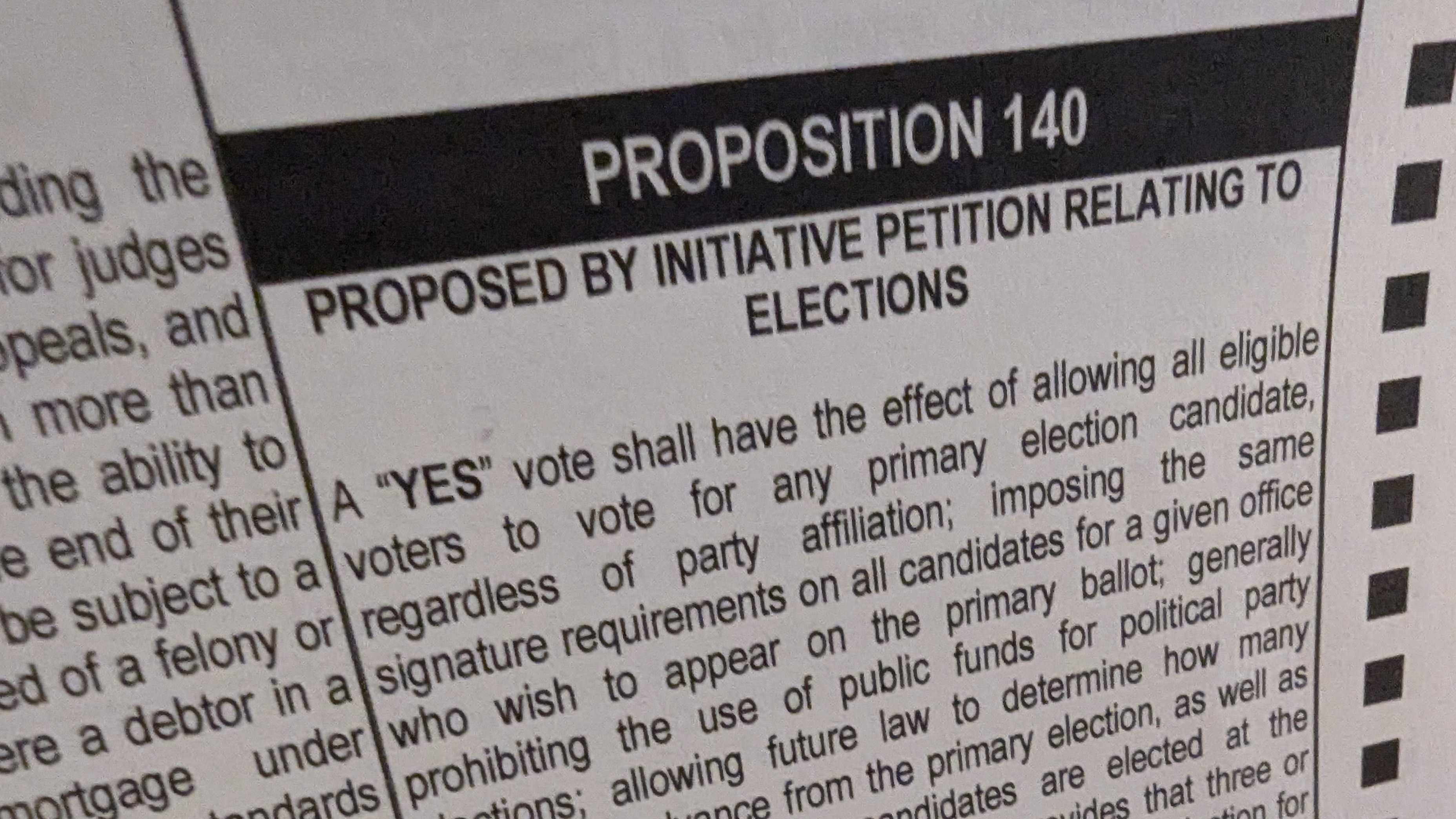
The core of Proposition 140 was to establish a fixed salary for state legislators and to place the responsibility for adjusting these salaries with a separate commission, rather than the legislature itself. The aim was to create a more independent and objective process for determining compensation, thereby reducing the potential for self-serving decisions by lawmakers.
Key Provisions of the Proposition
When Proposition 140 was put before voters, its primary stipulations included:
- Legislative Salary Freeze: The proposition initially set a specific annual salary for members of the Arizona State Legislature. This effectively froze the salaries at that level unless a constitutional amendment or a new proposition altered it.
- Establishment of a Compensation Commission: Crucially, Proposition 140 created an independent commission tasked with reviewing and recommending changes to legislative salaries. This commission was designed to be insulated from the direct influence of the legislators themselves, ensuring a more impartial assessment of appropriate compensation. The idea was that this body would consider factors such as the cost of living, the responsibilities of the office, and comparable salaries in other states, rather than elected officials voting to increase their own pay.
- Constitutional Amendment: By becoming a constitutional amendment, Proposition 140 embedded these provisions into the foundational law of Arizona. This made it more difficult to overturn or modify, requiring another statewide vote to do so.
The proponents of Proposition 140 argued that it would bring fiscal responsibility and accountability to the legislative branch. They contended that elected officials should not be the arbiters of their own paychecks, and that an independent body would ensure that salaries were fair and justifiable. The measure was seen as a way to restore public trust in the integrity of the legislative process and to ensure that taxpayer money was being managed judiciously.
The Impact and Consequences of Proposition 140
The passage of Proposition 140 by Arizona voters marked a significant shift in how legislative salaries were managed. While it achieved its goal of removing direct salary-setting power from the legislature, it also introduced a new set of dynamics and challenges.
Compensation Commission Dynamics
The establishment of the Compensation Commission was a cornerstone of Proposition 140. This commission, typically composed of individuals appointed from various sectors of the community, was given the mandate to review legislative salaries periodically. Their recommendations would then be subject to a public review process, and in many cases, a legislative vote for final approval, depending on the specific framework established for the commission’s operations.
The effectiveness of the commission often depended on the expertise and independence of its members, as well as the clarity of its operating guidelines. Over time, the commission’s recommendations and the legislative responses to them have become a point of ongoing debate and scrutiny. For instance, in periods of economic downturn or when public sentiment favored austerity, the commission’s recommendations might have been viewed skeptically, or legislators might have been hesitant to approve any increases. Conversely, in times of economic prosperity, there might have been greater openness to adjustments.
The “Sunshine Law” and Transparency
While Proposition 140 aimed to depoliticize salary decisions, the process of salary adjustments remained a public and often scrutinized affair. The commission’s deliberations and recommendations were typically subject to public notice and comment periods, reflecting the broader trend towards governmental transparency. This ensured that citizens had an opportunity to understand the basis for any proposed salary changes and to voice their opinions.

Long-Term Financial Implications
By establishing a fixed salary and an independent review process, Proposition 140 created a predictable, albeit potentially rigid, framework for legislative compensation. The proposition’s impact on the state’s budget was generally considered to be moderate, as legislative salaries represent a relatively small portion of the overall state expenditure. However, the long-term effect was to ensure that legislative pay was not subject to the immediate political pressures that might lead to arbitrary increases or decreases. The focus shifted to a more reasoned, commission-driven approach to compensation that could, over time, reflect changes in economic conditions and the demands of public service.
Evolution and Subsequent Amendments
Proposition 140, as a constitutional amendment, has a certain permanence, but its practical application has been subject to interpretation and, in some instances, further legislative or voter action. While the core principle of an independent commission setting salaries has largely endured, the specifics of how that commission operates and how its recommendations are finalized can evolve.
The Role of the Legislature
Despite the creation of the Compensation Commission, the legislature often retains a role in the final approval of salary adjustments. This can create a delicate balance of power. The commission provides recommendations, but the elected officials then have to decide whether to adopt them. This scenario can lead to situations where recommendations are debated, modified, or even rejected, depending on the political climate and the priorities of the legislature at the time.
Voter Initiatives and Other Amendments
Over the years, there have been discussions and, at times, efforts to revisit or amend the provisions established by Proposition 140. Citizens or legislative bodies can initiate new propositions or referenda to modify constitutional amendments. However, such actions require significant political will and voter support, making changes to fundamental constitutional provisions a challenging undertaking. The enduring nature of Proposition 140 speaks to its initial broad support and the difficulty of altering established constitutional tenets.
Proposition 140’s Legacy in Arizona Politics
Proposition 140 remains a significant piece of legislation in Arizona’s history, illustrating the power of the initiative process and the ongoing public interest in the conduct and compensation of elected officials. Its legacy is one of attempting to balance accountability with the need for fair compensation in public service.
A Model for Accountability?
The proposition served as an example for other states and jurisdictions considering similar reforms to legislative compensation. By taking the power to set salaries out of the hands of legislators, it aimed to foster greater public trust and reduce the perception of conflicts of interest. Whether it fully achieved this aim is a matter of ongoing evaluation and public perception.
Ongoing Debate and Scrutiny
The debate surrounding legislative compensation is never truly settled. Even with Proposition 140 in place, questions about the adequacy of salaries, the fairness of the commission’s processes, and the overall cost of government continue to be topics of discussion. The proposition provided a framework, but the underlying issues of public service, financial reward, and democratic accountability remain subjects of constant public discourse.

Understanding Arizona’s Governance
For anyone seeking to understand the intricacies of Arizona’s political system, Proposition 140 offers a valuable case study. It demonstrates how voter-driven initiatives can shape the structure and function of government and highlights the enduring tension between elected officials and the public they serve, particularly concerning financial matters. The proposition’s impact continues to be felt, shaping the context in which legislative salaries are considered and debated in the Grand Canyon State.
LifeOutOfTheBox is a participant in the Amazon Services LLC Associates Program, an affiliate advertising program designed to provide a means for sites to earn advertising fees by advertising and linking to Amazon.com. Amazon, the Amazon logo, AmazonSupply, and the AmazonSupply logo are trademarks of Amazon.com, Inc. or its affiliates. As an Amazon Associate we earn affiliate commissions from qualifying purchases.