
Understanding the financial landscape of a destination is crucial for any traveler, whether planning a short vacation or a longer stay. For those considering a visit to or relocation to Tucson, Arizona, knowing the local minimum wage provides essential context for budgeting, understanding the cost of living, and appreciating the economic environment. While the minimum wage primarily impacts residents and businesses, it indirectly influences the visitor experience by affecting the prices of goods and services, the availability of staff in hospitality sectors, and the overall economic vitality of the city. This exploration delves into the minimum wage in Tucson, Arizona, its implications for travelers and residents, and how it fits into the broader economic picture of this vibrant Arizona city.
The Legal Framework: Arizona’s Minimum Wage
The minimum wage is a fundamental component of labor law, establishing a baseline hourly pay rate that employers must adhere to. In the United States, minimum wage laws are enacted at both the federal and state levels. When these levels differ, employers are generally required to pay the higher of the two. Arizona has its own minimum wage law, which is often higher than the federal minimum wage, providing greater protection for workers in the state.
State vs. Federal Minimum Wage
The federal minimum wage, set by the Fair Labor Standards Act (FLSA), has historically served as a national floor. However, many states and even some cities have opted to establish higher minimum wages to better reflect local economic conditions and cost of living. Arizona is one such state. Its minimum wage is adjusted periodically, typically based on inflation, to ensure that its value keeps pace with the rising cost of goods and services.
Historical Context and Adjustments
Arizona’s minimum wage has seen several adjustments over the years, often driven by voter initiatives or legislative action. These adjustments are designed to support working families and stimulate the local economy. For travelers, understanding these wage structures can offer insights into the affordability of services, from restaurant meals to guided tours. A higher minimum wage can sometimes correlate with higher prices for goods and services, but it also indicates a potentially stronger local economy with greater consumer spending power.
Minimum Wage in Tucson, Arizona: A Specific Look
While Arizona has a statewide minimum wage, it’s important to note that specific cities within the state do not have the authority to set their own minimum wages that are lower than the state’s. However, they can, in some circumstances, establish higher minimums. In Tucson, Arizona, the minimum wage aligns with the state’s established rate.
Current Minimum Wage Rate
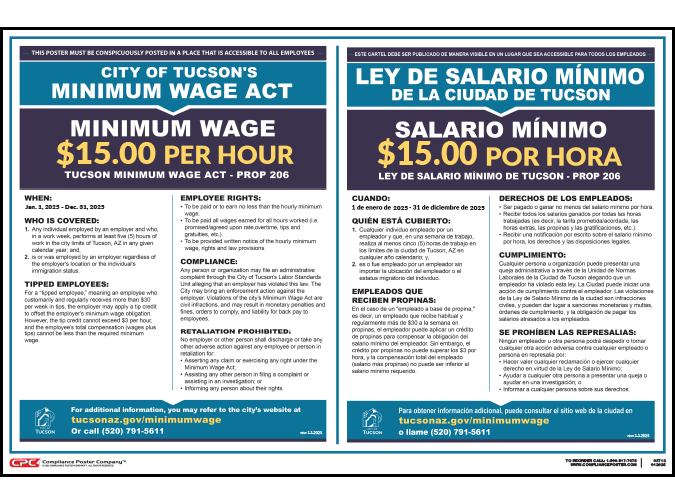
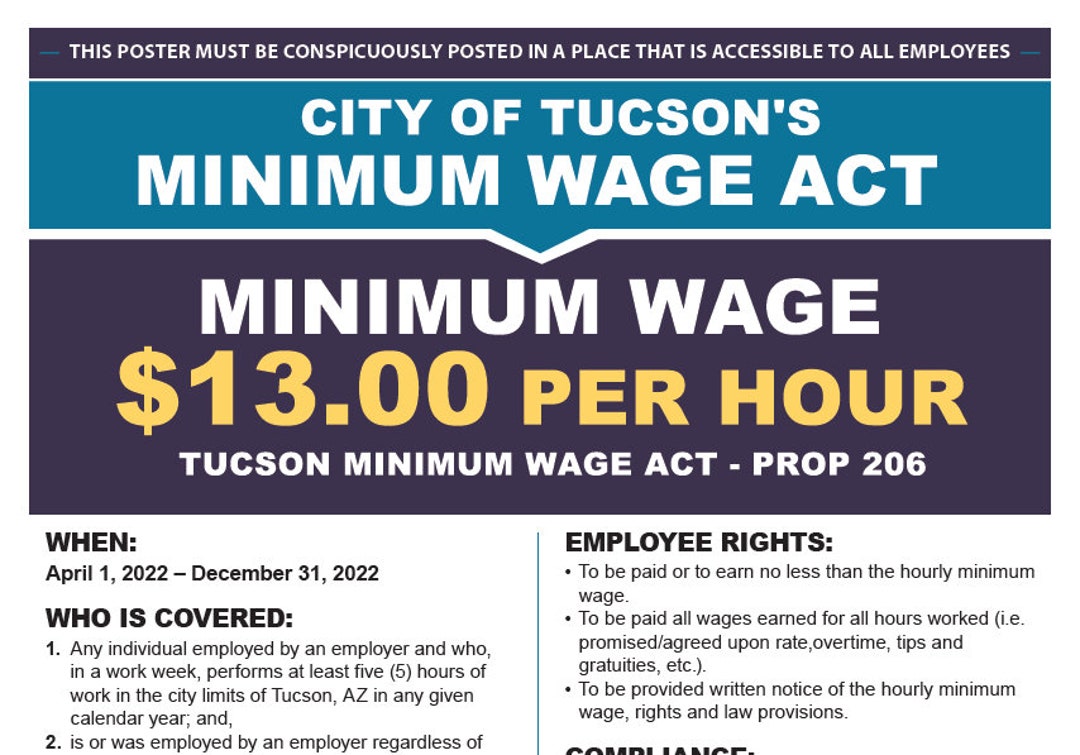
As of the most recent updates, the minimum wage in Arizona, and consequently in Tucson, Arizona, is set at a specific hourly rate. This rate is subject to annual adjustments, usually occurring at the beginning of the calendar year. These adjustments are typically tied to the Consumer Price Index (CPI) for the Phoenix-Mesa-Scottsdale metropolitan area, ensuring that the wage reflects changes in the cost of living. Therefore, travelers should consult the most current figures available for the specific year of their visit, as this rate can change. For instance, if the minimum wage is $13.85 per hour in a given year, this is the legally mandated minimum an employer in Tucson, Arizona must pay most employees.
Deductions and Tips
It is crucial to understand that the minimum wage typically applies to the base hourly rate. For tipped employees, such as servers in restaurants or bartenders, a different rule often applies. Arizona has a tip credit provision, allowing employers to pay tipped employees a lower base wage, provided that the tips they receive bring their total earnings up to at least the standard minimum wage. If a tipped employee’s tips do not reach the minimum wage threshold, the employer is obligated to make up the difference. This is an important consideration for travelers when dining out and tipping, as the service staff’s income can be a combination of their base wage and gratuities.
Exemptions and Specific Industries
Certain categories of workers may be exempt from minimum wage laws, or subject to different provisions. These can include individuals employed in specific roles, such as independent contractors, certain agricultural workers, or employees who receive significant room and board. Additionally, there are often exceptions for small businesses or specific types of organizations. For the vast majority of employees working in retail, hospitality, and service industries within Tucson, Arizona, however, the standard minimum wage applies.
Economic Impact on Travelers and Visitors
The minimum wage in Tucson, Arizona has several indirect impacts on the travel experience. While not directly paying the minimum wage, visitors will encounter its effects in various aspects of their stay.
Cost of Services and Goods
A higher minimum wage generally leads to increased labor costs for businesses. These increased costs are often passed on to consumers in the form of higher prices for goods and services. For travelers, this can translate to slightly higher prices at restaurants, cafes, souvenir shops, and for services like guided tours or transportation. Understanding this economic dynamic helps in setting realistic budgets for a trip to Tucson, Arizona. For example, a meal at a popular spot like El Charro Café might reflect the higher operational costs associated with paying a living wage to its staff.

Quality of Service and Staffing Levels
A competitive minimum wage can contribute to a more stable and motivated workforce in the tourism and hospitality sectors. When employees feel fairly compensated, it can lead to better customer service, reduced staff turnover, and a more professional and enjoyable experience for visitors. In a city like Tucson, Arizona, known for its friendly atmosphere and excellent service in places like the Arizona Inn or the [Loews Ventana Canyon Resort](https://lifeoutofthebox.com/loews- અventana-canyon-resort), a well-compensated workforce is often a contributing factor. Conversely, if wages are too low, businesses might struggle to attract and retain quality staff, potentially impacting service levels.
Local Economy and Tourism Infrastructure
The minimum wage is a significant factor in the overall economic health of a city. A robust minimum wage can boost local consumer spending, which in turn supports local businesses, including those that cater to tourists. This increased economic activity can lead to further development and investment in tourism infrastructure, such as improved transportation, more diverse attractions, and enhanced visitor amenities. A thriving local economy, partly fueled by fair wages, makes Tucson, Arizona a more appealing destination for both leisure and business travelers.
Navigating Tucson: Budgeting and Practical Tips
For travelers planning a visit to Tucson, Arizona, understanding the minimum wage provides a practical lens for financial planning. While it doesn’t dictate your vacation spending, it offers context for the cost of everyday expenses.
Budgeting for Dining
Food is a significant part of any travel experience. Knowing that service staff in Tucson, Arizona are earning a minimum of the state-mandated wage can help you anticipate the cost of meals. Consider budgeting slightly more for dining out, especially at popular restaurants or resorts like the JW Marriott Tucson Starr Pass Resort & Spa. This also allows for more generous tipping, which is always appreciated by service staff.
Considering Transportation and Activities
The cost of transportation, whether it’s a taxi, rideshare, or even public transit, can also be influenced by labor costs. Similarly, the prices for entry fees to attractions like the Arizona-Sonora Desert Museum or guided tours exploring areas like Saguaro National Park are set by businesses that must comply with wage laws. A slightly higher minimum wage can contribute to a higher quality of guided experiences due to better-trained and more experienced guides.
Long-Term Stays and Relocation
For those considering a longer stay or even relocation to Tucson, Arizona, understanding the minimum wage is even more critical. It provides a baseline for potential earnings and helps in assessing the feasibility of living on a particular income. Researching the average rent in various neighborhoods, the cost of utilities, and the typical salaries for different professions will offer a comprehensive picture of the cost of living in this growing Arizona city.
Broader Implications for the Tucson Economy
The minimum wage in Tucson, Arizona is not just a number; it’s a reflection of the city’s commitment to its workforce and its broader economic development strategy. A fair minimum wage can contribute to a more equitable distribution of wealth, reduce poverty rates, and foster a more stable and prosperous community.
Supporting Local Businesses
While some critics argue that higher minimum wages can strain small businesses, proponents contend that they can actually boost local economies by increasing consumer spending power. When residents have more disposable income, they are more likely to spend it at local establishments, creating a virtuous cycle of economic growth. This is particularly relevant in a city like Tucson, Arizona, which prides itself on its unique local businesses and vibrant downtown area.
Attracting and Retaining Talent
A competitive minimum wage, alongside other factors like quality of life and job opportunities, can help Tucson, Arizona attract and retain a skilled workforce. This is vital for industries that form the backbone of the city’s economy, including tourism, healthcare, education, and technology. A well-compensated workforce often leads to higher productivity and innovation, benefiting the entire community.
The Future of Minimum Wage in Tucson
The conversation around minimum wage is ongoing, with discussions about potential increases and adjustments to further address the cost of living. As Tucson, Arizona continues to grow and evolve, its minimum wage policies will likely adapt to ensure it remains a sustainable and attractive place for both residents and visitors. Staying informed about these potential changes is beneficial for anyone planning to spend time or build a life in this dynamic Southwestern city.
LifeOutOfTheBox is a participant in the Amazon Services LLC Associates Program, an affiliate advertising program designed to provide a means for sites to earn advertising fees by advertising and linking to Amazon.com. Amazon, the Amazon logo, AmazonSupply, and the AmazonSupply logo are trademarks of Amazon.com, Inc. or its affiliates. As an Amazon Associate we earn affiliate commissions from qualifying purchases.