
While the immediate question of “What’s the minimum wage for Arizona?” might seem purely economic, for travelers and those exploring the Grand Canyon State, understanding this metric offers a unique lens into the local economy, the cost of living, and the potential for experiencing the state’s diverse offerings. It influences everything from the price of a cup of coffee in Sedona to the wages earned by those working in the hospitality sector that supports the tourism industry. For budget-conscious adventurers or those considering extended stays, this knowledge is foundational.
The Current Minimum Wage Landscape
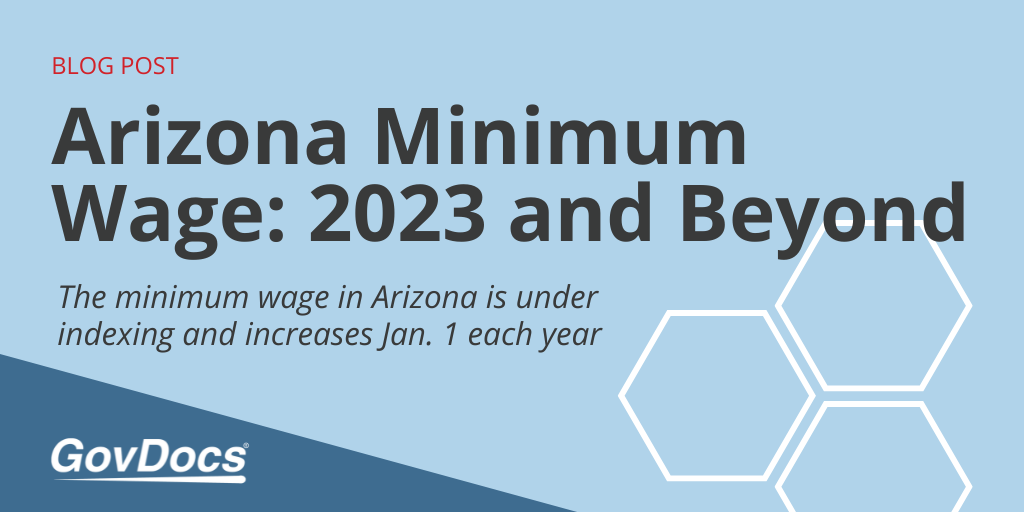
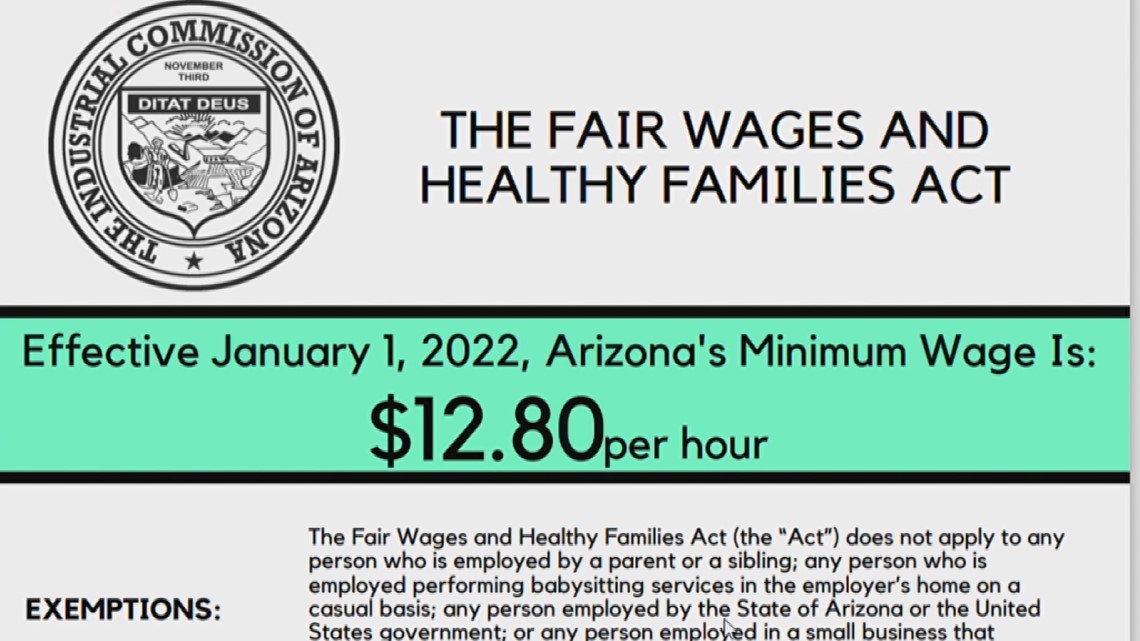
As of January 1, 2024, Arizona continues to uphold its state minimum wage, which is adjusted annually for inflation. The current rate stands at $14.35 per hour. This figure is significantly higher than the federal minimum wage and reflects Arizona’s commitment to ensuring a livable wage for its residents.

Historical Context and Inflationary Adjustments
Arizona‘s minimum wage has seen consistent growth over the past decade. This upward trend is largely driven by a ballot initiative passed in 2006, which mandated annual increases tied to the Consumer Price Index (CPI). This mechanism ensures that the purchasing power of the minimum wage keeps pace with the rising cost of goods and services, a crucial factor for individuals and families. For visitors, this means that while certain aspects of the economy might be influenced by this wage, the overall cost of visiting popular destinations like Phoenix or Tucson will also be subject to these economic realities.
Minimum Wage vs. Federal Minimum Wage
The federal minimum wage currently remains at $7.25 per hour. States are permitted to set their own minimum wage rates, provided they are higher than the federal standard. In the case of Arizona, the state minimum wage of $14.35 per hour far exceeds the federal requirement, offering a stronger safety net for low-wage workers within the state. This differential is important to recognize when comparing economic conditions across state lines, particularly for businesses operating in multiple jurisdictions or for individuals planning travel or relocation.
Impact on Tourism and Hospitality
The minimum wage in Arizona has a direct and indirect impact on the tourism and hospitality sectors, which are vital to the state’s economy. Understanding this connection can provide travelers with a deeper appreciation for the services they receive and the operational costs behind their memorable experiences.
Wages for Hospitality Workers
The majority of frontline staff in hotels, restaurants, tour operations, and attractions in Arizona are paid at or above the state minimum wage. This includes housekeepers at the Arizona Biltmore, A Waldorf Astoria Resort, servers in the vibrant culinary scene of Scottsdale, and guides leading expeditions in Antelope Canyon. A higher minimum wage generally translates to better compensation for these essential workers, potentially leading to greater job satisfaction and improved service quality for visitors.
Cost of Services and Goods for Travelers
The operational costs for businesses in Arizona are influenced by the prevailing minimum wage. Higher labor costs can, in some instances, be reflected in the prices of goods and services offered to consumers, including tourists. This might be noticeable in the cost of a hotel room in a popular resort town like Sedona, a meal at a fine dining establishment in Old Town Scottsdale, or the admission fee for a historical site. For travelers on a budget, being aware of this can help in planning expenditures more effectively.
Economic Stability and Consumer Spending
A robust minimum wage contributes to greater economic stability for a segment of the population. When individuals earn a more sustainable wage, they have more disposable income, which can be spent within the local economy. This increased consumer spending can benefit businesses across various sectors, including tourism. Visitors might find that local shops, restaurants, and entertainment venues are more vibrant and well-supported due to the local population having more spending power, contributing to a richer and more dynamic travel experience.
Minimum Wage in Specific Arizona Cities
While the state sets a minimum wage, some cities in Arizona have historically opted to implement higher local minimum wages. However, in 2017, a state law effectively preempted cities from establishing minimum wages higher than the state’s rate. This means that the $14.35 per hour rate is currently the benchmark for most employers across Arizona, regardless of the specific city or town.
The Preemption Law and its Implications
The statewide preemption law aimed to create a uniform minimum wage standard across Arizona. This simplifies compliance for businesses operating in multiple locations within the state and ensures a consistent baseline for workers. For travelers moving between cities like Flagstaff and Tempe, this uniformity in minimum wage means that the underlying labor cost structure for many service-based industries is likely to be similar.
Exceptions and Tipped Employees
It’s important to note that there can be specific regulations for certain types of employees, particularly tipped employees. In Arizona, employers can pay tipped employees a lower cash wage of $13.00 per hour, provided that the tips received bring their total earnings up to at least the standard minimum wage of $14.35 per hour. If an employee’s tips do not bring them to the minimum wage, the employer must make up the difference. This is a common practice in the restaurant and bar industry, which is a significant part of the Arizona tourism experience.
Planning Your Arizona Adventure with Wage Considerations
For any traveler, understanding the economic backdrop of a destination can enrich the experience. Knowing the minimum wage in Arizona offers insight into the cost of living and working, which subtly influences the prices and services encountered.
Budgeting for Your Trip
When planning a trip to Arizona, whether it’s a road trip through the Sonoran Desert, a visit to the Grand Canyon National Park, or a stay at a luxury resort in Paradise Valley, factoring in the state’s minimum wage can provide a baseline for budgeting. While high-end experiences will naturally command higher prices, understanding that the cost of basic services is rooted in a higher minimum wage can help set realistic expectations for overall travel expenses.
Supporting Local Economies
By being aware of Arizona’s economic policies, travelers can make more informed choices about where they spend their money. Opting to dine at locally owned restaurants, shop at independent boutiques, and utilize services from businesses that clearly value their employees can contribute to a more sustainable and equitable tourism industry. This conscious consumerism can lead to more authentic and rewarding interactions with the local culture and communities.
Considering Extended Stays or Relocation
For those contemplating more than a short visit—perhaps a winter stay in a warmer climate or even a potential relocation—understanding the minimum wage is a fundamental step. It provides a crucial data point for assessing the cost of living, job market dynamics, and overall economic health of areas across Arizona, from bustling urban centers to more tranquil desert towns. This economic insight is as vital as knowing the best hiking trails or the most picturesque viewpoints.
LifeOutOfTheBox is a participant in the Amazon Services LLC Associates Program, an affiliate advertising program designed to provide a means for sites to earn advertising fees by advertising and linking to Amazon.com. Amazon, the Amazon logo, AmazonSupply, and the AmazonSupply logo are trademarks of Amazon.com, Inc. or its affiliates. As an Amazon Associate we earn affiliate commissions from qualifying purchases.