
As the sun-drenched jewel of the Sonoran Desert, Tucson, Arizona beckons travelers with its unique blend of rugged natural beauty, vibrant culture, and rich history. Understanding the nuances of its climate is paramount for planning an unforgettable visit, whether you’re drawn to its world-renowned hiking trails, its burgeoning culinary scene, or its captivating architectural wonders. The weather in Tucson is a defining characteristic, shaping the landscape, influencing local life, and directly impacting the optimal times to explore its many offerings. This guide delves into the seasonal patterns and provides insights to help you pack wisely and experience the best of the Old Pueblo.
The Sonoran Desert Climate: A Study in Extremes and Sunshine
Tucson experiences a hot desert climate, characterized by distinct seasons, abundant sunshine year-round, and significant temperature fluctuations between day and night, especially in the cooler months. The defining factor is the low annual precipitation, with most rainfall concentrated in the summer monsoon season. Understanding these broad strokes sets the stage for appreciating the finer details of Tucson’s weather tapestry.
Sunshine Capital of the World
Tucson consistently ranks among the sunniest cities in the United States, boasting an average of over 350 days of sunshine annually. This perpetual sunshine is not just a pleasant amenity; it’s a fundamental aspect of the Sonoran Desert ecosystem and a major draw for visitors seeking to escape cloudy skies. The intense solar radiation shapes the desert flora and fauna and influences the architectural design of homes and public spaces, often incorporating passive cooling strategies. For outdoor enthusiasts, this means that most days offer ideal conditions for exploring attractions like Sabino Canyon or the vast expanses of Saguaro National Park. Even during the hottest summer months, the sheer volume of sunlight is a constant.
Precipitation Patterns: The Monsoon Magic
While Tucson is defined by its arid nature, it receives a crucial burst of rainfall during the summer monsoon season, typically from late June through September. This period brings dramatic changes to the landscape, with arid washes temporarily transforming into rushing streams and the desert plants responding with a vibrant surge of life.
The Summer Monsoon
The monsoon season is characterized by intense, often localized, thunderstorms. These storms can develop rapidly, bringing heavy downpours, lightning, and occasionally hail. While these storms can be a spectacle, they also pose risks, including flash floods. It’s essential to be aware of weather alerts and avoid low-lying areas or dry washes during heavy rainfall. The air after a monsoon can feel surprisingly cool and clean, a welcome respite from the preceding heat. This season is also when the desert truly comes alive, with wildflowers blooming and the landscape turning a lush green.
Dry Winters and Brief Spring/Fall Shoulder Seasons
Outside of the monsoon, precipitation is scarce. Winters are generally dry, and the brief spring and fall shoulder seasons offer mild, pleasant weather. These periods are ideal for extended outdoor activities without the extreme heat of summer or the occasional chill of winter.
Seasonal Weather Breakdown: Planning Your Tucson Adventure
To truly optimize your visit to Tucson, it’s beneficial to understand the typical weather patterns of each season. This allows for better planning of activities, appropriate packing, and an overall more comfortable experience.
Spring (March – May): The Desert in Bloom
Spring in Tucson is arguably one of the most beautiful times to visit. The weather is generally mild and pleasant, with temperatures gradually warming from comfortable to warm.
- Temperatures: Daytime highs typically range from the 70s to the low 90s Fahrenheit (21-33°C), while evenings offer a comfortable cool down into the 40s and 50s Fahrenheit (4-15°C).
- Sunshine: Abundant sunshine continues, making it perfect for exploring outdoor attractions.
- Precipitation: Rainfall is generally minimal, though occasional spring showers can occur.
- Activities: This is prime time for hiking in Saguaro National Park, exploring the historic Mission San Xavier del Bac, and enjoying outdoor dining in the downtown area. The desert wildflowers often put on a spectacular show during this period.

Summer (June – August): Embrace the Heat and Monsoons
Tucson summers are hot, a defining characteristic of the Sonoran Desert. However, this is also the season of the much-anticipated monsoon.
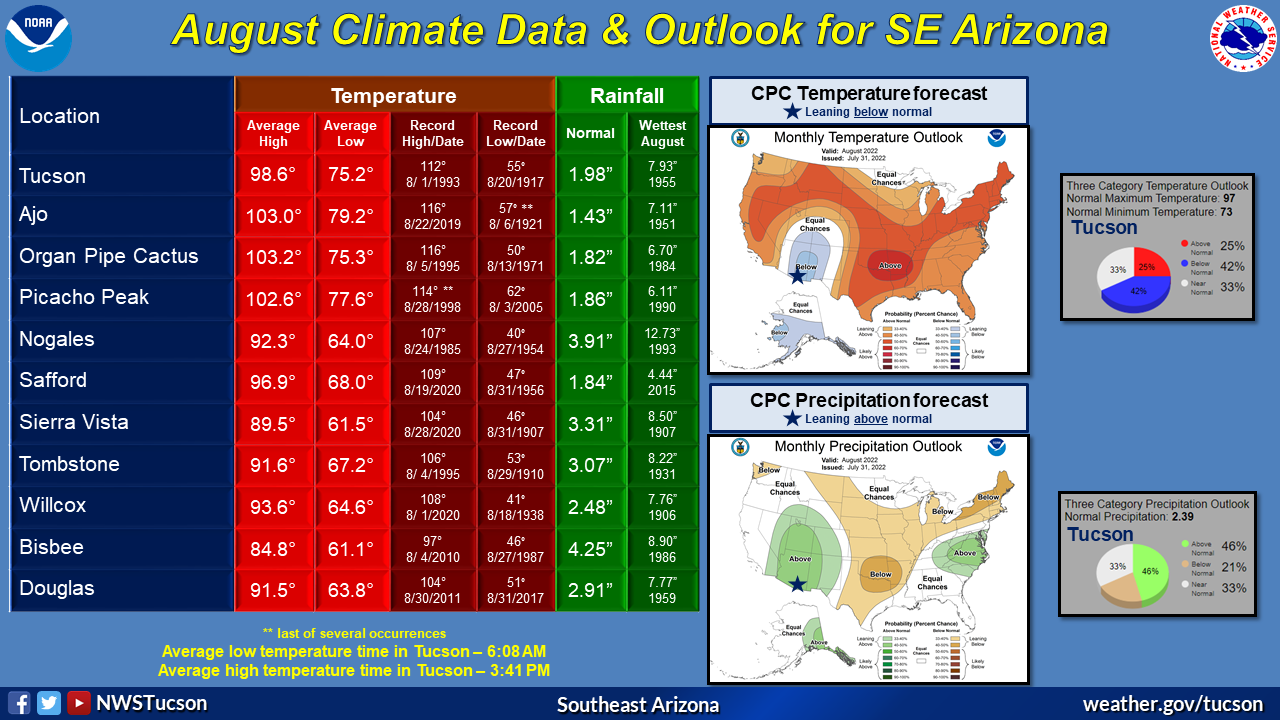
- Temperatures: Daytime highs frequently soar into the 90s and 100s Fahrenheit (32-38°C), with occasional days exceeding 110°F (43°C). Evenings remain warm, often in the 70s and 80s Fahrenheit (21-29°C).
- Sunshine: Intense sunshine dominates most days, punctuated by afternoon thunderstorms during the monsoon.
- Precipitation: The monsoon season brings a significant increase in rainfall, typically from late June through September. Thunderstorms can be dramatic and intense.
- Activities: While extreme heat might limit prolonged midday outdoor activities, the cooler mornings and evenings are ideal for exploring. The monsoon itself is a natural spectacle. Consider indoor attractions like the Arizona-Sonora Desert Museum or visiting the air-conditioned shops and restaurants. The revitalized downtown Tucson offers plenty of indoor options.
Fall (September – November): A Return to Pleasantness
As the intense heat of summer subsides, fall in Tucson ushers in another period of ideal weather. The landscape, refreshed by the monsoon rains, is often a vibrant green.
- Temperatures: Daytime highs transition from the upper 90s Fahrenheit (37°C) in early September down to the 70s Fahrenheit (21°C) by November. Evenings become increasingly cool, dipping into the 50s and 60s Fahrenheit (10-20°C).
- Sunshine: Sunny days are the norm, with a reduction in humidity after the monsoon season.
- Precipitation: Rainfall significantly decreases, with the season generally remaining dry.
- Activities: This is another prime season for outdoor pursuits. Hiking in Gates Pass or along the Finger Rock Trail, cycling the Loop, and exploring the historic Fourth Avenue shopping district are highly recommended. The cooler temperatures make it comfortable to explore the city at a leisurely pace.
Winter (December – February): Mild and Invigorating
Tucson winters are a stark contrast to those experienced in many other parts of the country, offering mild temperatures and abundant sunshine, making it a popular destination for those seeking to escape the cold.
- Temperatures: Daytime highs generally range from the 60s to low 70s Fahrenheit (15-22°C). Nights can become quite cool, dropping into the 30s and 40s Fahrenheit (0-10°C), with occasional freezing temperatures.
- Sunshine: Sunny days are prevalent, making for pleasant outdoor excursions even during the cooler parts of the day.
- Precipitation: Winters are typically dry, with very little rainfall. While rare, snow is not unheard of at higher elevations surrounding Tucson, such as on Mount Lemmon, but it rarely accumulates in the city itself.
- Activities: Winter is perfect for exploring the city’s numerous attractions without the heat. This includes visiting the Pima Air & Space Museum, exploring the trails in the Catalina Mountains, and enjoying the vibrant arts and culture scene. This is also a popular time for birdwatching in the surrounding desert and riparian areas.
Packing for Tucson: Smart Strategies for Every Season
The key to comfortable travel in Tucson lies in layering and selecting appropriate fabrics. The desert climate demands a thoughtful approach to packing, regardless of the season.
Essential Items for All Seasons
- Sun Protection: A wide-brimmed hat, sunglasses, and high SPF sunscreen are non-negotiable year-round. The sun’s intensity is a constant factor.
- Hydration Gear: A reusable water bottle is essential. Staying hydrated is crucial in the arid environment.
- Comfortable Footwear: Sturdy, broken-in walking or hiking shoes are a must for exploring the varied terrain.
- Lightweight Layers: Evenings can cool down significantly, especially in spring, fall, and winter. Packing light jackets, sweaters, or long-sleeved shirts is always advisable.
Season-Specific Additions
- Spring & Fall: Pack light, breathable clothing like t-shirts, shorts, and light trousers. A light jacket or sweater for cooler evenings is sufficient.
- Summer: Focus on loose-fitting, moisture-wicking fabrics. Think cotton or performance blends. Pack shorts, t-shirts, and consider a lightweight rain jacket or poncho for monsoon showers. A hat with a good brim is vital for shade.
- Winter: While generally mild, bring warmer layers. Jeans, long-sleeved shirts, a fleece jacket, and perhaps a slightly warmer coat for mornings and evenings are recommended. Closed-toe shoes are a good idea for cooler days.
Beyond the Forecast: Experiencing Tucson
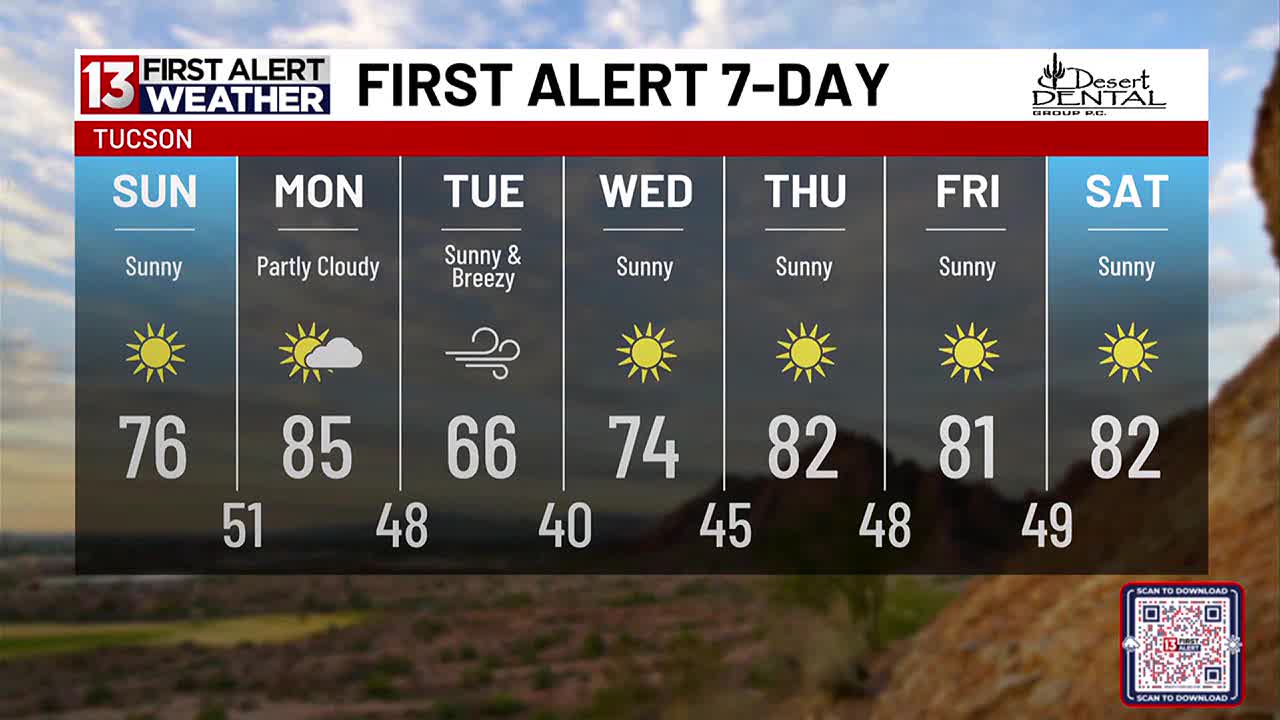
While the weather forecast provides a valuable framework for planning, the true magic of Tucson unfolds when you immerse yourself in its unique environment. From the towering saguaros to the vibrant downtown streets, the climate shapes every experience. Whether you’re planning a desert adventure, a cultural deep dive, or a relaxed getaway, understanding the weather is your first step toward unlocking the wonders of this captivating Sonoran Desert city. Remember to always check the local weather forecast closer to your travel dates for the most up-to-date information, as desert weather can be unpredictable.
LifeOutOfTheBox is a participant in the Amazon Services LLC Associates Program, an affiliate advertising program designed to provide a means for sites to earn advertising fees by advertising and linking to Amazon.com. Amazon, the Amazon logo, AmazonSupply, and the AmazonSupply logo are trademarks of Amazon.com, Inc. or its affiliates. As an Amazon Associate we earn affiliate commissions from qualifying purchases.