
The allure of Phoenix, Arizona extends far beyond its vibrant cityscape and captivating desert landscapes. A significant draw for visitors, and indeed a defining characteristic of life in the Valley of the Sun, is its distinct climate. Understanding the weather patterns in Phoenix is crucial for any traveler planning a visit, whether seeking to explore the burgeoning culinary scene, delve into the rich local culture, or simply soak up the abundant sunshine. This guide delves into the nuances of Phoenix’s climate throughout the year, offering insights to help you plan your perfect getaway.
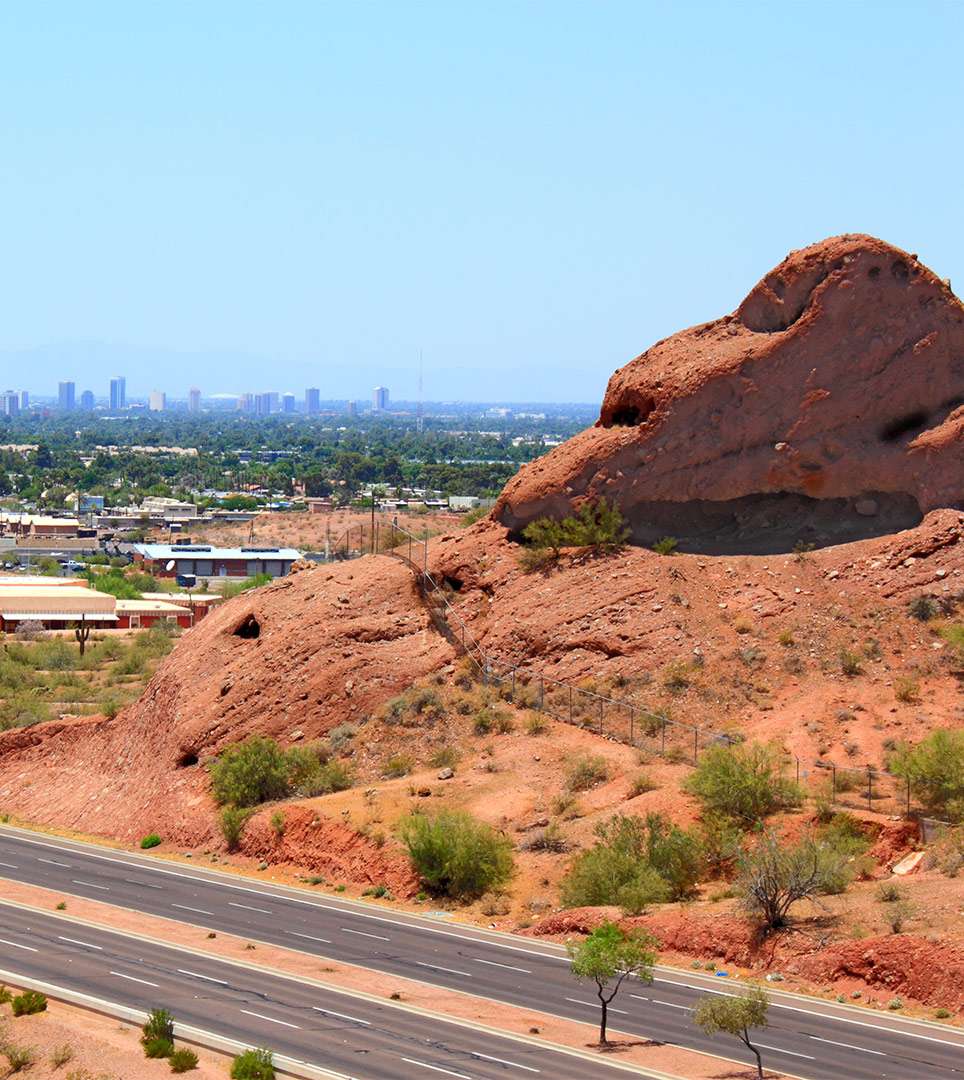
The Desert Climate: A Year-Round Spectacle
Phoenix is renowned for its arid desert climate, characterized by scorching summers and mild, pleasant winters. This defining feature shapes everything from the local flora and fauna to the daily routines of its residents and the types of activities available to tourists. The city experiences a vast diurnal temperature range, meaning that daytime highs can be significantly warmer than nighttime lows, especially during the summer months.
Summer: Embracing the Heat
The summer months in Phoenix, typically from late May through September, are synonymous with intense heat. Daytime temperatures frequently soar above 100°F (38°C), with periods of sustained heatwaves that can push temperatures even higher. While this might sound daunting to those unaccustomed to desert conditions, Phoenix has adapted remarkably.
- Peak Heat and Humidity: The hottest months are generally July and August. During this period, the city experiences its highest average temperatures. While it is a desert, the presence of the monsoon season can introduce periods of increased humidity, making the heat feel more oppressive.
- Afternoon Thunderstorms: From July to September, Phoenix is often affected by the North American Monsoon. These storms, while sometimes brief, can bring dramatic lightning displays, strong winds, and much-needed rainfall. These afternoon downpours often provide a temporary respite from the heat, cooling down the city for a few hours.
- Activities During Summer: Despite the heat, summer in Phoenix offers unique experiences. Many resorts feature elaborate pool complexes perfect for cooling off. Indoor attractions, such as the Heard Museum, Phoenix Art Museum, and the Desert Botanical Garden’s evening events (when temperatures are more manageable), are excellent options. Dining out in air-conditioned restaurants is also a popular way to experience the local culinary scene.
Fall: The Golden Season
As the summer heat begins to recede, autumn in Phoenix ushers in a period of spectacular weather, making it an ideal time for travel. The crisp air and sunshine create perfect conditions for outdoor exploration.
- Pleasant Temperatures: From October through November, temperatures become remarkably pleasant. Daytime highs typically range from the comfortable 70s to low 80s Fahrenheit (mid-20s Celsius), with cool, refreshing evenings.
- Outdoor Adventures: This is prime time for exploring the natural beauty surrounding Phoenix. Hiking in Camelback Mountain or the Superstition Mountains becomes highly enjoyable. Visits to the Desert Botanical Garden are particularly rewarding, as the plants thrive in this milder weather.
- Festivals and Events: The fall season also sees a flurry of outdoor festivals, farmers’ markets, and sporting events, capitalizing on the ideal weather.
Winter: A Desert Oasis
Phoenix winters are a stark contrast to those experienced in much of the rest of the country, offering a welcoming escape for many. The mild climate transforms the city into a popular destination for snowbirds and winter tourists alike.
- Mild and Sunny: December through February are characterized by sunshine and comfortable temperatures. Daytime highs typically hover in the 60s and 70s Fahrenheit (15-25°C), making it perfect for outdoor activities. Evenings can be cool, often dropping into the 40s and 50s Fahrenheit (5-15°C).
- Outdoor Pursessions: This is the peak season for golfing, hiking, and exploring the numerous outdoor attractions. The South Mountain Park and Preserve, one of the largest municipal parks in the United States, offers miles of trails ideal for winter exploration.
- Cultural Activities: The mild weather also encourages a vibrant cultural calendar, with numerous outdoor concerts, art walks, and community events. Many museums and galleries also see increased visitor numbers during this period.
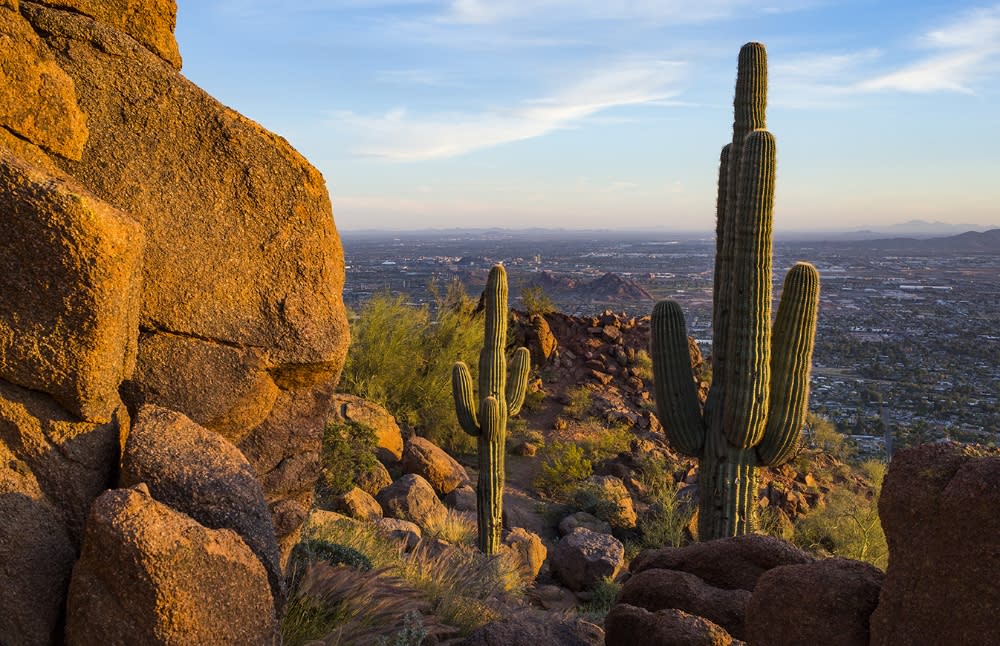
Spring: Blooming Beauty
Spring in Phoenix, from March through May, is another period of exceptional weather. The desert landscape awakens, and the city buzzes with energy.
- Ideal Conditions: Similar to fall, spring offers days with sunshine and comfortable temperatures, typically ranging from the 70s to low 80s Fahrenheit (20-28°C). The evenings remain mild.
- Desert Bloom: This is arguably the most beautiful time to visit the Desert Botanical Garden, as the desert wildflowers burst into a spectacular display of color. Many other natural areas also experience a brief but stunning bloom.
- Outdoor Recreation and Events: Spring is a fantastic time for exploring the city’s parks, hiking trails, and outdoor markets. Baseball’s Spring Training season, also known as ” Cactus League ” baseball, draws huge crowds to stadiums across the valley.
Planning Your Visit: Weather-Informed Itinerary
Understanding Phoenix’s weather patterns is key to maximizing your experience. Here are some tips to help you plan:
Choosing the Best Time to Visit
- For Warm-Weather Activities and Events: Late fall (October-November) and spring (March-May) are generally considered the most idyllic times to visit Phoenix due to the pleasant temperatures and abundance of outdoor events and activities.
- For Budget Travelers and Fewer Crowds: The summer months (June-August) offer lower accommodation prices and fewer crowds, but visitors must be prepared for extreme heat.
- For Escaping Winter Cold: Winter (December-February) is perfect for those seeking sunshine and mild temperatures, making it a popular time for snowbirds and golf enthusiasts.
Packing Essentials
Your packing list will heavily depend on the season of your visit.
- Summer: Lightweight, breathable clothing (cotton, linen), wide-brimmed hats, sunglasses, high SPF sunscreen, a reusable water bottle, and comfortable walking shoes. Consider packing a small spray bottle for misting yourself.
- Fall & Spring: Layers are key. Pack t-shirts, long-sleeved shirts, light sweaters or jackets for cooler evenings, jeans or comfortable pants, and walking shoes.
- Winter: While mild, evenings can be cool. Pack jeans, sweaters, a light jacket or coat, and comfortable walking shoes. A scarf might be appreciated for cooler mornings and evenings.
Staying Hydrated and Protected
Regardless of the season, staying hydrated is paramount in the desert climate of Phoenix. Always carry water with you, especially when engaging in outdoor activities. Seek shade during the hottest parts of the day and wear protective clothing and sunscreen to prevent sunburn and heatstroke.

Embracing the Local Pace
Phoenix has learned to thrive in its desert environment. Many businesses and attractions adjust their hours and activities to accommodate the climate. Embrace the slower pace during the hottest summer months, and enjoy the vibrant outdoor life when the weather is favorable. Whether you’re drawn by the allure of its sunshine, the promise of outdoor adventures, or the unique cultural experiences, understanding Phoenix’s weather will undoubtedly enhance your journey in this captivating desert metropolis.
LifeOutOfTheBox is a participant in the Amazon Services LLC Associates Program, an affiliate advertising program designed to provide a means for sites to earn advertising fees by advertising and linking to Amazon.com. Amazon, the Amazon logo, AmazonSupply, and the AmazonSupply logo are trademarks of Amazon.com, Inc. or its affiliates. As an Amazon Associate we earn affiliate commissions from qualifying purchases.