
The allure of the American Southwest is undeniable, a vast expanse of desert beauty, rugged canyons, and a rich tapestry of indigenous and pioneer history. For many, the idea of visiting Arizona conjures images of the iconic Grand Canyon, the vibrant hues of a Sedona sunset, or the charming streets of a historic frontier town. But beyond these well-trodden paths lies a state brimming with diverse experiences, from the bustling urban centers of Phoenix and Tucson to the serene beauty of the high desert and the unexpected oases that dot its landscape. Deciding when to answer the call of Arizona depends entirely on what you seek from your Southwestern adventure. This guide explores the prime times to visit, tailored to different interests and desired experiences.

The Spring Bloom: March to May
Spring in Arizona is arguably the most idyllic season, offering a sweet spot between the scorching summer heat and the cooler, though still pleasant, winter months. This period is perfect for those who want to fully embrace the great outdoors without succumbing to the desert’s more extreme temperatures.
Optimal for Outdoor Exploration
The mild weather of spring makes it the prime time for hiking, biking, and exploring Arizona‘s renowned national parks and monuments.
- The Grand Canyon: Daytime temperatures at the Grand Canyon South Rim typically range from the 60s to 70s Fahrenheit (15-25°C), making it comfortable for walking along the rim trails or venturing deeper into the canyon on less strenuous day hikes. The wildflowers begin to bloom, adding splashes of color to the arid landscape.
- Sedona’s Red Rocks: For hikers and spiritual seekers, Sedona in the spring is a revelation. The vibrant red rock formations are bathed in warm sunlight, and the cooler mornings and afternoons are ideal for traversing the numerous trails, from easy strolls to challenging climbs. The energy vortex sites are particularly inviting during this season.
- Saguaro National Park: This iconic park near Tucson comes alive in the spring. The massive saguaro cacti, the universal symbol of the West, begin to bud and then flower, creating a spectacular display. It’s also a fantastic time for wildlife viewing as many desert creatures are more active.
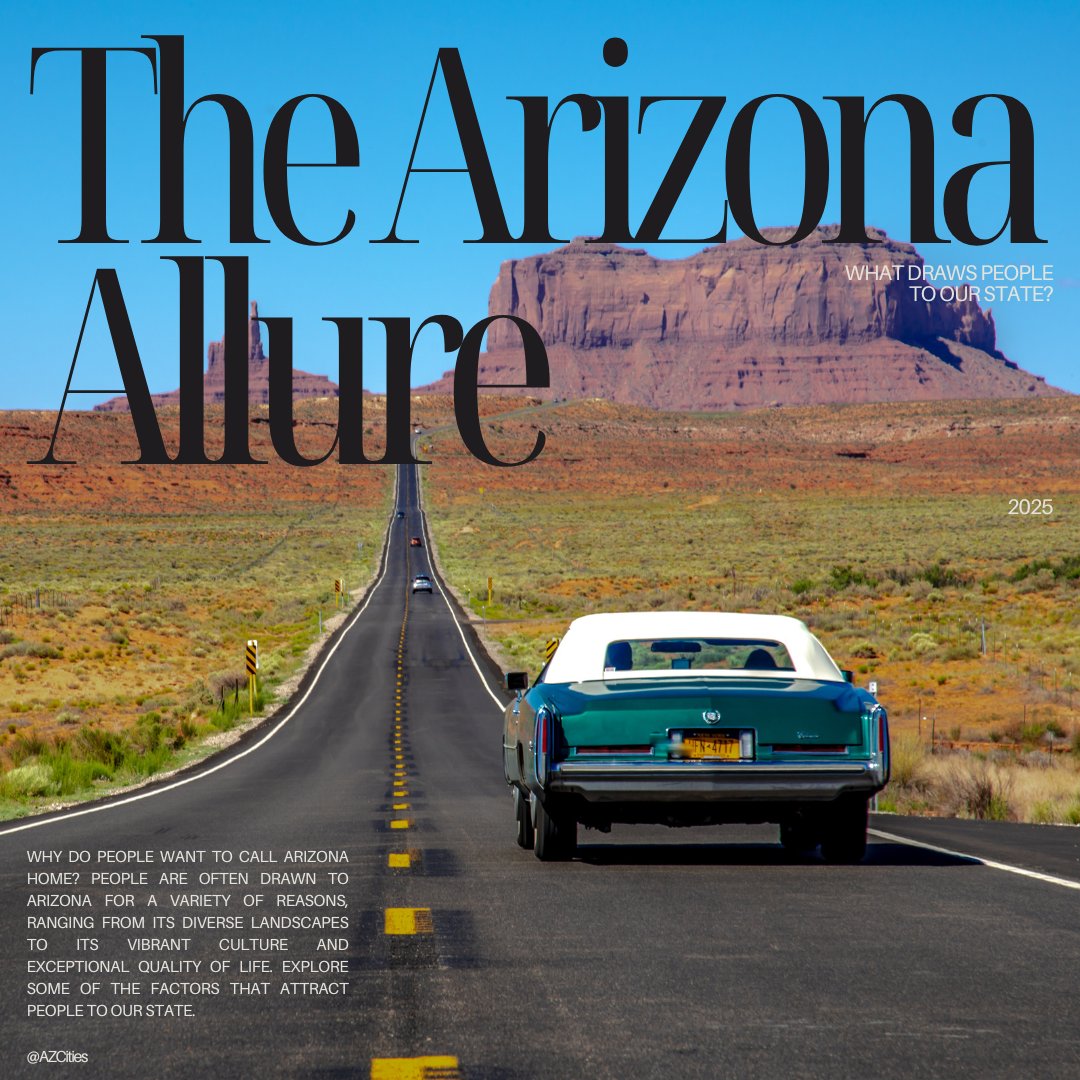
- Monument Valley Navajo Tribal Park: While generally accessible year-round, spring offers a more comfortable climate for exploring this legendary landscape of towering sandstone buttes. The light for photography is often exceptional, especially during the golden hours.
Cultural Festivals and Events
Spring also sees a surge of cultural activities and festivals across Arizona.
- Spring Training Baseball: For sports enthusiasts, March is synonymous with Spring Training for Major League Baseball. Teams flock to the Phoenix metropolitan area, offering the chance to see future stars and fan favorites in a relaxed, intimate stadium setting. Cities like Scottsdale, Tempe, and Peoria are buzzing with activity.
- Local Arts and Crafts Fairs: Many communities host vibrant art festivals, showcasing the talent of local artists and artisans. These events are a wonderful opportunity to find unique souvenirs and experience the creative pulse of Arizona.
- Heritage Celebrations: Various indigenous tribes hold pow-wows and cultural events during the spring, offering a glimpse into their rich traditions and history.
Considerations
While spring is near-perfect, it’s also one of the busiest seasons, especially around Spring Break in March. Expect larger crowds and higher accommodation prices, particularly in popular tourist destinations. Booking well in advance is highly recommended.
The Summer Scorcher: June to August
Summer in Arizona is synonymous with intense heat, particularly in the lower desert elevations. While this might deter some, it’s the perfect time for specific activities and for those who thrive in warmer climates or plan to explore higher altitudes.
High Country Escapes
The most significant advantage of visiting Arizona in the summer is the opportunity to escape the heat by heading to its cooler, mountainous regions.
- Flagstaff: Perched at over 7,000 feet, Flagstaff offers a welcome respite from the desert heat, with daytime temperatures often in the 70s and 80s Fahrenheit (20-30°C). It’s an excellent base for exploring the San Francisco Peaks, which offer hiking and camping opportunities in a much milder environment. The nearby Grand Canyon‘s North Rim is also open during the summer and is generally less crowded than the South Rim.
- Pinetop-Lakeside and Show Low: These charming mountain towns in the White Mountains provide a cooler, forested environment with numerous lakes for fishing, boating, and relaxation. It’s a popular destination for locals seeking to escape the city heat.
- Mogollon Rim: This dramatic escarpment offers breathtaking views and cooler temperatures. The area is dotted with hiking trails and campgrounds, making it a great option for those who enjoy outdoor activities in a more temperate setting.
Water-Based Adventures
For those who can tolerate the heat or are seeking to cool off, Arizona offers fantastic opportunities for water-based recreation.
- Lake Powell: This vast reservoir on the border of Arizona and Utah is a premier destination for houseboating, swimming, jet skiing, and exploring the numerous canyons and coves. The summer months are the peak season for water sports here.
- Salt River: Near Phoenix, the Salt River is a popular spot for tubing, kayaking, and rafting. Tubing down the river is a quintessential Arizona summer experience, offering a refreshing way to beat the heat.
- Coolidge Dam and Roosevelt Lake: These and other reservoirs offer ample opportunities for cooling off and enjoying water activities.
Understanding the Heat
It’s crucial to acknowledge that summer in the desert can be extreme. Daytime temperatures in Phoenix, Tucson, and other valley cities frequently exceed 100°F (38°C) and can reach well over 110°F (43°C). Outdoor activities during the peak daylight hours should be avoided. Early mornings and late evenings are the only times for strenuous outdoor pursuits in these areas. Hydration and sun protection are paramount.
The Golden Autumn: September to November
Autumn brings a welcome return to comfortable temperatures across much of Arizona, making it another prime season for exploring the state’s diverse landscapes and attractions. The intense summer heat subsides, giving way to crisp air and beautiful fall colors, especially in the northern regions.
Perfect for Sightseeing and Hiking
As the heat recedes, Arizona‘s natural wonders become even more accessible and enjoyable.
- National Parks and Monuments: The Grand Canyon, Sedona, Monument Valley, and Saguaro National Park are all spectacular in the fall. The cooler temperatures make hiking and sightseeing more pleasant, and the fall colors in areas like Flagstaff and the Mogollon Rim add a unique beauty.
- Hiking Trails: Many popular trails that might be too hot in the summer become ideal for exploration. This includes trails in the Superstition Mountains near Phoenix and the diverse landscapes around Tucson.
- Scenic Drives: The fall foliage in the higher elevations, particularly along routes like the Scenic Byway 89A through Oak Creek Canyon, offers a stunning visual spectacle.
Vibrant City Experiences
The cities of Arizona also come alive in the fall, with pleasant weather encouraging outdoor dining, exploration of urban attractions, and attendance at events.
- Phoenix and Tucson: These metropolitan areas offer a wealth of cultural attractions, including museums, galleries, botanical gardens, and vibrant culinary scenes. The cooler evenings are perfect for enjoying outdoor patios and exploring the downtown areas.
- Golfing: Arizona is a world-renowned golf destination, and the fall is an excellent time to hit the links as the courses recover from the summer heat and the weather is perfect for a round.
Unique Autumn Attractions
- The Colors of Fall: While Arizona is not typically associated with vibrant fall foliage like New England, certain areas offer a beautiful display. The mixed conifer forests in the White Mountains and around Flagstaff showcase golden aspens and turning leaves, particularly in October.
- Oktoberfest and Harvest Festivals: Many communities celebrate the harvest season with festivals, offering local food, music, and crafts.
Travel Tips
Autumn is a popular time to visit Arizona, so booking accommodations and any desired tours in advance is still advisable, especially for October and November. The weather can be slightly unpredictable in late fall, with the possibility of early snow in the higher elevations.
The Mild Winter: December to February
Winter in Arizona offers a unique duality. While the northern parts of the state can experience snow and cold temperatures, the southern desert regions boast some of the most pleasant winter weather in the United States, making it a prime destination for sun-seekers and outdoor enthusiasts escaping colder climates.
Desert Oasis and Sunshine
The southern half of Arizona is a winter haven.
- Phoenix and Tucson: These cities bask in sunshine with average daytime temperatures in the 60s and 70s Fahrenheit (15-25°C). This is the perfect weather for exploring the numerous hiking trails, botanical gardens, golf courses, and vibrant cultural scenes without the oppressive heat of summer.
- Arizona Sun Corridor: This region, encompassing cities from Phoenix south to Tucson, becomes a popular destination for “snowbirds” – visitors from colder states seeking warmth and sunshine.
- Saguaro National Park: The desert landscape is beautiful in the winter, with clear skies and comfortable temperatures ideal for hiking and wildlife spotting.
Snow in the North
For those who enjoy a winter wonderland, Arizona delivers.
- Flagstaff and the White Mountains: These higher elevation areas receive significant snowfall, transforming them into destinations for skiing, snowboarding, snowshoeing, and other winter sports. Resorts like Arizona Snowbowl near Flagstaff and Sunrise Park Resort in the White Mountains offer opportunities to enjoy a snowy landscape.
- Winter Wonderland: The snow-covered forests and mountains create a picturesque setting for scenic drives and cozy cabin getaways.
Unique Winter Activities
- Rodeos and Western Events: Winter is the season for many popular rodeos and equestrian events across the state, showcasing Arizona‘s rich Western heritage.
- Desert Bloom (late winter): Towards the end of winter, especially in February, the desert can begin to show signs of life with early blooming wildflowers, a prelude to the spring explosion of color.
Considerations for Winter Travel
While generally less crowded than spring, the warmer southern regions can be quite busy with snowbirds. Booking accommodations in Phoenix, Tucson, and other popular desert cities well in advance is crucial, especially for January and February. In the northern mountain regions, be prepared for winter driving conditions and cold temperatures.

Planning Your Arizona Call
Ultimately, the question of “When Will They Call Arizona?” is deeply personal, tied to individual preferences for weather, activities, and crowd tolerance. Whether you dream of hiking amidst the red rocks of Sedona under a spring sky, exploring the cool pine forests surrounding Flagstaff in the summer heat, marveling at the desert bloom in the autumn, or basking in the winter sun of Tucson, Arizona offers a compelling reason to visit throughout the year. By understanding the nuances of each season, you can craft an unforgettable Southwestern experience that perfectly aligns with your desires.
LifeOutOfTheBox is a participant in the Amazon Services LLC Associates Program, an affiliate advertising program designed to provide a means for sites to earn advertising fees by advertising and linking to Amazon.com. Amazon, the Amazon logo, AmazonSupply, and the AmazonSupply logo are trademarks of Amazon.com, Inc. or its affiliates. As an Amazon Associate we earn affiliate commissions from qualifying purchases.