
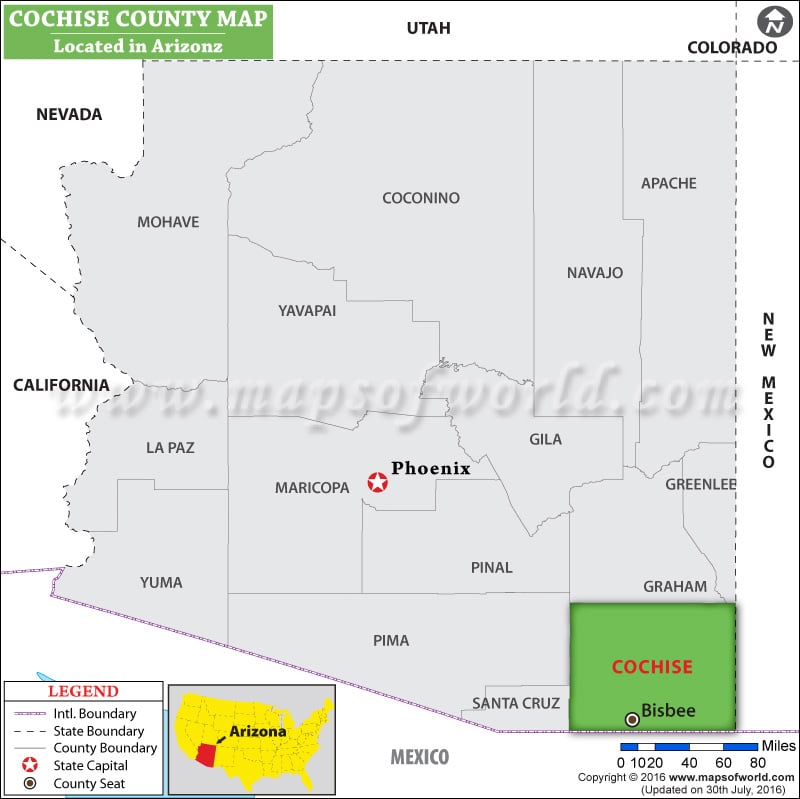
Cochise County, a vast and geographically diverse expanse in southeastern Arizona, occupies a significant portion of the state’s southeastern corner. It is bordered by the state of New Mexico to the east, the Republic of Mexico to the south, and by several other Arizona counties to the north and west, including Graham, Greenlee, Pima, and Santa Cruz. This strategic location places Cochise County at a unique crossroads, blending the rugged beauty of the American Southwest with the cultural influences of northern Mexico and the historical legacy of early American pioneers. Its landscape is a captivating tapestry of high desert plains, majestic mountain ranges, and fertile valleys, each contributing to its distinct character and allure. Understanding its geographical placement is key to unlocking the wealth of attractions and experiences it offers to travelers, history enthusiasts, and nature lovers alike.
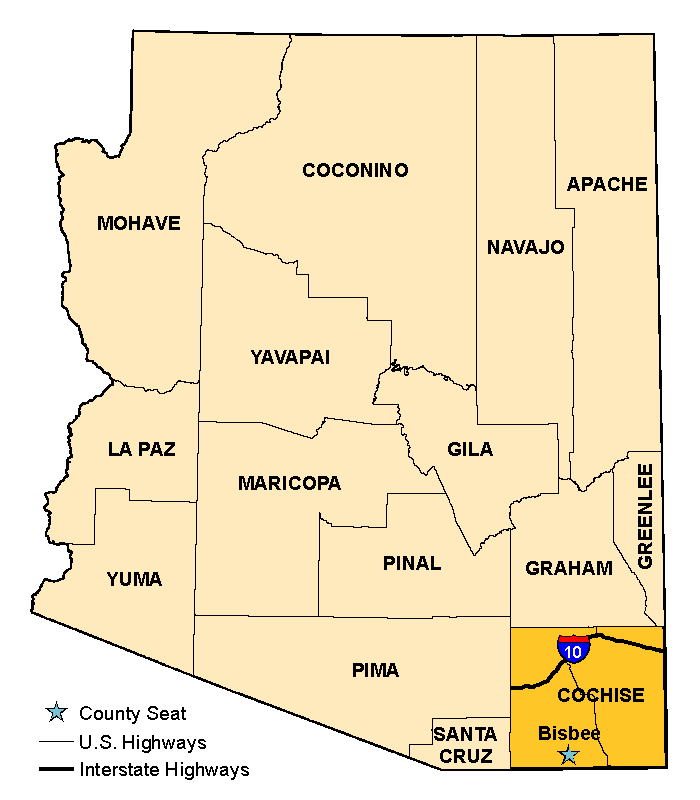
Exploring the Geography and Terrain of Cochise County
The topography of Cochise County is defined by dramatic elevation changes and varied ecological zones. The northern and western sections are characterized by expansive desert basins, such as the San Pedro Valley, which are crucial agricultural areas and vital wildlife corridors. These basins are punctuated by a series of north-south trending mountain ranges, often referred to as “sky islands.” These mountains, including the Chiricahua Mountains, the Dragoon Mountains, and the Huachuca Mountains, rise abruptly from the surrounding desert floor, creating unique microclimates and habitats that support a remarkable array of flora and fauna.
The “Sky Islands” Phenomenon
The “sky islands” of Cochise County are a defining feature of its geography. These isolated mountain ranges, separated by vast expanses of lower desert, host ecosystems that are distinct from their surroundings. As elevation increases, temperatures cool, and precipitation rises, allowing for the presence of pine and fir forests, often found at thousands of feet above the desert floor. This vertical zonation supports a biodiversity that is exceptionally rich, with species found in these mountains that are often more closely related to those found in the distant Rocky Mountains than in the adjacent deserts. This phenomenon makes the sky islands of Cochise County prime destinations for birdwatching, hiking, and botanical exploration.
Desert Basins and Valleys
Interspersed with these mountain ranges are broad desert basins and fertile valleys. The San Pedro Valley is one of the most significant, serving as a vital artery for water and wildlife. The San Pedro River, though often intermittent, sustains a riparian ecosystem that is a haven for countless species. This valley also forms the backbone of the county’s agricultural production, with towns like Willcox and Benson situated within its fertile reaches. The lower desert plains, characterized by saguaro cacti, mesquite trees, and creosote bushes, offer a starkly beautiful landscape that is quintessentially Arizonan.
Historical Significance and Cultural Heritage
The geographical position of Cochise County has profoundly shaped its history and cultural heritage. For millennia, indigenous peoples inhabited this region, drawn by its water sources and abundant natural resources. Later, Spanish explorers and Mexican settlers arrived, leaving their mark on the landscape and the culture. The 19th century saw the arrival of American pioneers, prospectors, and ranchers, transforming the region into a frontier territory. This confluence of cultures has resulted in a rich tapestry of historical sites, archaeological treasures, and enduring traditions.
Echoes of the Wild West
Cochise County is deeply intertwined with the lore of the American Wild West. Famous figures like Wyatt Earp, Doc Holliday, and Gerónimo have left their indelible marks on the region. The notorious gunfight at the O.K. Corral in Tombstone, a town that embodies the spirit of the Old West, is perhaps the most famous event associated with the county’s history. Today, Tombstone remains a living museum, attracting visitors eager to step back in time and experience the era of saloons, cowboys, and lawmen.
Indigenous Roots and Spanish Influence
Long before the arrival of cowboys and outlaws, the land was home to indigenous peoples, including the ancestors of the Apache and O’odham tribes. Archaeological sites scattered throughout the county offer glimpses into their ancient way of life. The Spanish colonial period brought with it missions, presidios, and a lasting influence on language, architecture, and agricultural practices. Many of the place names in Cochise County have Spanish origins, reflecting this significant historical period.
Gateway to Natural Wonders and Outdoor Adventures
The unique geography of Cochise County makes it a premier destination for nature enthusiasts and outdoor adventurers. The diverse landscapes offer a wide range of activities, from exploring rugged mountain trails to birdwatching in riparian areas. Its location also positions it as a gateway to some of Arizona’s most iconic natural wonders.
Chiricahua National Monument
A crown jewel of Cochise County is the Chiricahua National Monument. This breathtaking area is renowned for its incredible “wonderland of rocks” – thousands of balanced rocks, spires, and hoodoos sculpted by millions of years of erosion. Hiking trails wind through these dramatic formations, offering unparalleled opportunities for exploration and photography. The monument’s high elevation also supports a diverse range of plant and animal life, making it a sanctuary for nature lovers.
The Huachuca Mountains and Fort Huachuca
The Huachuca Mountains in the southwestern part of the county are another significant natural and historical area. These mountains are renowned for their exceptional bird diversity, particularly for migratory species. The Huachuca Mountains are home to Fort Huachuca, a U.S. Army installation with a rich military history dating back to the Apache Wars. Visitors can explore the fort’s historical buildings and museums, as well as the surrounding natural beauty.
Kartchner Caverns State Park
For those who prefer exploring the subterranean world, Kartchner Caverns State Park offers an unforgettable experience. This “living cave” system boasts spectacular formations, including stalactites, stalagmites, and soda straws, all remarkably preserved. Guided tours allow visitors to marvel at the geological wonders within the cave, which was only discovered in the 1970s and opened to the public in 1999.
Towns and Communities of Cochise County
Cochise County is home to a variety of towns and communities, each with its own unique charm and attractions. These settlements range from historic frontier towns to agricultural centers and modern hubs.
Tombstone: The Town Too Tough to Die
Tombstone, as mentioned, is perhaps the most famous town in Cochise County. Its preserved historic district allows visitors to immerse themselves in the era of the Wild West. From saloons and churches to the site of the legendary gunfight, Tombstone offers a tangible connection to a pivotal period in American history. The town also hosts reenactments and events that bring its past to life.
Bisbee: An Artistic and Historic Gem
Nestled in the Huachuca Mountains, the city of Bisbee is a former copper-mining boomtown that has transformed into a vibrant artist colony and historic destination. Its steep, winding streets are lined with colorful Victorian homes, art galleries, boutiques, and unique restaurants. The Queen Mine Tour offers a fascinating glimpse into the town’s mining past, while its artistic community provides a lively contemporary culture.
Willcox: Wine Country and Ranching Heritage
Willcox, located in the eastern part of the county, is a hub for agriculture and ranching. It is also emerging as a significant wine region, with numerous vineyards and tasting rooms offering local vintages. The Willcox area boasts a rich cattle ranching history, and visitors can learn about this heritage at local museums and ranches.

Benson: Gateway to the San Pedro Valley
Benson, situated along the San Pedro River, serves as a gateway to the San Pedro Valley. It offers convenient access to natural attractions and historical sites in the region. Benson also plays a role in the county’s transportation network, being a key stop along Interstate 10.
In conclusion, Cochise County is a land of remarkable contrasts and profound historical significance. Its location in southeastern Arizona, nestled between mountain ranges and desert basins, has fostered a unique blend of natural beauty, cultural heritage, and outdoor adventure. From the dramatic rock formations of Chiricahua National Monument to the historic streets of Tombstone and the artistic charm of Bisbee, Cochise County offers a compelling journey into the heart of the American Southwest.
LifeOutOfTheBox is a participant in the Amazon Services LLC Associates Program, an affiliate advertising program designed to provide a means for sites to earn advertising fees by advertising and linking to Amazon.com. Amazon, the Amazon logo, AmazonSupply, and the AmazonSupply logo are trademarks of Amazon.com, Inc. or its affiliates. As an Amazon Associate we earn affiliate commissions from qualifying purchases.