
Pima County, nestled in the heart of southern Arizona, is a region defined by its dramatic desert landscapes, rich cultural heritage, and vibrant urban centers. Its strategic location, bordering Mexico to the south and anchored by the majestic Sonoran Desert, positions it as a key destination for those seeking authentic Southwestern experiences. Understanding where Pima County lies is the first step in unlocking its many attractions, from the bustling streets of Tucson to the serene beauty of its protected natural reserves. This region offers a compelling blend of history, nature, and modern living, making it a significant contributor to the state’s identity and a compelling place to explore.
Geographic Heart of Southern Arizona
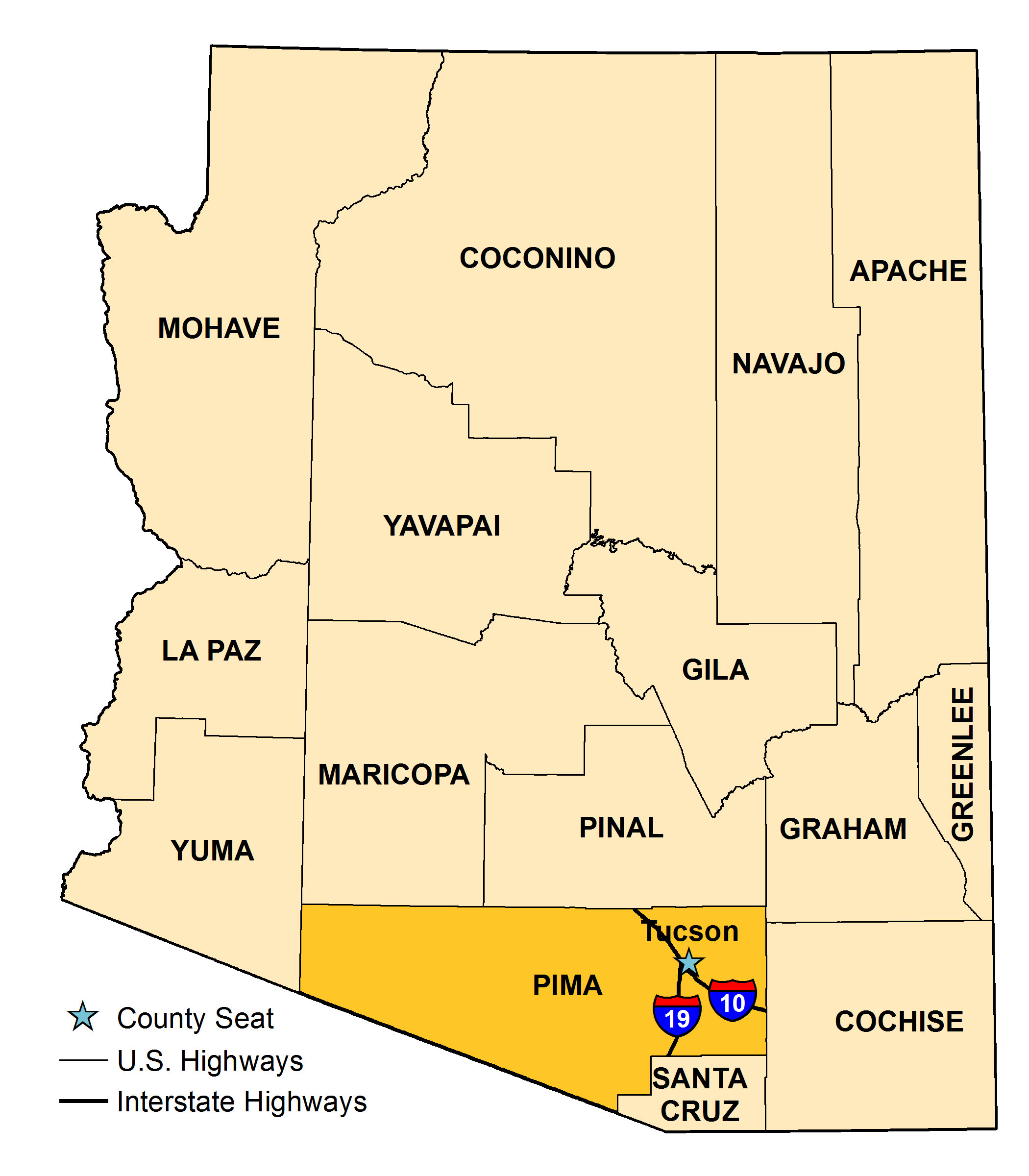
Pima County occupies a substantial portion of southern Arizona, characterized by its distinctive topography. The Sonoran Desert forms the dominant ecological and geographical feature, shaping the land with its iconic saguaro cacti, rocky mountains, and vast, arid plains. The county’s elevation varies significantly, from the desert floor to the higher peaks of mountain ranges that punctuate the landscape.
Boundaries and Neighbors
To the south, Pima County shares an international border with the Mexican states of Sonora. This proximity influences the region’s demographics, economy, and cultural exchanges, fostering a unique cross-border connection. To the north, it is bordered by Pinal County, to the east by Graham County and Cochise County, and to the west by Yuma County. These neighboring counties contribute to the broader tapestry of southern Arizona, each with its own distinct character and attractions.
Key Geographical Features
The landscape of Pima County is marked by several prominent mountain ranges, including the Santa Catalina Mountains, the Rincon Mountains, and the Tucson Mountains. These ranges are not merely scenic backdrops; they are vital ecosystems offering diverse flora and fauna, hiking opportunities, and stunning vistas. The Santa Cruz River and the San Pedro River are vital watercourses, though often ephemeral, carving through the desert and supporting riparian habitats crucial for wildlife. Tucson, the county seat and largest city, is centrally located within this expansive desert environment.
The Cultural Crossroads: Tucson and Beyond
The urban heart of Pima County is undeniably Tucson, a city that pulsates with a unique blend of Native American, Hispanic, and Anglo-American influences. Its history is deeply rooted in ancient civilizations, Spanish colonial rule, and its subsequent development as a modern American city. Beyond Tucson, the county encompasses smaller communities, each contributing to its diverse cultural mosaic.
Tucson: The Urban Hub
Tucson is the second-largest city in Arizona and serves as the economic, cultural, and educational engine of Pima County. It is renowned for its vibrant arts scene, historic barrios, and a culinary landscape that has earned it recognition as a UNESCO City of Gastronomy. The city’s architecture often reflects its historical layers, from adobe structures to more contemporary designs. Its population is a diverse mix, reflecting centuries of cultural convergence.
Beyond the City Limits
While Tucson dominates the county, numerous smaller towns and communities dot the Pima County landscape. Places like Green Valley, known for its retirement communities and desert beauty, and Marana, experiencing significant growth on the northern edge of Tucson, represent the diverse residential and commercial development across the county. These areas often retain a more intimate connection to the surrounding desert environment, offering a different pace of life.
Native American Heritage
Pima County is situated on ancestral lands of several Native American tribes, most notably the Tohono O’odham Nation. Their presence and influence are deeply woven into the fabric of the region, evident in historical sites, cultural practices, and ongoing community life. Exploring this heritage offers profound insights into the enduring legacy of the land’s original inhabitants.

Embracing the Sonoran Desert
The Sonoran Desert is not just a backdrop in Pima County; it is an active participant in the region’s identity and allure. Its unique ecosystem supports an astonishing array of life, adapted to the arid conditions. For visitors and residents alike, engaging with the desert is an essential Pima County experience.
Saguaro National Park
A crown jewel of Pima County is Saguaro National Park, which is divided into two districts, the Rincon Mountain District (East) and the Tucson Mountain District (West). This park protects vast expanses of saguaro cactus forests, offering unparalleled opportunities for hiking, photography, and wildlife viewing. The iconic saguaro cactus, a symbol of the American West, thrives here in abundance, creating a landscape that is both iconic and awe-inspiring. The park also preserves critical desert habitats for numerous animal species.
Desert Landscapes and Biodiversity
The desert’s seemingly barren expanses teem with life. From hardy reptiles and diverse bird species to elusive mammals like javelinas and coyotes, the Sonoran Desert is a testament to nature’s resilience and adaptability. Cacti, wildflowers that bloom spectacularly after rains, and resilient desert trees create a dynamic and ever-changing environment. Numerous other protected areas, such as the Arizona-Sonora Desert Museum and various state parks, further showcase this incredible biodiversity.
Outdoor Recreation
The natural beauty of Pima County invites a wealth of outdoor activities. Hiking trails wind through mountain ranges and desert washes, offering varying levels of difficulty and spectacular views. Cycling, rock climbing, and birdwatching are popular pursuits. The clear desert skies also make Pima County an excellent location for stargazing, with minimal light pollution in many areas.
A Glimpse into History and Economy
Pima County’s past is as rich and varied as its landscapes, contributing to its present-day character and economic drivers. From early human settlements to its role in the development of the American Southwest, its history is a narrative of adaptation and growth.
Historical Roots
The region’s history stretches back thousands of years, with evidence of early human habitation found throughout the county. Spanish explorers arrived in the 16th century, establishing missions and presidios, leaving an indelible mark on the region’s culture and architecture. Tucson itself was founded as a Spanish military outpost in 1775. The Gadsden Purchase in 1854 brought the area under United States control, leading to further development and settlement.
Economic Pillars
Today, Pima County’s economy is diversified. Tucson serves as a hub for technology, aerospace, biosciences, and tourism. The presence of major institutions like the University of Arizona fuels research and innovation. Mining has historically been a significant industry in the surrounding areas, and agriculture, though challenging in the desert climate, plays a role, particularly in the production of crops like cotton and pecans. Tourism, driven by the unique natural environment and cultural attractions, is a vital economic contributor.
Infrastructure and Connectivity
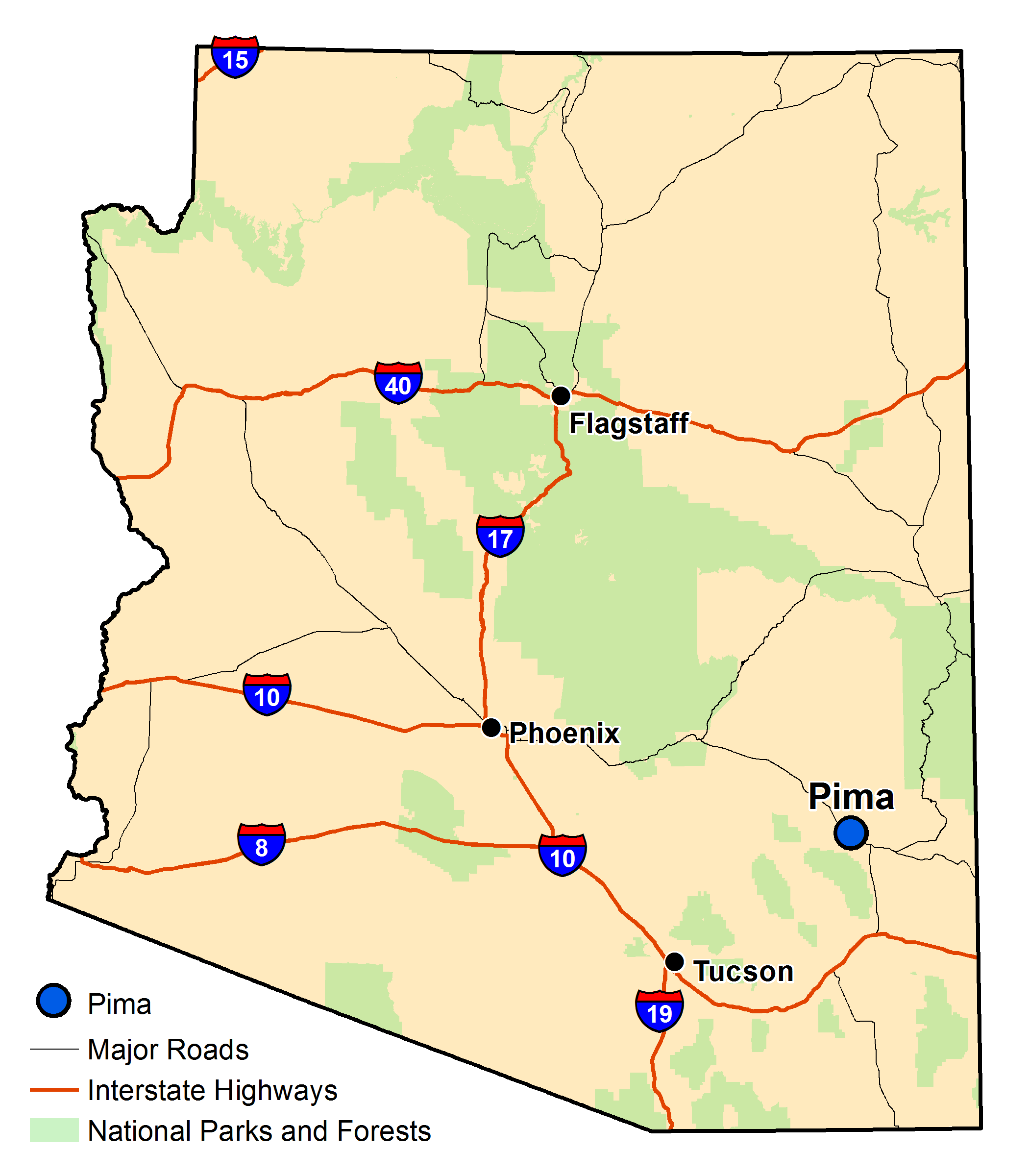
Pima County is well-connected by a network of highways, including Interstate 10, which runs east-west, providing crucial links to other parts of Arizona and beyond. Tucson International Airport (TUS) serves as a gateway for air travel. The county’s infrastructure supports its growing population and its role as a significant economic and cultural center in the Southwest.
LifeOutOfTheBox is a participant in the Amazon Services LLC Associates Program, an affiliate advertising program designed to provide a means for sites to earn advertising fees by advertising and linking to Amazon.com. Amazon, the Amazon logo, AmazonSupply, and the AmazonSupply logo are trademarks of Amazon.com, Inc. or its affiliates. As an Amazon Associate we earn affiliate commissions from qualifying purchases.