
The quest for a tax refund can often feel like navigating a desert landscape, especially when you’re in Arizona. While the prospect of receiving a bit of extra cash is always welcome, the process of tracking your refund can sometimes be opaque. This guide aims to demystify the Arizona tax refund process, providing you with the insights and tools necessary to understand where your money might be and how to expedite its arrival. Whether you’re a seasoned resident or new to the Grand Canyon State, grasping the nuances of the Arizona Department of Revenue’s refund system is key to a smooth tax season.
Understanding the Arizona Tax Refund Cycle
The Arizona Department of Revenue (AZDOR) processes millions of tax returns annually. The speed at which your refund is issued is influenced by several factors, primarily the filing method, the accuracy of your return, and the time of year. Generally, electronic filings are processed much faster than paper submissions. The AZDOR aims to issue refunds within a reasonable timeframe, but it’s crucial to manage your expectations and be aware of potential delays.
Filing Methods and Their Impact
The choice between filing electronically and by mail significantly affects your refund timeline.
Electronic Filing (e-file)
When you file your Arizona tax return electronically, typically through tax software or a tax professional, your information is transmitted directly to the AZDOR’s system. This digital submission dramatically reduces manual processing time. The system can often validate key information almost instantaneously, flagging potential errors early on.
- Benefits of e-filing:
- Speed: Refunds are generally issued much faster, often within 7-10 business days, sometimes even sooner if direct deposit is selected.
- Accuracy: E-file software guides you through the process, reducing the likelihood of mathematical errors or omissions that can delay refunds.
- Confirmation: You receive immediate confirmation that your return has been successfully filed.
- Direct Deposit: Opting for direct deposit further expedites the process, as funds are directly transferred to your bank account.
Paper Filing
Mailing a paper tax return involves a much longer processing pipeline. Once received by the AZDOR, the return must be manually entered into the system. This manual data entry is a labor-intensive process and is more susceptible to delays, especially during peak filing seasons.
- Drawbacks of paper filing:
- Slower Processing: Refunds can take significantly longer, often 6-8 weeks or more.
- Potential for Errors: Manual data entry increases the risk of errors, which can lead to your return being flagged for further review and subsequent delays.
- Snail Mail Delays: The initial transit time of your mailed return also adds to the overall processing duration.
Peak Filing Season Considerations
The period between January and April is the busiest for tax filing. During these months, the AZDOR receives a massive volume of returns. While the department dedicates resources to managing this influx, it’s natural for processing times to be slightly longer compared to the off-peak season. If you file early in the season, you might benefit from quicker processing before the main rush.
Accuracy and Completeness of Your Return
The single most significant factor, apart from filing method, that can delay your refund is inaccuracies or omissions on your tax return. Even minor mistakes, such as transposed numbers, incorrect Social Security numbers, or missing dependent information, can trigger a manual review by the AZDOR. This review process, while necessary for ensuring compliance, can add weeks to the refund timeline.
- Common reasons for delays due to errors:
- Incorrect Social Security Numbers (SSNs): Mismatched SSNs for filers, dependents, or spouses.
- Mathematical Errors: Simple calculation mistakes.
- Missing or Incorrect Information: Forgetting to include a required schedule or form, or providing incorrect employer identification numbers (EINs).
- Identity Theft Red Flags: The AZDOR may flag returns suspected of identity theft for additional verification.
Tracking Your Arizona Tax Refund
Fortunately, the Arizona Department of Revenue provides tools to help you track the status of your refund. Knowing how to use these tools effectively can alleviate anxiety and keep you informed.
The “Where’s My Refund?” Online Tool
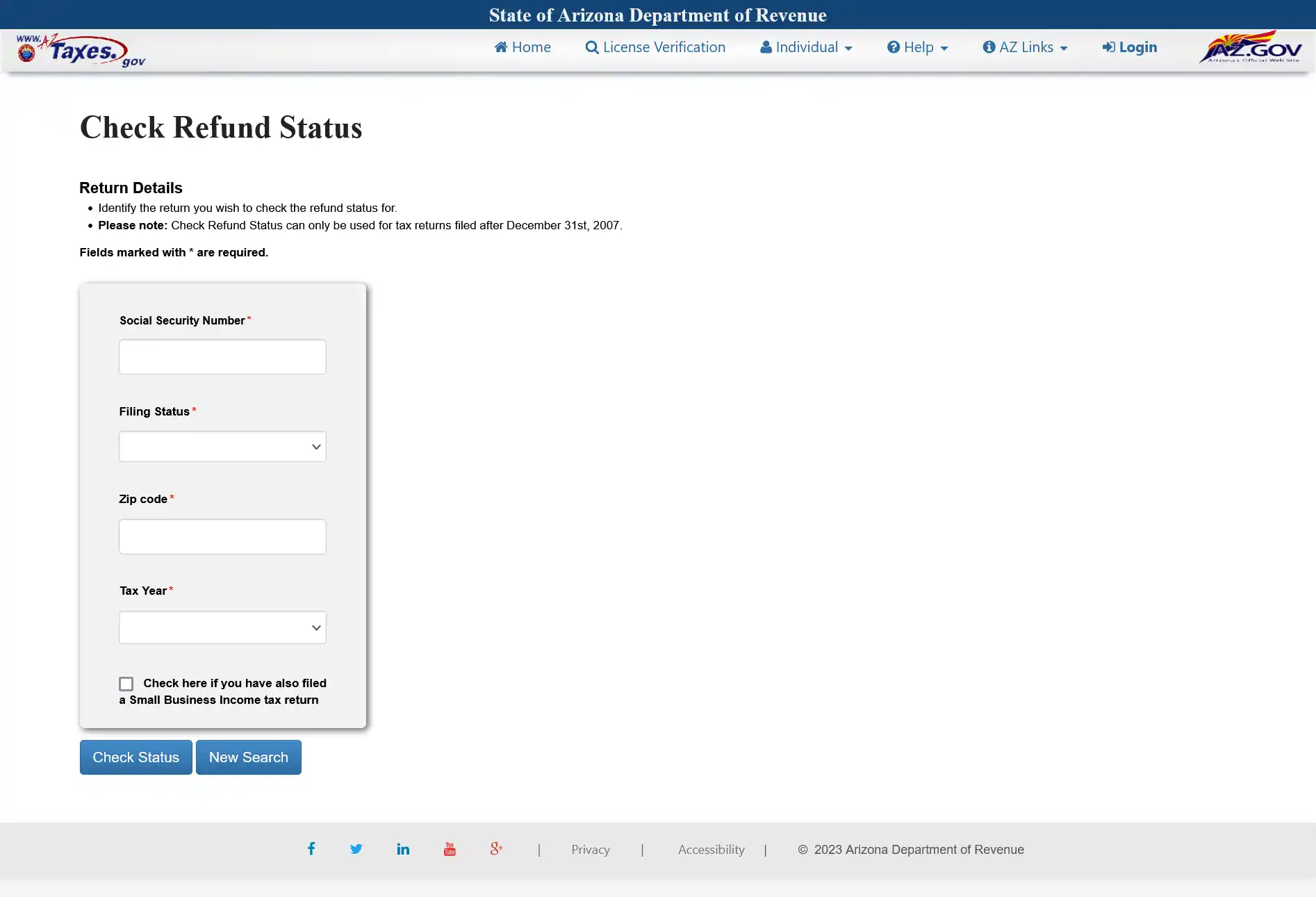
The AZDOR offers a user-friendly online portal for tracking your refund. This tool is designed to provide real-time updates on the status of your tax refund.
How to Access and Use the Tool
- Visit the AZDOR Website: Navigate to the official Arizona Department of Revenue website.
- Locate the “Where’s My Refund?” Section: This is typically prominently displayed on the homepage or under a “Taxpayers” or “Individual Income Tax” section.
- Required Information: To use the tool, you will need to provide specific information from your most recently filed Arizona tax return. This usually includes:
- Your Social Security Number (SSN) or Individual Taxpayer Identification Number (ITIN).
- Your exact refund amount (as shown on your return).
- Your filing status (e.g., Single, Married Filing Jointly).
Understanding Refund Status Messages
The “Where’s My Refund?” tool will display various status messages, each indicating a different stage of your refund’s journey:
- Return Received: This indicates that the AZDOR has successfully received your tax return. If you filed electronically, this status typically appears within 24 hours of filing. For paper filers, it may take a few weeks.
- Return Processing: Your return is currently being reviewed by the AZDOR. This stage can take several weeks, especially if your return requires manual review or if you filed during peak season.
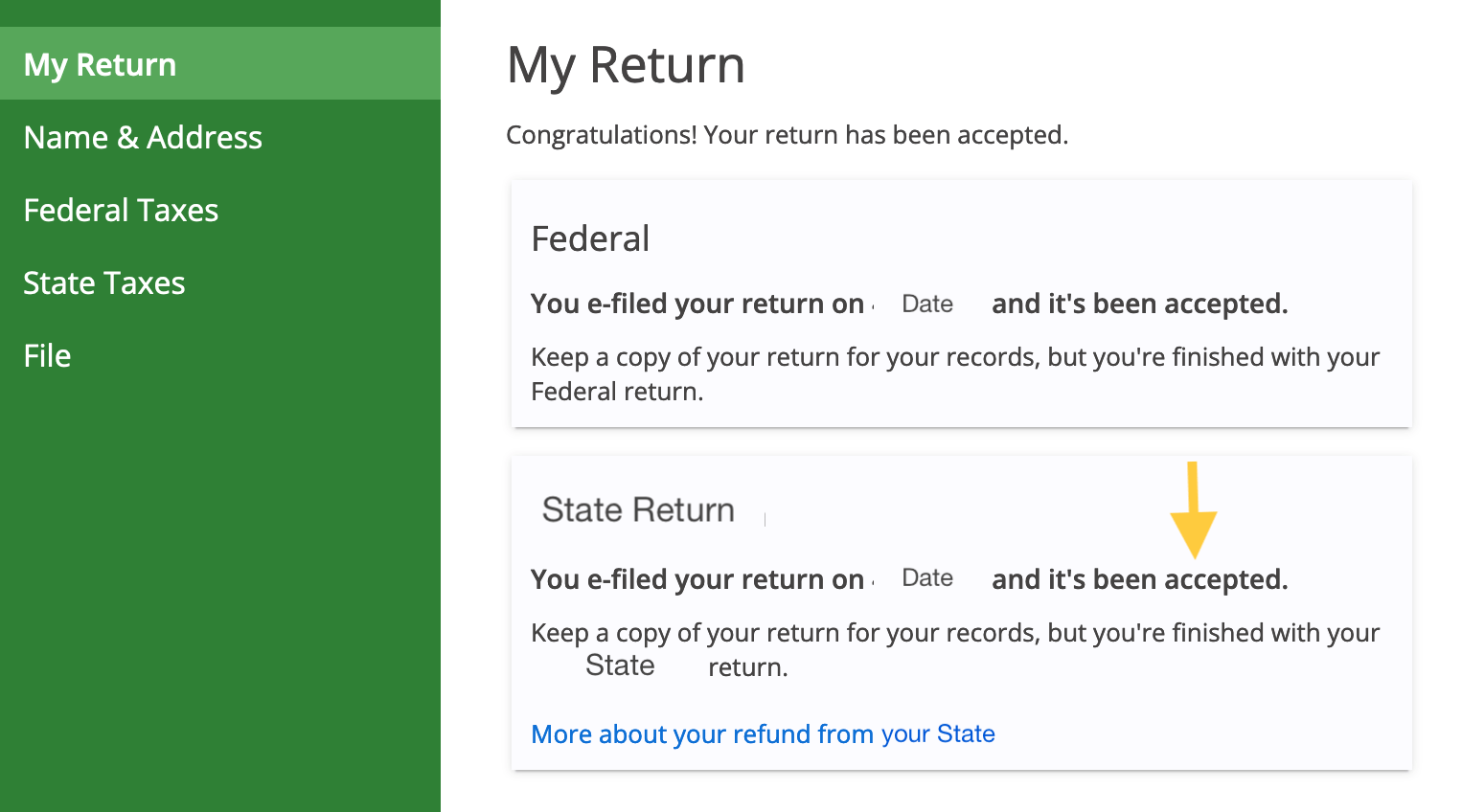
- Refund Approved / Issued: Congratulations! This message means your refund has been processed and approved. The estimated date for your refund to be issued will be provided. If you elected direct deposit, it should appear in your bank account within a few business days of this status. If you are receiving a paper check, it will be mailed on the issue date and may take additional time to arrive.
- Refund Sent: This indicates that your refund has been mailed (as a check) or deposited (if direct deposit was chosen). For direct deposits, it typically appears within 1-3 business days. For mailed checks, it can take up to two weeks to receive.
Phone Assistance
If you are unable to track your refund online or prefer to speak with a representative, you can contact the Arizona Department of Revenue directly.
- Contact Information: The AZDOR typically provides a dedicated phone number for tax-related inquiries, including refund status. This number is usually found on their official website. Be prepared for potentially long wait times, especially during busy periods.
- Information to Have Ready: When calling, have your SSN, filing status, and the refund amount from your return readily available, as the representative will likely ask for this information to access your account.
Common Refund Delays and How to Avoid Them
While the AZDOR strives for efficient processing, certain issues can lead to unexpected delays. Proactive measures can help mitigate these problems.
Avoiding Common Errors
The most effective way to ensure a prompt refund is to file an accurate and complete return.
- Double-Check Your Information: Before submitting, carefully review all personal details, including names, SSNs, and addresses. Ensure all dependent information is accurate.
- Verify Calculations: If filing manually, perform thorough checks of all calculations. Use tax software to minimize these risks.
- Attach All Required Forms: Ensure you have included all necessary schedules and forms as per the Arizona tax instructions.
- Use Correct Employer Identification Numbers (EINs): When reporting income from businesses or for withholding purposes, ensure the EINs are correct.
Understanding Audits and Reviews
Occasionally, your tax return may be selected for audit or review. This is not necessarily indicative of wrongdoing but rather a random selection or a result of specific criteria that flag a return for closer examination.
- What to Expect: If your return is chosen for review, the AZDOR will typically notify you by mail. This letter will specify what additional information or documentation they require.
- Responding Promptly: It is crucial to respond to these notices promptly and provide all requested information accurately and completely. Delays in responding will naturally delay your refund.
- Keeping Records: Maintain copies of all documents submitted with your return, including W-2s, 1099s, and any supporting schedules. This will be invaluable if your return is selected for review.
Identity Theft and Fraud Concerns
If the AZDOR suspects identity theft or fraudulent activity, your refund may be significantly delayed as they conduct an investigation.
- Signs of Potential Issues: If you have received a notice requesting verification of your identity or if your refund is unusually delayed without clear cause, it might be related to identity theft concerns.
- Contacting the AZDOR: If you suspect your identity has been compromised or if you believe your return has been flagged for fraudulent activity, contact the AZDOR immediately to understand the situation and the steps you need to take.
Getting Your Refund Faster
While you can’t always control every aspect of the refund process, there are steps you can take to maximize your chances of receiving your refund quickly.
The Power of Direct Deposit
As mentioned earlier, direct deposit is the fastest and most secure method for receiving your tax refund.
- How it Works: When you file electronically, you provide your bank account and routing numbers. Once your refund is approved, the AZDOR sends the funds directly to your bank account.
- Benefits:
- Speed: Funds are typically available within 1-3 business days after the refund is issued.
- Security: Eliminates the risk of a lost or stolen check.
- Convenience: No need to visit a bank or cash a check.
Filing Early
The adage “the early bird catches the worm” holds true for tax refunds.
- Advantage of Early Filing: Filing your return as soon as you have all necessary documentation allows the AZDOR to begin processing it sooner. This proactive approach can position you ahead of the massive influx of returns that typically arrive closer to the April deadline.
- Preparation is Key: Ensure you have all your tax documents, such as W-2s and 1099s, before you start preparing your return. This avoids last-minute rushes and potential errors.

Choosing a Reputable Tax Preparer
If you use a tax professional, selecting a qualified and experienced preparer can make a significant difference.
- Expertise: A good tax preparer stays up-to-date with tax laws and best practices, ensuring your return is filed accurately and efficiently.
- E-file Proficiency: Ensure your chosen professional utilizes e-filing services, as this is critical for faster refund processing.
- Communication: A reliable tax preparer will be communicative, answer your questions, and help you navigate any complexities.
By understanding the intricacies of the Arizona tax refund process, utilizing available tracking tools, and adopting best practices for filing, you can navigate your way to your refund with greater confidence and efficiency, leaving you more time to enjoy the many attractions that Arizona has to offer.
LifeOutOfTheBox is a participant in the Amazon Services LLC Associates Program, an affiliate advertising program designed to provide a means for sites to earn advertising fees by advertising and linking to Amazon.com. Amazon, the Amazon logo, AmazonSupply, and the AmazonSupply logo are trademarks of Amazon.com, Inc. or its affiliates. As an Amazon Associate we earn affiliate commissions from qualifying purchases.