
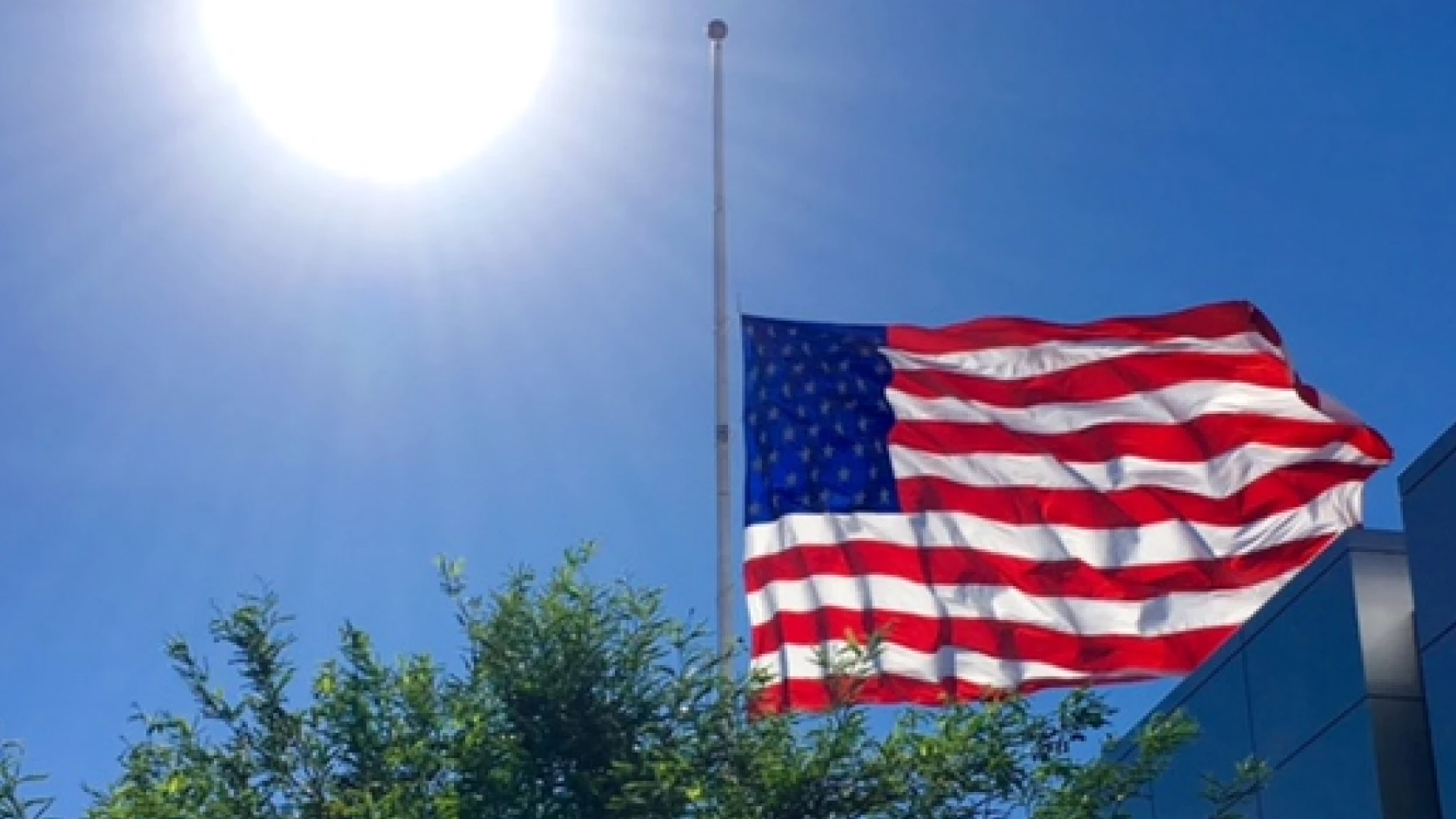
The sight of flags flying at half-mast across Arizona is a somber and universally recognized symbol of mourning and respect. This practice, deeply embedded in both national and international custom, signifies that a period of official mourning is underway. While the reasons for this solemn display can vary, understanding the context behind such observances provides insight into the values and traditions that shape our collective grief and remembrance. In Arizona, as elsewhere, flags are lowered to honor fallen heroes, commemorate significant tragedies, or mark the passing of esteemed leaders, both within the state and across the nation.

Understanding the Symbolism of Half-Mast
The practice of lowering a flag to half-mast, also known as half-staff, is an ancient tradition with roots dating back centuries. While its exact origins are debated, the act itself conveys a profound sense of humility and sorrow. It is believed to have originated from maritime customs, where ships would lower their flags to half-mast to signal that they were mourning a lost comrade or captain. The gesture represents a temporary relinquishing of the flag’s full glory, mirroring the state of lowered spirits and remembrance of those who are no longer with us.
Historical Precedents and Regulations
The formalized use of half-mast as a sign of mourning became more widespread with the establishment of national protocols. In the United States, the U.S. Flag Code outlines specific regulations regarding the display of the national flag. These guidelines dictate when and for how long the flag should be flown at half-mast, ensuring a consistent and respectful national observance. The President of the United States or state governors have the authority to order the flag to be flown at half-mast on federal or state buildings, respectively. This authority is typically exercised to honor individuals or events of national significance.
The U.S. Flag Code and State Variations
The U.S. Flag Code, enacted by Congress, provides a framework for flag etiquette. It specifies that the flag should be flown at half-mast on specific days, such as Memorial Day (until noon) and Peace Officers Memorial Day. It also allows for the flag to be flown at half-mast upon the death of certain individuals, including the President, Vice President, Chief Justice, Speaker of the House, a Supreme Court Justice, a Senator, a Representative, a governor, or a military officer of a certain rank. State governors can extend these honors to state-level officials or individuals with significant ties to their state. In Arizona, these federal guidelines are generally followed, with state-specific proclamations adding to the occasions for half-mast observances.
National vs. State-Level Mourning
It is important to distinguish between national and state-level mourning. When the President of the United States orders flags flown at half-mast, this directive typically applies to all federal buildings and installations across the country, including those in Arizona. Similarly, a governor of Arizona can issue a proclamation for flags on state property to be flown at half-mast, often in response to events or deaths that hold particular significance for the state. This means that on any given day, flags in Arizona might be at half-mast due to a national event or a decision made at the state level.
Reasons for Flags At Half Mast in Arizona Today
The specific reasons for flags being at half-mast in Arizona on any particular day are often tied to recent events or official proclamations. These reasons generally fall into a few key categories: honoring fallen service members, commemorating national tragedies, or marking the passing of public figures.
Honoring Fallen Service Members
One of the most common reasons for flags to be flown at half-mast is in remembrance of fallen members of the armed forces. This can range from honoring individuals killed in active duty to commemorating significant battles or events in military history. The lowering of the flag serves as a profound gesture of respect and gratitude for their sacrifice.
Memorial Day and Other Military Observances
Memorial Day, observed on the last Monday in May, is a prime example. The U.S. flag is flown at half-mast from sunrise until noon and then raised to full-staff at noon to symbolize the nation’s remembrance of those who died while serving in the military, and its determination to carry on their legacy. Other military observances throughout the year might also prompt half-mast flag flying, especially if there are specific commemorative events or anniversaries. In Arizona, communities often hold local ceremonies to honor their own fallen heroes, with flags at municipal buildings being lowered accordingly.
Commemorating National Tragedies
Tragic events, both domestic and international, can also lead to flags being flown at half-mast. These observances serve as a collective moment of silence and solidarity, acknowledging the widespread grief and shock that such events often engender.
Acts of Terrorism and Mass Violence
Following significant acts of terrorism or mass violence, such as the attacks on September 11, 2001, or other devastating incidents, national flags are often ordered to half-mast. This practice extends to state and local levels, including in Arizona, to express national solidarity and mourn the victims. The duration of such observances can vary depending on the scale of the tragedy and directives from federal or state authorities.
Natural Disasters and Other Catastrophes
In instances of severe natural disasters or other large-scale catastrophes that result in significant loss of life and widespread devastation, flags may also be lowered. This gesture acknowledges the immense suffering and loss experienced by affected communities and expresses empathy and support.
Honoring Public Figures and Dignitaries
The passing of prominent public figures, both within Arizona and at the national level, can also trigger the order to fly flags at half-mast. This is a mark of respect for their service, leadership, and contributions.
Presidents, Governors, and Other Leaders
The death of a former or current President of the United States always results in a national order to fly flags at half-mast for a specified period. Similarly, the death of a governor, a state senator, or other high-ranking state officials will typically lead to flags being lowered on state buildings in Arizona. The specific individuals honored in this way are usually those who have held significant public office and have had a notable impact on the governance and well-being of their constituents.
Distinguished Public Servants and First Responders
Beyond elected officials, the passing of distinguished public servants, such as Supreme Court justices, cabinet members, or even highly respected figures in law enforcement and emergency services, can also be recognized with flags at half-mast. This extends the honor to individuals who have dedicated their careers to public service and the safety and welfare of the community. The tragic loss of first responders in the line of duty is a particularly poignant reason for such observances, as it directly impacts the community’s sense of security.
How to Stay Informed About Flag Status in Arizona
For residents and visitors of Arizona who wish to be aware of why flags are being flown at half-mast, there are several reliable sources of information. Understanding these channels ensures that one can remain informed about official pronouncements and the reasons behind these solemn displays.
Official Government Websites and Proclamations
The most authoritative source of information regarding flag status is typically the official websites of the state government and its various departments. The Governor’s office in Arizona will issue proclamations for state-level half-mast observances, which are usually published on their official web portal. Similarly, federal directives regarding flag status will be disseminated through national government channels. These official announcements provide the definitive reason for the observance.
Websites of the Governor’s Office and State Agencies
Visiting the Arizona Governor’s Office website or the websites of relevant state agencies, such as the Department of Administration, can provide up-to-date information. These sites often feature news releases or dedicated sections detailing official proclamations, including those pertaining to flag status.
Local News Outlets and Media Coverage
Local news organizations in Arizona play a crucial role in disseminating information about why flags are at half-mast. When official announcements are made, local newspapers, television stations, and radio broadcasters will typically report on the reasons, providing context and details to the public.
Newspapers, Television, and Radio
Keeping an eye on the news from reputable local sources such as The Arizona Republic, local ABC, CBS, NBC, or FOX affiliates, or prominent radio stations throughout the state will ensure that you are informed. These outlets often cover significant events that lead to flag observances, offering a timely and accessible way to understand the current flag status.
Social Media and Community Announcements
In today’s digital age, social media platforms and community announcement boards also serve as channels for information. While it is always advisable to cross-reference information with official sources, social media accounts of government agencies and reputable news outlets can provide quick updates. Community groups and organizations may also share this information, especially when an observance has a direct local impact.

Following Official Social Media Accounts
Many governmental bodies and news organizations in Arizona maintain active social media presences. Following their official accounts on platforms like Twitter or Facebook can provide immediate notifications about flag status and the reasons behind it. This serves as a convenient way to stay connected to important community and state announcements, ensuring that you are aware of the solemn reasons that might cause flags to fly at half-mast across the state.
LifeOutOfTheBox is a participant in the Amazon Services LLC Associates Program, an affiliate advertising program designed to provide a means for sites to earn advertising fees by advertising and linking to Amazon.com. Amazon, the Amazon logo, AmazonSupply, and the AmazonSupply logo are trademarks of Amazon.com, Inc. or its affiliates. As an Amazon Associate we earn affiliate commissions from qualifying purchases.