
Planning a trip from the historic East Coast to the dazzling desert oasis of Las Vegas involves understanding various travel logistics, and perhaps the most fundamental question is: “How long is the flight from Boston to Las Vegas?” While seemingly straightforward, this query opens the door to a deeper exploration of flight durations, factors influencing them, and the overall travel experience. Understanding these nuances can significantly enhance your trip-planning process, allowing you to better allocate your time and prepare for your journey.
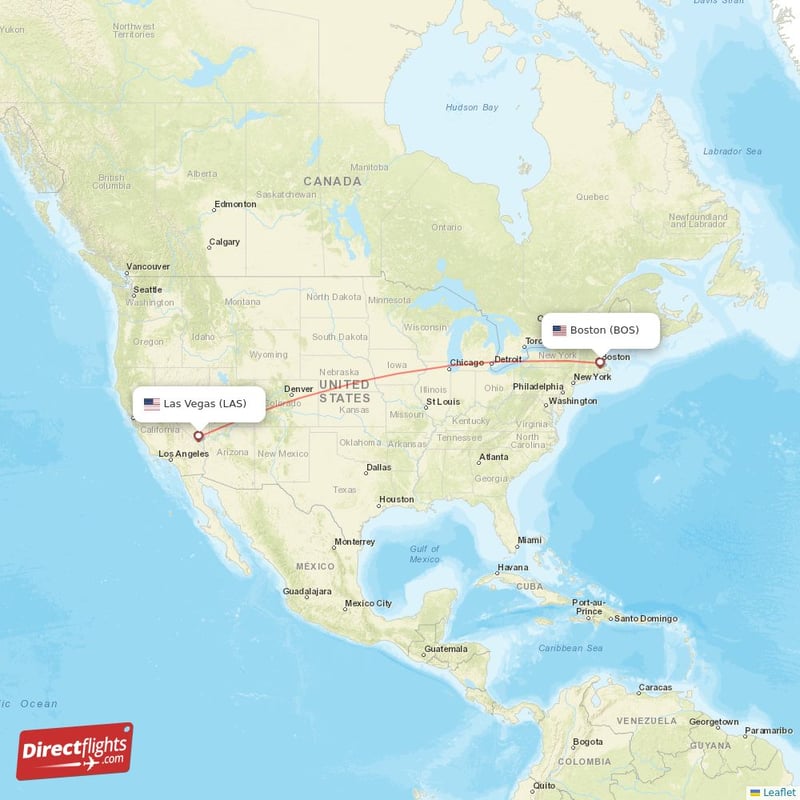
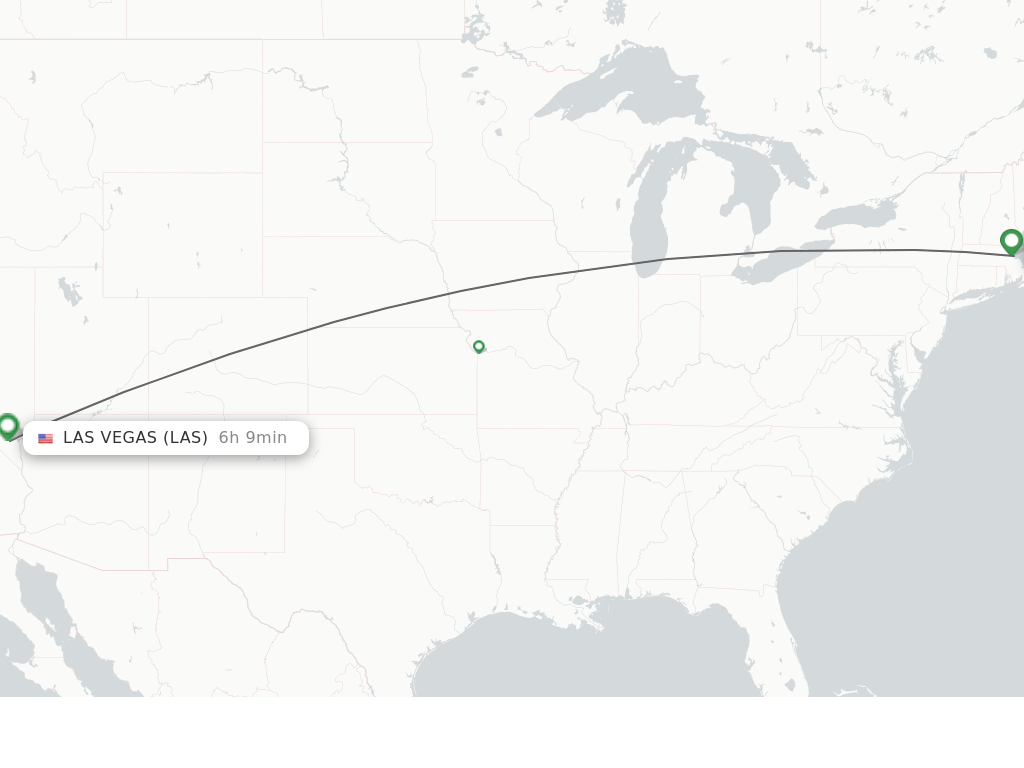
The direct flight duration from Boston Logan International Airport (BOS) to McCarran International Airport (LAS) in Las Vegas typically ranges from approximately 6 to 6.5 hours. This is for non-stop flights, which are the most efficient way to traverse the considerable distance between these two iconic American cities. However, this figure represents the time spent airborne. The total travel time, encompassing pre-flight procedures and post-flight disembarkation, will naturally be longer.
Factors Influencing Flight Duration
Several variables can affect the actual time it takes to fly from Boston to Las Vegas. While airlines aim for predictable schedules, the skies are subject to a dynamic environment.
Altitude and Air Speed
The cruising altitude and air speed of the aircraft are primary determinants of flight time. Modern commercial jets typically cruise at altitudes between 30,000 and 42,000 feet. At these heights, the air is thinner, allowing aircraft to fly more efficiently and at higher speeds. The specific cruising speed of an aircraft can vary based on its model, weight, and the airline’s operational strategies. For example, a larger, more fuel-efficient aircraft might fly at a slightly different optimal speed than a smaller one.
Jet Streams
One of the most significant external factors influencing transcontinental flight times is the presence and strength of jet streams. These are fast-flowing, narrow air currents found in the Earth’s atmosphere. Flying with a jet stream, known as a tailwind, can significantly reduce flight time. Conversely, flying against a jet stream, experiencing a headwind, will increase the flight duration. The position and intensity of these streams change daily and seasonally, meaning a flight on one day might be shorter or longer than a flight on another, even with the same aircraft and route. Pilots constantly monitor jet stream data to optimize routes for fuel efficiency and time.
Weather Conditions
Beyond jet streams, general weather conditions play a crucial role. Severe weather phenomena such as thunderstorms, heavy rain, or snow can necessitate rerouting to avoid turbulence or dangerous conditions, thereby extending flight times. While air traffic control and airline operations are adept at navigating around most weather, prolonged or widespread adverse conditions can impact schedules. Furthermore, weather at the departure and arrival airports can cause delays before takeoff or after landing.
Air Traffic Control and Airspace Congestion
The density of air traffic in the airspace between Boston and Las Vegas can also influence flight duration. Major air corridors, particularly those near large metropolitan areas, can experience congestion. Air traffic control may direct aircraft to fly at slightly different altitudes or speeds, or even take holding patterns, to ensure safe separation between planes. This congestion is more prevalent during peak travel times.
Aircraft Type and Payload
The specific type of aircraft used by the airline can also impact flight duration. Different aircraft have varying cruising speeds and fuel capacities. Furthermore, the payload – the total weight of passengers, cargo, and fuel – can affect the aircraft’s performance. A heavier aircraft may require more time to reach its cruising altitude and may fly at a slightly slower speed.
Route Optimization
Airlines continuously work to optimize flight paths for efficiency. This involves utilizing sophisticated software that considers real-time weather data, air traffic, and fuel consumption to determine the most advantageous route. While the direct great-circle route between Boston and Las Vegas is the shortest distance, actual flight paths may deviate slightly to take advantage of favorable winds or avoid adverse weather.
Direct vs. Connecting Flights
The duration of your journey from Boston to Las Vegas is dramatically different depending on whether you opt for a direct flight or one with layovers.
Direct Flights
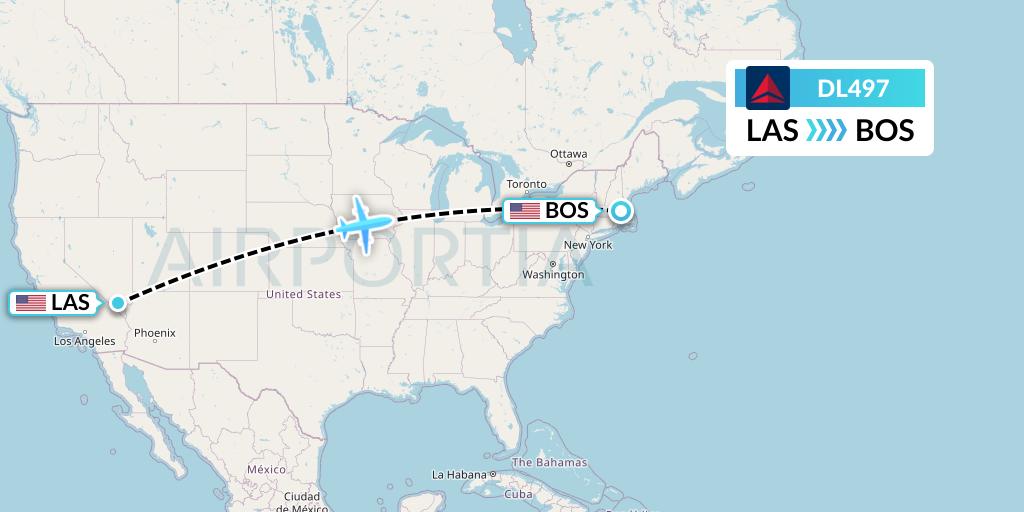
As previously mentioned, direct flights are the quickest option, typically taking between 6 and 6.5 hours. These flights are generally preferred by travelers prioritizing speed and convenience. Airlines like JetBlue, Delta Air Lines, and American Airlines often operate direct services between these two cities. Booking a direct flight means you board once in Boston and disembark directly in Las Vegas, minimizing the hassle of changing planes.
Connecting Flights
Connecting flights, or flights with one or more layovers, will significantly increase your total travel time. The duration of a connecting flight can range anywhere from 8 hours to well over 15 hours, depending on the layover city, the length of the layover, and the time between flights. Common layover cities for this route might include hubs like Chicago O’Hare International Airport, Denver International Airport, or Dallas/Fort Worth International Airport.
Layover Considerations
When choosing a connecting flight, it’s crucial to factor in the layover duration. A short layover (e.g., 1-1.5 hours) might feel rushed, especially if you need to navigate a large airport or if your inbound flight is delayed. A very long layover (e.g., 4+ hours) can provide ample time to stretch your legs, grab a meal, or even do some brief exploration of the layover city if time and airport regulations permit. However, it also means a longer overall travel day. The total travel time includes not only the flight segments but also the time spent on the ground during the layover.
Preparing for Your Journey
Understanding the flight duration is just one piece of the travel puzzle. Proper preparation ensures a smoother experience from start to finish.
Airport Arrival Times
For domestic flights from Boston to Las Vegas, airlines generally recommend arriving at the airport at least two hours before your scheduled departure. This allows ample time for check-in, baggage drop, and navigating security checkpoints. During peak travel seasons or holidays, it might be wise to add an extra hour. Arriving at McCarran International Airport in Las Vegas also requires time for disembarking and collecting any checked luggage.
Time Zone Differences
A critical factor often overlooked when calculating total travel time is the difference in time zones. Boston is in the Eastern Time Zone (ET), while Las Vegas is in the Pacific Time Zone (PT). There is a three-hour difference, with Las Vegas being three hours behind Boston. This means that even if your flight is 6.5 hours long, you will arrive in Las Vegas at a local time that reflects this time difference. For example, a flight departing Boston at 2:00 PM ET would, a 6.5-hour flight later, land at approximately 5:30 PM PT in Las Vegas.
In-Flight Comfort and Entertainment
Given the flight duration, making your time in the air as comfortable and enjoyable as possible is paramount. Most major airlines operating this route offer in-flight entertainment systems with movies, TV shows, and music. Wi-Fi is often available for a fee, allowing you to stay connected or work. Packing essentials like a neck pillow, blanket, noise-canceling headphones, a good book, and downloaded content on your devices can significantly enhance your comfort. Staying hydrated by drinking plenty of water is also recommended, as the cabin air can be dry.
Arrival in Las Vegas
Upon arrival at McCarran International Airport, you will have numerous options to reach your hotel on the famous Las Vegas Strip or other destinations within the city. Taxis, ride-sharing services like Uber and Lyft, airport shuttles, and rental car services are readily available. The time taken to reach your accommodation will depend on traffic conditions and the distance to your hotel.
Maximizing Your Travel Experience
The flight from Boston to Las Vegas is a significant journey, and understanding its duration is key to planning. Whether you choose the efficiency of a direct flight or the potential cost savings of a connecting flight, factoring in all elements—flight time, layovers, airport procedures, and time zone differences—will allow you to create a realistic itinerary and maximize your enjoyment of your trip to the vibrant city of Las Vegas. By being well-informed, you can transform the transit time into a seamless prelude to the unforgettable experiences awaiting you.
LifeOutOfTheBox is a participant in the Amazon Services LLC Associates Program, an affiliate advertising program designed to provide a means for sites to earn advertising fees by advertising and linking to Amazon.com. Amazon, the Amazon logo, AmazonSupply, and the AmazonSupply logo are trademarks of Amazon.com, Inc. or its affiliates. As an Amazon Associate we earn affiliate commissions from qualifying purchases.