
Navigating the skies to reach a vibrant city like Boston, Massachusetts involves understanding its aviation infrastructure. While the query “How Many Airports in Boston, Massachusetts?” might seem straightforward, the reality is a nuanced landscape of primary aviation hubs, smaller municipal fields, and private airstrips that collectively serve the greater metropolitan area. For travelers, businesses, and aviation enthusiasts alike, discerning these different types of facilities and their specific roles is key to a seamless experience. This exploration will delve into the various aviation facilities that cater to the Boston region, offering clarity on the diverse options available beyond the immediate perception of a single, dominant airport.
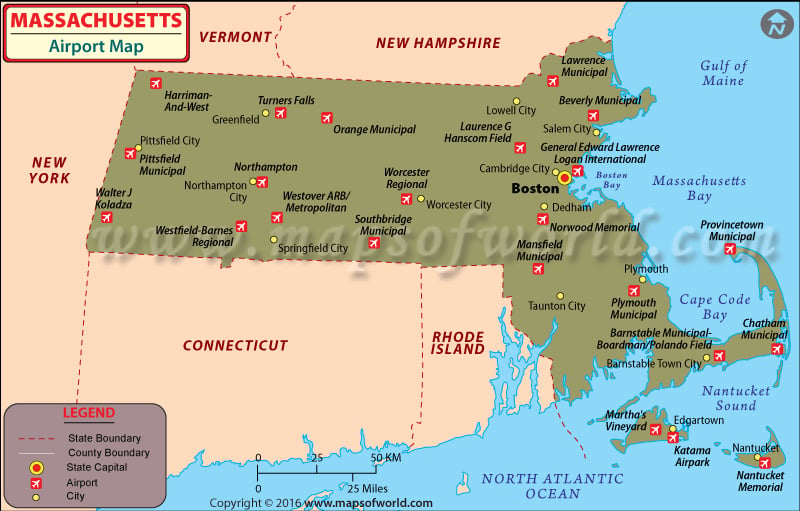
Logan International Airport: The Gateway to New England
The undisputed aerial gateway to Boston is Logan International Airport (BOS). As the largest and busiest airport in Massachusetts and the wider New England region, Logan handles a staggering volume of both domestic and international flights. Operated by the Massachusetts Port Authority (Massport), it is a crucial hub for major carriers and a vital economic engine for the area.
Terminals and Air Service
Logan International Airport is a complex facility with four distinct passenger terminals:
- Terminal A: Primarily serves Delta Air Lines and its regional partners.
- Terminal B: Hosts American Airlines and Southwest Airlines.
- Terminal C: Primarily used by JetBlue Airways.
- Terminal E: The international terminal, serving a multitude of foreign carriers and some domestic flights.
This extensive terminal infrastructure supports a vast network of destinations, connecting Boston to virtually every major city in the United States and numerous international locales. From quick business trips to extended family vacations, Logan offers unparalleled access.
Connectivity to the City
Beyond its airside operations, Logan International Airport boasts impressive ground transportation links. The MBTA Silver Line bus rapid transit system provides a direct and convenient connection to the Boston subway system, allowing travelers to reach downtown destinations like Faneuil Hall Marketplace or The North End without the need for a car. Taxis, ride-sharing services, and rental car facilities are also readily available, ensuring a smooth transition from air to ground.
Beyond Logan: Smaller Airports and Their Roles
While Logan International Airport dominates the air travel landscape, the greater Boston metropolitan area is also served by several smaller general aviation airports. These facilities play a critical role in supporting private aviation, flight training, charter services, and specialized air operations.
Norwood Memorial Airport
Located approximately 20 miles southwest of downtown Boston, Norwood Memorial Airport (OWD) is a significant general aviation reliever airport. It offers a valuable alternative for those seeking to avoid the congestion of Logan and provides essential services for private pilots and aircraft owners.
Services and Facilities at OWD
Norwood Memorial Airport features a single paved runway, making it suitable for a wide range of general aviation aircraft. The airport is home to numerous fixed-base operators (FBOs) that provide fueling, maintenance, hangarage, and aircraft rental services. It is also a popular destination for flight schools and charter operations, offering a more personalized and less regulated flying experience than the major commercial hubs. For pilots flying into Boston for business or leisure, Norwood presents a convenient and efficient option, often with shorter taxi times and more straightforward air traffic control interactions.

Lawrence Municipal Airport
Further north of Boston, in the city of Lawrence, lies Lawrence Municipal Airport (LWM). This airport serves the northern Massachusetts region and provides an important general aviation resource for communities in that area.
LWM’s Contribution to Regional Aviation
Lawrence Municipal Airport features two runways and is a hub for local flying clubs, flight training schools, and private aircraft. It supports a variety of aviation activities, from recreational flying to business travel for local companies. Its strategic location makes it a practical choice for residents and businesses in the northern suburbs of Boston looking for convenient air access without needing to travel to Logan or Norwood.
Beverly Regional Airport
To the northeast of Boston, Beverly Regional Airport (BVY) serves the North Shore area. This airport is another key general aviation facility, catering to a mix of private pilots, charter operations, and various aviation-related businesses.
Serving the North Shore Community
Beverly Regional Airport offers a valuable aviation resource for residents and businesses in cities like Salem and Gloucester. It is equipped with a paved runway and provides essential services such as fueling and aircraft storage. For those looking to explore the scenic North Shore or conduct business in the region, Beverly provides a convenient and accessible point of entry.
Private Airfields and Heliports
In addition to the publicly accessible municipal airports, the Boston metropolitan area is home to numerous private airfields and heliports. These facilities are typically used by corporations, individuals, or specialized services and are not generally open to the public for general aviation operations.
Corporate Aviation and Specialized Services
Large corporations with private aircraft may operate their own dedicated airstrips or utilize private facilities to facilitate executive travel. Similarly, emergency medical services, law enforcement agencies, and news organizations often rely on heliports strategically located throughout the city and surrounding suburbs for rapid deployment. These specialized facilities, while not traditional airports in the public sense, are integral to the overall aviation ecosystem of the Boston region, ensuring that a diverse range of aerial transportation needs are met.
The Importance of General Aviation
The presence of these smaller airports and private facilities underscores the importance of general aviation to the Boston economy and lifestyle. They support small businesses, facilitate regional commerce, provide recreational opportunities for pilots, and offer flexible transportation solutions for individuals and organizations that may not find the scale and services of Logan International Airport ideal for their specific needs.

Conclusion: A Multifaceted Aviation Landscape
In answering the question “How Many Airports in Boston, Massachusetts?”, it is evident that the answer extends beyond a single entity. While Logan International Airport stands as the primary international gateway, a network of general aviation airports and private facilities collectively forms the comprehensive aerial infrastructure serving the greater Boston area. Each facility, from the bustling terminals of Logan to the quieter runways of Norwood, Lawrence, and Beverly, plays a distinct and vital role in connecting Boston to the world and supporting the diverse needs of its residents, businesses, and visitors. Understanding this multifaceted landscape is essential for anyone planning to travel to or within this historic and dynamic region by air.
LifeOutOfTheBox is a participant in the Amazon Services LLC Associates Program, an affiliate advertising program designed to provide a means for sites to earn advertising fees by advertising and linking to Amazon.com. Amazon, the Amazon logo, AmazonSupply, and the AmazonSupply logo are trademarks of Amazon.com, Inc. or its affiliates. As an Amazon Associate we earn affiliate commissions from qualifying purchases.