
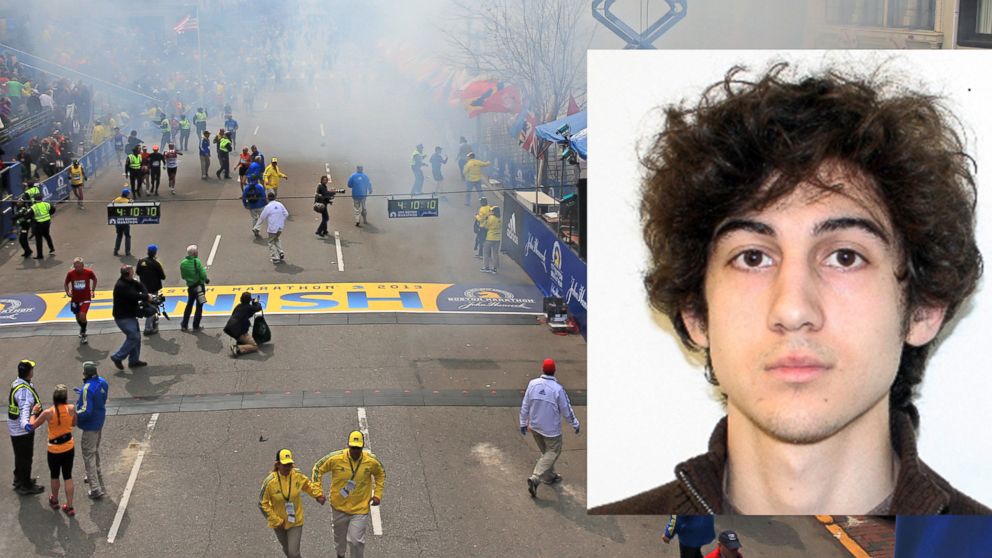
The Boston Marathon bombing, a tragic event that unfolded on April 15, 2013, sent shockwaves across the globe, leaving an indelible mark on the city of Boston and its people. This act of terrorism, which occurred near the finish line of the renowned Boston Marathon, was not merely a physical assault but a profound blow to the spirit of a city celebrated for its rich history, academic prowess, and vibrant cultural landscape. While the immediate aftermath was dominated by scenes of chaos and emergency response, a critical question emerged, echoing through news reports and public discourse: how many lives were tragically lost in this devastating attack?

This inquiry delves into the profound human cost of the bombing, seeking to quantify the loss while also acknowledging the immeasurable ripple effects of such an event. Understanding the number of fatalities is essential for historical record-keeping, for offering solace to the bereaved, and for informing future security measures aimed at preventing similar tragedies. It is a number that carries immense weight, representing families forever altered and a community grappling with immense grief.
The Immediate Aftermath and Fatality Count
In the immediate hours following the explosions, information was fluid and often incomplete as emergency services worked tirelessly to assess the situation, tend to the injured, and secure the scene. The primary focus was on saving lives and providing medical attention to the hundreds who were wounded. However, amidst the chaos, the grim reality of fatalities began to emerge.
Documenting the Lives Lost
Official reports, corroborated by statements from law enforcement and public health officials, confirmed that the bombing resulted in a specific number of deaths at the scene and in the days that followed. The initial reports, while urgent, aimed for accuracy, distinguishing between those who succumbed to their injuries immediately and those who later passed away due to the severity of their wounds. This painstaking process involved identifying victims and notifying their families, a task of immense emotional and logistical difficulty.
The confirmed number of fatalities from the Boston Marathon bombing stood at three individuals. These were:
- Krystle Campbell: A 29-year-old woman from Medford, Massachusetts, who was attending the marathon with her family. She was tragically killed by the blast.
- Lingzi Lu: A graduate student from China studying statistics at Boston University. She was a spectator near the finish line and succumbed to her injuries.
- Martin Richard: An 8-year-old boy from the Dorchester neighborhood of Boston. He was present with his family, cheering on his father and brother who were running the marathon, when the bombs detonated. His death was a particularly poignant and heartbreaking aspect of the tragedy.
The confirmation of these three lives lost served as a somber marker of the attack’s devastating impact. Each name represented a unique story, a future unfulfilled, and a void left in the lives of their loved ones.
The Role of Medical Professionals and First Responders
The efforts of medical professionals and first responders were nothing short of heroic. Hospitals across Boston, including the Massachusetts General Hospital and Brigham and Women’s Hospital, were inundated with casualties. Their swift actions, skill, and dedication were instrumental in saving countless lives and minimizing further loss. The medical teams worked around the clock, performing numerous surgeries and providing critical care. The number of injured, which far exceeded the fatalities, underscored the severity of the explosions and the critical role played by these medical institutions and their staff in mitigating the disaster’s impact. The long-term recovery for many of the injured was arduous, highlighting the lasting physical and psychological scars of the event.
Beyond the Numbers: The Enduring Impact
While the precise number of deaths provides a crucial quantitative measure of the bombing’s tragic toll, the true impact of the event extends far beyond these figures. The attack reverberated through Boston and resonated globally, influencing discussions on security, resilience, and the human capacity for both violence and compassion.
The Psychological and Emotional Scars
The mental and emotional toll on survivors, witnesses, and the broader community was profound. The event instilled a sense of vulnerability and fear, altering the perceived safety of public spaces, particularly large-scale gatherings. Many individuals who were present at the Boston Marathon experienced post-traumatic stress disorder (PTSD), anxiety, and other psychological challenges. Support systems, including counseling services and community outreach programs, were vital in helping individuals navigate their recovery. The shared trauma also fostered a unique sense of solidarity among those affected.
Community Resilience and “Boston Strong”
In the face of such adversity, Boston demonstrated remarkable resilience. The outpouring of support from within the city and from around the world was immense. The phrase “Boston Strong” became a powerful symbol of unity, courage, and determination. Residents came together, offering help to those affected, supporting local businesses, and participating in community events that aimed to reclaim public spaces and reaffirm the city’s vibrant spirit. This collective spirit of defiance against terror was a testament to the enduring strength of the human community.
Memorialization and Remembrance
To honor the victims and commemorate the event, several memorials were established in Boston. The most prominent is the Boston Marathon Memorial, located near the finish line, a place where people can reflect and pay their respects. These sites serve as constant reminders of the lives lost and the importance of remembrance. Annual ceremonies and vigils are held to mark the anniversary of the bombing, ensuring that the stories of Krystle Campbell, Lingzi Lu, and Martin Richard are never forgotten. These acts of remembrance are crucial for healing and for educating future generations about the impact of such events and the importance of standing together.
The Perpetrators and the Justice Process
The investigation into the Boston Marathon bombing was swift and extensive, involving multiple law enforcement agencies, including the FBI. Within days, the identities of the two brothers, Tamerlan Tsarnaev and Dzhokhar Tsarnaev, were revealed as the perpetrators.
The Hunt and Apprehension
The manhunt for the suspects captivated the nation and led to a significant lockdown of the greater Boston area. The intense search culminated in a dramatic confrontation, during which Tamerlan Tsarnaev was killed. Dzhokhar Tsarnaev was apprehended shortly thereafter.
Legal Proceedings and Sentencing
Dzhokhar Tsarnaev was subsequently tried and convicted for his role in the bombing. The legal proceedings were lengthy and complex, involving intense public interest. He was sentenced to death for his crimes, a sentence that has been upheld through appeals. The justice process, while lengthy, provided a measure of closure for some, though the ultimate pursuit of justice for such profound loss is a multifaceted and ongoing endeavor. The motivations behind the attack, while explored, remain a subject of deep contemplation and condemnation, highlighting the destructive capacity of radical ideologies. The investigation also led to reviews of intelligence protocols and security measures at large public events across the United States.
Lessons Learned and Future Preparedness
The Boston Marathon bombing served as a stark reminder of the persistent threat of terrorism and the critical importance of preparedness and vigilance in public spaces. The event prompted significant reevaluation of security protocols at large gatherings, from sporting events and concerts to marathons and parades.
Enhancing Public Safety Measures
Following the bombing, law enforcement agencies and event organizers across the country reviewed and enhanced their security measures. This included increased surveillance, improved communication systems among different agencies, and better-trained personnel to identify and respond to potential threats. The use of technology, such as advanced screening equipment and real-time threat assessment, became more prevalent. The focus shifted towards a more proactive approach to security, aiming to prevent incidents before they occur.
The Role of Intelligence and Cooperation
The bombing also underscored the critical importance of effective intelligence gathering and inter-agency cooperation. Sharing information among local, state, and federal agencies is paramount in identifying and neutralizing potential threats. The investigation into the Tsarnaev brothers revealed certain missed signals, leading to a review of how intelligence was shared and acted upon. This led to reforms aimed at improving the flow of information and ensuring that potential dangers are not overlooked.

Fostering Community Awareness and Reporting
Beyond official measures, the bombing highlighted the value of community awareness and the willingness of citizens to report suspicious activity. The concept of “see something, say something” gained renewed emphasis, encouraging individuals to be observant and to trust their instincts when they witness something out of the ordinary. This collective vigilance is an essential component of modern security strategies, empowering the public to play an active role in safeguarding their communities. The Boston Marathon bombing, while a tragedy of immense proportion, ultimately spurred significant advancements in public safety and fostered a deeper appreciation for the resilience and unity of the human spirit.
LifeOutOfTheBox is a participant in the Amazon Services LLC Associates Program, an affiliate advertising program designed to provide a means for sites to earn advertising fees by advertising and linking to Amazon.com. Amazon, the Amazon logo, AmazonSupply, and the AmazonSupply logo are trademarks of Amazon.com, Inc. or its affiliates. As an Amazon Associate we earn affiliate commissions from qualifying purchases.