
The Boston Marathon, a prestigious and historic event, is not merely a test of human endurance; it is also a complex logistical and financial undertaking. For participants, the entry fee is just the tip of the iceberg. Understanding the true cost of running the Boston Marathon involves delving into the expenses associated with organizing such a globally renowned race, from course setup and athlete services to marketing and security. While the runners face personal expenditures, the organization itself bears the brunt of the financial responsibility, ensuring a safe, efficient, and memorable experience for tens of thousands of participants and spectators alike.
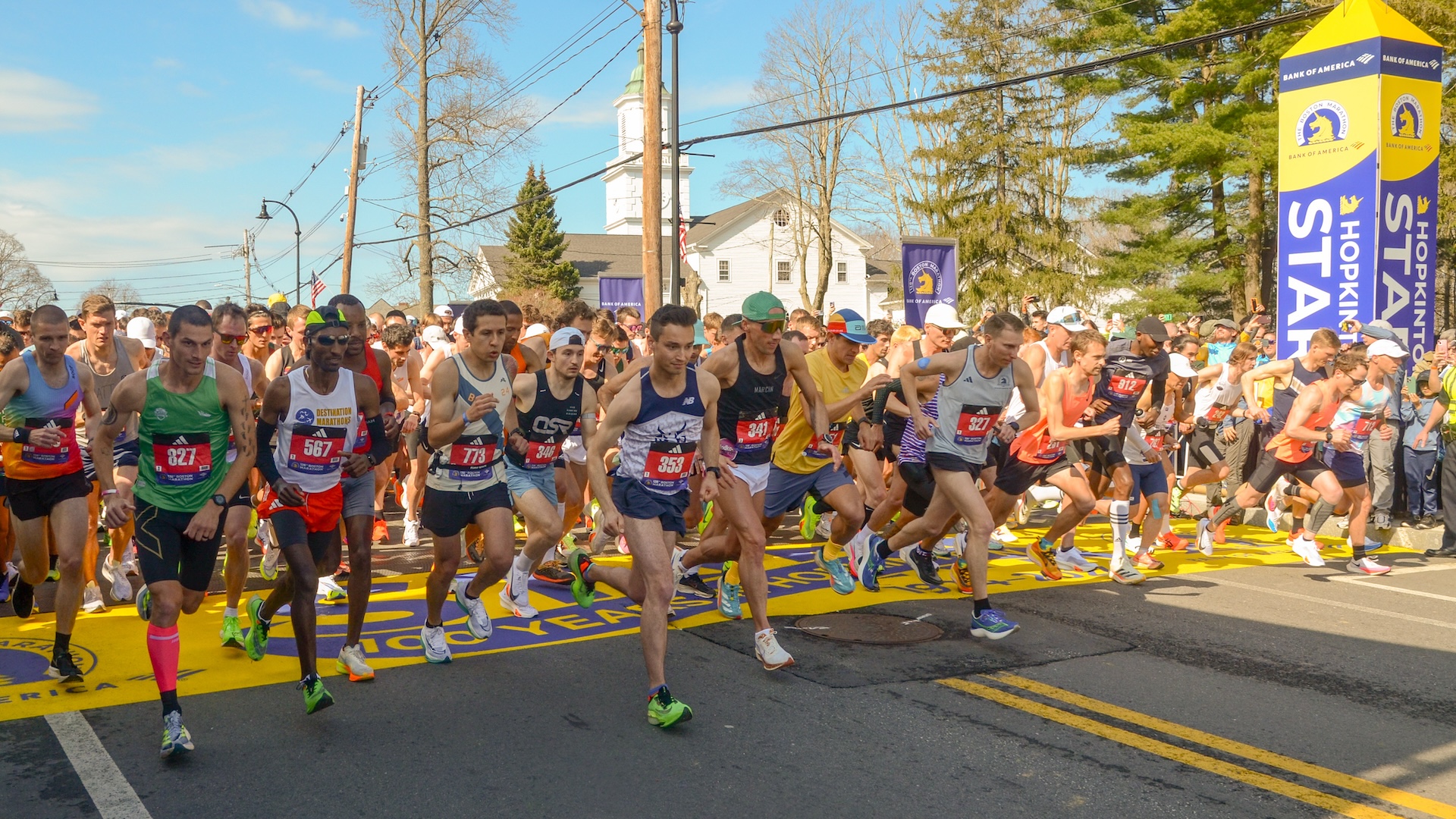
The Organizational Investment
The Boston Athletic Association (BAA), the organizing body of the Boston Marathon, invests substantial resources each year to bring this iconic event to life. This investment spans a multitude of areas, all crucial for the race’s successful execution.
Infrastructure and Logistics
A significant portion of the BAA’s budget is dedicated to the physical infrastructure and logistical planning required for a marathon that stretches 26.2 miles and involves a vast number of participants. This includes:
- Course Setup: This involves marking the entire course, setting up mile markers, directional signage, and barriers to guide runners and manage crowds. Temporary fencing, tents for aid stations, and staging areas for participants and media also contribute to this cost.
- Medical Services: Providing comprehensive medical support is paramount. This necessitates hiring a large team of medical professionals, including doctors, nurses, paramedics, and athletic trainers. The cost also includes setting up medical tents at various points along the course and at the finish line, as well as an ambulance fleet to respond to emergencies.
- Aid Stations: Water and Gatorade stations are strategically placed every mile or so. The cost here includes the purchase and transportation of thousands of gallons of water and sports drinks, as well as cups, tables, and the personnel to staff these stations.
- Timing and Technology: Professional timing systems are essential for accurately recording each runner’s performance. This includes chip timing, backup systems, and the personnel to manage them.
- Finish Line Operations: The finish line area is a hub of activity requiring extensive setup. This includes the archway, timing mats, medical tents, recovery zones, and a large staff to manage the flow of finishers, distribute medals, and provide post-race amenities.
- Waste Management and Cleanup: With tens of thousands of participants and spectators, the amount of waste generated is considerable. Significant costs are incurred for trash receptacles, recycling bins, and the labor required for thorough cleanup along the entire course and surrounding areas.
Athlete Services and Experience
Beyond the basic race execution, the BAA invests in enhancing the athlete experience, ensuring comfort and support for all participants, from elite runners to recreational athletes.
- Participant Packets: The creation and distribution of participant bibs, event t-shirts, and other promotional materials within the race packets involve design, printing, and assembly costs.
- Expo and Packet Pickup: The pre-race expo is a major event in itself, requiring venue rental, booth construction, staffing, and promotional activities to engage participants and sponsors. The logistics of distributing bibs and participant materials also incur substantial costs.
- Security and Crowd Control: Ensuring the safety of participants and spectators is a top priority. This involves extensive collaboration with local law enforcement agencies, including the Boston Police Department and state police. Costs include overtime pay for officers, security personnel, and specialized equipment for crowd management and threat assessment.
- Transportation and Parking: While participants often arrange their own transportation, the organization may incur costs related to shuttle services for volunteers, officials, and potentially participants from designated parking areas to the start and finish lines.
Marketing and Promotion
The Boston Marathon is a globally recognized brand, and maintaining its prestige requires ongoing marketing and promotional efforts.
- Media Relations and Broadcasting: Securing media coverage and producing high-quality broadcasts for television and online platforms involves significant expenditure. This includes hiring media personnel, coordinating with broadcasters, and managing the broadcasting infrastructure.
- Digital Marketing and Website Maintenance: Maintaining a professional website, managing social media campaigns, and implementing digital advertising strategies to reach a global audience contribute to the marketing budget.
- Public Relations and Community Outreach: Building and maintaining positive relationships with the community, stakeholders, and sponsors is crucial. This involves public relations efforts, community engagement initiatives, and event-related outreach.
Personnel and Administration
The operation of the Boston Marathon relies on a dedicated team of staff and a vast number of volunteers.
- Staff Salaries and Operations: While many roles are filled by volunteers, the BAA employs a core team of professional staff responsible for year-round planning, management, and execution. Their salaries and the operational costs of the BAA office are part of the overall budget.
- Volunteer Management: Although volunteers donate their time, there are still costs associated with managing them, including recruitment, training, providing them with necessary gear (like vests and hats), and often feeding and thanking them for their invaluable service.
Runner’s Expenses: Beyond the Entry Fee
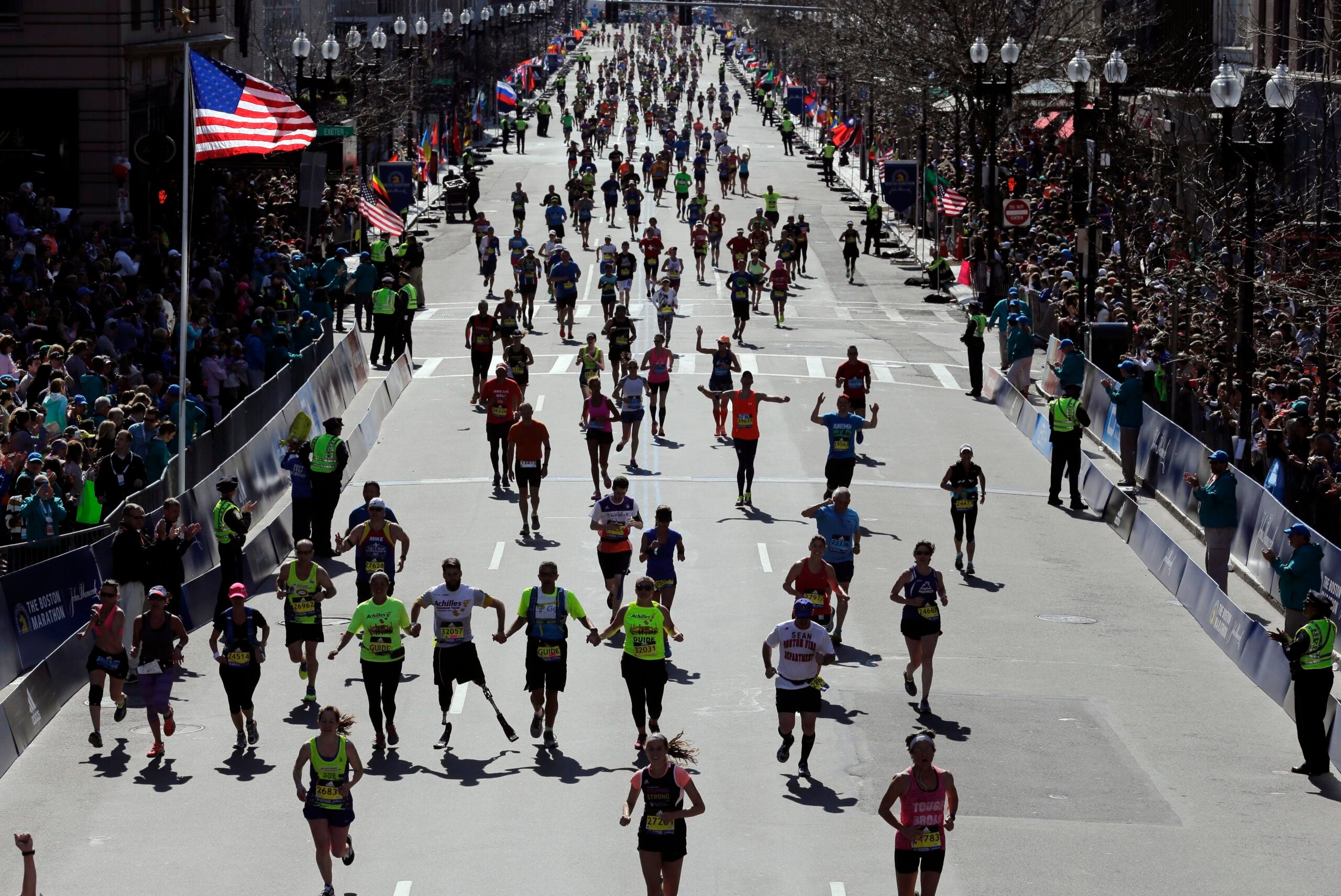
While the focus is often on the organizational costs, individual runners also face a significant financial commitment to participate in the Boston Marathon. These costs can vary widely depending on a runner’s location, training regimen, and personal choices.
Qualification and Entry
- Race Entry Fee: The most direct cost is the registration fee. While this fee is a fraction of the total organizational cost, it is a mandatory expense for every runner who secures a spot.
- Qualification Standards: For many runners, the most significant preceding expense is the effort and resources required to meet the demanding Boston Marathon qualification standards. This can involve years of dedicated training, often necessitating specialized running gear, nutrition, and potentially coaching.
Training and Preparation
- Running Gear: High-quality running shoes, apparel, and accessories are essential for training. This includes moisture-wicking clothing, GPS watches, hydration belts, and potentially specialized recovery tools. The cost of replacing worn-out gear over a marathon training cycle can be substantial.
- Nutrition and Hydration: A disciplined diet is crucial for marathon training. Runners often invest in specific foods, supplements, and hydration products to fuel their training and recovery.
- Coaching and Training Plans: Some runners opt for professional coaching services or purchase detailed training plans to optimize their preparation. This can add a significant financial layer to their training journey.
- Gym Memberships and Cross-Training: Many marathoners incorporate cross-training into their routines, which might involve gym memberships, yoga classes, or swimming.
Travel and Accommodation
For runners not based in Boston, the costs associated with travel and accommodation can be considerable, especially during marathon week when demand and prices surge.
- Airfare or Transportation: Flights or other long-distance travel to Boston can be a major expense, especially if booked close to the event date.
- Accommodation: Hotels in Boston and surrounding areas become significantly more expensive during marathon weekend. Runners may choose to stay in hotels near the start or finish, or opt for more budget-friendly options further afield, which can incur additional transportation costs. The duration of the stay also impacts the total lodging expense.
- Food and Dining: Beyond daily meals, runners may opt for specialized sports nutrition products or dine out more frequently to ensure adequate calorie intake and recovery.
Race Day and Post-Race
- Race Day Essentials: This can include specialized energy gels, sports drinks, and personal comfort items needed during the race.
- Post-Race Recovery: While not always a direct purchase, many runners invest in massages, physical therapy, or recovery aids to aid their recuperation after completing the grueling 26.2 miles.
The Economic Impact
The Boston Marathon is a significant economic driver for the city and the surrounding region. The influx of tens of thousands of runners, their families, and spectators creates a substantial boost for local businesses.
Hospitality and Retail
- Hotels and Accommodation: Hotels, rental properties, and bed and breakfasts experience peak occupancy rates during marathon week, generating considerable revenue.
- Restaurants and Dining: Eateries across the city benefit from the increased demand from participants and visitors.
- Retail Sales: Sporting goods stores, souvenir shops, and general retail outlets see a surge in sales as people purchase gear, gifts, and mementos.

Tourism and Local Services
- Transportation Services: Taxis, ride-sharing services, and public transportation see increased usage.
- Attractions and Entertainment: Visitors often take advantage of their time in Boston to visit local attractions, museums, and enjoy entertainment, contributing to the broader tourism economy.
- Volunteer and Event Staff Spending: While many volunteers are local, some may travel, and all contribute to the local economy through their spending during the event.
The economic ripple effect extends to indirect benefits as well, including job creation in the hospitality and service sectors, and increased tax revenue for the city. The prestige of hosting one of the world’s most famous marathons also enhances Boston’s reputation as a premier destination for sports and tourism.
In conclusion, the cost of running the Boston Marathon is a multifaceted equation. For the Boston Athletic Association, it represents a substantial annual investment in infrastructure, athlete services, security, and promotion. For the individual runner, it encompasses entry fees, extensive training expenses, and significant travel and accommodation costs. Yet, beyond the dollars and cents, the race’s intangible value lies in its rich history, its ability to inspire endurance, and its profound positive impact on the city of Boston and the wider running community.
LifeOutOfTheBox is a participant in the Amazon Services LLC Associates Program, an affiliate advertising program designed to provide a means for sites to earn advertising fees by advertising and linking to Amazon.com. Amazon, the Amazon logo, AmazonSupply, and the AmazonSupply logo are trademarks of Amazon.com, Inc. or its affiliates. As an Amazon Associate we earn affiliate commissions from qualifying purchases.