
The Boston Marathon is more than just a grueling 26.2-mile race; it’s a historic pilgrimage for runners worldwide and a significant cultural event in Boston. While the glory, personal achievement, and the iconic unicorn medal are paramount for most participants, the question of prize money inevitably arises, especially for the elite athletes vying for the top spots. Understanding the financial rewards for winning the Boston Marathon requires a look beyond the immediate cash prize to encompass the broader economic landscape for professional runners.
The Prize Money Breakdown
The financial incentive for winning the Boston Marathon is substantial, though it doesn’t reach the astronomical figures seen in some other major sporting events. The prize money structure is designed to reward the top finishers, with a clear delineation between the men’s and women’s elite fields, as well as different prize pools for American and international competitors.

Elite Field Payouts
The overall winner of the Boston Marathon, both male and female, receives a significant sum. For many years, this prize has hovered around the $150,000 mark. This figure is a strong motivator for professional athletes who dedicate their lives to training and competing at the highest level. This prize money is often supplemented by performance bonuses offered by sponsors and national federations, further increasing the potential earnings.
Beyond the Top Spot
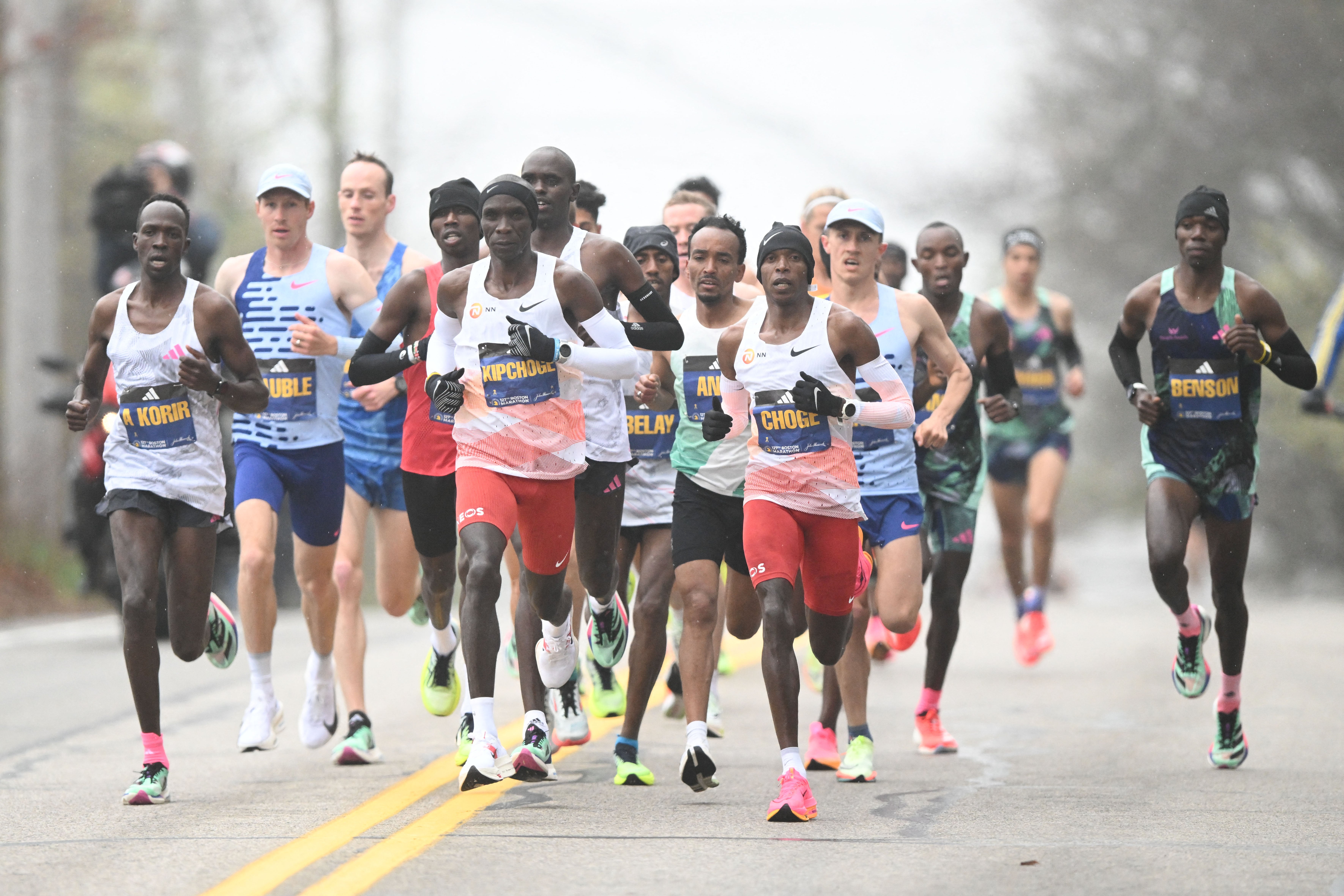
The prize money doesn’t stop with the champion. Significant awards are distributed to the runners who place within the top ten. This tiered system ensures that sustained excellence throughout the race is financially recognized. For example, runners finishing in second through fifth place typically receive diminishing but still considerable amounts, often ranging from $75,000 down to $25,000. Even runners finishing in the top ten can secure thousands of dollars, making it a worthwhile endeavor for many professional athletes.
American vs. International Elite
A unique aspect of the Boston Marathon prize money structure has historically been a separate bonus pool for American elite runners. This initiative aims to support and encourage the development of domestic talent in long-distance running. While the exact figures can fluctuate year to year based on sponsorship agreements and the race organizers’ decisions, this bonus has historically added tens of thousands of dollars to the potential winnings for the fastest Americans. This feature underscores the race’s commitment to both global excellence and national pride.
The Ecosystem of Elite Runner Earnings
While the prize money from a single race like the Boston Marathon is a significant component of an elite runner’s income, it’s rarely their sole source of revenue. A successful professional marathoner builds a career that involves a multifaceted approach to earning.
Sponsorships and Endorsements
The most substantial income stream for many top marathoners comes from sponsorships and endorsements. These deals are secured by athletes who have demonstrated consistent high performance, a strong public profile, and often, a compelling personal story. Major athletic apparel companies, shoe brands, and sports nutrition companies are the primary sponsors. These endorsements can range from significant annual retainers to appearance fees for various promotional events. Winning prestigious races like the Boston Marathon significantly enhances an athlete’s marketability and their ability to attract and negotiate lucrative sponsorship deals.
Performance Bonuses and National Support
Beyond the direct prize money awarded by the race organizers, many athletes have performance bonuses built into their sponsorship contracts. These bonuses are often tied to winning specific races, setting personal bests, or achieving podium finishes in major championships. Furthermore, national athletic federations in various countries often provide stipends, training support, and funding to their elite athletes. These programs are crucial for covering the costs of training camps, coaching, travel, and medical care, allowing athletes to focus on their performance.
Appearance Fees
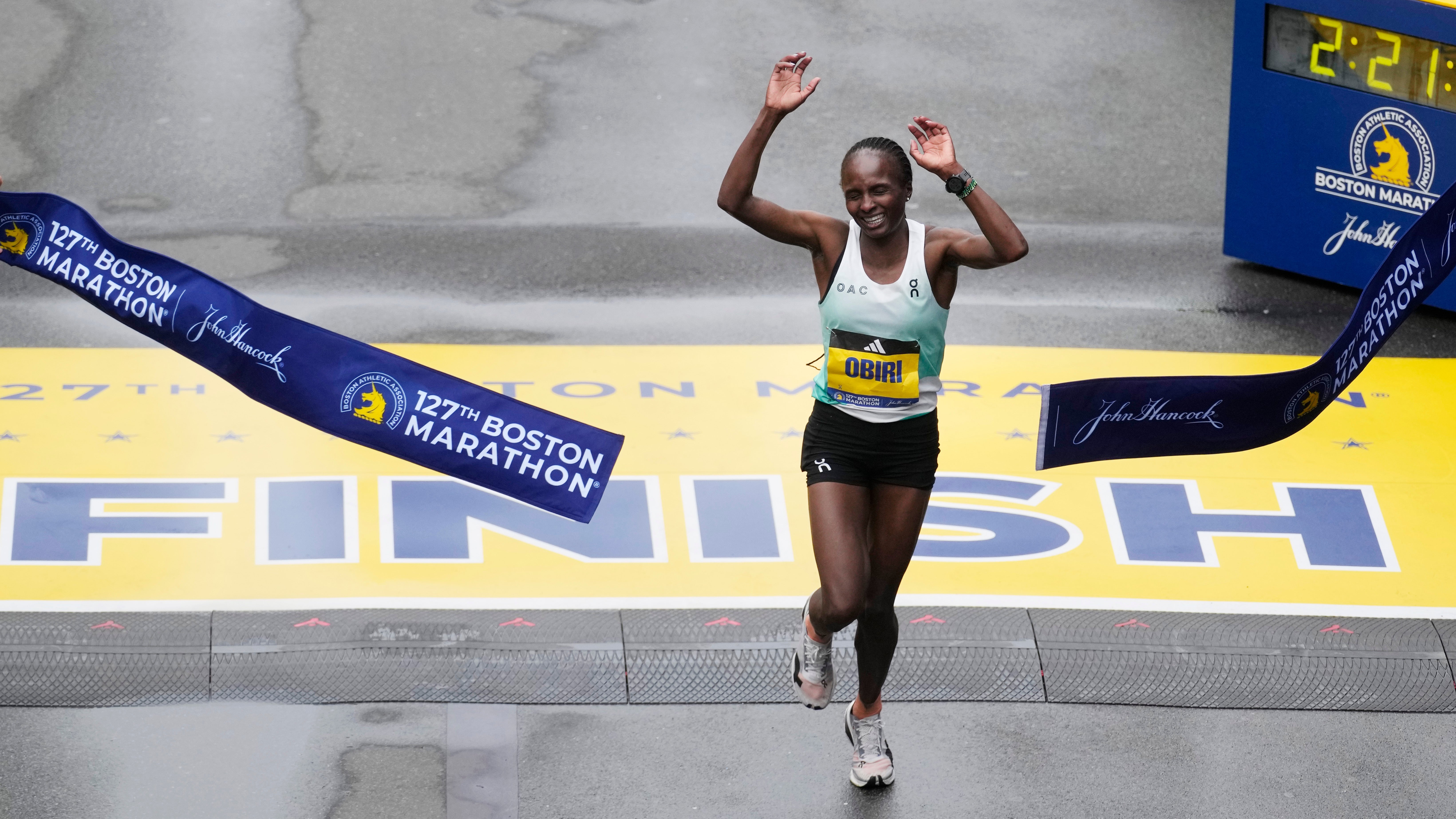
For highly sought-after athletes, appearance fees can also contribute to their income. Race organizers sometimes pay top runners to participate in their events, not just for their potential to win, but also for the prestige their presence brings to the race. While this is more common for the absolute superstars of the sport, it can be a factor for consistently performing elite runners.
The Intangible Rewards of Boston Marathon Victory
Beyond the quantifiable financial gains, the rewards of winning the Boston Marathon are deeply personal and carry immense prestige within the running community.
Historic Significance and Legacy
The Boston Marathon is the world’s oldest annual marathon, tracing its roots back to 1897. Winning this race places an athlete in an exclusive club alongside running legends. The names etched into the history of the Boston Marathon are revered, and to have one’s name added to that list is a lifelong honor. This historical significance transcends monetary value and forms a core part of an athlete’s legacy.
The Coveted Unicorn Medal
While the monetary prizes are attractive, the physical reward of crossing the finish line first in Boston is often symbolized by the coveted unicorn medal. This iconic medal, featuring a unicorn, is a symbol of achievement, perseverance, and mastery over the challenging course. For many runners, the medal itself is more valuable than any cash prize, representing years of dedication and sacrifice.
Global Recognition and Inspiration
A victory at the Boston Marathon brings with it a significant level of global recognition. Elite runners often become household names within the sport, inspiring countless aspiring athletes. This platform allows them to advocate for causes they believe in, promote healthy lifestyles, and serve as role models for future generations of runners. The impact of such a victory extends far beyond the individual, contributing to the broader culture of running and fitness.
The Economics of Race Participation
The prize money for the elite winners is just one facet of the economic impact of the Boston Marathon. The event itself is a massive economic driver for the city of Boston and the state of Massachusetts.
Tourism and Local Business Impact
Tens of thousands of runners, along with their families and supporters, descend upon Boston for the marathon. This influx of visitors generates substantial revenue for hotels, restaurants, transportation services, and local attractions. The economic benefits ripple through the city, supporting businesses of all sizes. Many tourists plan their trips specifically to coincide with the marathon, making it a cornerstone of Boston’s tourism calendar.
Sponsorships and Media Rights
The Boston Marathon attracts significant corporate sponsorships. These partnerships are crucial for funding the event, including prize money, course management, and participant services. Additionally, broadcast rights for the marathon are a valuable commodity, generating revenue through television and digital media coverage. This commercial aspect ensures the continued viability and growth of the event, allowing for increased prize purses and improved participant experiences year after year.
Charitable Contributions
A significant aspect of the Boston Marathon is its strong connection to charitable giving. A substantial portion of the participation fees and funds raised by runners goes to various charities. While not directly impacting the prize money for the winners, this philanthropic element is central to the marathon’s identity and its positive impact on the community. This makes the event a powerful force for good, generating millions of dollars for important causes.
LifeOutOfTheBox is a participant in the Amazon Services LLC Associates Program, an affiliate advertising program designed to provide a means for sites to earn advertising fees by advertising and linking to Amazon.com. Amazon, the Amazon logo, AmazonSupply, and the AmazonSupply logo are trademarks of Amazon.com, Inc. or its affiliates. As an Amazon Associate we earn affiliate commissions from qualifying purchases.