
The Boston Marathon is not just a test of endurance for elite athletes; it’s a monumental event steeped in history and tradition, drawing participants and spectators from around the globe. While the prestige of winning this iconic race is immeasurable, the financial rewards are also a significant consideration for the professional runners who dedicate their lives to the sport. Understanding the prize money associated with the Boston Marathon provides insight into the professional running circuit and the value placed on such a celebrated athletic achievement.
The Prize Purse: Beyond Just a Trophy
The allure of the Boston Marathon extends beyond a simple medal and bragging rights. The race organizers, the Boston Athletic Association (BAA), offer a substantial prize purse that is distributed across various categories, reflecting the competitive nature of elite marathon running. While the headline figures for the overall winners are the most publicized, a deeper look reveals a tiered system that rewards top performers across the board.

Elite Open Division Winners
For the professional runners competing in the elite open divisions (men’s and women’s), the stakes are highest. The winner of each open division typically receives a significant cash prize. Historically, this prize has been substantial, often placing the Boston Marathon among the races with the largest payouts in the sport. The exact amount can fluctuate slightly year to year based on sponsorship and organizational decisions, but it consistently represents a life-changing sum for many athletes. Beyond the first-place prize, substantial amounts are also awarded to the runners-up, creating a strong incentive to push for the highest possible finish. This prize money is not merely a bonus; for many professional marathoners, it is their primary source of income, covering training expenses, travel, coaching, and living costs.
Other Elite Categories and Bonuses
The prize money structure at the Boston Marathon doesn’t solely focus on the absolute fastest individuals. The race also recognizes excellence in other elite categories, such as the wheelchair divisions. Athletes competing in these divisions also vie for significant prize money, acknowledging their incredible strength and determination. Furthermore, there are often bonuses awarded for breaking course records or achieving specific performance benchmarks. These additional incentives add another layer of excitement and financial reward, encouraging athletes to perform at their absolute peak. The depth of the prize money distribution also extends to top finishers beyond the immediate winners, meaning that runners who place in the top 10 or 15 can still earn a respectable income from their performance. This comprehensive approach ensures that a wider range of elite talent is financially supported by participating in the event.
Factors Influencing Prize Money
The financial landscape of professional marathon running, including the Boston Marathon, is influenced by several key factors. These elements dictate not only the total prize pool but also how it is allocated among the athletes. Understanding these dynamics provides a clearer picture of the economic realities faced by elite runners.
Sponsorship and Media Rights
A significant portion of the prize money at major marathons like the Boston Marathon is derived from corporate sponsorships and media rights. Major brands often align themselves with prestigious sporting events, providing financial backing in exchange for advertising and brand visibility. The global appeal of the Boston Marathon, with its rich heritage and iconic status, makes it an attractive platform for these sponsors. Similarly, broadcast deals with television networks and streaming services generate revenue that contributes to the overall prize purse. The more extensive the media coverage and the more prominent the sponsors, the larger the potential prize money for the athletes. This symbiotic relationship between the event, its sponsors, and media partners is crucial for sustaining the professional running circuit.
Economic Climate and Event Popularity
The overall economic climate and the sustained popularity of the Boston Marathon also play a role in determining the prize money. A strong economy can lead to increased corporate investment and consumer spending, which can, in turn, boost sponsorship opportunities. The enduring appeal of the Boston Marathon, driven by its storied past, its challenging course through Boston, Massachusetts, and its ability to attract world-class talent, ensures its continued relevance and financial viability. As the event’s global profile grows and more runners aspire to compete, the economic incentives are likely to remain competitive. The race’s status as one of the six World Marathon Majors further elevates its standing and its ability to command significant financial backing.
The Boston Marathon Winner’s Financial Gains: Beyond the Official Purse
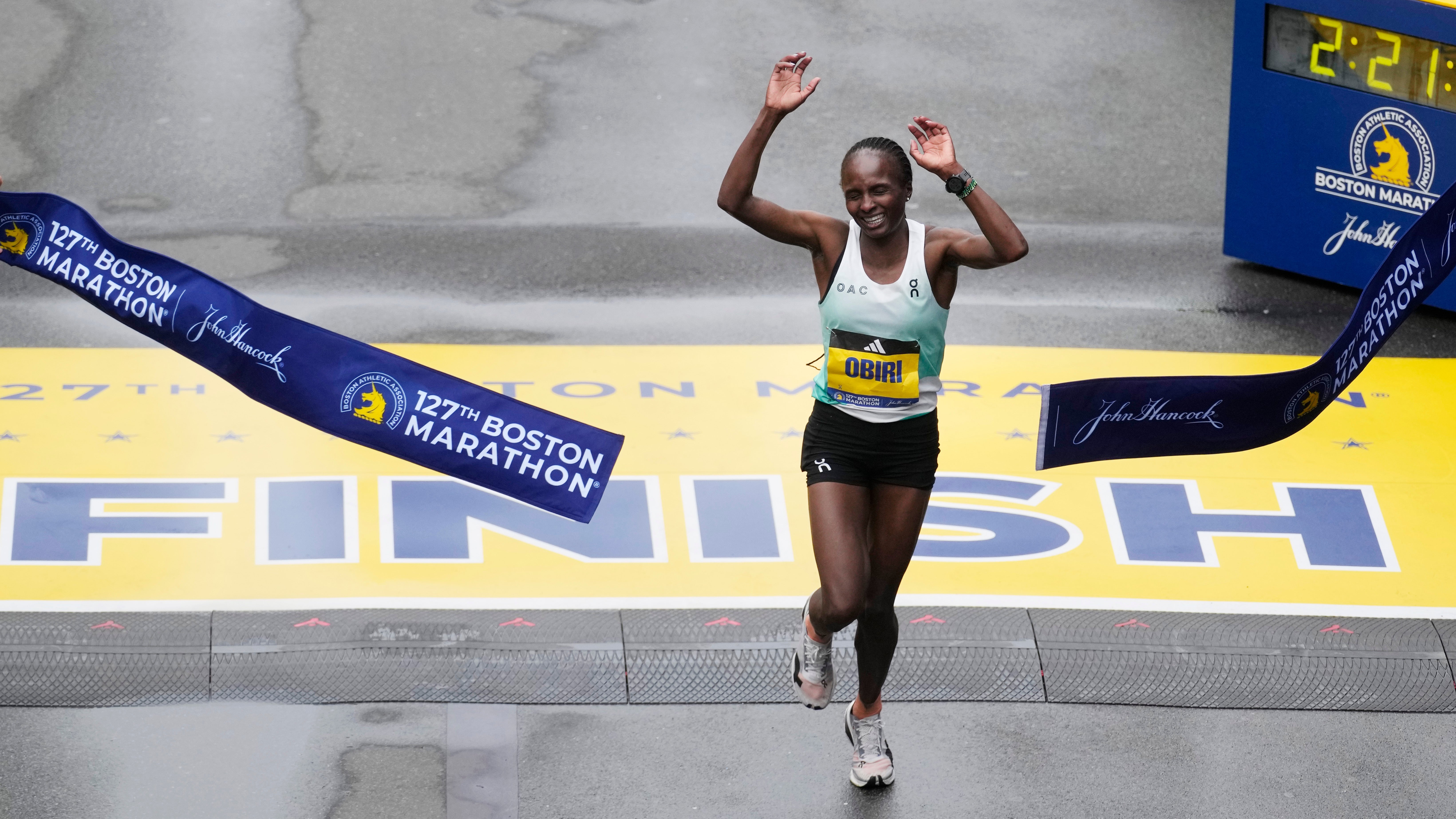
While the official prize money is a crucial component of a Boston Marathon winner’s earnings, it is by no means the sole source of their financial gain. Elite athletes leverage their victories and performances to secure additional income streams, transforming a single race win into a sustained career.
Endorsements and Sponsorship Deals
A victory at the Boston Marathon instantly elevates an athlete’s profile on the global stage. This heightened visibility makes them highly attractive to sports apparel companies, shoe manufacturers, and other brands seeking to associate with success and athletic excellence. The winner can negotiate lucrative endorsement deals that provide a steady income far exceeding the race prize money itself. These contracts can involve appearing in advertisements, promoting products, and serving as brand ambassadors. For many top runners, these endorsement opportunities are the bedrock of their professional careers, enabling them to focus on training and competition without the constant pressure of financial insecurity. The prestige of winning a race like the Boston Marathon lends significant credibility to these endorsements.
Appearance Fees and Speaking Engagements
Beyond product endorsements, successful marathoners often command appearance fees for participating in other races, attending sporting events, or giving motivational talks. A Boston Marathon title can open doors to invitations from races worldwide, where organizers are willing to pay a premium for the presence of a champion. Furthermore, the inspiring stories of perseverance and achievement associated with elite athletes make them sought-after speakers at corporate events, schools, and community gatherings. These engagements not only provide a valuable income but also allow athletes to share their passion for running and inspire others, further solidifying their brand and impact. The narrative of triumph over adversity inherent in marathon running is a powerful draw for speaking engagements.
Investment and Future Opportunities
For some elite athletes, prize money and endorsement earnings provide the capital for future investments or the establishment of their own ventures. This could include investing in real estate, starting a coaching business, developing athletic apparel lines, or supporting emerging talent. The financial literacy and discipline honed through years of professional training often translate into savvy business acumen. A Boston Marathon win can be a significant stepping stone, providing the financial foundation and the credibility needed to pursue these entrepreneurial endeavors, ensuring a long-term career beyond their competitive running days. The discipline required for marathon training is often a transferable skill in the business world.
The Intrinsic Rewards of Winning
While the financial aspect of winning the Boston Marathon is undeniably significant, it is crucial to acknowledge the profound intrinsic rewards that come with such an accomplishment. These elements contribute to the enduring legacy and personal fulfillment of the athletes.
Legacy and Historical Significance
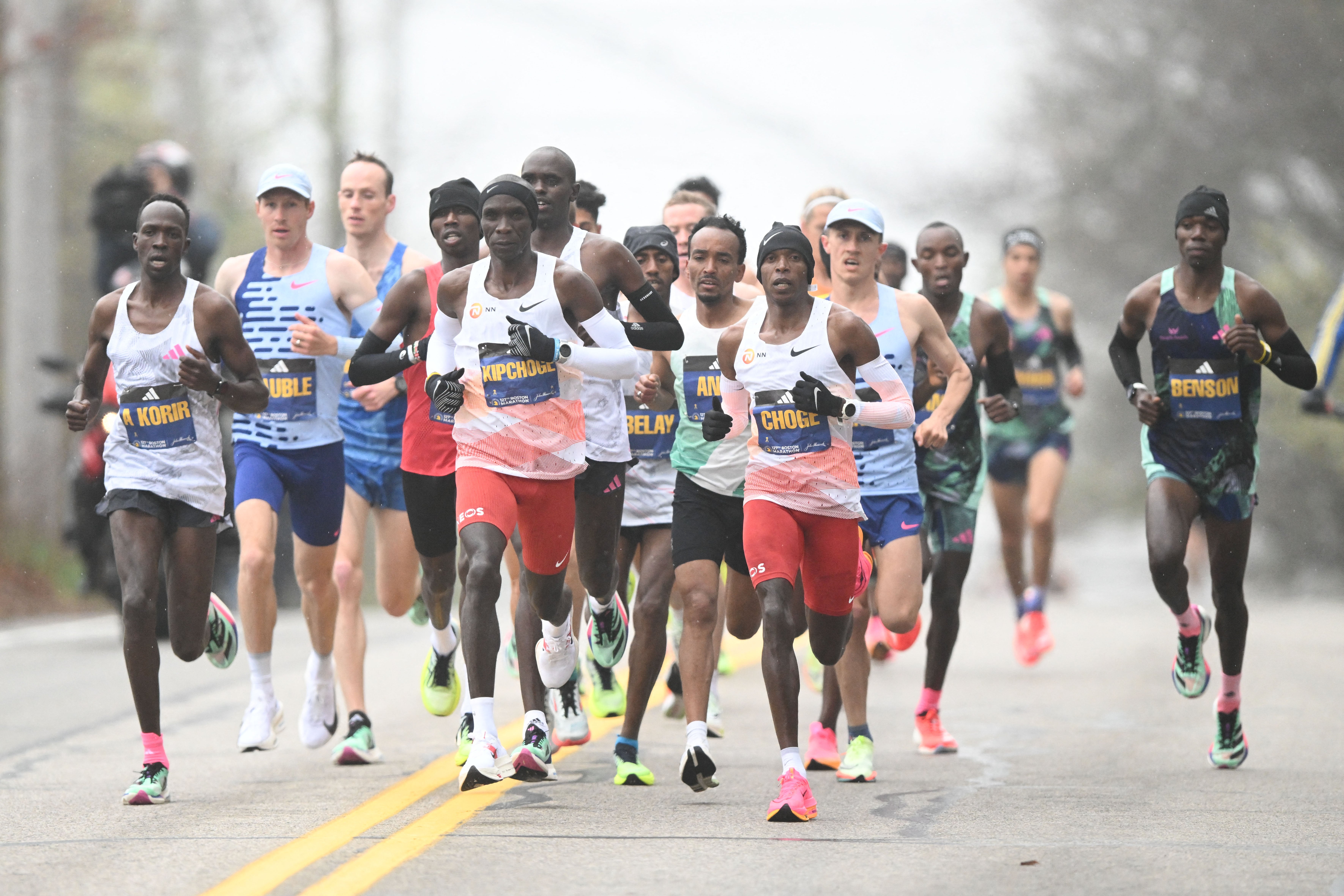
The Boston Marathon, established in 1897, is the world’s oldest annual marathon. Winning this race places an athlete’s name in a lineage of legendary runners, etching their performance into the annals of sporting history. The prestige of conquering the challenging course, navigating the hills of Newton, Massachusetts, and crossing the finish line on Boylston Street in Boston is an unparalleled achievement. This historical significance provides a sense of belonging to something larger than oneself, a connection to generations of runners who have tested their limits on the same iconic route. The stories of past champions, like Bill Rodgers and Joan Benoit Samuelson, serve as enduring inspiration.
Personal Fulfillment and Dedication
For elite marathoners, the journey to the starting line of the Boston Marathon is one of years, often decades, of relentless training, sacrifice, and unwavering dedication. Winning is the culmination of countless early mornings, rigorous workouts, strict diets, and the constant battle against fatigue and injury. The personal fulfillment derived from achieving such a monumental goal, from pushing the human body and mind to their absolute limits and emerging victorious, is a reward that transcends monetary value. It is a testament to their resilience, their passion, and their profound commitment to the sport they love. The mental fortitude required to endure 26.2 miles is as significant as the physical.
LifeOutOfTheBox is a participant in the Amazon Services LLC Associates Program, an affiliate advertising program designed to provide a means for sites to earn advertising fees by advertising and linking to Amazon.com. Amazon, the Amazon logo, AmazonSupply, and the AmazonSupply logo are trademarks of Amazon.com, Inc. or its affiliates. As an Amazon Associate we earn affiliate commissions from qualifying purchases.