
The allure of the Hawaiian Islands beckons millions of travelers each year, promising sun-drenched beaches, lush volcanic landscapes, and a vibrant cultural tapestry. For those residing on the mainland United States, particularly in California, the question isn’t if they’ll visit Hawaii, but when and, perhaps most importantly, “How far is it really?” This question is more than a simple geographical query; it encompasses the journey, the time, the cost, and the profound transition from the bustling cities of North America to the serene paradise of the mid-Pacific Ocean.
Understanding the distance between California and Hawaii is the first step in planning an unforgettable island escape. It helps set expectations for travel time, budgeting, and appreciating the sheer scale of this oceanic adventure. From the major departure hubs like Los Angeles and San Francisco to the welcoming shores of Honolulu or Maui, the journey covers a substantial expanse of water, bridging two distinct worlds.
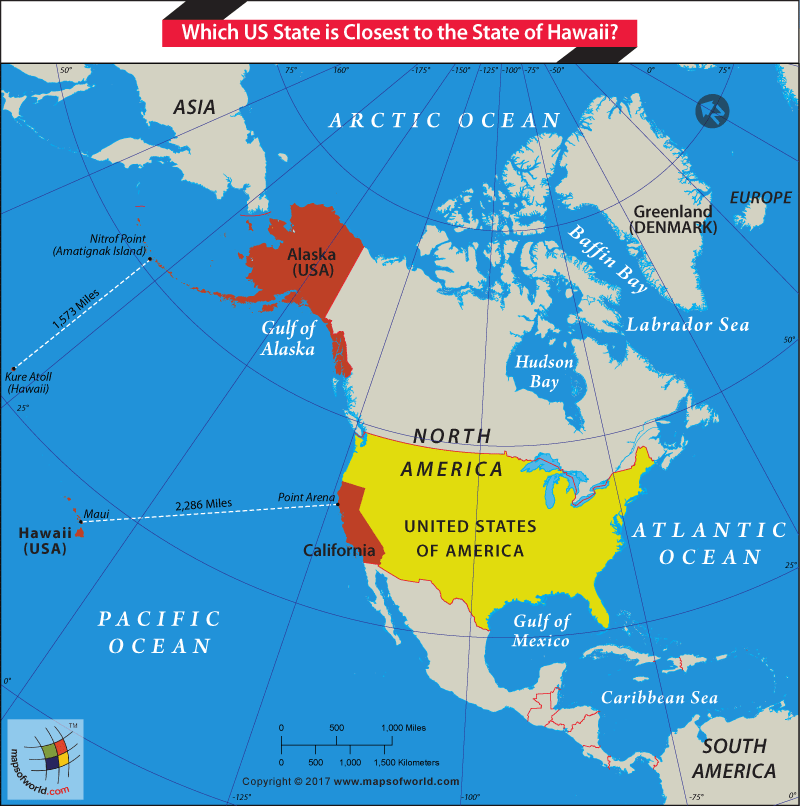
The Vast Expanse: Understanding the Distance
The distance separating California from Hawaii is significant, underscoring Hawaii’s isolation as the most remote island chain in the world. This geographical solitude is precisely what contributes to its unique ecosystems and cultural identity, far removed from continental influences.
The Nautical and Aerial Miles
When speaking of distances across an ocean, measurements are typically given in nautical miles for maritime travel and statute miles (or kilometers) for air travel. The primary gateway to Hawaii for most travelers is Honolulu, located on the island of Oahu.
- From Los Angeles (LAX) to Honolulu (HNL): Approximately 2,550 statute miles (4,104 kilometers) or 2,216 nautical miles.
- From San Francisco (SFO) to Honolulu (HNL): Roughly 2,390 statute miles (3,846 kilometers) or 2,077 nautical miles.
- From San Diego (SAN) to Honolulu (HNL): Around 2,620 statute miles (4,216 kilometers) or 2,277 nautical miles.
These distances represent the most direct routes over the Pacific Ocean. While Honolulu is the most common arrival point, direct flights also serve other major Hawaiian islands such as Maui (Kahului Airport – OGG), Kauai (Lihue Airport – LIH), and the Big Island (Kona International Airport – KOA, and Hilo International Airport – ITO). The distances to these islands are comparable, varying slightly based on their individual positions within the archipelago.
Geographical Context: An Oceanic Journey
This substantial distance means that a trip from California to Hawaii is not just a hop across a bay but a genuine oceanic crossing. It spans a vast, uninterrupted stretch of the Pacific Ocean, historically navigated by skilled Polynesians using sophisticated celestial navigation long before modern technology. This context helps travelers appreciate the journey itself as part of the adventure. The journey involves crossing multiple time zones, typically a two or three-hour difference, depending on the time of year due to Daylight Saving Time observed in California but not in Hawaii.
Navigating the Pacific: Modes of Travel
The primary modes of travel between California and Hawaii are air travel and ocean voyages. Each offers a distinct experience, catering to different travel preferences and budgets.
Air Travel: The Most Popular Choice
For the vast majority of visitors, flying is the most practical and time-efficient way to reach Hawaii. The journey by air typically takes between 5 to 6 hours from major California airports to Honolulu or other Hawaiian island airports.
- Airlines and Routes: Numerous airlines offer direct flights from cities like Los Angeles, San Francisco, San Diego, Oakland, and Sacramento to various Hawaiian islands. Major carriers include Hawaiian Airlines, United Airlines, Delta Airlines, American Airlines, and Southwest Airlines. The competition among these airlines often leads to competitive pricing, especially outside of peak travel seasons.
- Travel Time: While the flight itself is 5-6 hours, the overall travel experience, including check-in, security, boarding, deplaning, and transfer to accommodation, can easily extend to 8-10 hours. It’s an entire day dedicated to travel, meaning proper planning for comfort and connectivity is essential.
- Aircraft: Modern commercial airliners, primarily wide-body jets like the Boeing 787 Dreamliner, Boeing 777, or Airbus A330, are used for these trans-Pacific routes, designed for comfort and efficiency over long distances. In-flight entertainment, meal services (depending on the airline and class), and Wi-Fi are common amenities that enhance the experience.
- Booking Tips: For optimal pricing, booking flights several months in advance is advisable, especially for peak seasons like summer, holidays, or school breaks. Being flexible with travel dates and considering mid-week flights can also yield significant savings. Travel websites and price comparison tools are invaluable for finding the best deals on airfare, often bundling flights with hotel accommodations.
Ocean Voyages: A Leisurely Alternative
While less common than flying, cruises offer a unique and luxurious way to travel from California to Hawaii. These voyages are not merely transportation but an integral part of the vacation experience, featuring days at sea interspersed with port calls on various islands.
- Cruise Lines and Itineraries: Several cruise lines, including Princess Cruises, Norwegian Cruise Line, and Carnival Cruise Line, offer itineraries to Hawaii from California ports like Los Angeles, San Diego, and San Francisco. These typically range from 10 to 18 days, with several sea days at the beginning and end of the journey, and multiple stops in Hawaii (e.g., Honolulu, Maui, Kauai, Kona on the Big Island).
- Experience: Cruising provides a relaxed pace, with ample opportunities for onboard activities, dining, entertainment, and simply enjoying the vastness of the Pacific Ocean. It eliminates the need for multiple flights and hotel transfers within Hawaii, as your accommodation travels with you.
- Considerations: Cruising is a longer commitment in terms of time and can sometimes be more expensive than flying, depending on the cabin choice and itinerary. However, it often includes accommodation, meals, and entertainment in one package, offering excellent value for those who enjoy the cruise lifestyle. It’s a fantastic option for multi-generational family trips or those seeking a more luxurious, unhurried journey.
Planning Your Hawaiian Escape: Logistics and Lifestyle
Beyond understanding the distance and modes of travel, planning a trip to Hawaii from California involves a deeper dive into logistics, accommodation, and tailoring the experience to your desired lifestyle. The diverse offerings across the islands mean there’s a perfect Hawaiian adventure for every type of traveler.
Key Hawaiian Islands and Their Charms
Each of Hawaii’s main islands offers a distinct personality and unique attractions. Deciding which island (or islands) to visit is a crucial step in planning.
- Oahu: The Gathering Place
- Home to the state capital, Honolulu, and iconic landmarks like Waikiki Beach, Diamond Head, and Pearl Harbor. Oahu offers a blend of vibrant city life, historical sites, and world-class surfing on the North Shore. Ideal for first-time visitors, families, and those seeking a dynamic mix of culture and relaxation.
- Maui: The Valley Isle
- Renowned for its stunning beaches, the scenic Road to Hana, and the majestic sunrise from Haleakala National Park. Maui is perfect for romantic getaways, luxury travel, and outdoor enthusiasts interested in snorkeling, whale watching, and hiking.
- Kauai: The Garden Isle
- Characterized by its dramatic, lush landscapes, including the breathtaking Na Pali Coast and the vast Waimea Canyon State Park. Kauai appeals to adventurers, nature lovers, and those seeking a more tranquil, off-the-beaten-path experience. Hiking the Kalalau Trail or taking a helicopter tour are unforgettable experiences.
- Big Island of Hawaii: The Orchid Isle
- The largest and geologically youngest island, offering incredible diversity from volcanic deserts to snow-capped peaks. Home to Hawaii Volcanoes National Park, black sand beaches, and the vibrant towns of Kailua-Kona and Hilo. Ideal for exploring active volcanoes, stargazing, and experiencing diverse microclimates.
Accommodation Choices: From Luxury Resorts to Boutique Stays
Hawaii boasts a vast array of accommodation options to suit every budget and style, from sprawling luxury resorts to cozy vacation rentals and boutique hotels.
- Luxury Resorts: For those seeking an indulgent lifestyle, Hawaii offers world-class resorts with lavish suites, infinity pools, fine dining, and exclusive amenities. Examples include the Four Seasons Resort Maui at Wailea, the Grand Hyatt Kauai Resort & Spa, The Ritz-Carlton, Kapalua, or the iconic Hilton Hawaiian Village Waikiki Beach Resort and Aulani, A Disney Resort & Spa for family trips on Oahu. These resorts often provide extensive guides and concierge services for local attractions and experiences.
- Mid-Range Hotels: A multitude of comfortable and well-located hotels offer excellent value, providing a balance of amenities and affordability. Many include pools, restaurants, and easy access to beaches and popular sites.
- Vacation Rentals (Apartments, Villas): For longer stays, family trips, or those preferring a more independent travel style, booking an apartment or villa through platforms like Airbnb or VRBO is an excellent choice. This allows for self-catering, which can be a significant budget saver on food costs, and offers a glimpse into local living. Reviews and comparisons are essential when choosing.
- Budget Accommodation: Hostels, guesthouses, and smaller inns provide economical options for budget travelers, particularly in areas like Honolulu or near surfing towns. Camping is also an option in designated parks for the truly adventurous.
Booking well in advance, especially during peak seasons, is crucial for securing preferred accommodation and potentially better rates. Utilizing comparison websites and reviewing guest feedback can greatly aid in the decision-making process.
Budgeting Your Trip: Flights, Stays, and Experiences
A trip to Hawaii from California can range from a budget-conscious adventure to an opulent luxury retreat. Understanding the key cost components is vital:
- Flights: As mentioned, booking early and being flexible can save hundreds of dollars. Expect to pay anywhere from $400 to $800+ round trip per person from California to Hawaii, depending on the season and deals.
- Accommodation: This is often the largest variable. Budget options might start from $80-$150 per night for hostels or basic rooms, while mid-range hotels typically fall between $200-$400. Luxury resorts can easily exceed $500-$1000+ per night.
- Food: Dining out in Hawaii can be expensive, especially at tourist-heavy locations. Budget for $60-$100+ per person per day if eating out for most meals. Saving money by utilizing grocery stores (Costco and local supermarkets are prevalent), cooking some meals in a rental, and seeking out local food trucks or farmers’ markets is a smart tip. Don’t miss trying local delicacies like poke, fresh fruit, and plate lunches.
- Transportation: Renting a car is highly recommended for exploring the islands, especially Maui, Kauai, and the Big Island. Car rental costs vary, but budgeting $50-$100+ per day, plus fuel, is realistic. On Oahu, public transport (TheBus) is an option, and ride-shares are available, especially in Honolulu.
- Activities and Excursions: From surfing lessons and snorkeling tours to luaus and helicopter rides, activities can add up. Factor in entrance fees for parks, historical sites, and any planned excursions. Many natural landmarks, however, offer free or low-cost access.
For families, considering packages that bundle flights, hotels, and sometimes car rentals can offer significant savings. Budget travelers can opt for hostels, cook their own meals, and focus on free natural attractions. Luxury travelers will find no shortage of high-end experiences, from private villas to exclusive tours.
Beyond the Miles: What Awaits You in Hawaii
The journey from California to Hawaii is more than a physical crossing; it’s a gateway to an entirely different way of life, rich in culture, natural beauty, and unique experiences.
Immerse in Local Culture and Cuisine
Hawaii’s culture is a vibrant fusion of ancient Polynesian traditions, Asian influences, and Western contributions. Visitors have ample opportunities for tourism that goes beyond mere sightseeing:
- Luaus: An essential Hawaiian experience, a luau combines traditional food (like Kalua pork and poi), hula dancing, and storytelling, offering a festive insight into Hawaiian heritage.
- Food: Beyond the luau, explore the local food scene. Try fresh poke bowls, shave ice, plate lunches, and the abundant fresh seafood. Farmers’ markets are excellent places to sample local produce and artisanal goods.
- Language and Traditions: Learning a few basic Hawaiian phrases (“Aloha” for hello/goodbye/love, “Mahalo” for thank you) can enhance your interactions. Respecting local customs and the concept of malama ‘aina (caring for the land) is paramount.
- Arts and Crafts: Explore local galleries and markets for authentic Hawaiian crafts, from leis and koa wood carvings to aloha wear.
Exploring Natural Wonders and Landmarks
Hawaii is a geological marvel, boasting an unparalleled array of natural landmarks and outdoor activities.
- Beaches: From the white sands of Waikiki to the black sands of Punalu’u and the red sands of Kaihalulu, Hawaii’s beaches are legendary for swimming, surfing, snorkeling, and sunbathing.
- Volcanoes: Witnessing the raw power of nature at Hawaii Volcanoes National Park on the Big Island is a humbling experience. On Maui, catching the sunrise from Haleakala is equally spectacular.
- Lush Landscapes: Hike through verdant rainforests on Kauai’s Na Pali Coast, explore botanical gardens, or discover hidden waterfalls along the Road to Hana.
- Marine Life: The warm Pacific waters teem with marine life. Snorkeling and diving reveal vibrant coral reefs, sea turtles, and colorful fish. During winter months, whale watching tours offer a chance to see majestic humpback whales.
Each island offers its own set of famous places and natural wonders, ensuring that every visit can be a unique exploration of nature’s grandeur and historical depth.
Making the Journey from California to Hawaii
The distance from California to Hawaii is substantial, averaging around 2,500 miles, making it a significant journey across the Pacific Ocean. However, this distance is easily traversed by modern air travel in about 5-6 hours, transforming a once formidable expedition into an accessible escape. For those with more time and a desire for a leisurely pace, a cruise offers a captivating alternative, turning the journey itself into a luxurious part of the vacation.
Regardless of how you choose to make the crossing, the reward is an unparalleled travel experience. Hawaii offers a rich tapestry of destinations, attractions, and cultural experiences, supported by a wide array of accommodation options from opulent resorts to charming boutique stays. Whether you’re planning a luxury trip, a family vacation, or a budget-friendly adventure, understanding the logistics and embracing the journey will set the stage for an unforgettable Hawaiian escape. The distance may be great, but the beauty and magic that await in Hawaii are truly limitless.
LifeOutOfTheBox is a participant in the Amazon Services LLC Associates Program, an affiliate advertising program designed to provide a means for sites to earn advertising fees by advertising and linking to Amazon.com. Amazon, the Amazon logo, AmazonSupply, and the AmazonSupply logo are trademarks of Amazon.com, Inc. or its affiliates. As an Amazon Associate we earn affiliate commissions from qualifying purchases.