
The Boston butt, a revered cut of pork from the shoulder of the hog, is a true champion of slow cooking. Its rich marbling and connective tissue break down beautifully over low heat, resulting in incredibly tender, succulent, and flavorful meat. While it can be prepared in various ways, the crock pot (or slow cooker) emerges as a modern culinary hero, transforming this already magnificent cut into a stress-free, set-it-and-forget-it masterpiece. This method is particularly appealing for travelers and locals alike who appreciate delicious, authentic regional flavors without the fuss of constant attention, making it an ideal dish for gatherings, tailgates, or simply a comforting weeknight meal. Its versatility also makes it a cornerstone of Southern cuisine, often found gracing tables at festivals and family reunions across the United States.

The Art of Slow-Cooked Pork: Understanding the Boston Butt
Before diving into the cooking process, it’s essential to understand what a Boston butt truly is. Contrary to what the name might suggest, it does not come from the rear end of the pig; rather, it is a cut from the upper part of the shoulder, extending to the base of the neck. This primal cut is characterized by a significant amount of intramuscular fat and collagen, the secret ingredients that yield that signature melt-in-your-mouth texture after prolonged, gentle cooking. The term “butt” historically referred to a specific way of packing and storing pork cuts in a barrel, or “butt,” in Colonial America. For those exploring culinary tourism, understanding these nuances adds depth to the appreciation of regional specialties.
Selecting the Perfect Boston Butt
When sourcing your Boston butt, look for a piece that is well-marbled with fat. The fat will render during the slow cooking process, basting the meat and contributing to its incredible moisture and flavor. A typical Boston butt can range from 3 to 8 pounds. For a crock pot, a 4-6 pound roast is generally ideal, as it will fit comfortably and allow for even cooking. If purchasing from a butcher, don’t hesitate to ask for their recommendation or if they have a preferred cut for slow cooking.
The Flavor Foundation: Seasoning and Rubs
The magic of a Boston butt is often amplified by a well-crafted rub. This is where personal preference and regional influences truly shine. A classic Southern rub typically includes a combination of brown sugar, paprika, salt, black pepper, garlic powder, onion powder, and cayenne pepper for a touch of heat. Some variations might incorporate chili powder, cumin, or even coffee grounds for added depth. The goal is to create a flavorful crust that will develop as the pork cooks.
Rubbing Techniques for Optimal Flavor
Applying the rub is a crucial step. Ensure the Boston butt is patted dry with paper towels, which helps the rub adhere better. Then, generously coat the entire surface of the roast, working it into any crevices. For an even deeper flavor penetration, you can allow the rubbed pork to sit in the refrigerator for at least an hour, or preferably overnight. This resting period allows the salt in the rub to begin breaking down the proteins in the meat, leading to a more tender and flavorful result, much like a dry brine.
Mastering the Crock Pot: The Slow Cooking Process
The crock pot is perfectly suited for the Boston butt due to its ability to maintain a consistent, low temperature over an extended period. This gentle heat is precisely what’s needed to break down the tough connective tissues in the pork shoulder, transforming them into gelatin and resulting in fork-tender meat. The lid of the crock pot seals in moisture, creating a steamy environment that further aids in the tenderization process. This makes it an indispensable tool for anyone looking to replicate restaurant-quality slow-cooked pork at home, whether they are residents or visiting a new city like Charleston, South Carolina, known for its culinary heritage.
Preparing the Crock Pot
There’s no need for elaborate preparations. Simply place your seasoned Boston butt into the crock pot. You can add a small amount of liquid to the bottom of the crock pot to create steam and prevent the meat from sticking, though it’s often not strictly necessary as the pork will release its own juices. Common liquids include chicken broth, beef broth, apple cider, or even a bit of water. Some chefs advocate for adding a few chunks of onion or garlic to the bottom of the pot for added aromatic flavor.
Cooking Temperatures and Times
The beauty of slow cooking is its forgiving nature. For a Boston butt, there are two primary settings: “low” and “high.”
- Low Setting: Cooking on “low” is the preferred method for maximum tenderness and flavor. It typically takes 8-10 hours for a 4-6 pound roast. The meat will be incredibly tender, easily shreddable with a fork.
- High Setting: If you’re pressed for time, you can cook on “high,” which will reduce the cooking time to approximately 4-6 hours. However, the meat may not be quite as tender as when cooked on low, and the risk of drying out is slightly higher.
Regardless of the setting, the internal temperature of the pork should reach at least 195-205°F (90-96°C) for optimal shredding. A meat thermometer is an invaluable tool for ensuring your Boston butt is perfectly cooked.
The Importance of the Lid

Keeping the crock pot lid on throughout the cooking process is paramount. Each time the lid is lifted, the temperature inside can drop significantly, extending the cooking time. Resist the urge to peek too often; trust the process and the reliable heat of your slow cooker.
Achieving Perfect Tenderness and Flavor Extraction
Once the cooking cycle is complete, the Boston butt will likely be fall-apart tender. The process of extracting this tenderness and maximizing the flavor involves a few key steps, often referred to as “finishing” the meat. This is where the transformation from a cooked roast to delectable pulled pork truly happens.
Resting the Pork
Before shredding, it’s crucial to let the Boston butt rest. Tent it loosely with foil and let it sit for about 15-30 minutes. This resting period allows the juices to redistribute throughout the meat, preventing them from escaping when you start shredding, thus ensuring a moist and succulent final product. This step is as vital in home kitchens as it is in the high-end dining rooms of a New York City steakhouse.
Shredding and Pulling the Pork
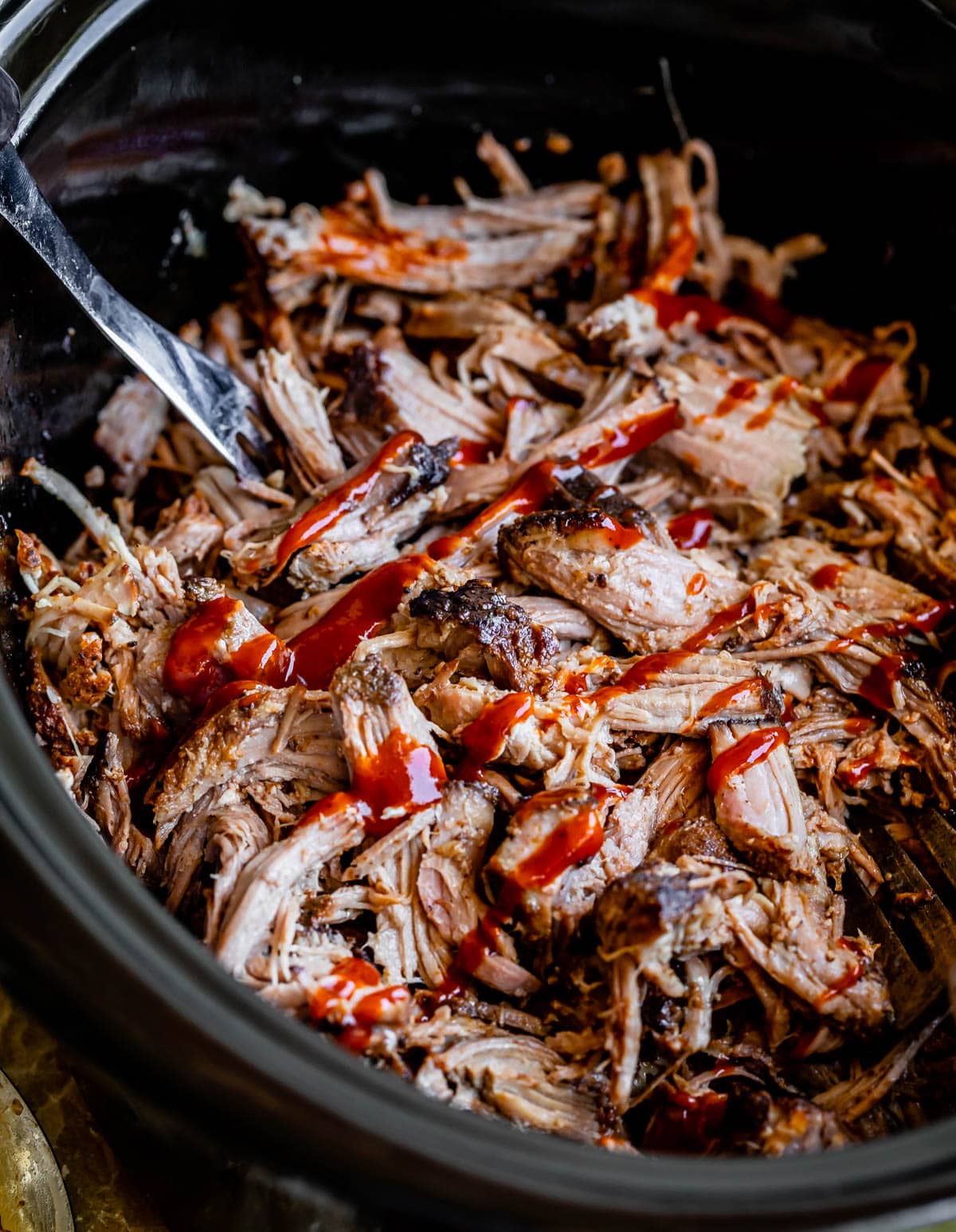
With a Boston butt cooked to perfection in the crock pot, shredding is remarkably easy. You can use two forks to pull the meat apart, or for a more uniform texture, a pair of meat claws or even a stand mixer with a paddle attachment can be used. The fat and collagen will have rendered down, leaving you with incredibly tender strands of pork.
Incorporating Juices and Sauces
The liquid that accumulates at the bottom of the crock pot is packed with flavor. Skim off any excess fat, and then you can either mix some of this flavorful liquid back into the shredded pork to keep it moist or use it as a base for a sauce. This is also the point where you can introduce your favorite barbecue sauce. Whether you prefer a tangy vinegar-based sauce, a sweet tomato-based sauce, or a mustard-based sauce, add it to the shredded pork and toss to coat. Allow the flavors to meld for a few minutes before serving.
Serving Suggestions and Culinary Applications
The beauty of crock pot Boston butt lies in its incredible versatility. Once shredded and sauced, it can be enjoyed in a myriad of ways, catering to various tastes and occasions, from casual backyard barbecues to more formal culinary events. This adaptability makes it a favorite among home cooks and culinary professionals alike, including those working in the bustling kitchens of Chicago.
Classic Pulled Pork Sandwiches
The most iconic application is the pulled pork sandwich. Pile the sauced, shredded pork high on a toasted bun, perhaps with a side of coleslaw for a delightful contrast in textures and temperatures. This is a staple at many American sporting events and picnics.
Beyond the Bun: Creative Uses
- Tacos and Nachos: The seasoned pulled pork makes an excellent filling for tacos or a delectable topping for nachos, layered with cheese, salsa, and your favorite accompaniments.
- Quesadillas: Mix the pulled pork with cheese and grill between tortillas for a hearty and flavorful quesadilla.
- Salads and Bowls: Add a scoop of pulled pork to a fresh salad or a grain bowl for a protein-packed meal.
- Stuffed Potatoes or Sweet Potatoes: The rich flavor of the pork complements the earthy sweetness of baked potatoes or sweet potatoes beautifully.
- Pizza Topping: For the adventurous, pulled pork can be an innovative and delicious pizza topping, especially when paired with a smoky or barbecue-style sauce.
Pairing with Side Dishes
No Boston butt meal is complete without the perfect sides. Classic pairings include creamy coleslaw, baked beans, macaroni and cheese, cornbread, potato salad, and a crisp green salad. The richness of the pork is beautifully balanced by these comforting and familiar accompaniments, creating a truly satisfying dining experience.
A Culinary Ambassador
The Boston butt, prepared in the crock pot, is more than just a meal; it’s a testament to the power of simple ingredients and patient cooking. It embodies the spirit of hospitality and shared enjoyment, making it a perfect dish for any gathering, whether you’re a seasoned traveler seeking authentic local flavors or a home cook looking to impress. Its journey from a humble cut of pork to a crowd-pleasing favorite is a culinary story worth savoring.
LifeOutOfTheBox is a participant in the Amazon Services LLC Associates Program, an affiliate advertising program designed to provide a means for sites to earn advertising fees by advertising and linking to Amazon.com. Amazon, the Amazon logo, AmazonSupply, and the AmazonSupply logo are trademarks of Amazon.com, Inc. or its affiliates. As an Amazon Associate we earn affiliate commissions from qualifying purchases.