
The slow cooker, that humble kitchen workhorse, is an indispensable tool for transforming tough cuts of meat into tender, succulent masterpieces. Among these, the Boston butt, also known as a pork shoulder, stands out as a prime candidate for slow cooking. Its generous marbling of fat and connective tissue breaks down beautifully over extended periods, yielding incredibly flavorful and fall-apart tender results. This cut is a staple in many culinary traditions, particularly in the American South, where it forms the heart of authentic pulled pork for sandwiches, tacos, and so much more. Mastering the slow cooker method for a Boston butt not only elevates your home cooking but also offers a gateway into understanding the nuances of barbecue and slow-cooked meats, a cornerstone of many local food cultures.

Understanding the Boston Butt
Before diving into the cooking process, it’s crucial to understand what a Boston butt is and why it’s so well-suited for slow cooking. The Boston butt is a primal cut from the upper portion of the pork shoulder, extending from the neck to the top of the front leg. It’s characterized by a substantial amount of intramuscular fat (marbling) and a significant amount of connective tissue, primarily collagen. These elements are key to its transformation in a slow cooker.
The Science of Slow Cooking Pork Shoulder
During the low and slow cooking process, the heat gently renders the fat, infusing the meat with moisture and flavor. The collagen, a tough protein found in connective tissues, gradually breaks down into gelatin. This gelatin is what gives slow-cooked pork shoulder its characteristic unctuous texture and rich mouthfeel. Unlike leaner cuts that can become dry and tough when cooked for extended periods, the Boston butt thrives under these conditions, becoming more tender and flavorful the longer it cooks at a low temperature.
Choosing Your Boston Butt
When selecting a Boston butt, look for a piece that is at least 3 to 5 pounds. The size will influence your cooking time. A good indicator of quality is the amount of marbling visible throughout the cut. Some Boston butts come with the bone in, while others are boneless. The bone-in variety can sometimes yield slightly more flavor due to the marrow and proximity of the bone to the meat, but both will produce excellent results in a slow cooker. Many butchers will also offer trimmed versions, but opting for one with a decent fat cap will contribute significantly to the final flavor and moisture.
Preparing the Boston Butt for the Slow Cooker
The preparation phase is where you infuse the Boston butt with the foundational flavors that will develop during the slow cooking process. While simple is often best, there are several approaches to seasoning this versatile cut.
The Rub: A Foundation of Flavor
A dry rub is a classic and highly effective way to season a Boston butt. It adheres to the surface of the meat and, as it cooks, the spices meld with the rendered fat and juices. A basic rub typically includes:
- Salt: Essential for enhancing all other flavors and helping to tenderize the meat.
- Black Pepper: Adds a pleasant bite and warmth.
- Paprika: Provides color and a mild, sweet pepper flavor. Smoked paprika can add an extra layer of smoky depth.
- Garlic Powder and Onion Powder: These aromatics form a savory base.
- Optional Spices: Depending on your desired flavor profile, you might add brown sugar for a touch of sweetness and caramelization, chili powder for heat, cumin for an earthy note, or even a touch of cayenne for a bolder spice.
To apply the rub, liberally coat the entire Boston butt, ensuring all sides are covered. Gently press the rub into the meat with your hands.
The Sear: Building a Deeper Flavor Profile
While not strictly necessary for a slow cooker, searing the Boston butt before it goes into the pot can add a significant depth of flavor and improve the color of the finished product. This process, known as the Maillard reaction, creates complex, savory notes on the surface of the meat.
To sear, heat a tablespoon or two of high-smoke-point oil (like canola or vegetable oil) in a heavy-bottomed skillet or Dutch oven over medium-high heat. Pat the Boston butt dry with paper towels to ensure a good sear. Sear the butt on all sides until a deep brown crust forms. This typically takes about 2-3 minutes per side. Don’t overcrowd the pan; if necessary, sear in batches.
The Liquid Base: Moisture and Aromatics
The slow cooker environment relies on moisture to cook the meat gently and prevent it from drying out. While the Boston butt will release its own juices, adding a liquid base enhances flavor and ensures a moist cooking environment. Common choices include:
- Broth: Chicken, beef, or vegetable broth can add subtle savory notes.
- Apple Cider or Juice: The slight sweetness and acidity can help tenderize the meat and complement the pork flavor beautifully.
- Beer: A darker beer, like a stout or porter, can add rich, malty undertones.
- Water: A neutral option if you prefer the flavor to come solely from the rub and the meat itself.
In addition to the liquid, you can add aromatic ingredients directly to the slow cooker to further infuse the meat. Sliced onions, garlic cloves, bay leaves, or sprigs of rosemary and thyme are excellent choices.

The Slow Cooking Process
Once prepped, the Boston butt is ready for its transformation in the slow cooker. The key to success is low and slow cooking, allowing ample time for the meat to become incredibly tender.
Setting Up the Slow Cooker
Place the seared (or unseared) Boston butt into your slow cooker. If you seared the meat, deglaze the pan with your chosen liquid and pour any accumulated flavorful bits into the slow cooker. Add your liquid base, ensuring it comes about one-quarter to one-third of the way up the side of the Boston butt. Tuck in any aromatics like onions or garlic.
Cooking Times and Temperatures
The general rule of thumb for cooking a Boston butt in a slow cooker is:
- Low Setting: 8-10 hours for a 3-4 pound Boston butt.
- High Setting: 4-6 hours for a 3-4 pound Boston butt.
It’s important to remember that these are estimates, and cooking times can vary depending on your specific slow cooker model, the size and density of the Boston butt, and whether it’s bone-in or boneless.
When is it done? The best indicator of doneness is not time, but tenderness. The Boston butt is ready when it can be easily shredded with a fork. When you insert a fork into the thickest part of the meat and twist, it should yield with minimal resistance, and the meat should begin to fall apart. An internal temperature of around 195-205°F (90-96°C) is generally considered ideal for shredding. Avoid the temptation to rush the process by cooking at too high a temperature, as this can result in dry, tough meat.
Resting and Shredding
Once the Boston butt has reached the desired tenderness, remove it from the slow cooker. Place it on a large cutting board or baking sheet. Let it rest for at least 15-30 minutes before shredding. This resting period allows the juices to redistribute throughout the meat, ensuring maximum moisture and flavor.
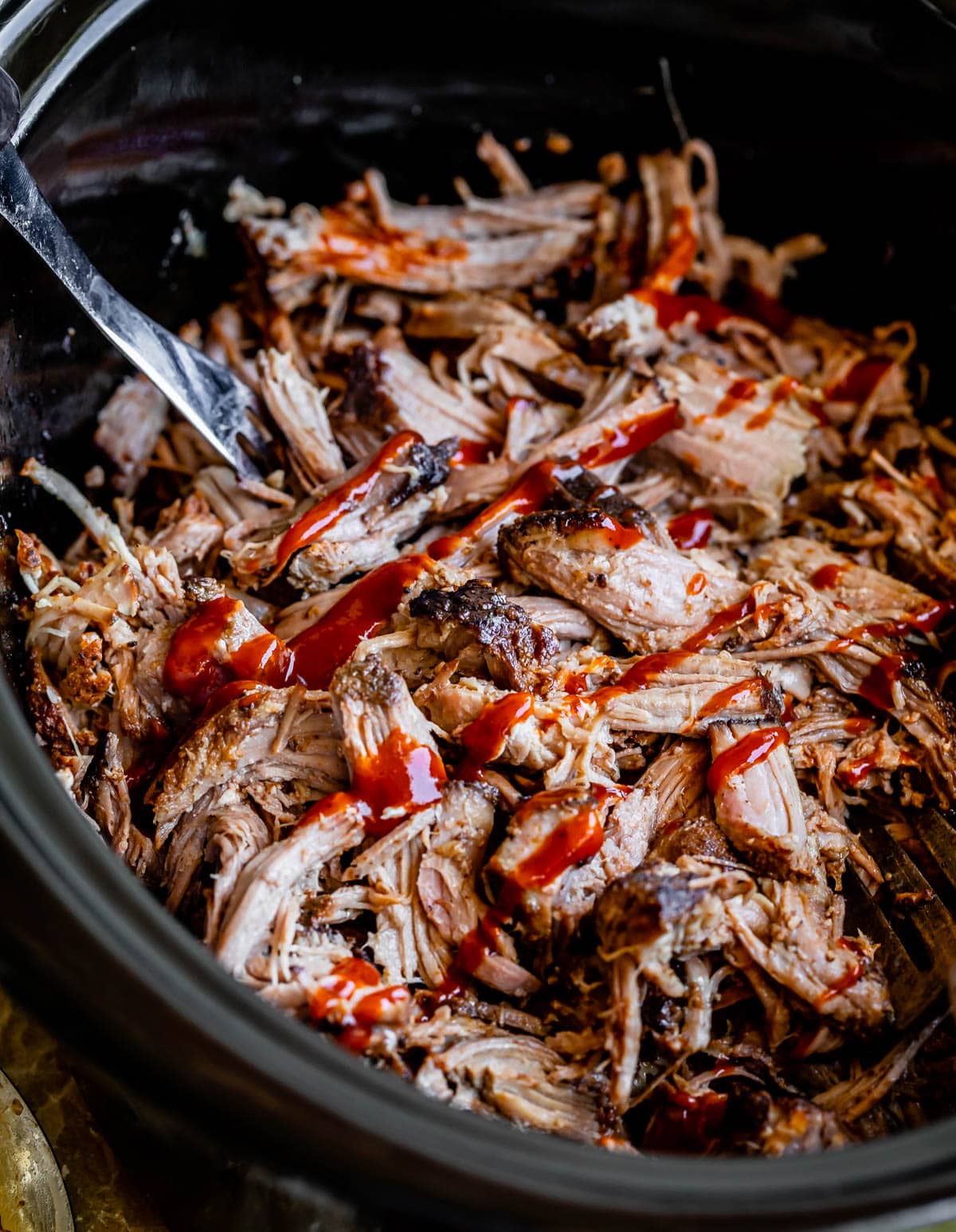
Shredding can be done with two forks, pulling the meat apart into bite-sized pieces. You can also use meat claws for a more efficient process. Discard any large pieces of fat or the bone (if bone-in).
Finishing Touches and Serving Suggestions
The shredded Boston butt is incredibly versatile. Its rich, savory flavor is a perfect canvas for a variety of sauces and accompaniments.
Sauces and Glazes
While the pork itself is flavorful, a sauce can elevate it further.
- Barbecue Sauce: A classic pairing. You can use your favorite store-bought barbecue sauce, or make your own. Consider a Carolina-style vinegar-based sauce for a tangy contrast, a sweet and smoky Kansas City style, or a spicy Texas style. Toss the shredded pork with your chosen sauce, or serve it on the side.
- Au Jus: The liquid remaining in the slow cooker, often referred to as au jus, is packed with flavor. You can strain it and serve it alongside the shredded pork for dipping, or reduce it slightly on the stovetop to create a more concentrated sauce.
- Other Flavorings: Consider stirring in a tablespoon of Dijon mustard, a splash of Worcestershire sauce, or a touch of honey into the shredded pork before serving.
Serving Your Slow Cooker Boston Butt
The possibilities for serving are nearly endless:
- Pulled Pork Sandwiches: Pile the shredded pork high on soft buns with your favorite coleslaw and pickles. This is a quintessential way to enjoy slow-cooked Boston butt.
- Tacos and Nachos: Use the shredded pork as a filling for tacos or as a topping for nachos.
- Platters: Serve a generous portion of shredded pork alongside classic barbecue sides like cornbread, baked beans, potato salad, and collard greens.
- Over Rice or Grits: A simpler preparation where the shredded pork is served over a bed of fluffy rice or creamy grits.
- In Casseroles or Soups: Leftovers can be incorporated into various dishes, adding a rich pork flavor.
The beauty of cooking a Boston butt in the slow cooker is that it yields a substantial amount of delicious meat, making it perfect for feeding a crowd or for enjoying leftovers throughout the week. It’s a testament to how simple ingredients and patient cooking can create deeply satisfying and memorable culinary experiences, a true highlight of local tourism and home cooking alike.
LifeOutOfTheBox is a participant in the Amazon Services LLC Associates Program, an affiliate advertising program designed to provide a means for sites to earn advertising fees by advertising and linking to Amazon.com. Amazon, the Amazon logo, AmazonSupply, and the AmazonSupply logo are trademarks of Amazon.com, Inc. or its affiliates. As an Amazon Associate we earn affiliate commissions from qualifying purchases.