
This is a culinary question that often arises in kitchens and at butcher counters across the United States, particularly for those interested in exploring the rich traditions of American barbecue and home cooking. While the terms “Boston butt” and “pork shoulder” are frequently used interchangeably, understanding their precise relationship can elevate your cooking and demystify menus. This exploration delves into the anatomy of the pig, the specific cuts, and why the distinction, though subtle, matters for achieving optimal flavor and texture.
Understanding the Pork Shoulder
The pork shoulder, also known as the pork butt or picnic shoulder, is a primal cut that comes from the upper part of the pig’s front leg. It is a highly versatile and flavorful cut, prized for its abundance of connective tissue and intramuscular fat. These elements break down during slow cooking methods, transforming into succulent, tender meat that is ideal for a variety of dishes, from pulled pork sandwiches to hearty stews.
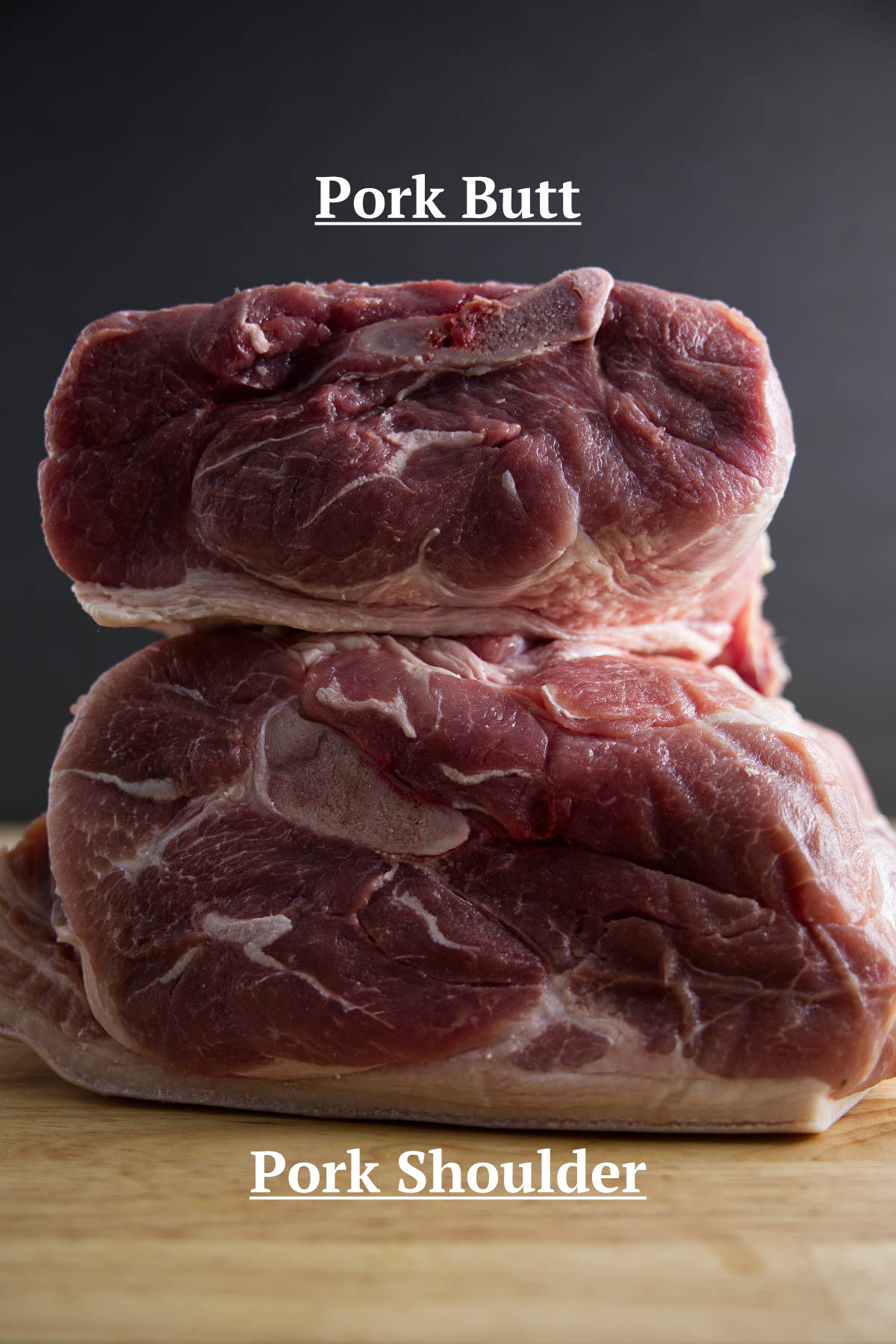
The shoulder area encompasses a larger section of the pig than what is typically sold as a single cut to consumers. It can be further divided into two main sections: the Boston butt and the picnic shoulder. Both are part of the overall pork shoulder, but they differ in their exact location and the composition of the meat.
The Anatomy of the Cut
To fully appreciate the nuances, it’s helpful to visualize the pig’s anatomy. The shoulder joint connects the foreleg to the body. The muscle groups in this area are heavily worked, contributing to their robust flavor and the presence of collagen.
The pork shoulder typically consists of several muscles, including the supraspinatus, infraspinatus, and teres major. The distribution of fat and muscle fibers varies between the upper and lower portions of the shoulder. This variation is key to understanding the differences, however slight, between the Boston butt and the picnic shoulder.
Boston Butt vs. Pork Shoulder: The Distinction
When people ask if Boston butt is the same as pork shoulder, the most accurate answer is that Boston butt is a part of the pork shoulder. The term “pork shoulder” can refer to the entire primal cut, or it can be used more generally to denote the upper portion from which the Boston butt is derived.
The Boston butt is specifically the upper portion of the pork shoulder, located from the shoulder blade upwards towards the head. It is characterized by a higher proportion of fat and marbling compared to the picnic shoulder. This makes it exceptionally well-suited for slow cooking, as the fat renders down, basting the meat and ensuring a moist, flavorful result.
The picnic shoulder, on the other hand, is the lower portion of the pork shoulder, extending down to the elbow. It contains more bone, skin, and a leaner muscle composition overall, although it still benefits greatly from slow cooking. The presence of the picnic ham bone (a part of the shoulder bone) is a distinguishing feature.
Culinary Implications
For the home cook and professional chef alike, recognizing these distinctions can lead to more predictable and superior results.
-
Boston Butt: This cut is often favored for pulled pork. Its generous marbling and thick cap of fat are ideal for low-and-slow cooking techniques like smoking or braising. The meat pulls apart easily into tender strands, absorbing marinades and rubs beautifully. Many recipes calling for “pork shoulder” are essentially directing you to use a Boston butt due to its consistent tenderness and flavor.
-
Picnic Shoulder: While also excellent for slow cooking, the picnic shoulder may require slightly different handling. It can be a more economical choice and is still wonderfully flavorful. Some chefs prefer it for its meat-to-bone ratio, believing the bone adds depth of flavor during cooking. However, it can sometimes be a bit tougher or drier if not cooked thoroughly, due to its leaner composition and proximity to the leg.
In butcher shops and supermarkets, you will often see both cuts labeled simply as “pork shoulder,” and in many cases, the Boston butt will be the default cut offered when “pork shoulder” is requested, especially for barbecue preparations. However, astute cooks understand that if they want the richest, most marbled cut for dishes like pulled pork, the Boston butt is the preferred choice.
Regional Nomenclature and Market Practices
The terminology surrounding pork cuts can sometimes lead to confusion, largely due to regional variations in naming conventions and how butchers traditionally divide and sell these cuts. In the United States, the terms “Boston butt,” “pork butt,” and “pork shoulder” have become intertwined.
Historically, the term “Boston butt” likely originated in the Boston area. In the past, butchers would pack certain cuts of pork, including this section, into barrels known as “butts” for storage and transport. This practice may have contributed to the name.

Carolina barbecue, particularly in North Carolina and South Carolina, has long revered the pork shoulder. Traditional pitmasters often utilize the entire shoulder, or a significant portion of it, understanding how to manage the different muscle groups and fat content through the slow smoking process. The resulting pulled pork is a staple of regional cuisine.
Butcher Shop Practices
When you visit a butcher shop, you might find:
- Boston Butt: Typically a well-defined cut, often boneless or bone-in, from the upper shoulder. It’s usually a more uniformly rectangular or oval shape.
- Pork Shoulder (or Picnic Shoulder): This might be a larger, more irregular cut that includes the picnic area. It can be sold bone-in, bone-out, or as a half-shoulder. You might see skin on or off.
It’s always advisable to ask your butcher for clarification if you are unsure about a specific cut. A good butcher can explain the characteristics of the meat and recommend the best option for your intended dish. For example, if you’re making pulled pork for a large gathering, they might suggest a large, bone-in Boston butt for maximum flavor and ease of cooking.
Preparing and Cooking Techniques
Both the Boston butt and the picnic shoulder are excellent candidates for a variety of low-and-slow cooking methods. These techniques are essential for breaking down the tough connective tissues and rendering the fat, resulting in incredibly tender and flavorful meat.
Smoking
Smoking is perhaps the most iconic preparation for pork shoulder, particularly in the Southern United States. The low temperature (typically 225-275°F or 107-135°C) and extended cooking time (often 1 to 1.5 hours per pound) allow the fat to render and the collagen to dissolve. The smoke imparts a distinct flavor profile that is highly sought after.
- Rubbing: A dry rub, typically a mixture of salt, pepper, paprika, garlic powder, and other spices, is applied generously to the surface of the shoulder. This rub not only adds flavor but also helps to create a desirable crust, or bark, during the smoking process.
- Moisture: Some pitmasters spritz the meat with apple cider vinegar, apple juice, or water during the cook to keep it moist.
- Resting: After cooking to an internal temperature of around 195-205°F (90-96°C), the pork shoulder must rest for at least 30 minutes, and ideally longer, allowing the juices to redistribute throughout the meat, ensuring maximum tenderness and moisture.
Braising and Roasting
Beyond smoking, both cuts shine when braised or slow-roasted in an oven. These methods offer more controlled cooking environments and are accessible for those without a smoker.
-
Braising: This involves searing the meat first, then simmering it in a liquid (such as broth, wine, or cider) in a covered pot or Dutch oven at a low temperature for several hours. This is an excellent way to achieve incredibly tender results, and the braising liquid can be used to create a rich sauce. Dishes like coq au vin have braised counterparts for pork, showcasing the versatility of the cut.
-
Slow Roasting: Similar to braising but often with less liquid, slow roasting involves cooking the pork shoulder in a covered pan or roasting dish in a low oven for an extended period. This method allows the meat to become tender and moist, and the rendered fat can be used to baste the meat.
Other Culinary Uses
While pulled pork is the most famous application, the tenderness achieved through slow cooking makes pork shoulder suitable for many other dishes:
- Carnitas: This Mexican dish involves slow-cooking pork shoulder until tender, then crisping it up in its own fat. The combination of tender, succulent interior and crispy exterior is irresistible.
- Stew: Cubed pork shoulder is an excellent choice for hearty stews, as it becomes fork-tender during the long simmering process.
- Roast Pork: A well-cooked, boneless pork shoulder can be a fantastic centerpiece for a family meal, with moist, flavorful meat that carves easily.

Conclusion: The Culinary Equivalence
In practical culinary terms, for most home cooks and restaurant preparations, the distinction between “Boston butt” and “pork shoulder” often boils down to semantics. When a recipe calls for “pork shoulder” for dishes like pulled pork, slow-roasted pork, or braised pork, it is generally referring to the upper, more marbled portion of the pig’s shoulder, which is precisely what a “Boston butt” is.
The key takeaway is that both “Boston butt” and “pork shoulder” (referring to the upper cut) are incredibly forgiving and rewarding cuts of meat. Their high fat content and abundant connective tissues make them ideal for low-and-slow cooking methods, ensuring a tender, juicy, and flavorful outcome. While a butcher might distinguish between the Boston butt and the picnic shoulder, most consumers seeking that quintessential barbecue pork experience are looking for the characteristics found in a Boston butt, and the term “pork shoulder” is frequently used as a catch-all for this prime cut. So, whether you ask for a Boston butt or a pork shoulder at your local butcher, you are likely on your way to a delicious and satisfying meal. The joy lies in the slow transformation of this humble cut into a culinary masterpiece, a testament to the power of patient cooking and the rich flavors of pork.
LifeOutOfTheBox is a participant in the Amazon Services LLC Associates Program, an affiliate advertising program designed to provide a means for sites to earn advertising fees by advertising and linking to Amazon.com. Amazon, the Amazon logo, AmazonSupply, and the AmazonSupply logo are trademarks of Amazon.com, Inc. or its affiliates. As an Amazon Associate we earn affiliate commissions from qualifying purchases.